
Why you shouldn't press these buttons in your car: some could be dangerous
These controls are easy to hit by accident—or out of inexperience, especially for new drivers.
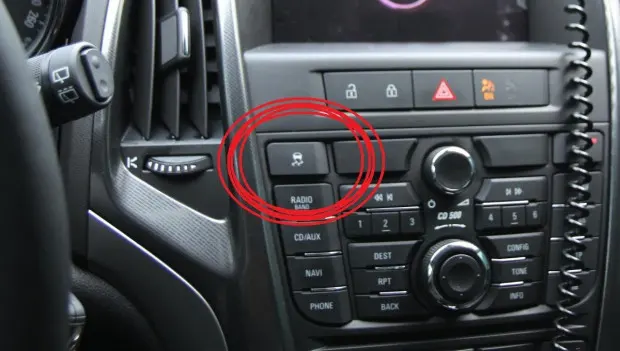
Modern cars are packed with buttons, switches, and touch controls. With so many features at your fingertips, it’s surprisingly easy to press the wrong one by mistake—or to use something without fully understanding what it does. For inexperienced drivers in particular, a few of these controls deserve extra caution.
Electronic parking brake
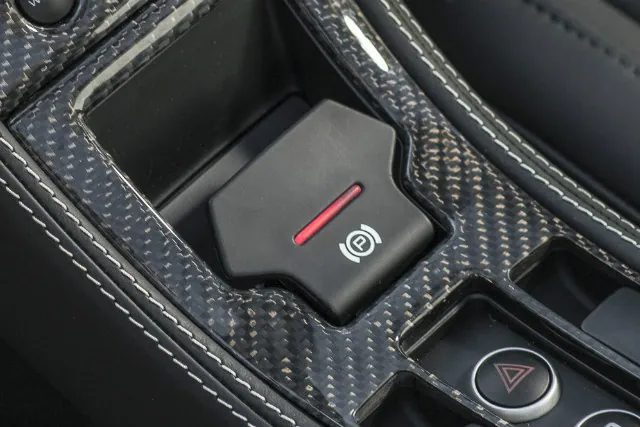
More and more automakers are replacing the traditional handbrake with an electronic version operated by a small button. It’s convenient, but also something you don’t want to trigger unintentionally. In some vehicles, pulling the parking brake while driving does nothing at all. In others, the car will slow down gently. And in the worst cases, the system can apply the brakes aggressively and bring the vehicle close to an abrupt stop. Knowing how your specific model behaves is essential.
Front passenger airbag deactivation
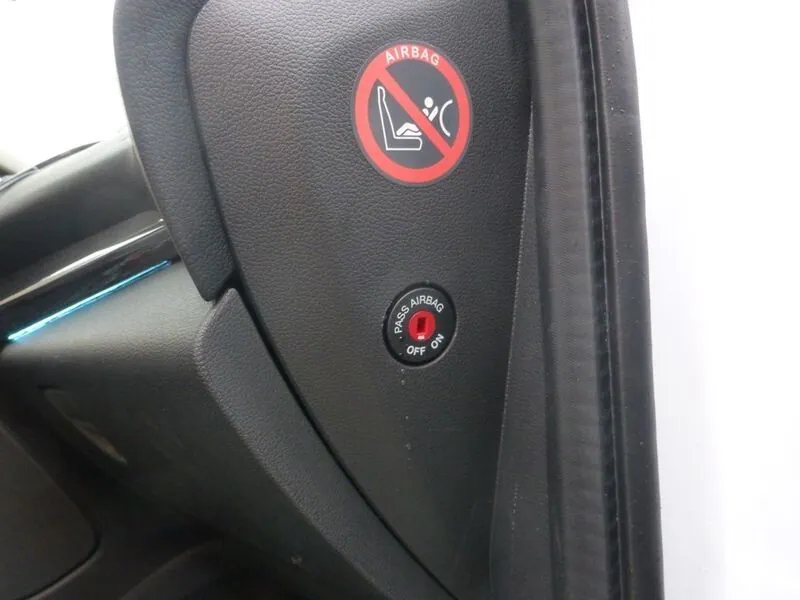
If you use a child safety seat in the front passenger seat, you already know the airbag must be turned off. Otherwise, it can seriously injure a child in a crash. The risk comes later, when an adult sits in that seat and the airbag is still disabled. Forgetting to switch it back on can leave a passenger unprotected in an accident, so this setting should always be double-checked.
Automatic parking systems
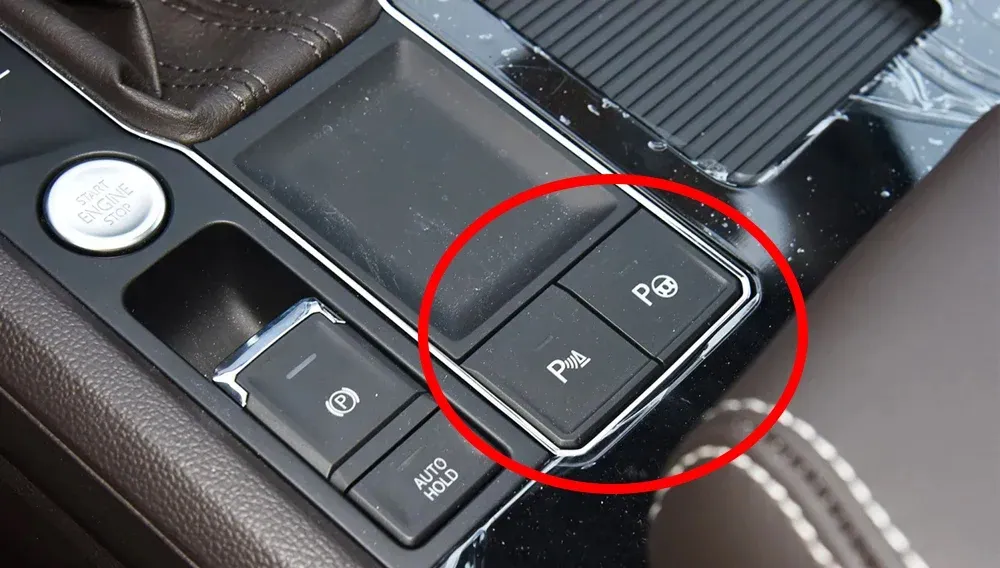
Self-parking features can be a lifesaver, especially for beginners. That said, they still require common sense. Even well-designed systems can misjudge a space due to poor markings, weather, or nearby obstacles. Before pressing the button, it’s worth taking a moment to make sure there’s actually enough room for the car to maneuver safely.
ESP (stability control) off switch
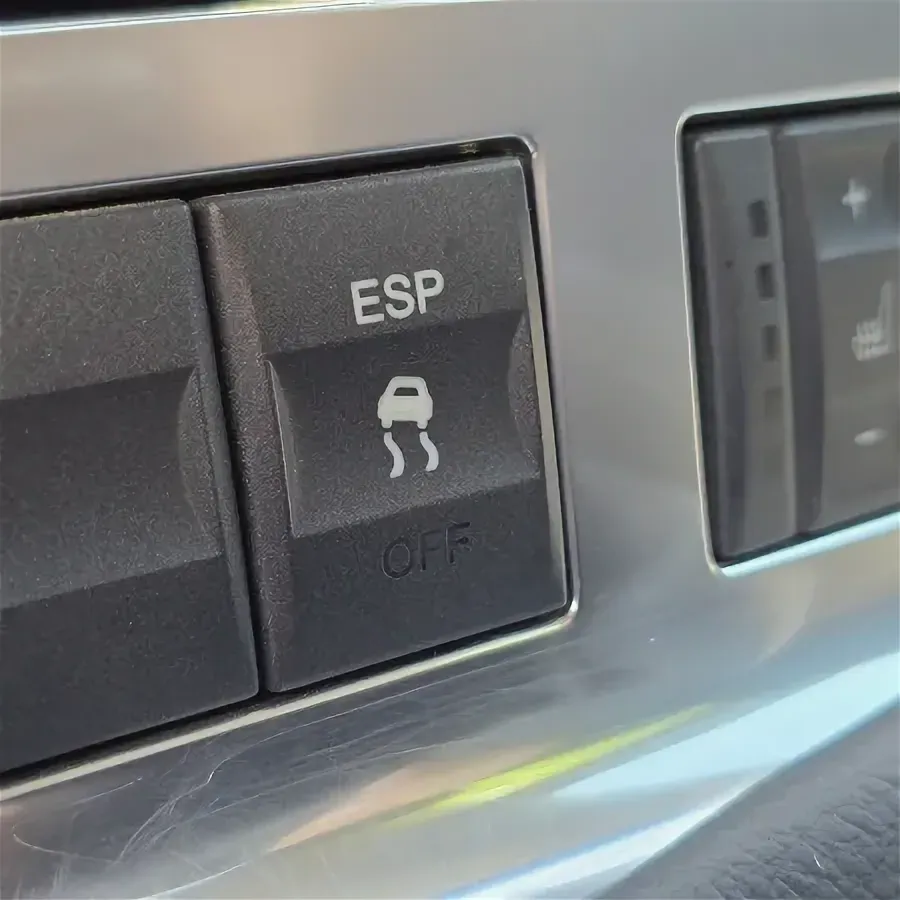
On some vehicles, the button that disables electronic stability control is right within reach and can be pressed accidentally. That’s a problem, because ESP plays a major role in keeping the car stable, especially on slippery or uneven roads. The difference between driving with ESP on and off can be dramatic, and in bad conditions it may increase the risk of losing control. Keeping an eye on this setting can help prevent unpleasant surprises.
You may also be interested in the news:
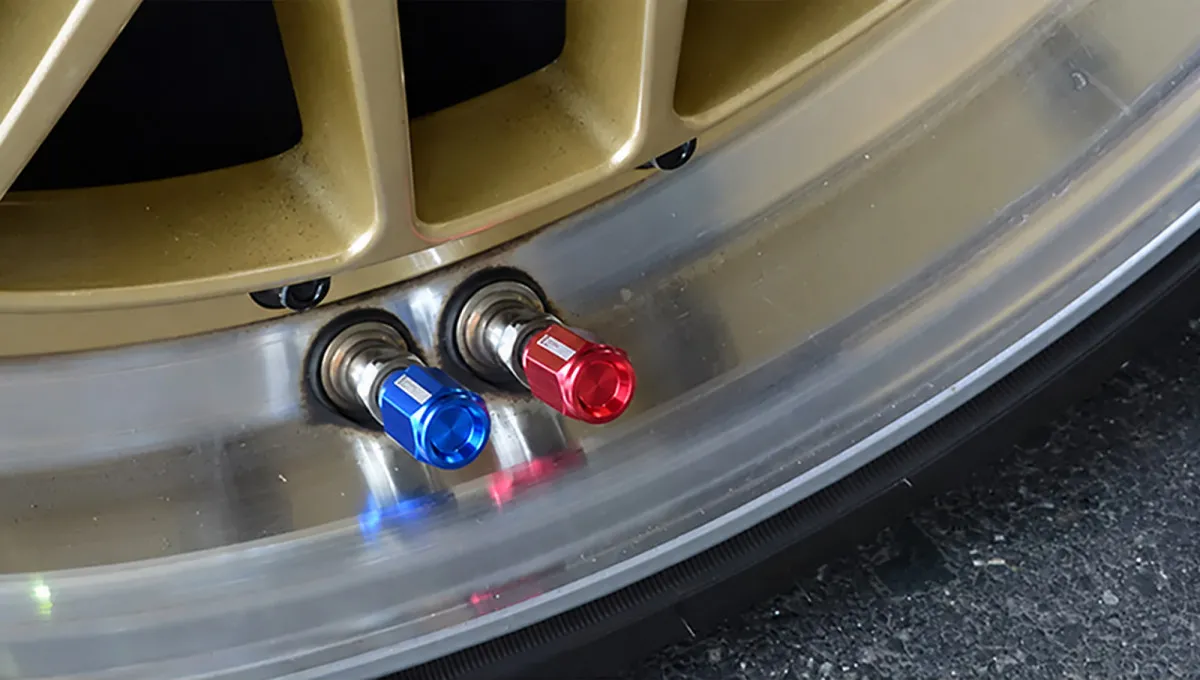
Not a Manufacturing Error: Why Some Wheels Have Two Valve Stems
Two valve stems on one wheel may look unusual, but the setup serves a practical purpose in racing and specialized tire service.
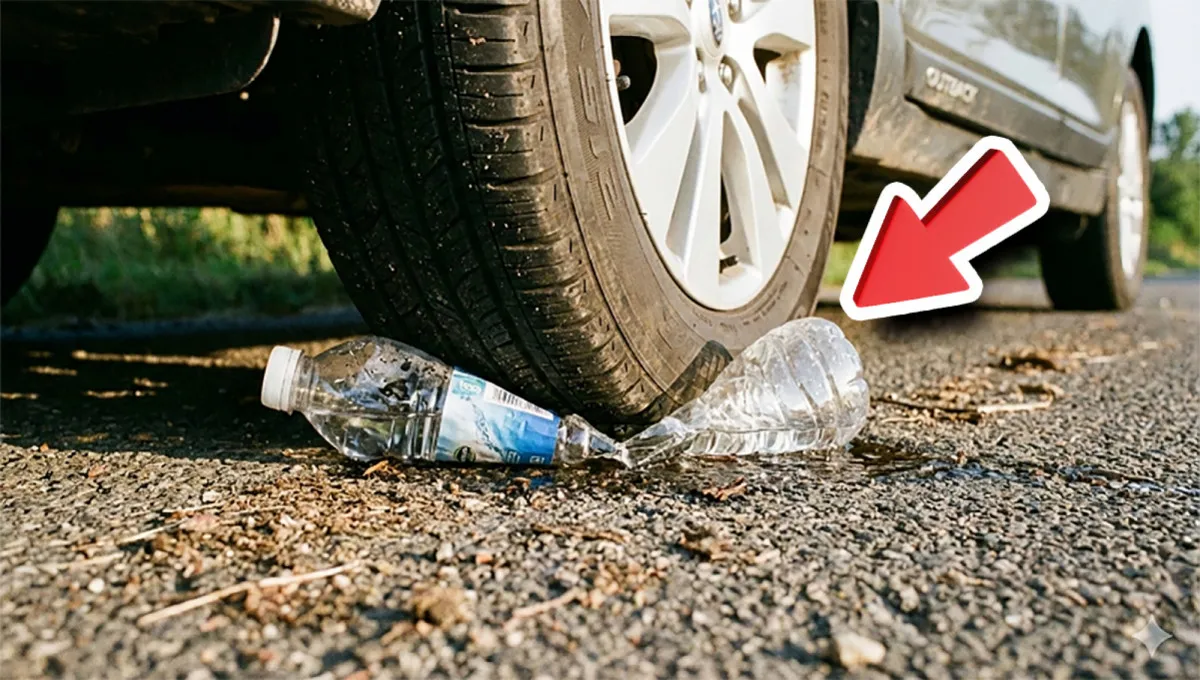
Bottle Under the Tire: The New Roadside Scam Targeting Drivers
A new roadside scam is gaining traction, using a simple plastic bottle to trick unsuspecting drivers.
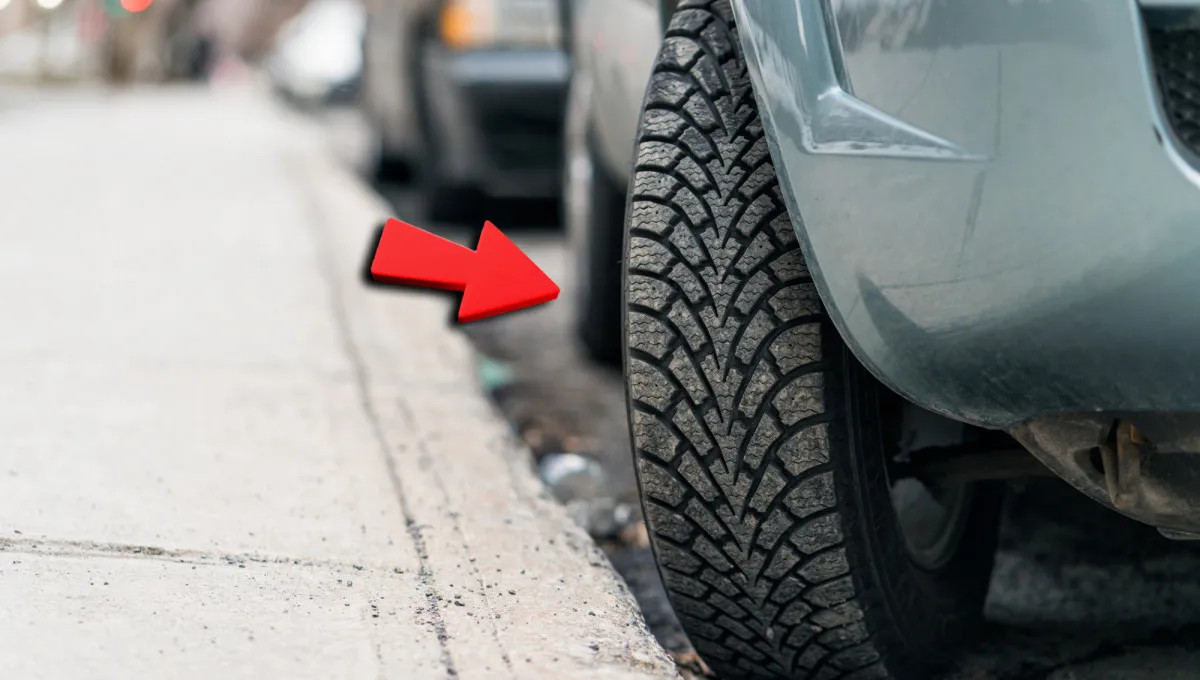
Why Your Neighbor Always Parks With the Wheels Turned: An Auto Expert Explains Three Reasons
Straight wheels aren’t always the smartest choice: experienced drivers turn them for three practical reasons you may not expect.
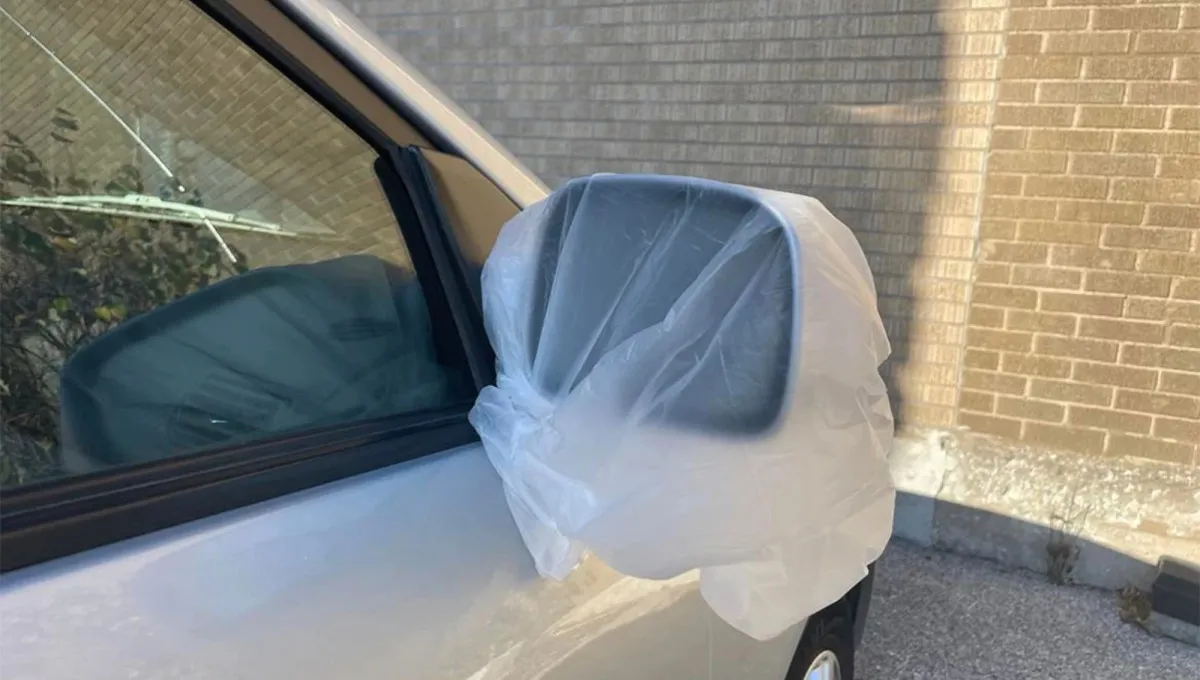
Why You Should Never Ignore a Plastic Bag on Your Car Mirror
You park your car, head inside, and return a short time later to find an ordinary plastic bag hanging from the side mirror.
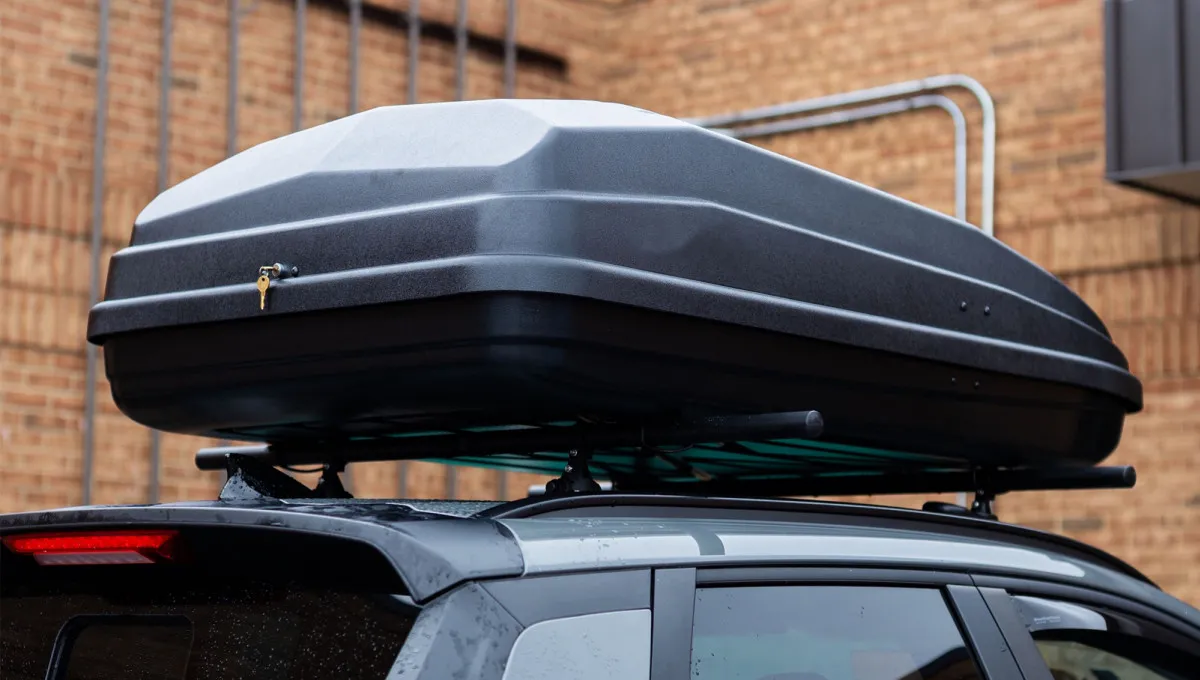
Auto Expert Warns Drivers About Common Mistakes When Installing a Roof Cargo Box
Roof cargo boxes have become increasingly popular with drivers looking for an easy way to carry more gear on road trips.