
Toyota Partner Begins Construction of Solid-State Battery Plant: Electrolyte Promises 620 Miles of Range and 10-Minute Charging
For many years, Japan’s Toyota has promised to bring solid-state battery electric vehicles to market, and now that long-running story is starting to take on real shape.
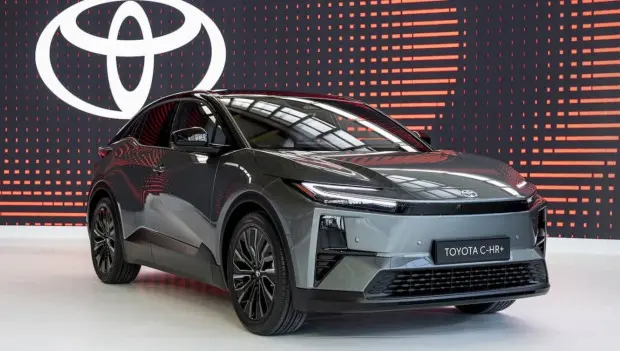
For many years, Japan’s Toyota has been promising to launch electric vehicles equipped with solid-state batteries, and now those plans are beginning to materialize. Last week, oil refiner Idemitsu Kosan, which has been working with the auto giant on solid-state battery technology, announced the start of construction on a plant that will produce advanced solid electrolytes. This component is widely seen as one of the key elements needed to move from laboratory prototypes to mass-produced batteries.
The new Idemitsu Kosan facility will focus on manufacturing solid electrolytes specifically for Toyota’s solid-state battery cells. The company has previously tested the technology at two small pilot sites, and is now taking a step toward much more meaningful production volumes.
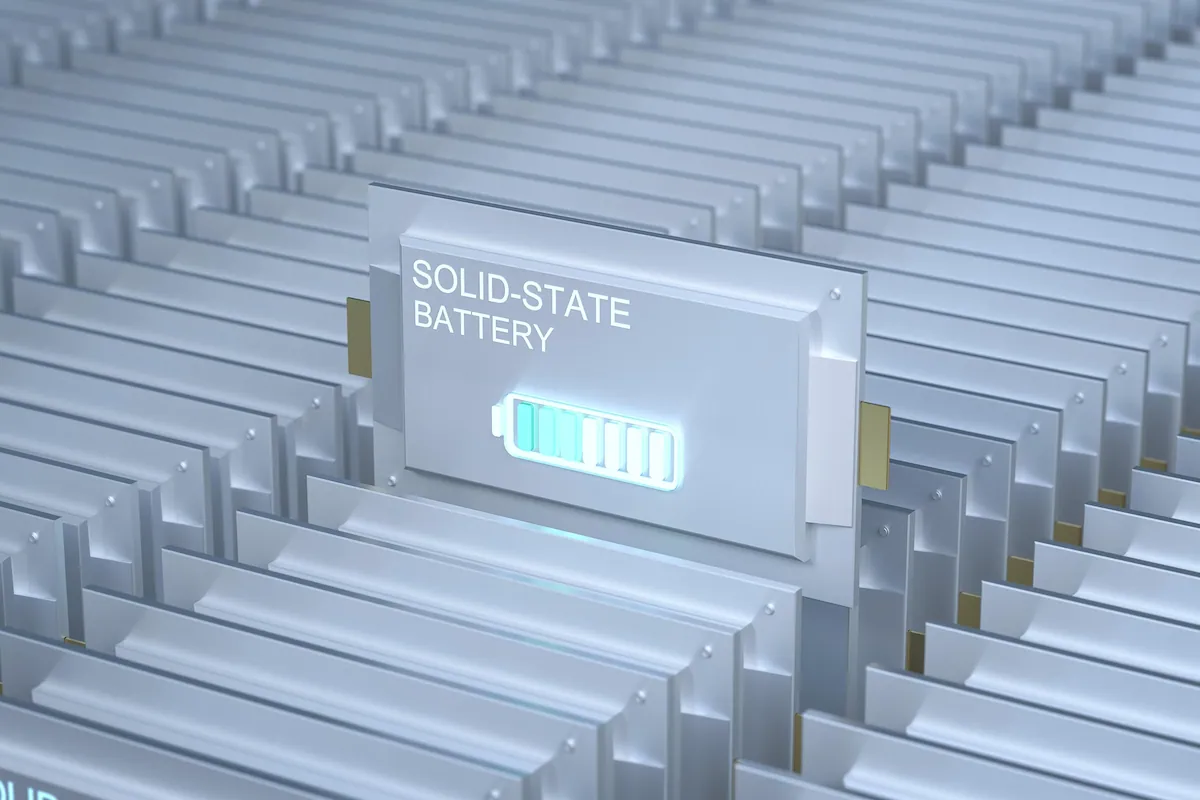
Timeline and capacity: construction of the pilot plant is scheduled to be completed by the end of 2027. Under favorable conditions, the facility could produce several hundred short tons of solid electrolyte per year.
Toyota appears keen to avoid reliance on a single development path and is simultaneously strengthening other parts of its future battery ecosystem. In addition to its cooperation with Idemitsu Kosan, the company is also working closely with the mining sector.
Other partners involved in development:
-
Idemitsu Kosan — solid electrolytes and scaling up production.
-
Sumitomo Metal Mining — cathode materials for solid-state batteries, as well as work on improved anodes and electrolytes.
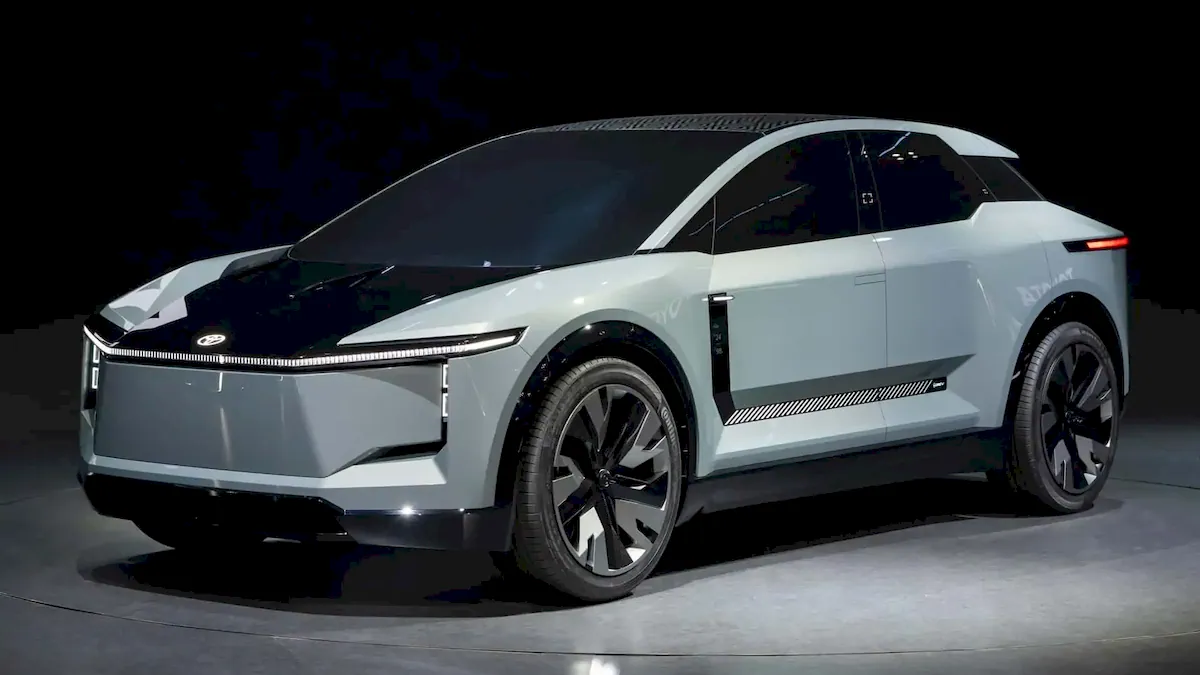
According to Toyota’s roadmap published in late 2023, the first generation of solid-state batteries is planned for launch in 2027–2028. The expected performance targets are highly ambitious.
-
First generation: up to about 620 miles of driving range and charging from 10% to 80% in roughly 10 minutes.
-
Second generation: a target of up to about 745 miles of range and potentially even shorter charging times.
Toyota is not alone in investing heavily in solid-state technology. For example, Mercedes began testing an EQS equipped with a solid-state battery last year; in one recent test, the car traveled 748.8 miles on a single charge. Last year also saw the debut of a new MG 4 with a semi-solid-state battery, in which liquid electrolyte accounts for just 5%.
You may also be interested in the news:
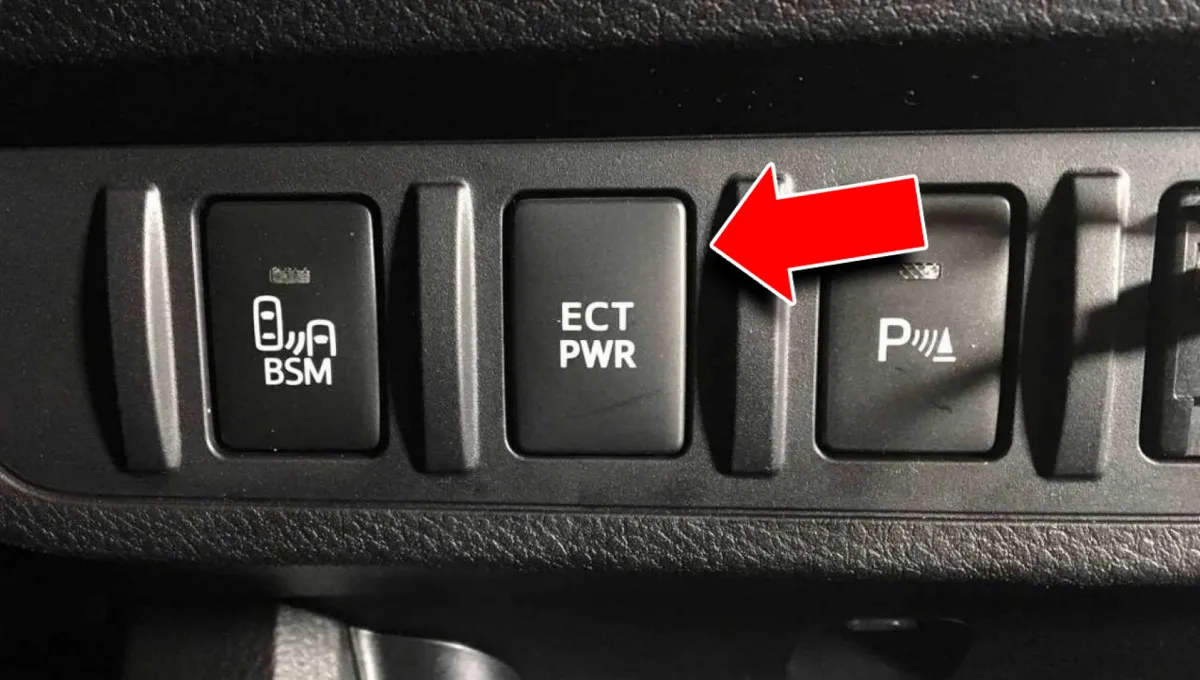
You Hit ECT PWR and Your Toyota Suddenly Wakes Up: What That Mysterious Button Really Does
This little button can change the way a Toyota drives, but plenty of owners have no idea what actually happens when they press it.
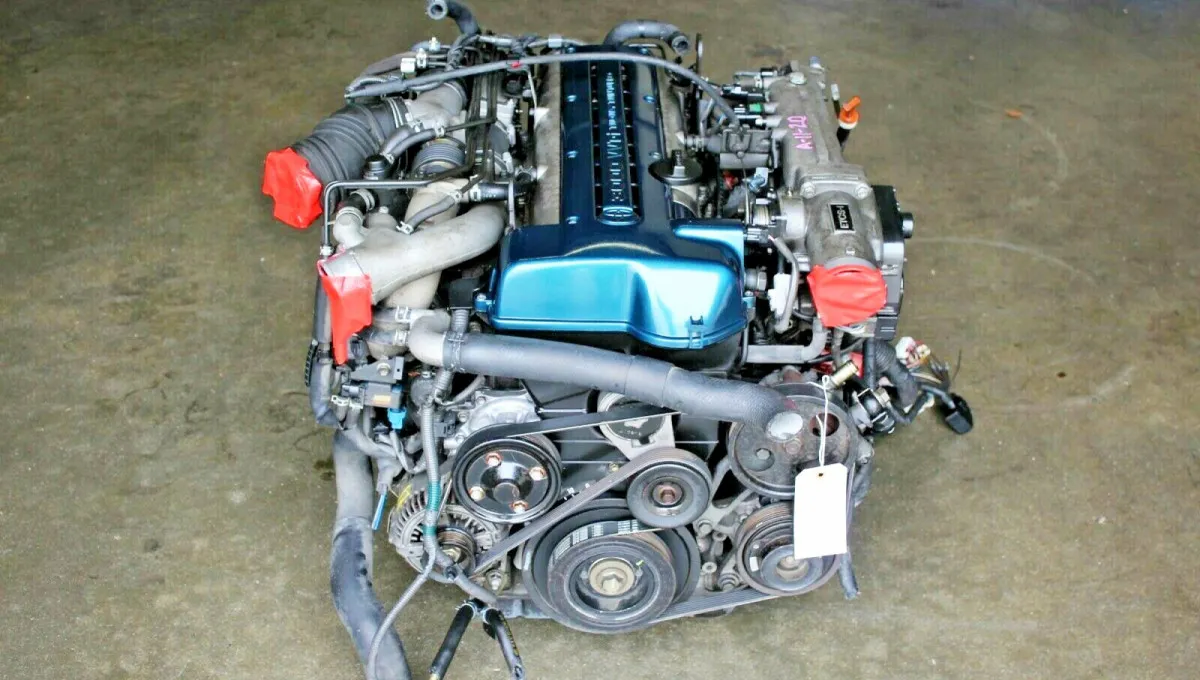
Toyota Built It to Survive 300,000 Miles. Tuners Turned It Into a 2,000-HP Beast
Toyota engineers may have gone too far with durability — and accidentally created the ultimate engine for hot-rodding.
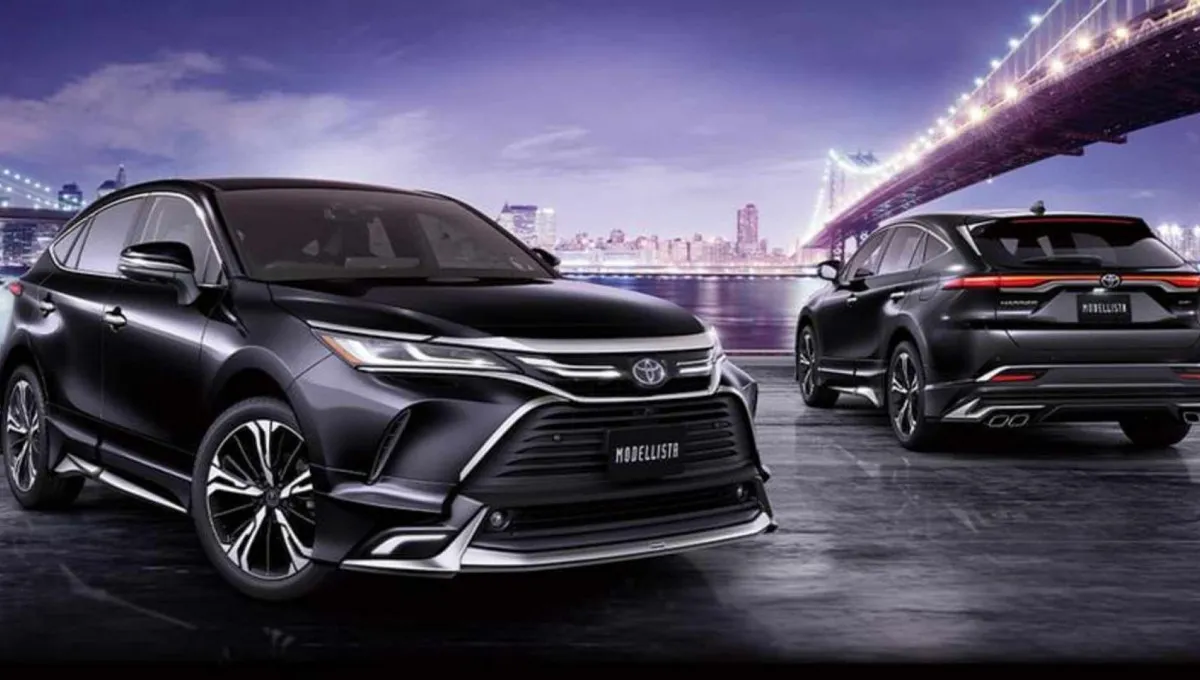
You Won’t Recognize This Toyota: Tuners Turned the Crossover Into a Sports Car
Modellista has prepared two new styling packages for the updated Toyota Harrier.
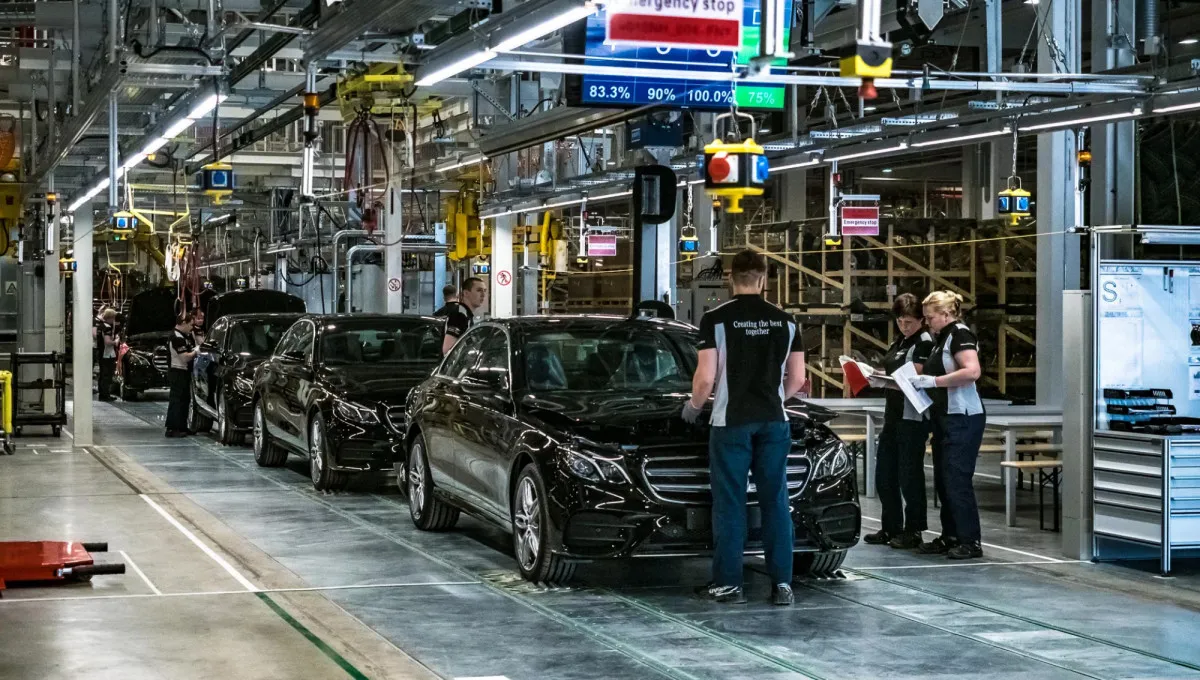
Mercedes-Benz to Close Plants and Cut Wages as Workers Face Layoffs
Mercedes-Benz is preparing to restructure its business, including potential pay cuts, layoffs and even the closure of a factory.
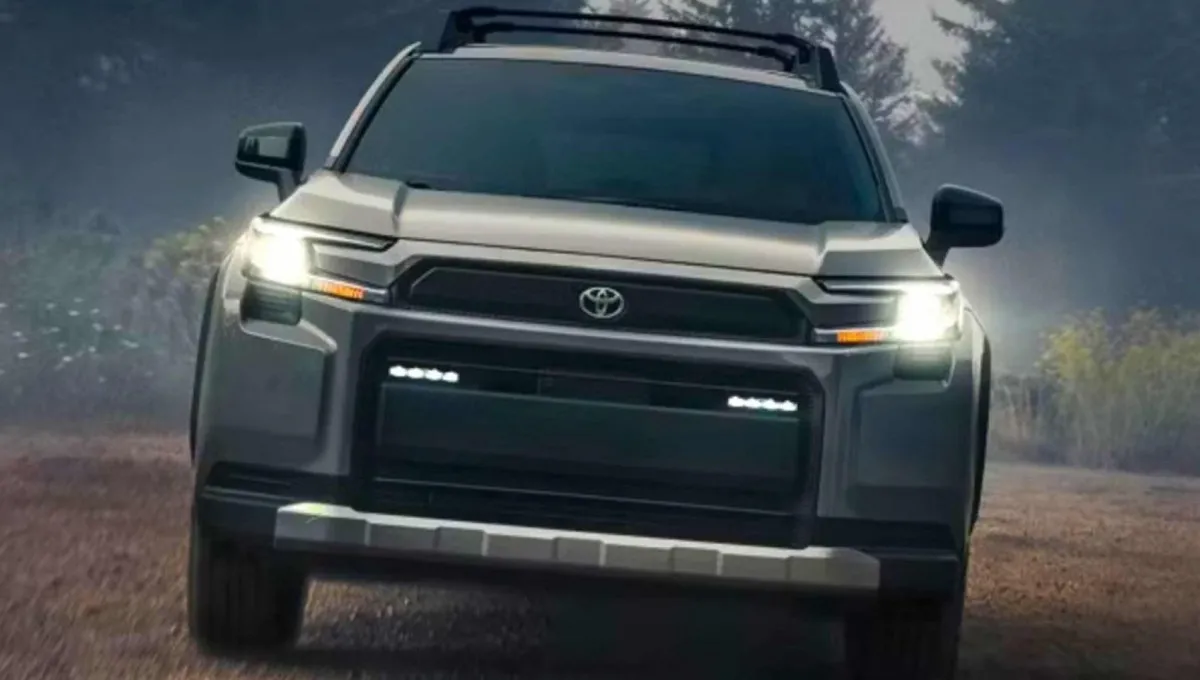
Toyota Patent Hints at New Car-Based Pickup With a Clever Cargo Bed
Toyota could launch a rival to the Ford Maverick.