
Tesla Cuts Order for Revolutionary 4680 Batteries by 99%: Technology Fails to Deliver
The advanced battery tech that was supposed to make EVs extremely affordable has fallen short, leaving Tesla’s partner with massive losses.
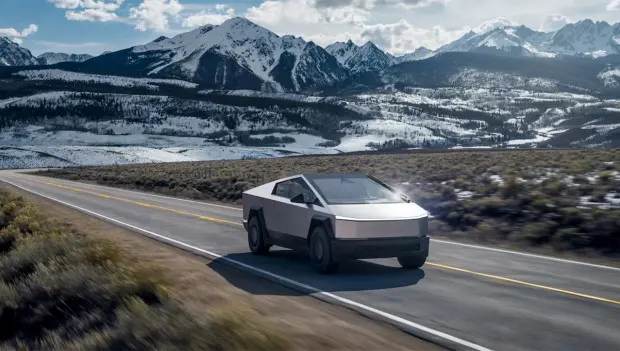
For several years, Tesla CEO Elon Musk confidently claimed that the 4680 lithium-ion battery cells, built with high-nickel cathodes, would revolutionize the electric vehicle market. In 2023, South Korea’s L&F signed a major $2.9 billion contract with Tesla to supply large volumes of these batteries.
However, on December 29, Electrek reported, citing sources, that the supply chain had effectively collapsed.
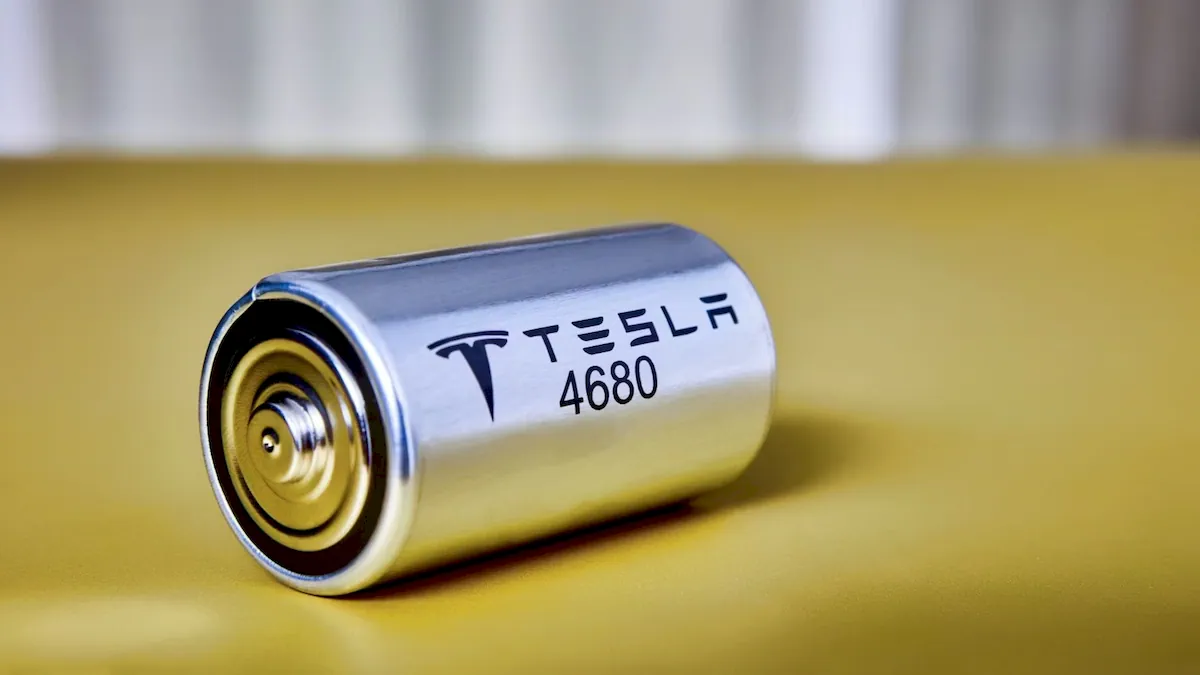
According to the report, L&F confirmed that its contract with Tesla was cut by more than 99%. The final value reportedly dropped to $7,386 — a figure so low it seems like a typo, but it is official: the contract was slashed from $2.9 billion to roughly $7,400. L&F did not provide a detailed explanation for the drastic reduction, citing only changes in supply volume. Investigative reporting by Electrek, however, uncovered the likely reason.
Currently, Tesla uses the 4680 battery exclusively in the all-electric Cybertruck. The battery was originally developed specifically for that vehicle, with plans to scale it to other models later. But recent reports indicate that the Cybertruck has been selling extremely poorly, particularly after various U.S. EV incentives were canceled. As a result, there simply isn’t a need to produce these batteries at scale. Tesla has not commented officially, but all signs point to this explanation.
Back in March of last year, data already showed weak Cybertruck sales — so much so that Tesla was offering large discounts and 0% financing to move inventory. The massive Texas factory has a production capacity of up to 250,000 trucks per year, yet sales hover around 20,000–25,000 units, placing Tesla in a highly unprofitable position. For L&F, this cut translates into a loss of nearly $3 billion in expected revenue.
You may also be interested in the news:
Honda Is Developing a System That Charges EVs While They Drive
Honda plans to begin testing wireless charging technology for electric vehicles on the move later this year.
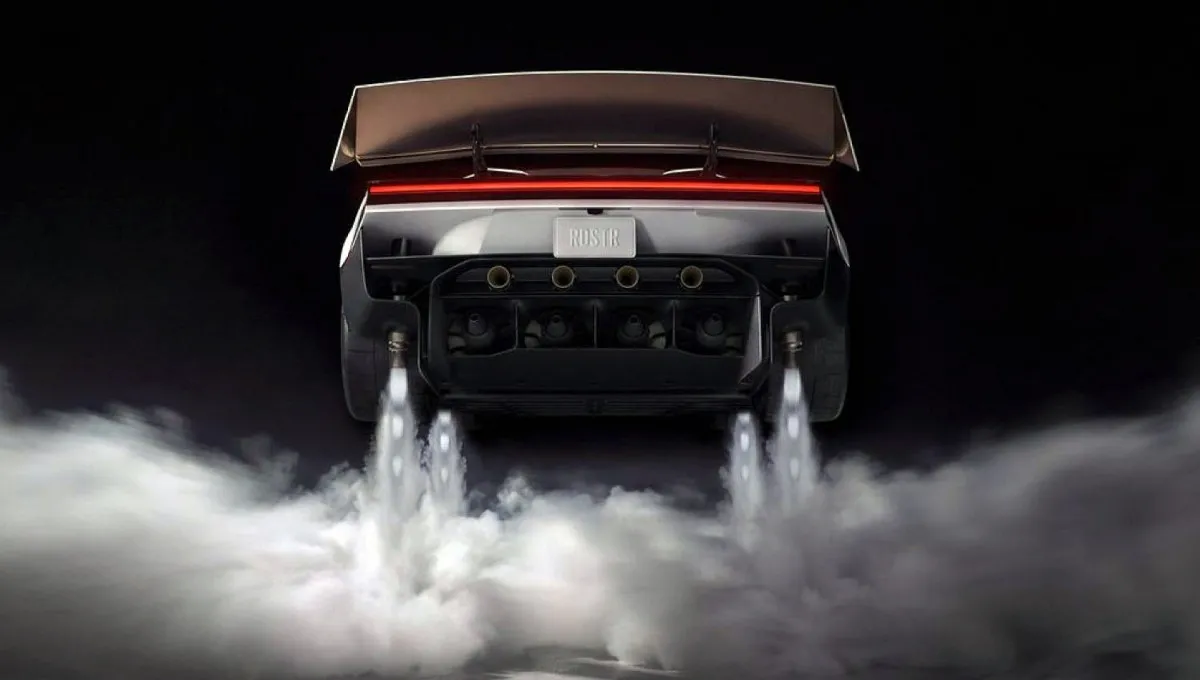
Tesla’s New Roadster Can Fly, but That May Be the Least Impressive Thing About It
Nearly a decade after Elon Musk unveiled the next-generation Roadster, Tesla has finally revealed its most outrageous capabilities.
Car Won’t Start When Temperatures Drop? 4 Battery Checks Every Driver Should Make in October
A few simple battery checks in October can help prevent cold-weather starting problems when winter temperatures arrive.
BYD Patents a Battery That Is Cooled by Literally Submerging It in Liquid
A new BYD patent describes a battery architecture that uses dielectric fluid to cool battery modules while keeping electrical components dry.
He Sold His House to Buy 20 Teslas—Then Sold 213 of Them in One Year
A car dealer admitted he briefly questioned his decision after betting his property money on a fleet of Teslas.