
There's Nothing Like It: The Best Luxury Electric Car in the World Is Revealed
This beast first started rolling off the production line way back in 2022.

The fight for supremacy in the premium EV segment is brutal, and the bar keeps getting raised higher. That makes picking a true winner incredibly tough. Luckily, we’ve got pros who do the dirty work for us, putting the latest rides through their paces. Now, the crew over at Auto30.com has dropped their definitive Top 10 list of luxury electric vehicles for 2026.
Taking the top spot? The BMW i7. And the first thing that hits you is its wild, head-turning design.
“It might not be what you’d call classically beautiful, but its sheer, massive presence definitely makes a statement,” the experts note.
But it’s the inside where the i7 really knocks it out of the park. The specialists rave about the craftsmanship, calling the cabin a masterclass in build quality. It’s packed with cutting-edge tech and draped in top-shelf materials that scream premium.

Under the skin, the i7 packs a serious punch with its potent powertrain and razor-sharp handling. The needle will keep climbing until it hits a governed 149-155 mph. Plus, if you opt for the xDrive60, you’re looking at a real-world WLTP range of around 373 miles on a single charge.
So, what’s the catch? The price tag. Even by full-size luxury sedan standards, it’s absolutely “nose-bleeding.”
Luckily, the ranking has plenty of options that won’t completely destroy your bank account. Grabbing the runner-up spot is the BMW iX SUV. According to the experts, this crossover actually beats the champ in terms of sheer versatility.
The Top 10 Premium EVs Right Now:
- BMW i7
- BMW iX
- Porsche Taycan
- Mercedes-Benz EQS
- Audi e-tron GT
- Lotus Emeya
- Rolls-Royce Spectre
- Lucid Air
- Genesis Electrified G80
- Mercedes-Benz G580 EQ
The Cheapest EVs to Own in the Long Run
In other news, BGR just dropped its own ranking, but this one’s all about saving you money. They’ve crunched the numbers on official maintenance schedules and cost projections to find the five EVs with the lowest upkeep costs over time.

Topping that chart is the Tesla Model 3. The analysis shows you’re looking at shelling out just $3,222 on average to keep it running over a full decade.
Even more impressive? The experts calculated that the Model 3 has only an 8.64% chance of needing a major repair during those ten years—the best reliability score in its class.
Top 5 EVs for Low Maintenance Costs:
- Tesla Model 3: Roughly $3,222 over 10 years.
- Nissan Leaf: Roughly $3,237 over 10 years.
- Hyundai Ioniq 6: Roughly $3,893 over 10 years.
- Tesla Model Y: Roughly $3,977 over 10 years.
- Tesla Model S: Roughly $4,011 over 10 years.
While the Ioniq 6’s maintenance bill comes in a tad higher than the Leaf’s, the experts point out a key detail: Hyundai’s generous warranty package. It covers a big chunk of potential costs for pricy components, offering some serious peace of mind that the raw numbers don't show.
You may also be interested in the news:
Honda Is Developing a System That Charges EVs While They Drive
Honda plans to begin testing wireless charging technology for electric vehicles on the move later this year.
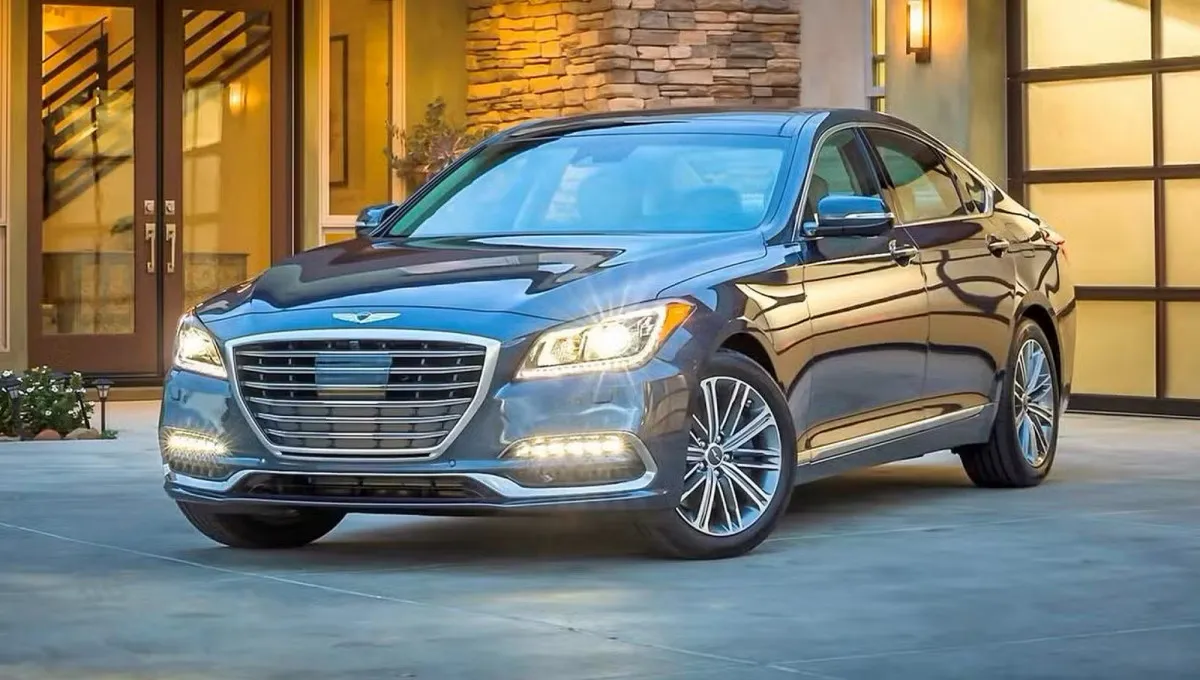
Hyundai Recalls Nearly 95,000 Genesis Sedans Over Fire Risk From Power Seats
Hyundai is recalling 94,622 Genesis sedans after a faulty power seat switch was linked to overheating and potential vehicle fires.
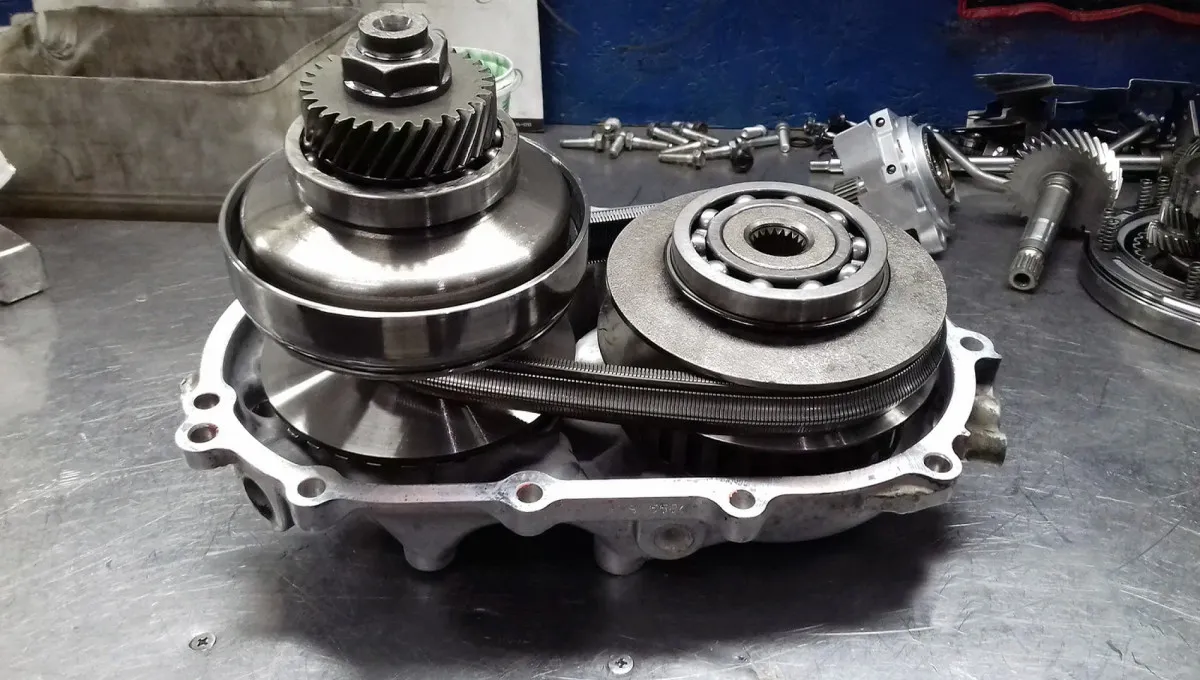
Why Experienced Drivers Still Warn Against Buying a Used Car With a CVT
CVTs offer smooth acceleration and good fuel economy, but expensive repairs and durability concerns make used models risky.
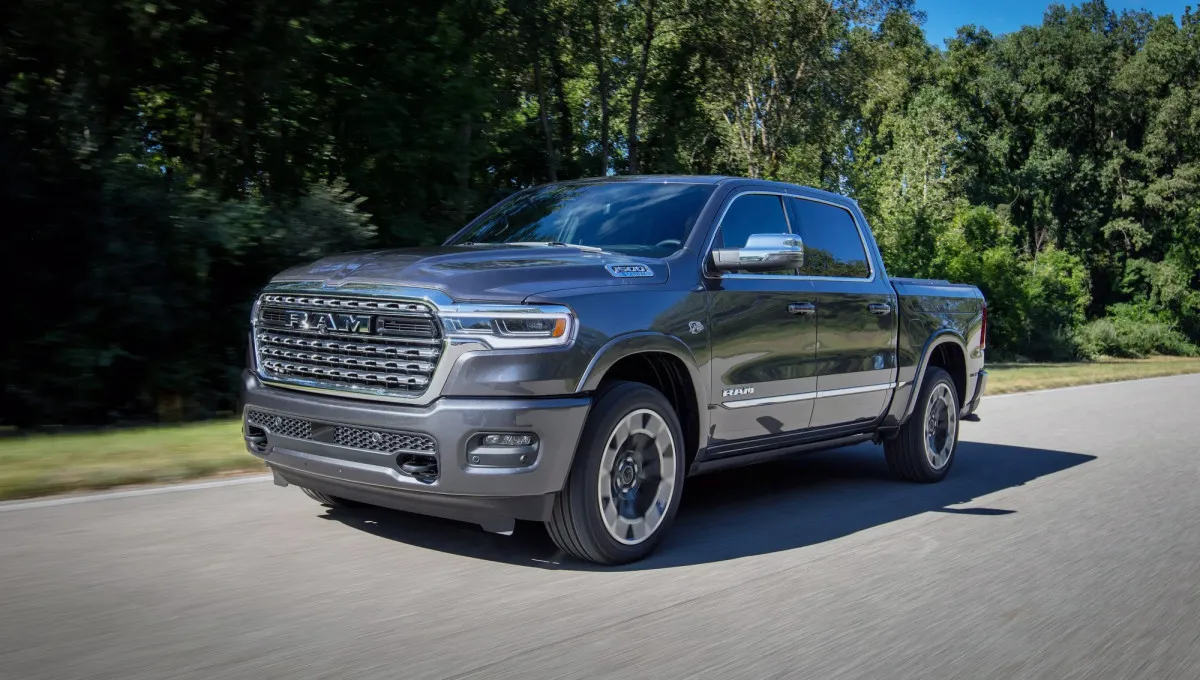
2026 Ram 1500 Recall: 16K Trucks May Have Faulty Tire Pressure Sensors
Ram is recalling 16,385 model-year 2026 Ram 1500 trucks
8 Car Maintenance Mistakes That Could Cost You Thousands if You Wait Too Long
Depending on driving conditions, some maintenance tasks may need to be performed sooner and more often than the automaker recommends.