
Ford Patents a New Display Technology Called Dual View Display
Ford is taking an unusual approach to fighting “screen fatigue” by adding more screens—or rather, screens within screens.
Modern automakers are eager to load new vehicles with as much technology as possible, and advanced digital displays have become a core part of that push. Still, these solutions come with limitations. For example, showing a movie on a central screen while also displaying critical driving information at the same time isn’t easy. Ford’s answer is a display designed to handle both tasks simultaneously.
The patented technology is called Dual View Display, and it describes a screen that shows different content depending on the viewing angle.
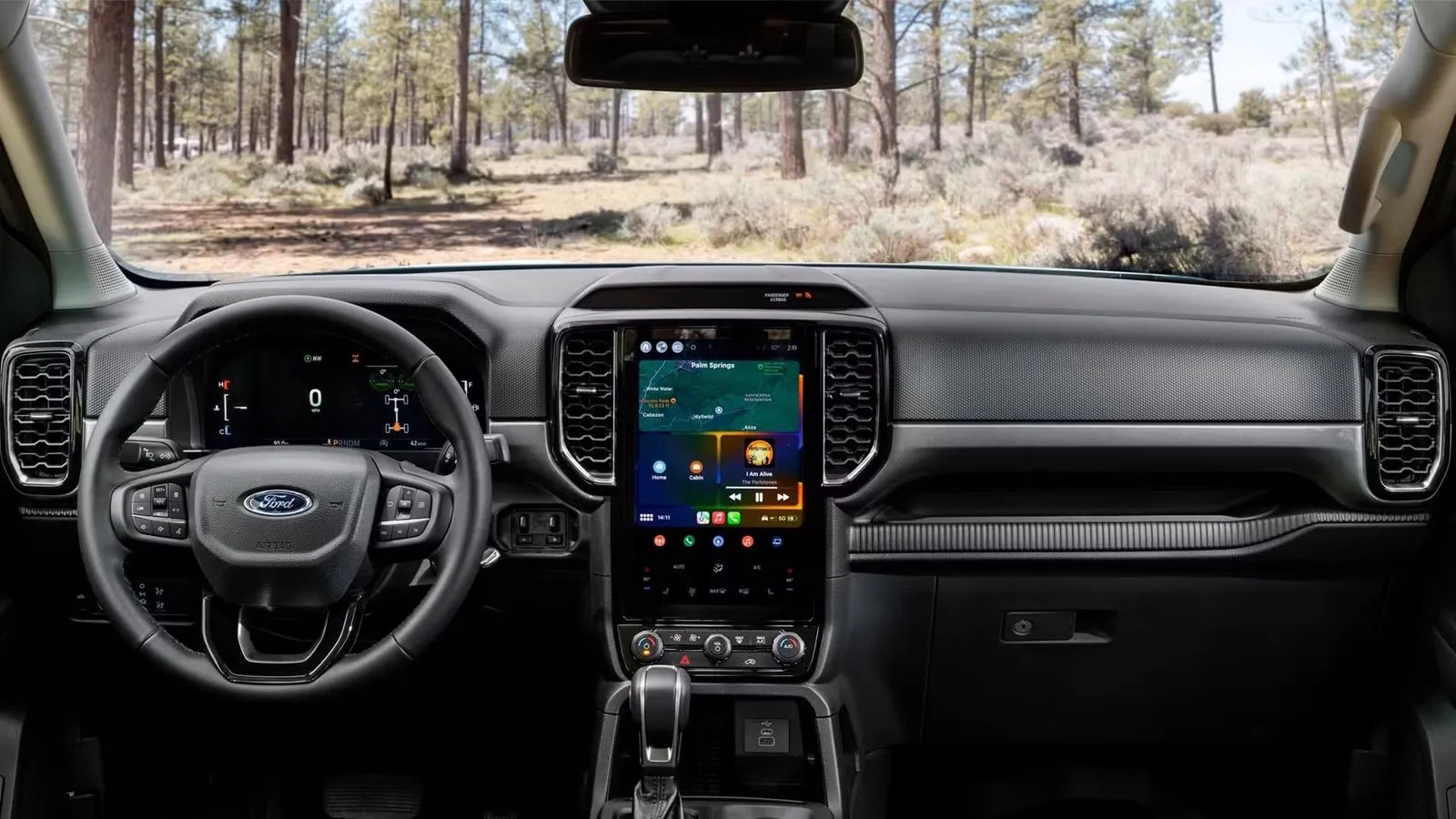
This isn’t just a matter of blocking the driver’s view of passenger content. The system allows a front-seat passenger to watch YouTube, for instance, while the driver sees navigation or other driving-related data. Similar concepts have existed before, ranging from privacy filters that hide passenger screens from the driver to split-screen center displays. Ford’s solution, however, is far more sophisticated.
Displaying two different images on a single LED panel requires advanced engineering. In a recently published patent, Ford details how the system works. The display is divided into multiple LED zones, with each zone responsible for a specific image.
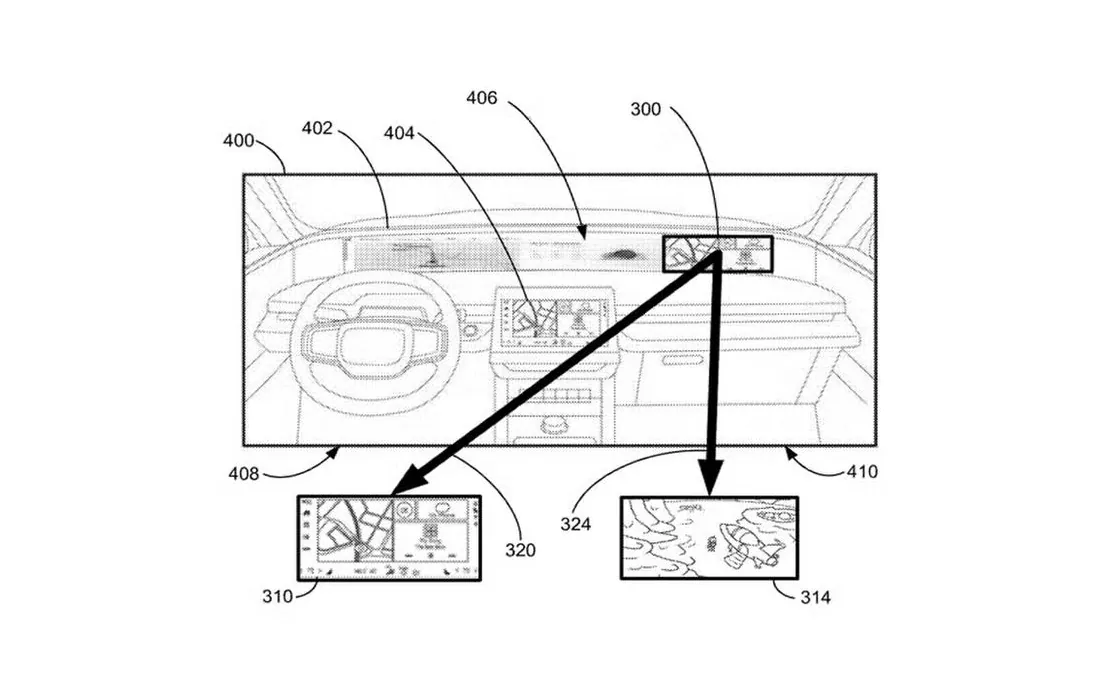
Each zone uses its own set of lenses—not one large lens, but an array of microlenses, each paired with an individual LED. These microlenses form two separate optical paths: one directs light toward the passenger, the other toward the driver. Because the LEDs are controlled independently, each viewing angle receives its own content. When needed, the system can also show the same image to both occupants—such as when the vehicle is parked and everyone is watching the same video.
A parallax barrier is also placed in front of the display. This is a technology that’s been around for roughly two decades and allows viewers at different angles to see different pixels. Solutions like this become especially relevant as automakers position screens higher on the dashboard, as BMW has done with its Panoramic iDrive setup.
Drivers who enjoy watching videos while stuck in traffic probably won’t be thrilled by this approach. But for those looking to make the most of screen space without taking entertainment away from passengers, Ford’s Dual View Display could be an ideal compromise.
You may also be interested in the news:
Ford Ranger FX4 Level II Was Cool Long Before the Raptor
Ford Built This Insane Ranger Years Before the Raptor—and Almost Nobody Remembers It
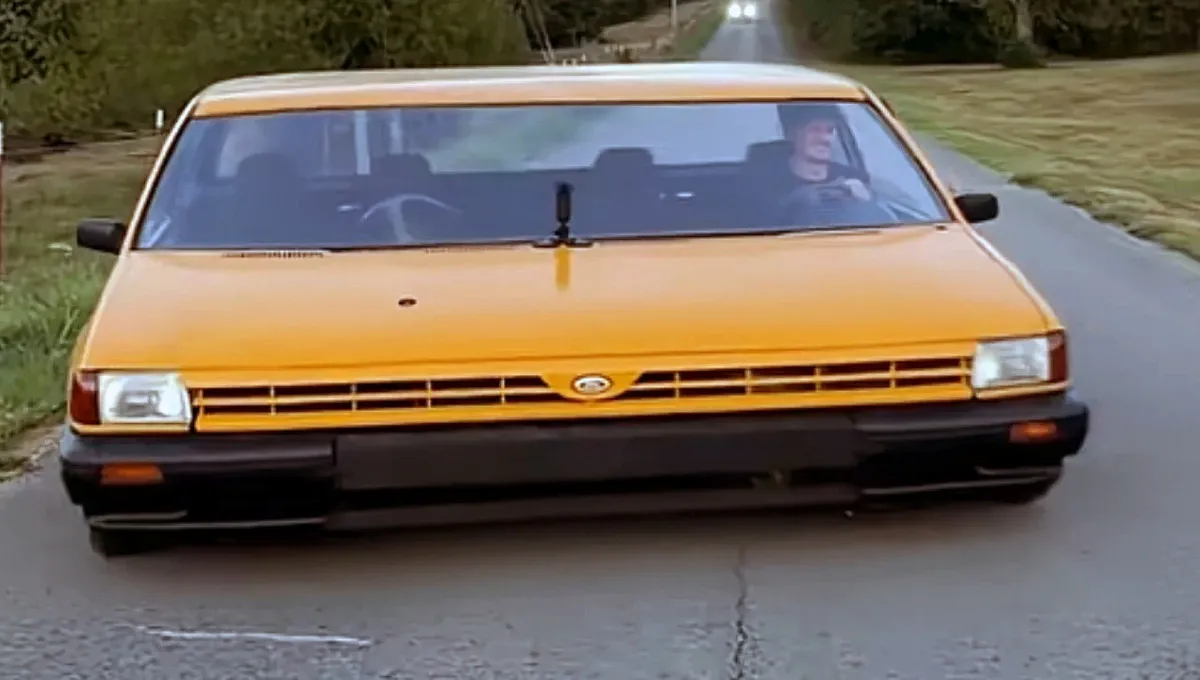
Tennessee Man Builds an Absurdly Wide Car Where Everyone Gets to Ride Shotgun
Tennessee creator Tyler Fever built an absurdly wide car after previously turning a Ford Festiva into a street-legal sliver.
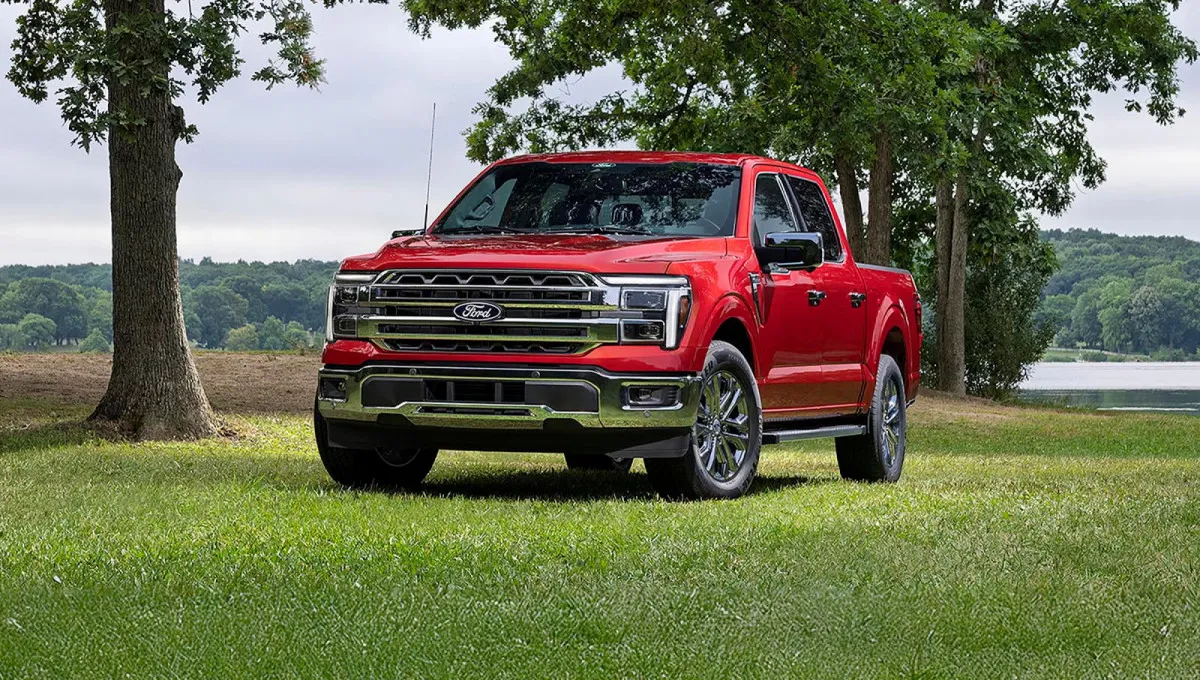
Ford Just Gave the 2027 F-150 a New Engine, Hands-Free Trailer Towing and a Carhartt Edition
Ford has updated the 2027 F-150 with a new V6, trailer-capable BlueCruise and a rugged Carhartt special edition.
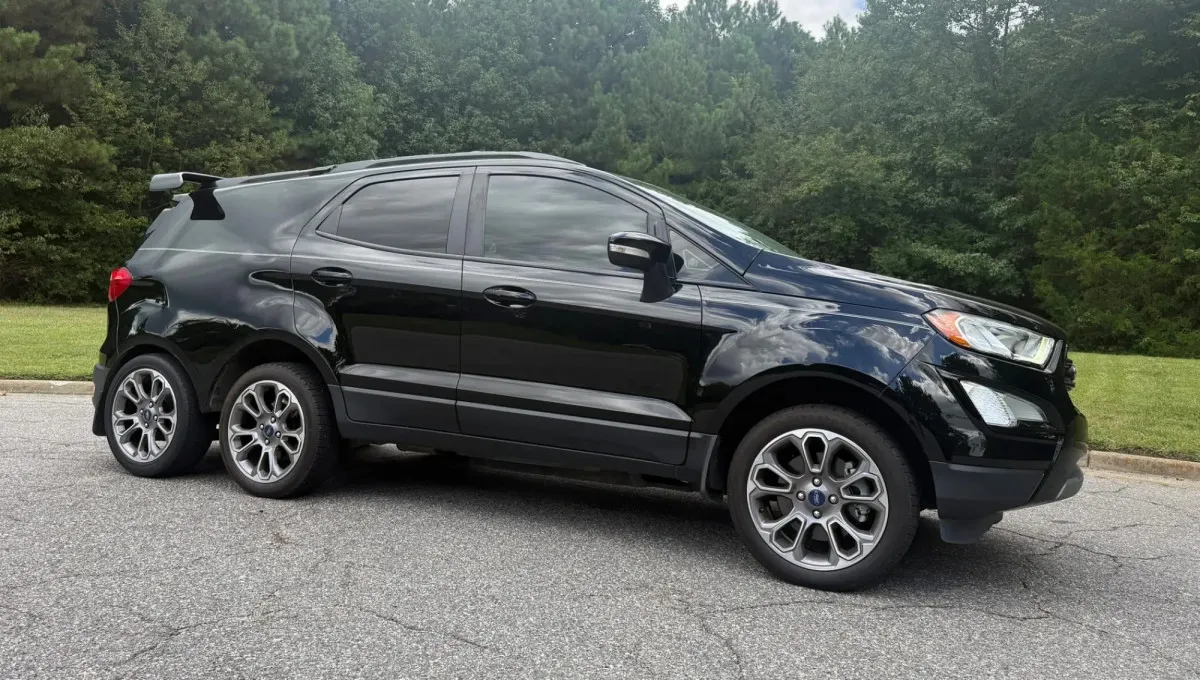
Someone Turned a Ford EcoSport Into a Six-Wheeled SUV — And It's Selling for Just $7,000
An extremely unusual six-wheeled conversion of Ford’s compact crossover has landed on the Bring a Trailer auction block.
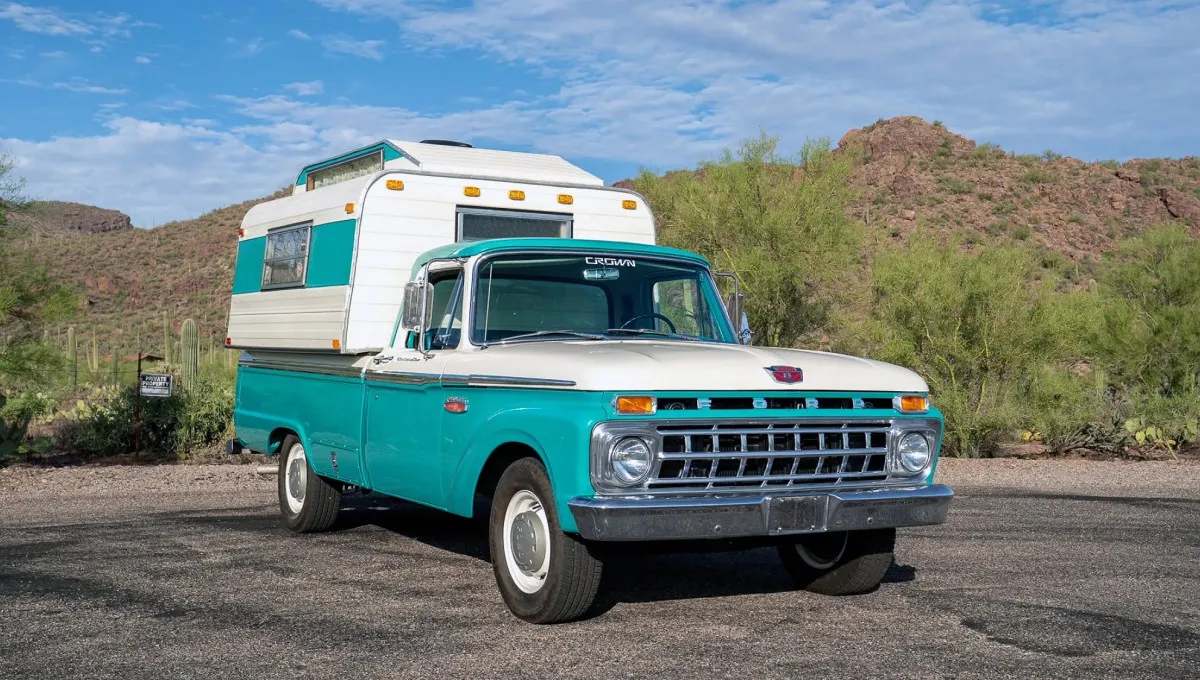
This 1965 Ford F-250 With a Mitchell & Sons Camper Is a Charming Retro Travel Companion
The 1965 Ford F-250 and Mitchell & Sons camper share colors, period styling, and compatibility.