
Lincoln Continental Mark IV: The Last Era of American Excess (1972–1976)
Few two-door cars of the 1970s could match the Lincoln Continental Mark IV for luxury and comfort, while its size and ride quality were in a class of their own.
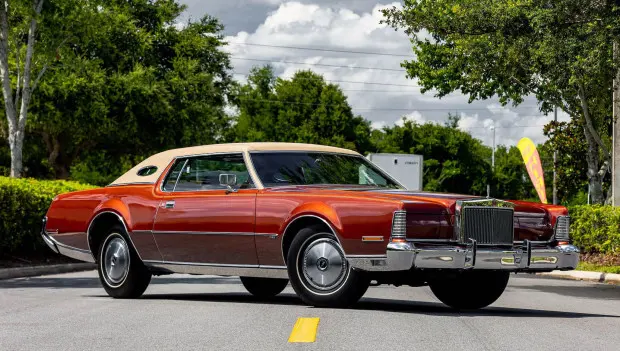
Few two-door cars of the 1970s could match the Lincoln Continental Mark IV for luxury and comfort, and when it came to size and ride quality, it had no equal. It was a turbulent era. The fuel crisis and stricter emissions regulations forced American automakers to shrink both vehicle dimensions and engine displacement, but the Mark IV broke the mold. Despite averaging about 7.8 mpg, offering modest performance, and handling like an aircraft carrier, it became one of the best-selling models in Lincoln history because it perfectly matched its target audience—people who paid little attention to economic crises.
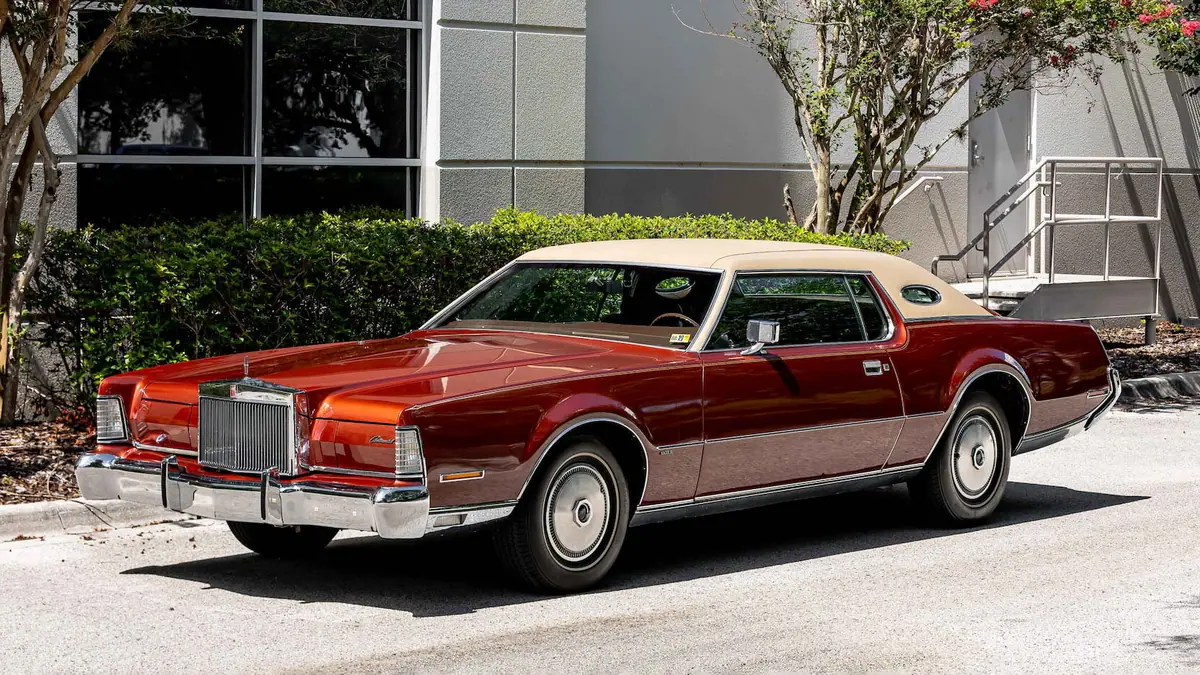
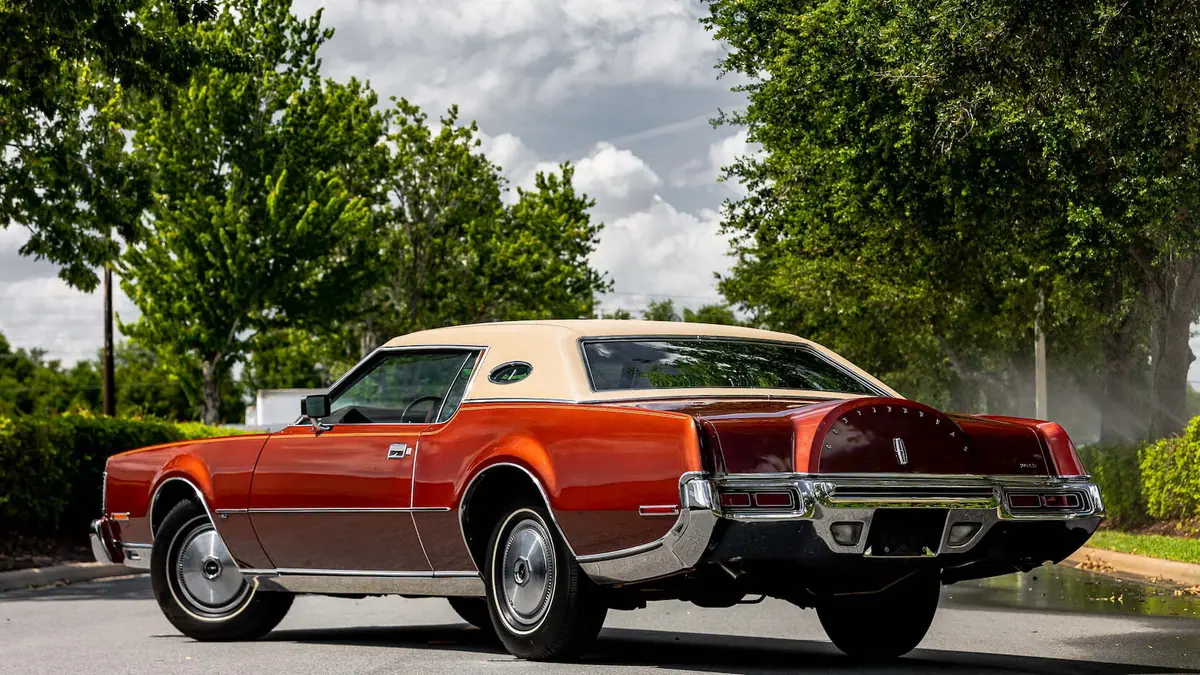
The Mark IV surpassed its predecessor in size, becoming even more comfortable inside and more imposing on the outside. It was on the Mark III that Ford Corporation executive Lee Iacocca decided to introduce a Rolls-Royce-inspired grille to further emphasize the car's Personal Luxury image. That distinctive grille, along with the dual round headlights recessed behind metal covers—no plastic, only real materials—was retained, as was the rear styling designed to resemble a spare tire. Oval opera windows appeared in the vinyl-covered C-pillars, just as they had on earlier Ford Thunderbirds, with which the Mark IV shared suspension components from the current generation. Even the new federally mandated American bumpers, designed to withstand a 5-mph impact and blamed for ruining the styling of countless vehicles, including European models built for the U.S. market, fit the Mark IV's design surprisingly well.
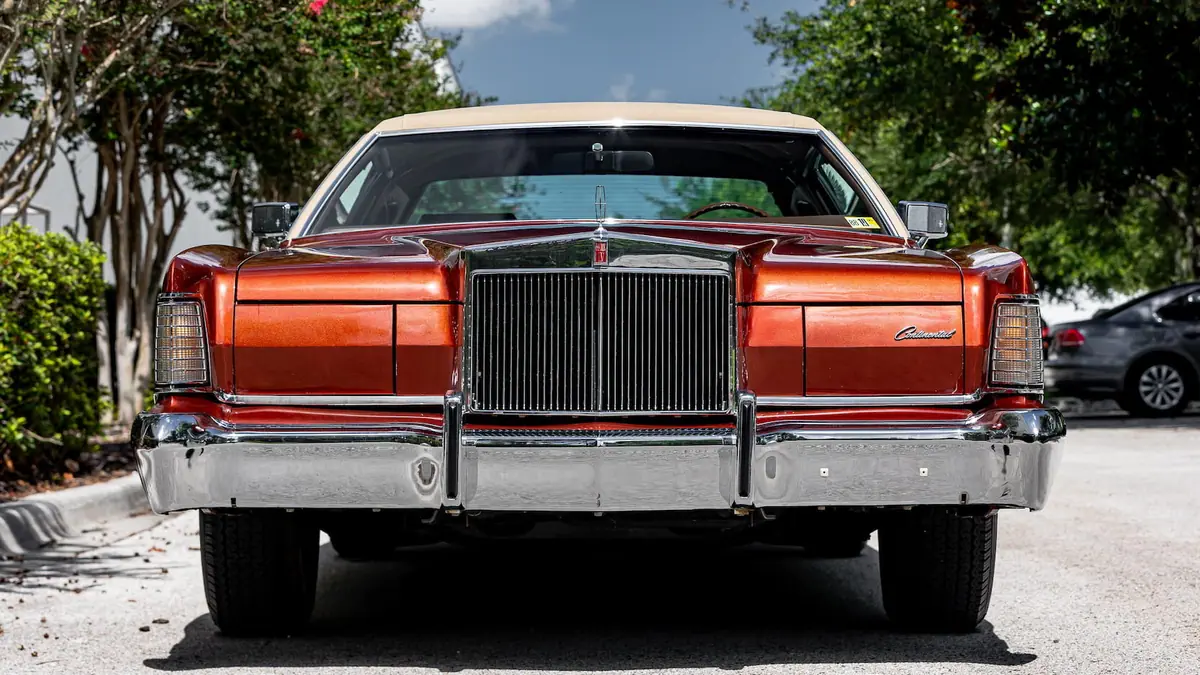
The suspension and 460-cubic-inch V8 carried over from the Mark III, but engine output was reduced to 212 horsepower. Compared with the predecessor's 365 horsepower, the cut seemed almost insulting, yet the massive Mark IV still managed to get down the road. Then again, where was the owner of an expensive premium Lincoln really in such a hurry to go? It may not have been the legendary Cadillac, but it was still a Lincoln.
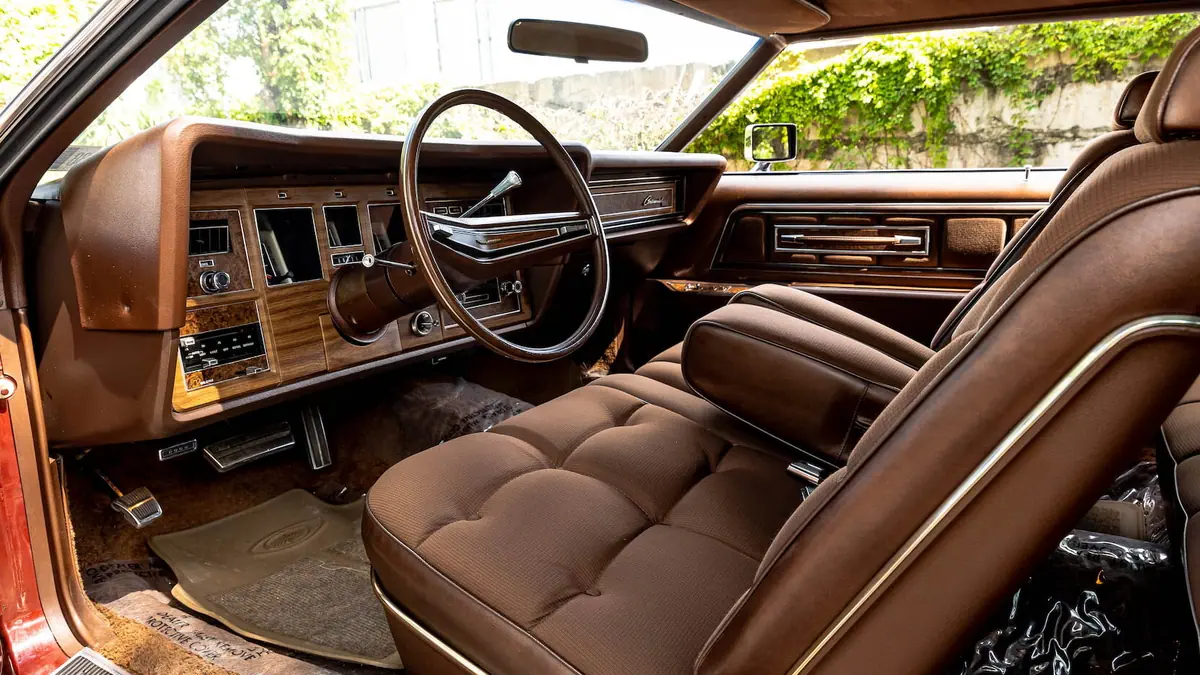
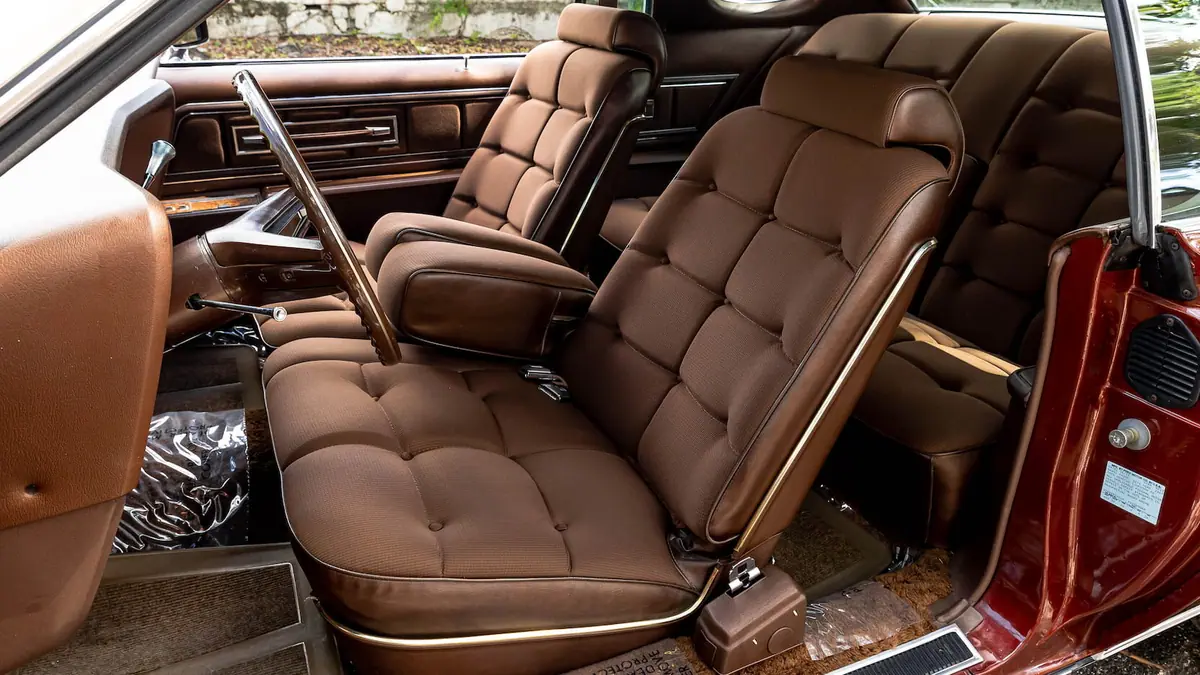
Inside, the cabin featured high-quality materials, genuine wood trim, luxurious velour upholstery—leather had not yet become the premium material of choice—air conditioning, and every other modern convenience. It was an outstanding interior in which to grow old in comfort. Toward the end of production in the mid-1970s, exclusive Designer Series models were offered with gold-plated dashboard trim and the owner's name engraved on the interior. Apparently, some customers had already reached the age when they could start practicing seeing their name engraved on something. With two dates underneath...
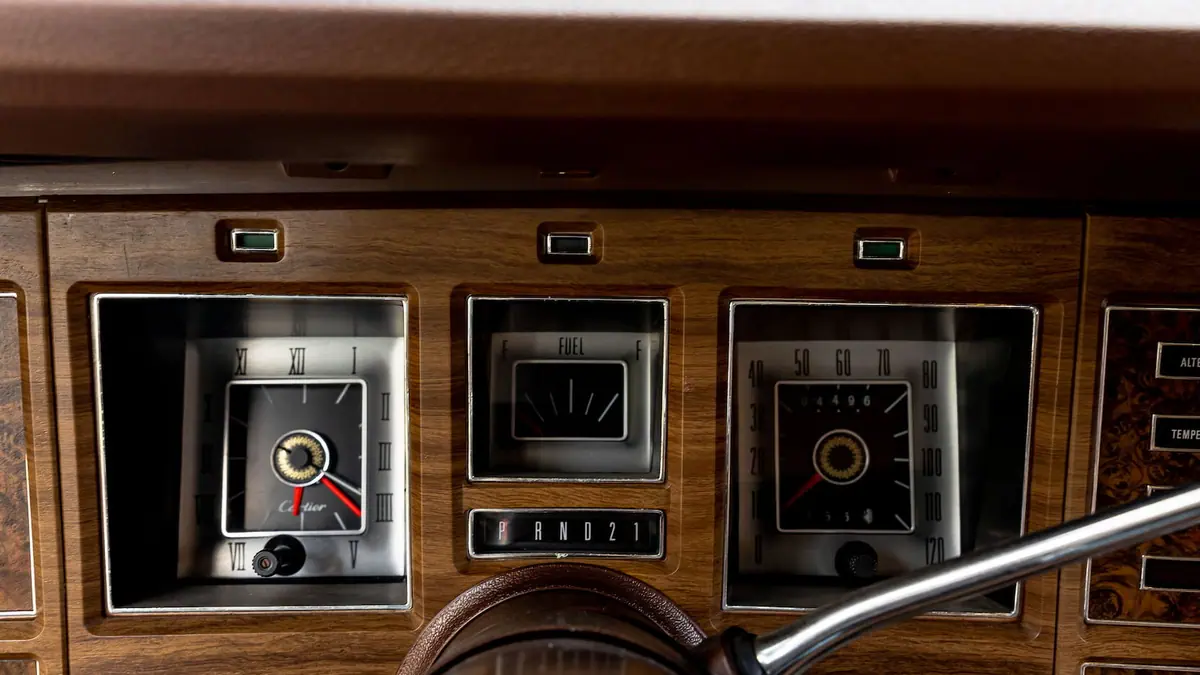
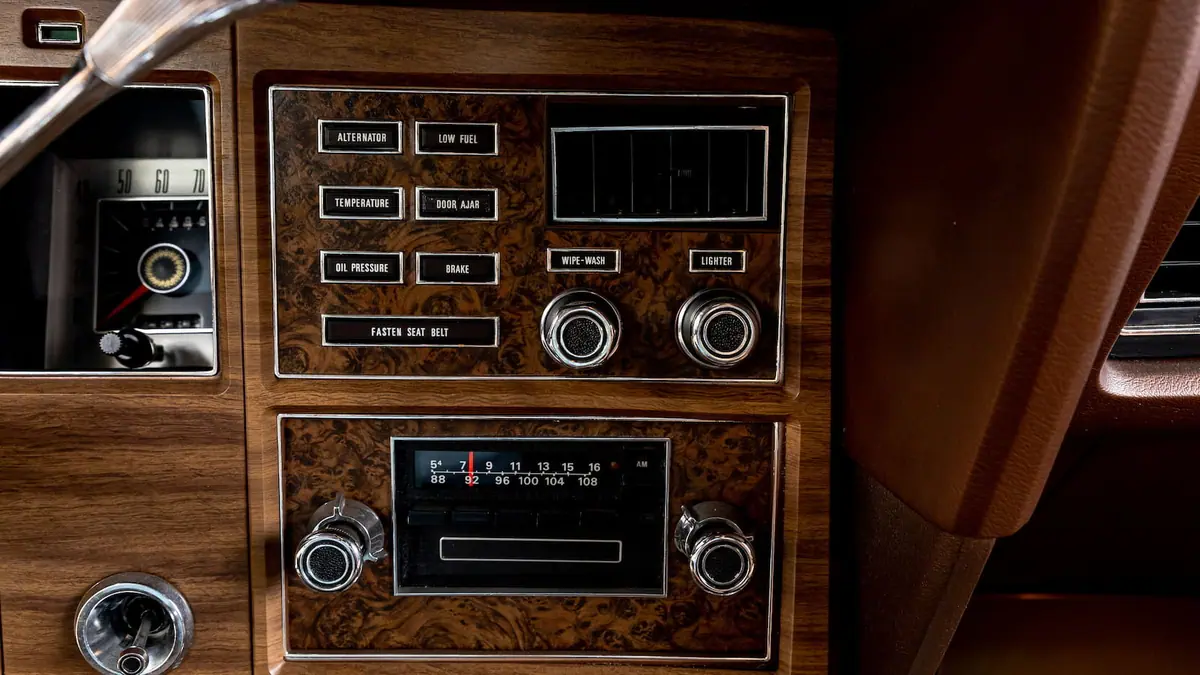
Overall, the Continental Mark IV is a perfect illustration of the American Dream. Expensive, exceptionally comfortable, and unapologetically luxurious. In today's more tolerant era, cars like this are no longer acceptable to most people in the world's most democratic country, and the American Dream itself has changed since then.
You may also be interested in the news:
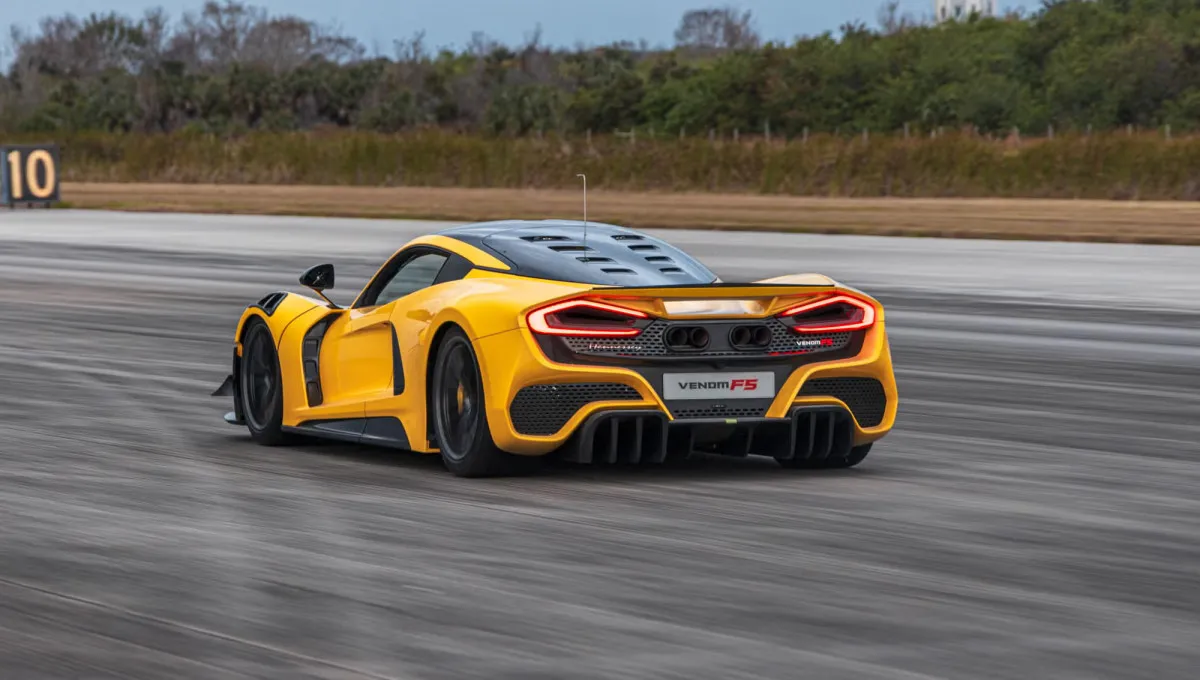
Experts Name the Two Most Powerful Production Sports Cars in the U.S.
American sports cars continue to impress with their horsepower, speed and innovative engineering, with two models standing above the rest.
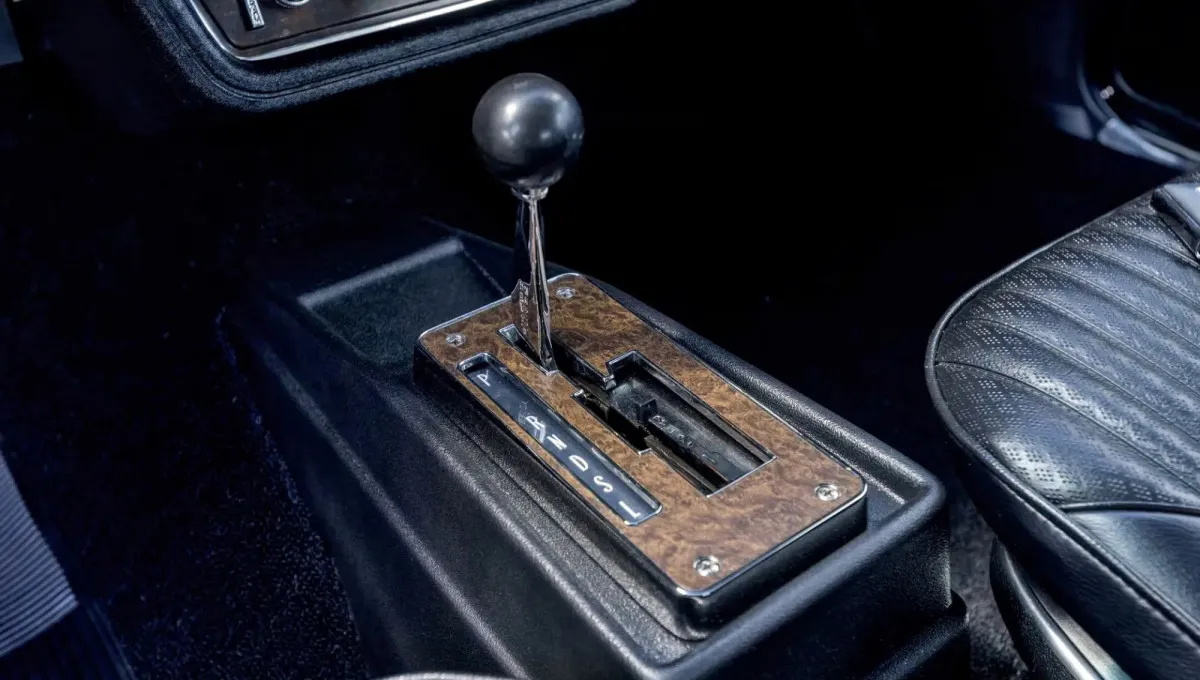
How Oldsmobile Invented a Manual Gearbox for an Automatic
Long before paddle shifters and electronic driving modes, Oldsmobile found a clever mechanical way to let drivers shift an automatic transmission themselves.
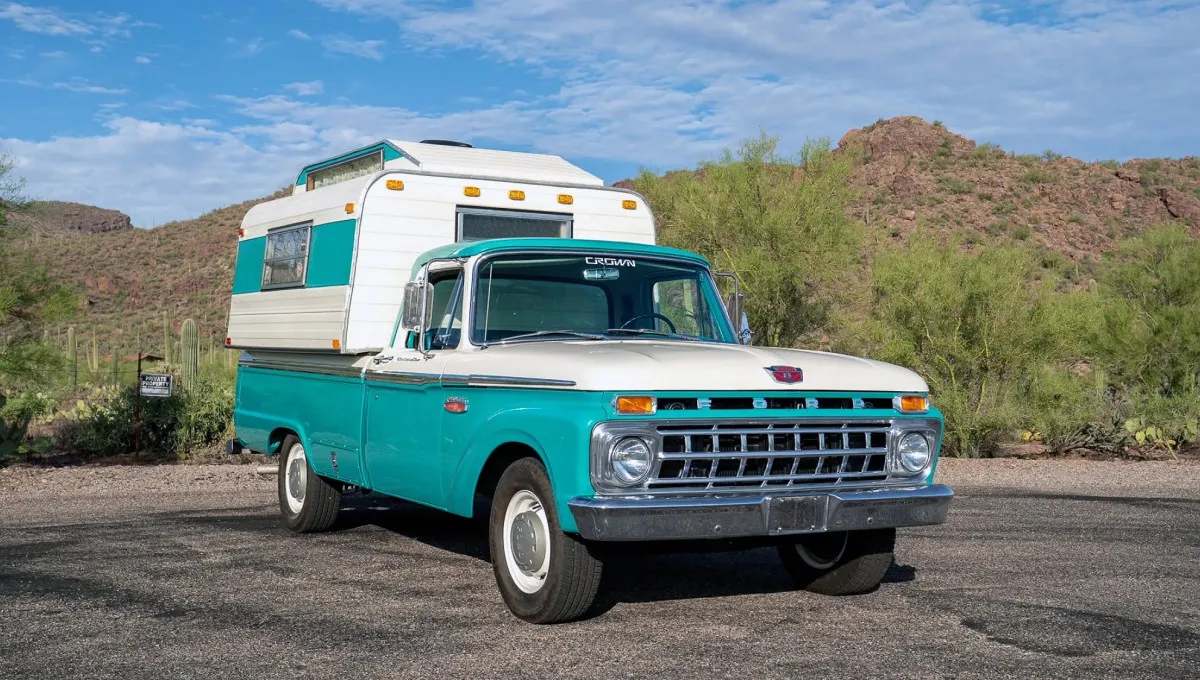
This 1965 Ford F-250 With a Mitchell & Sons Camper Is a Charming Retro Travel Companion
The 1965 Ford F-250 and Mitchell & Sons camper share colors, period styling, and compatibility.
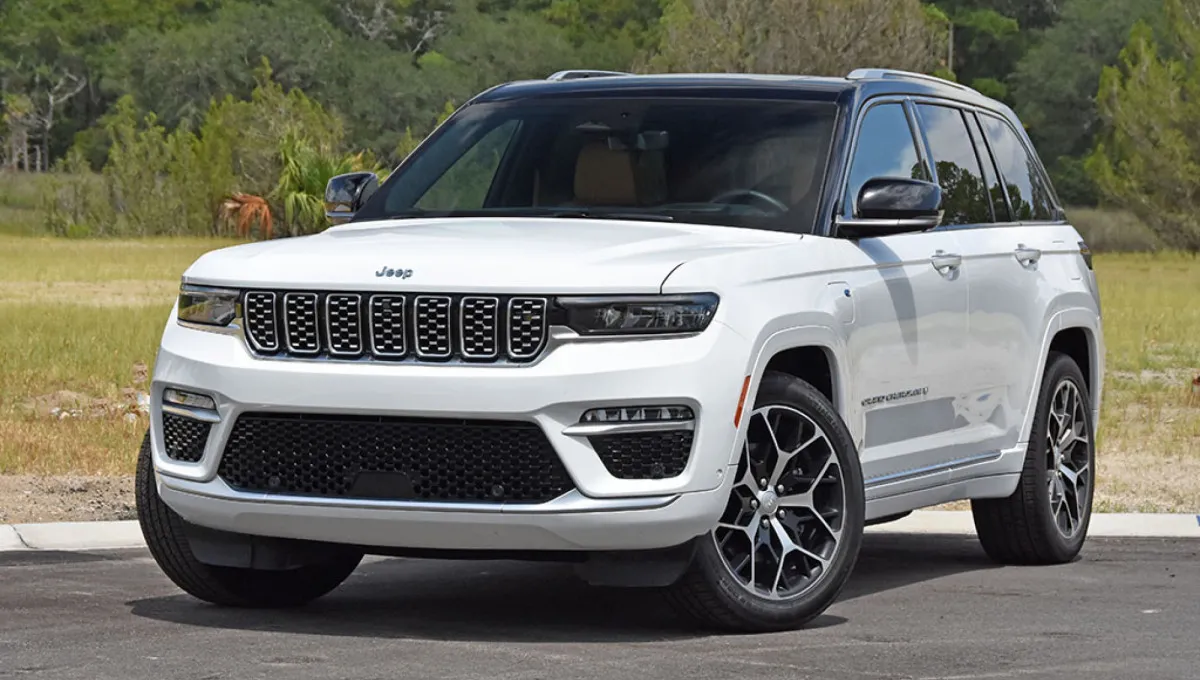
328,000 Jeep Grand Cherokees Recalled Over a Hidden Crash Risk — Owners Should Act Now
Chrysler is recalling more than 328,000 Jeep Grand Cherokees over a rear coil spring problem that could increase the risk of a crash.
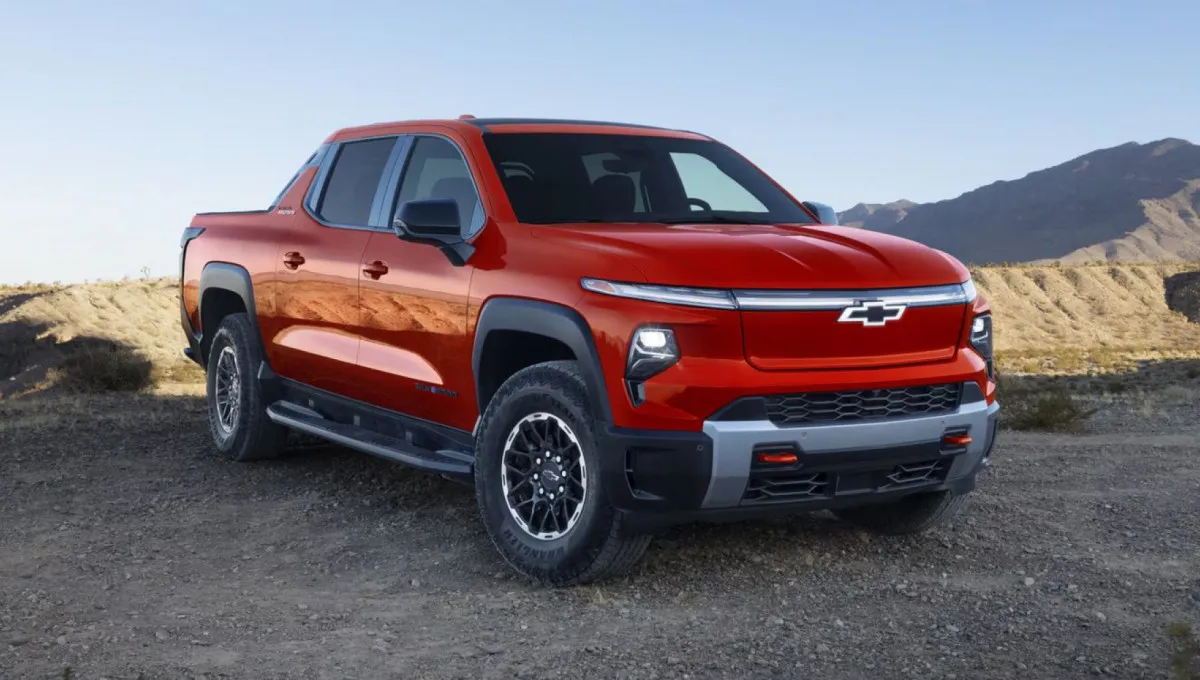
Chevrolet Raises Prices on 2027 Silverado EV and Cuts the Lineup
Chevrolet raises 2027 Silverado EV prices and cuts two trims amid weak electric-pickup demand in the market.