
Iron Character of America: The Complete History of the Dodge Ramcharger
In the early 1970s, as the era of classic muscle cars was fading, rugged pickups and SUVs took center stage.
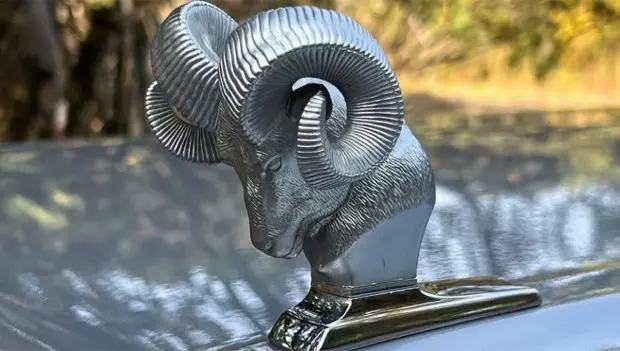
In the early 1970s, as classic muscle cars were nearing the end of their golden age, the spotlight shifted to tough pickups and SUVs. In 1974, right in the middle of that transition, Dodge challenged the market by introducing the full-size Ramcharger—a direct rival to the Ford Bronco and Chevrolet Blazer. With its aggressive styling, removable top, and powerful engines, it quickly found its audience. Underneath was a heavy-duty body-on-frame platform shared with Dodge D-Series and RAM pickups, immediately signaling its utilitarian, workhorse character and impressive durability.
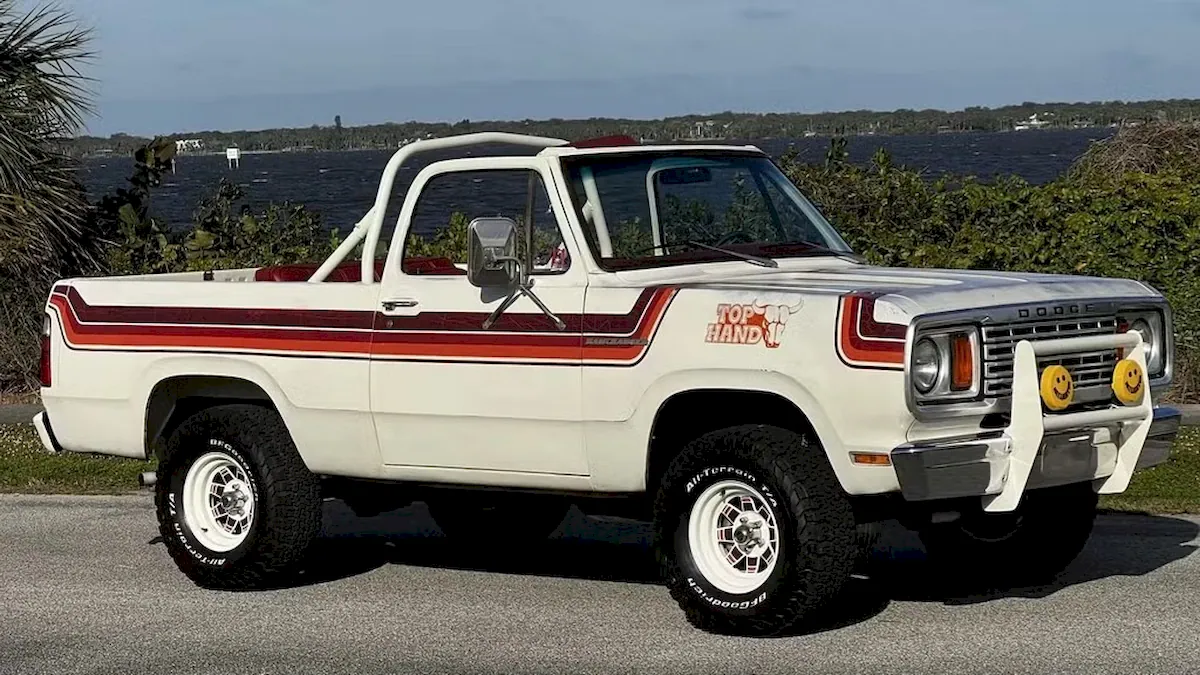
After going through several transformations, the Ramcharger name didn’t disappear—it made an unexpected comeback in modern times, albeit in a very different role. Its story is one of roughly three decades spent fighting for relevance. Let’s trace the full journey of this iconic model.
First Generation (1974–1980): The Original With Attitude
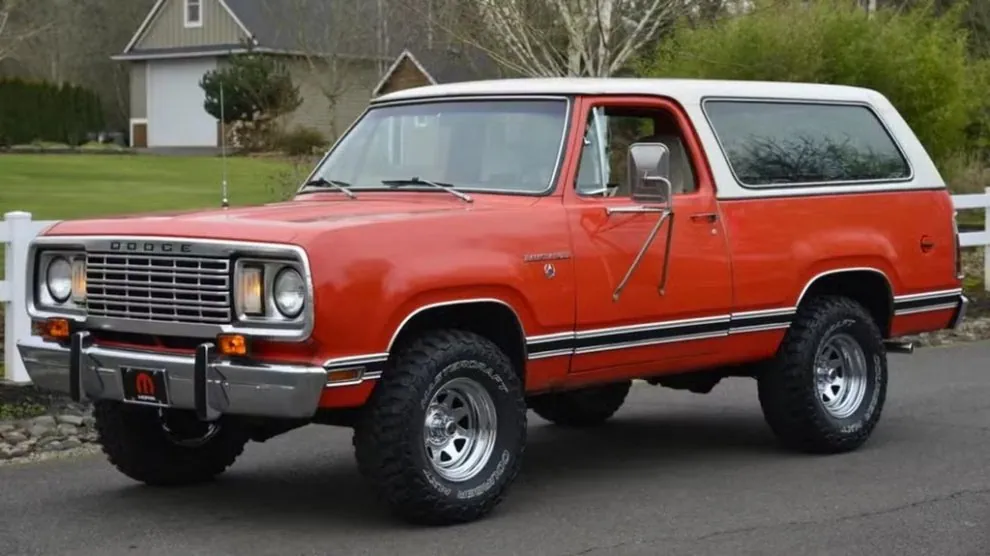
The first Ramcharger, along with its twin, the Plymouth Trail Duster, was built on the full-size Dodge Ram pickup platform. The wheelbase was shortened by about 9 inches, and initially the SUV was offered only with four-wheel drive. The legendary, nearly “bulletproof” 3.7-liter inline-six served as the base engine, producing around 100–105 horsepower, while the performance peak came from a monstrous 7.2-liter V8 rated at 220 horsepower. By 1975, a rear-wheel-drive version was added to meet customer demand.
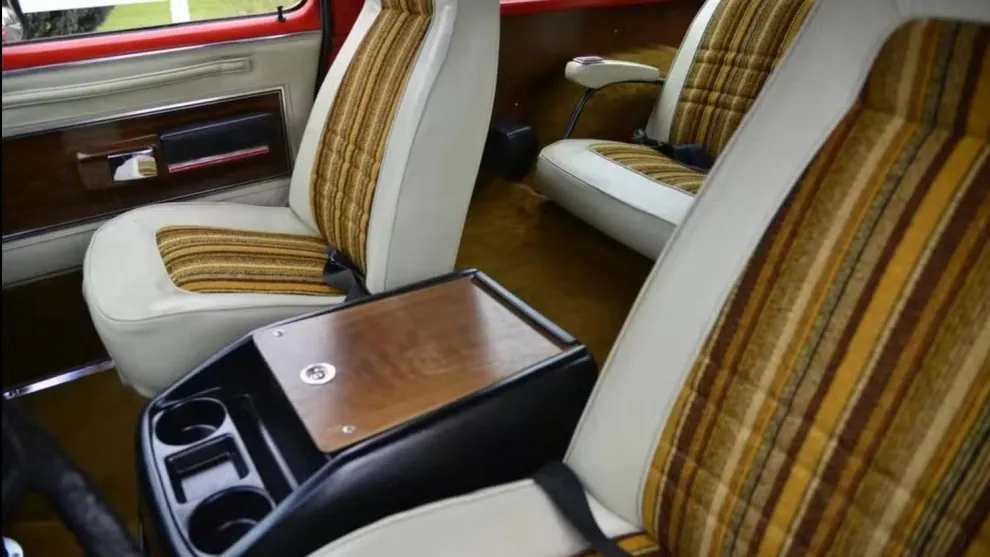
Early models used the NP203 transfer case with full-time four-wheel drive, which caused some issues with front hub bearings. By 1980, it was replaced with the more refined NP208. Interestingly, the model was originally developed under the name Dodge Rhino, a title that perfectly captured its tough personality. The Ramcharger quickly proved its capability, taking first place at the 1975 Sno*Drift Rally. Its market twin, the Plymouth Trail Duster, remained in production through 1981. Today, special editions like the Macho or Top Hand are rare, as the Ramcharger never matched the sales volumes of its Ford and Chevrolet rivals.
Second Generation (1981–1993): Evolution and the Final Bow
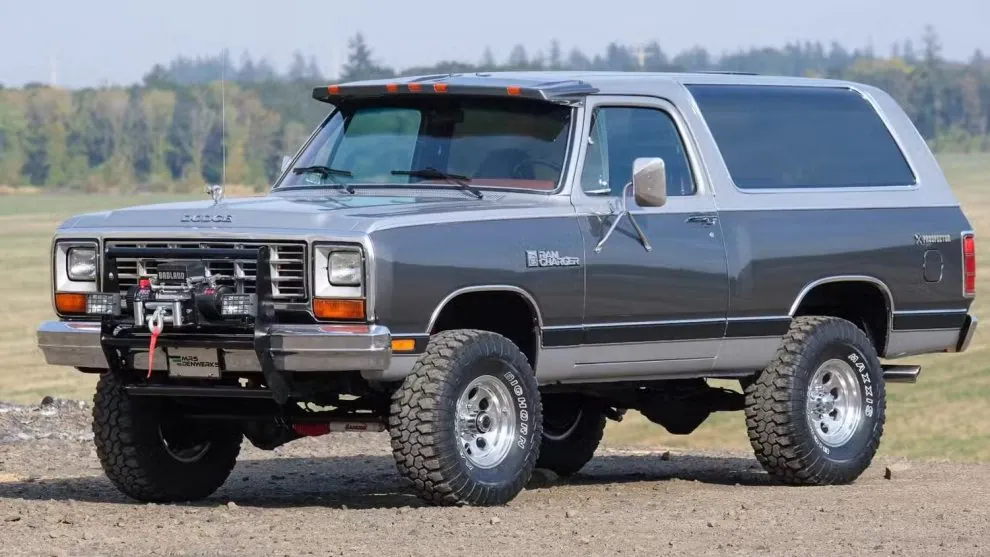
In 1981, the Ramcharger was refreshed with a new grille and square headlights. The underpowered inline-six was dropped, while V8 engines remained—specifically 5.2- and 5.9-liter units producing 318 and 320 horsepower, respectively. Due to updated safety requirements, the removable top was discontinued. Trim levels included Base, Royal SE, and LE/Royal LE.
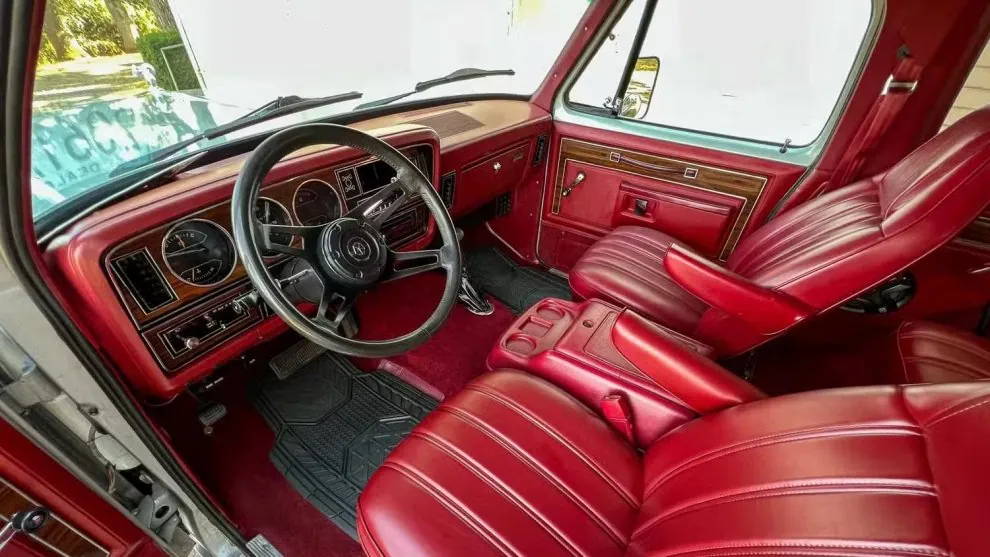
Another facelift arrived in 1986, bringing the signature crosshair-style grille. The most important updates, however, happened under the hood. In the late 1980s, Dodge switched from a mechanical clutch linkage to a more user-friendly hydraulic system. In 1989, the 5.9-liter V8 finally received fuel injection, and for 1992–1993, the Magnum 318 with multi-point fuel injection was introduced.
At roughly 15.4 feet long and weighing close to two tons, this generation delivered a classic American driving experience—relaxed, torquey, and dependable. But the era of large two-door SUVs was coming to an end. As four-door models like the Ford Explorer surged in popularity, the Ramcharger was left behind. Production ended in 1993.
Third Generation (1999–2001): The Mexican Surprise
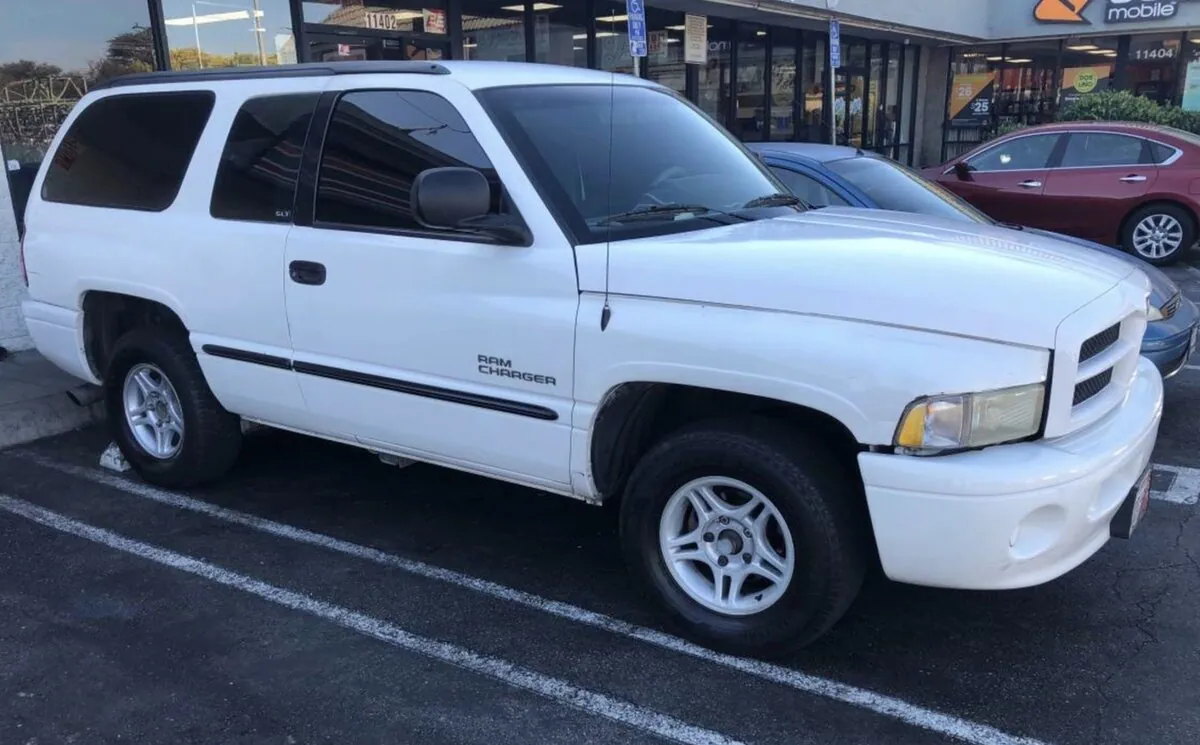
Six years later, the Ramcharger name returned—but only in Mexico. Built on the second-generation RAM pickup platform, this version was offered exclusively with four-wheel drive and familiar 5.2- and 5.9-liter V8 engines. Despite respectable trim levels such as ST, SLT, and Sport, the tough “outsider” had a short run. From 1999 to 2001, only about 30,000 units were produced. Demand had clearly shifted toward four-door SUVs, and two-door models became increasingly rare outside Latin America.
Modern Era: An Electric Reincarnation
In 2023, Stellantis revived the legendary name once again—but in an entirely new form. The Ramcharger returned as a hybrid, more precisely an extended-range electric vehicle based on the RAM 1500. The wheels were driven exclusively by electric motors producing a combined 663 horsepower, while a 3.6-liter Pentastar V6 gasoline engine acted solely as a generator to recharge the battery.
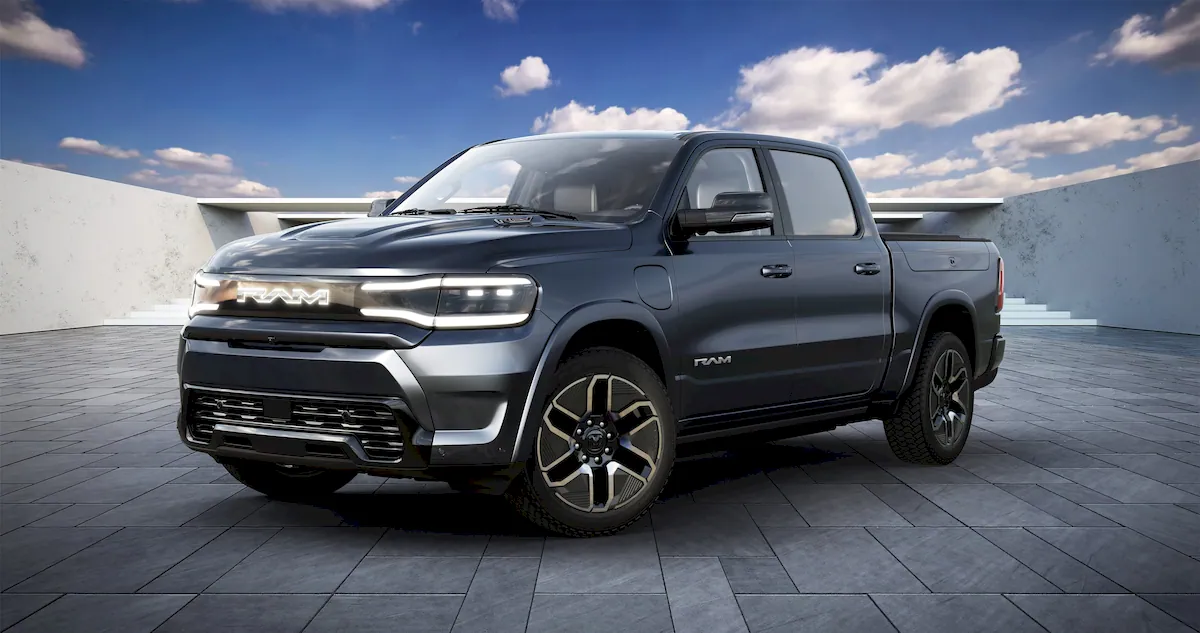
This setup promised a remarkable driving range of up to 680 miles. However, in the fall of 2025, plans changed and the Ramcharger concept was reworked. The vehicle was ultimately introduced as the RAM 1500 REV, leaving the historic name behind. In that sense, today’s “Ramcharger” became a technological bridge between classic American power and an electric future—without direct lineage.
In the end, the Dodge Ramcharger traveled a remarkable path—from a gasoline-powered brute of the 1970s to an innovative electric truck concept. It was never the best-seller, but it was always charismatic and instantly recognizable. Its story mirrors the evolution of automotive tastes: from raw simplicity and power, to practicality, and eventually to high technology. Even today, the name still sparks strong associations—whether with a classic American SUV or a bold look toward the future.
You may also be interested in the news:
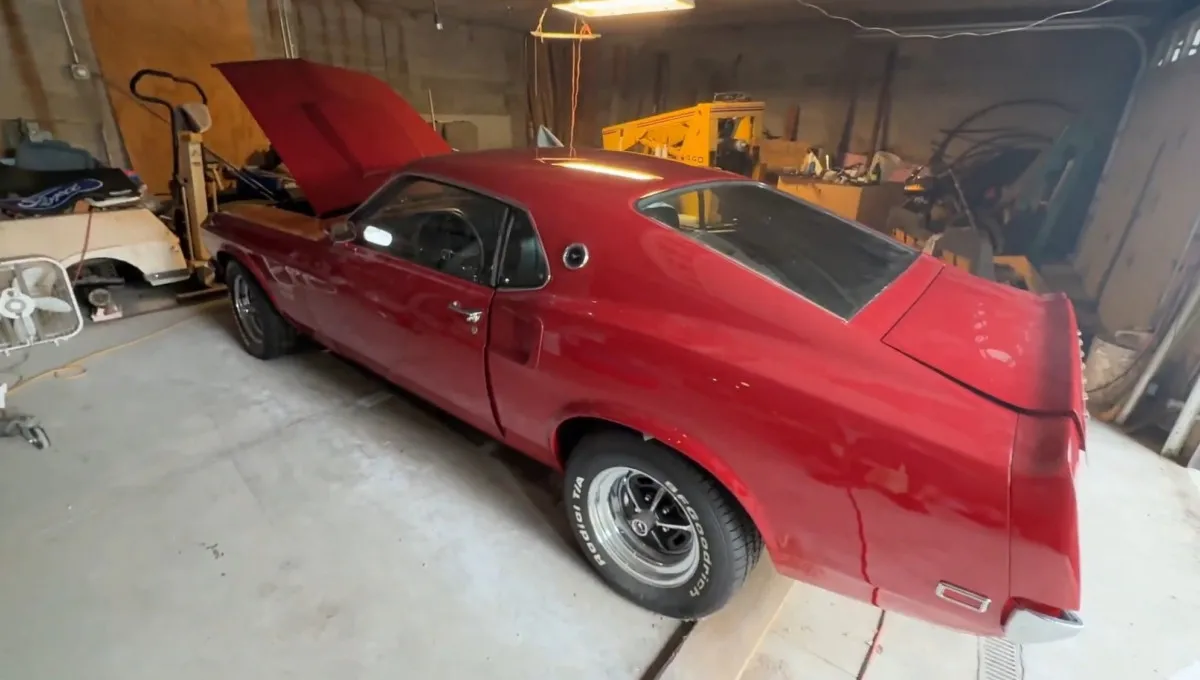
Late Owner’s 1969 Ford Mustang Boss 429 Sat Hidden in a Wisconsin Garage for Years
A rare 1969 Boss 429 emerged from a Wisconsin garage after years hidden beneath a dusty cover.

He Bought Seven 2007 Chryslers in the Exact Same Color — Then People Started Asking Why
Every model is different, yet together they represent Chrysler’s entire 2007 lineup in one unusual collection.
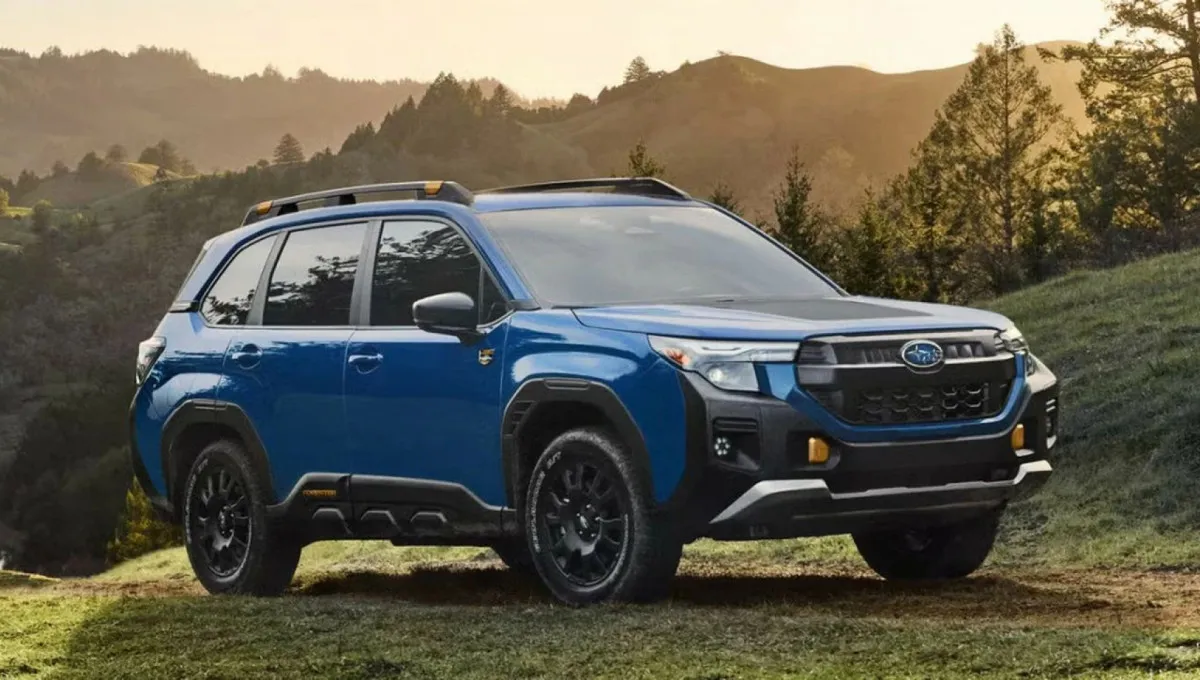
2027 Subaru Forester Debuts in the U.S. With Revised Lineup and More Hybrid Options
Subaru has revised the 2027 Forester lineup for America, dropping slower-selling trims while expanding hybrid availability.

Why Stainless-Steel Bodies Never Replaced Conventional Steel in Mass-Market Cars
Stainless-steel bodies resist corrosion, but cost, manufacturing challenges, and styling constraints keep automakers using steel.
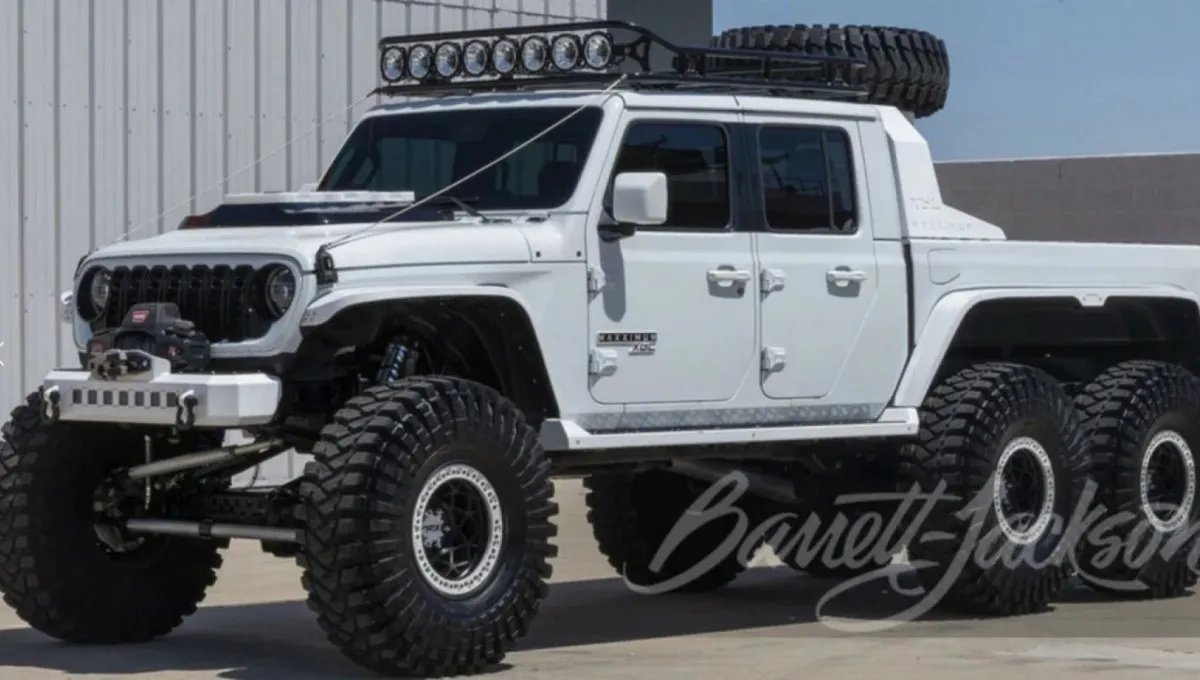
This One-of-a-Kind Jeep Gladiator Has 6 Wheels, 42-Inch Tires and a $184,900 Price Tag
The extreme six-wheel-drive Jeep Gladiator Maximus 6x6, built as a one-off, is now headed to a U.S. auction.