
Why Stainless Steel Never Became the Go-To Material for Modern Car Bodies
Stainless steel sounds perfect on paper — so why don’t automakers use it? The reasons are more surprising than you might expect.
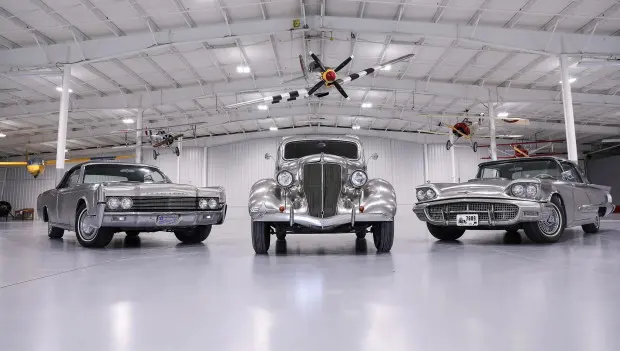
At first glance, stainless steel seems like the ideal material for a car body. It’s strong, corrosion-resistant, and barely ages over time. So why hasn’t it become the industry standard? The short answer: real-world manufacturing tells a very different story.
Many car enthusiasts have asked the same question over the years. If stainless steel doesn’t rust and holds up so well, wouldn’t it be perfect for vehicles built to last decades? In theory, yes. In practice, the drawbacks quickly outweigh the benefits.
Automakers have experimented with stainless steel before. Back in the 1930s, Ford produced a small batch of cars with stainless steel bodies. Remarkably, many of those vehicles still exist today in excellent condition, proving just how durable the material can be. Despite that success, the idea never caught on at scale.
The biggest obstacle is manufacturing complexity. Stainless steel is significantly harder than conventional automotive steel, which means stamping dies and forming equipment wear out much faster. Tooling costs rise sharply, and production lines require frequent maintenance and replacement parts. Welding and assembly also demand specialized techniques, adding time and expense to the process.
Appearance is another issue. Stainless steel is typically left unpainted, retaining its raw metallic finish. While that may appeal to some buyers, it limits customization and color choice. Polished stainless surfaces also show scratches, fingerprints, and scuffs far more easily than painted panels, quickly dulling the car’s visual appeal.
Repairability presents yet another challenge. Even minor body damage can be costly to fix. Unlike painted steel, which can be sanded and resprayed, stainless steel requires painstaking work to restore a smooth, uniform surface. Small dents often demand precision craftsmanship rather than routine bodywork.
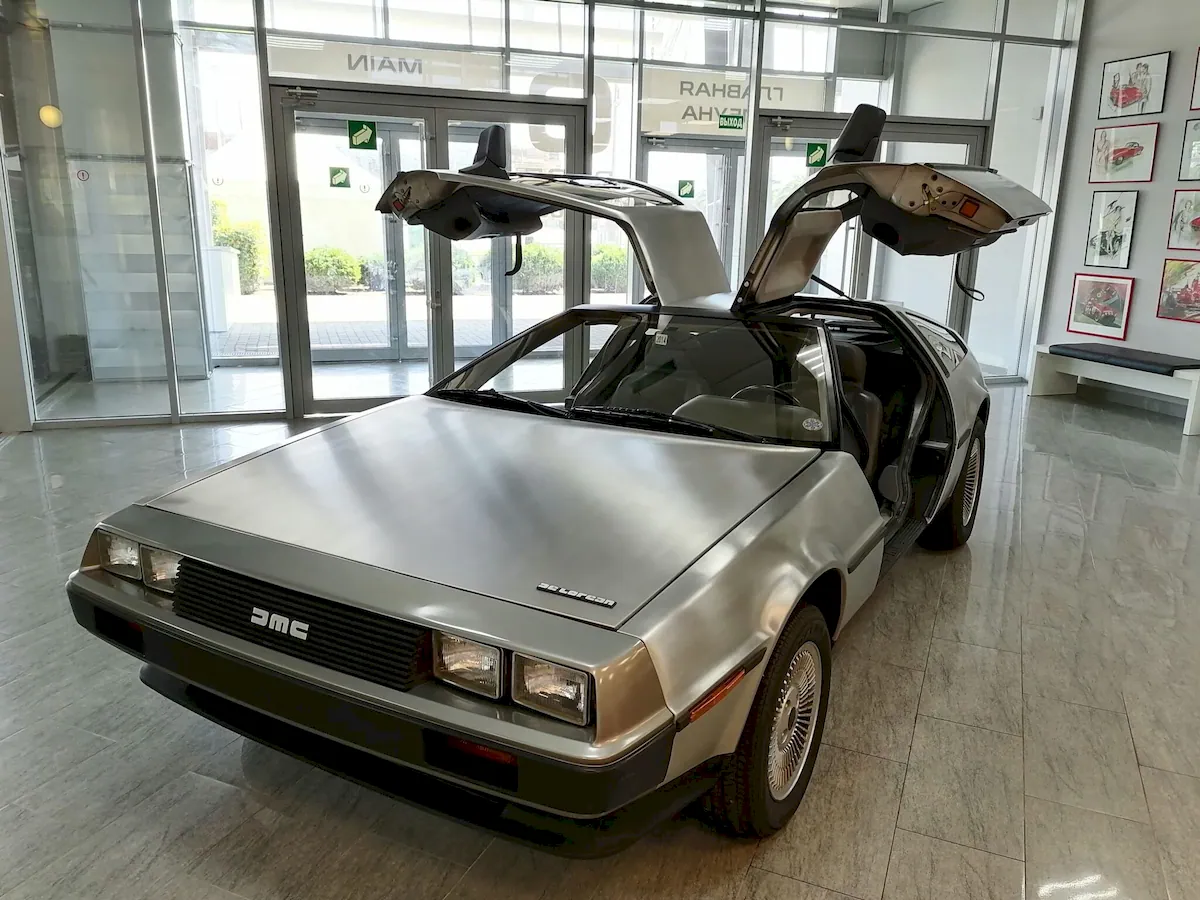
That hasn’t stopped a few bold experiments. The most famous example is the DeLorean DMC-12, immortalized by its role in film history. While iconic, it remained a niche product. High costs, production hurdles, and limited practicality kept stainless steel from ever becoming mainstream.
There’s also a more practical reality at play: most owners replace their vehicles long before rust becomes an issue. By the time corrosion might appear, other components — suspension, interior materials, electronics — have already aged or become obsolete. Automotive technology evolves quickly, and even an indestructible body can’t prevent a car from feeling outdated.
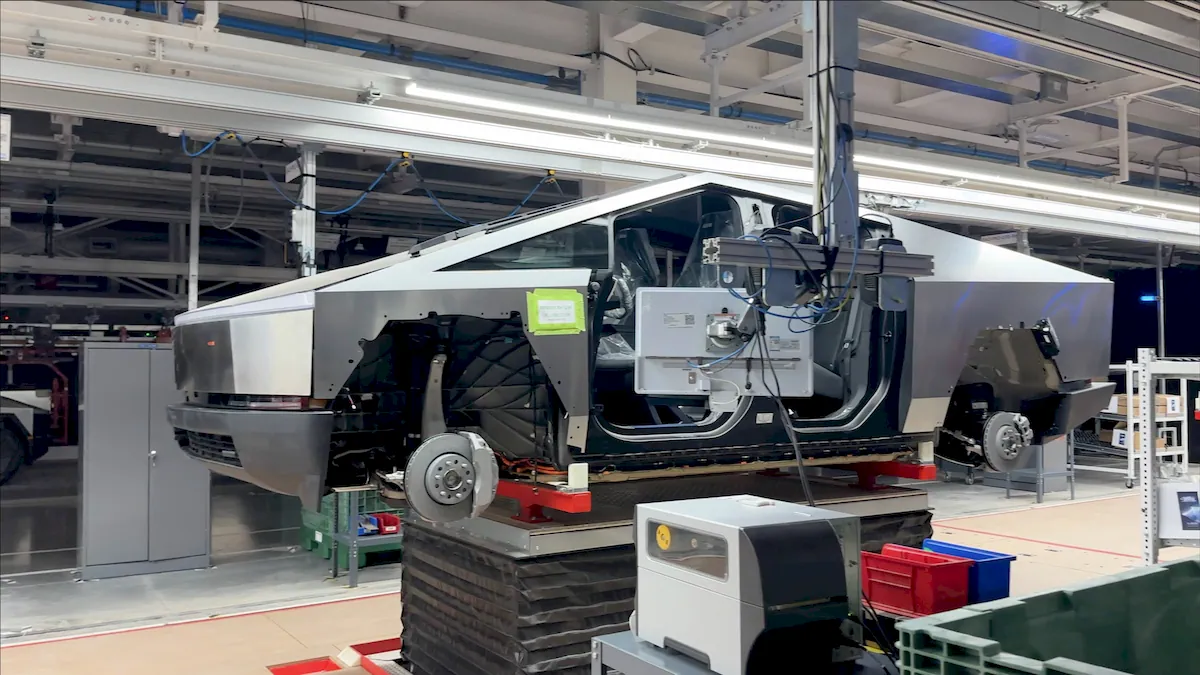
Today, the only mass-produced vehicle with a stainless steel exterior is the Tesla Cybertruck. Tesla’s engineers took a different approach, using flat, angular panels to reduce manufacturing complexity and minimize tool wear. Even so, the Cybertruck remains the exception rather than a new industry trend.
In the end, stainless steel’s strengths are undeniable, but its limitations make it impractical for widespread use. Painted steel continues to offer the best balance of cost, manufacturability, repairability, and design flexibility. As it turns out, a car that lasts forever isn’t something most buyers are actually looking for.
You may also be interested in the news:
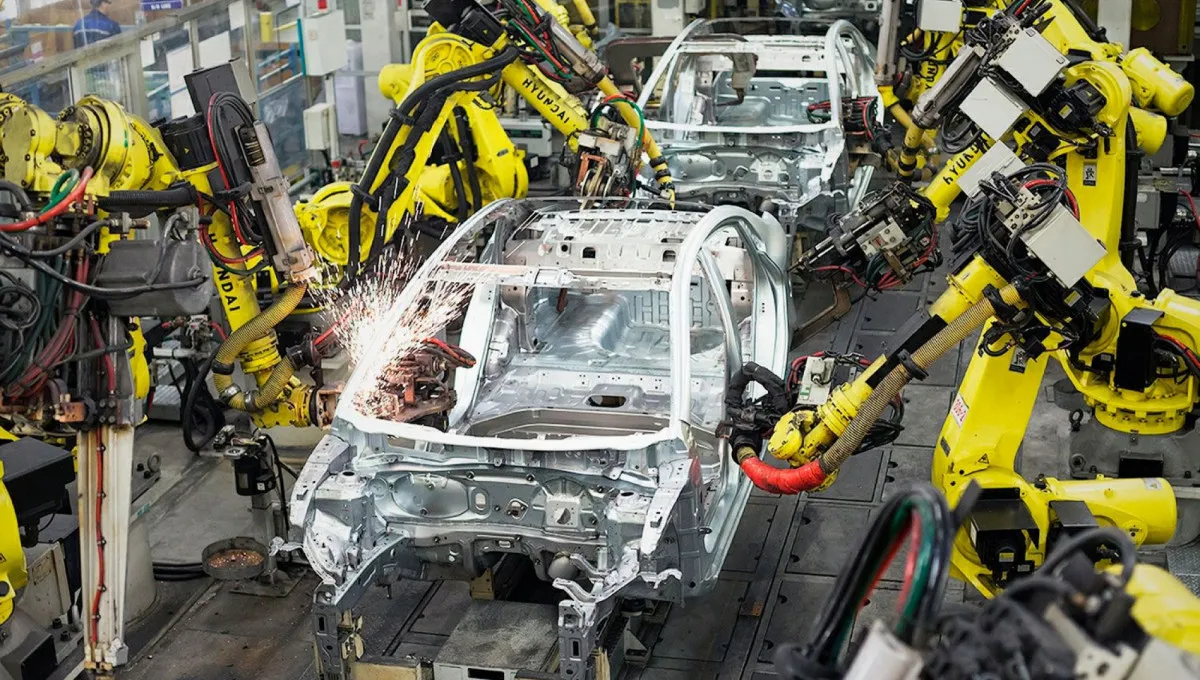
Why Stainless-Steel Bodies Never Replaced Conventional Steel in Mass-Market Cars
Stainless-steel bodies resist corrosion, but cost, manufacturing challenges, and styling constraints keep automakers using steel.

Suzuki Wants to Develop New Cars Twice as Fast—And AI Will Help Make It Happen
Suzuki is planning a major overhaul of vehicle development as it looks to bring new models to market faster.
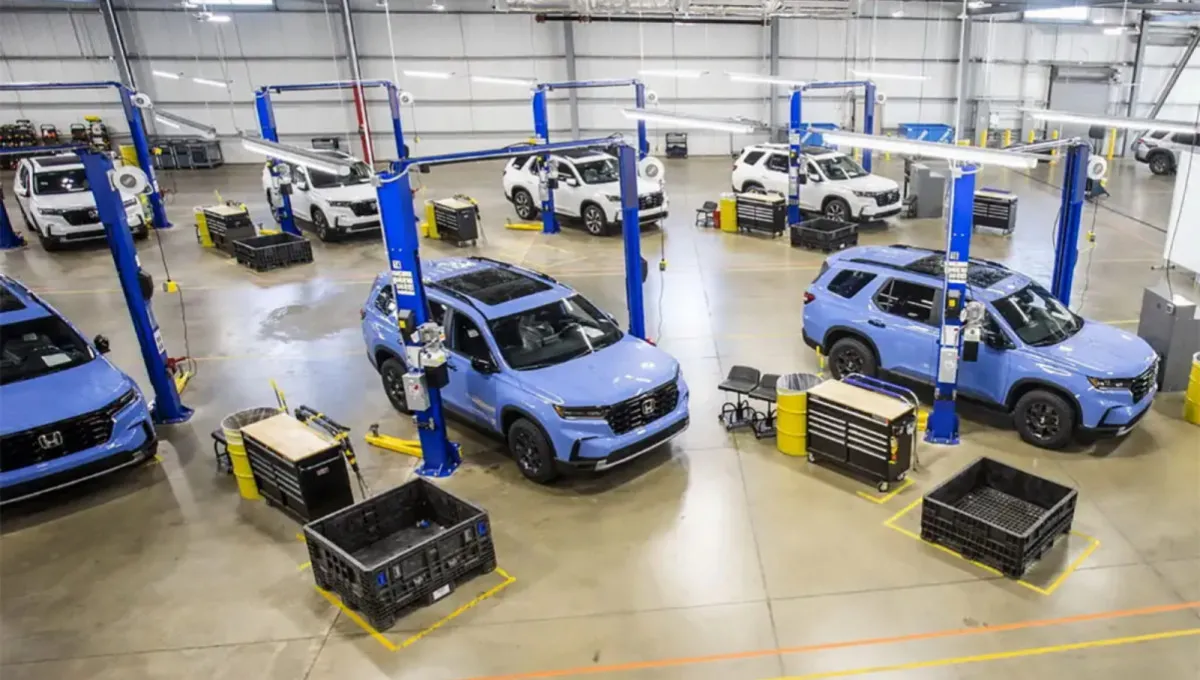
Honda Is Rethinking Its Future SUVs—and a Massive New Ohio Plant Is Coming
Honda is planning a major Ohio expansion as it shifts its future lineup toward larger hybrid SUVs.
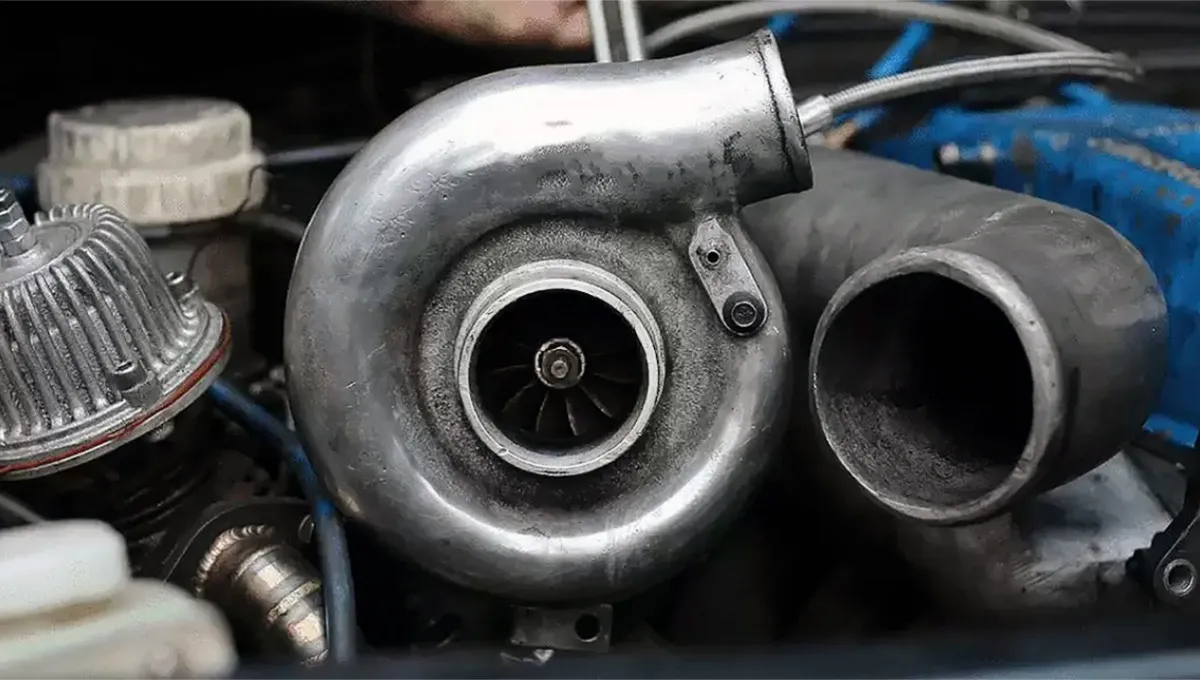
Why Small Turbo Engines Are Replacing Big V8s—and What It Means for Your Next Car
Turbochargers let automakers squeeze big-engine performance from smaller engines—but the technology comes with trade-offs.
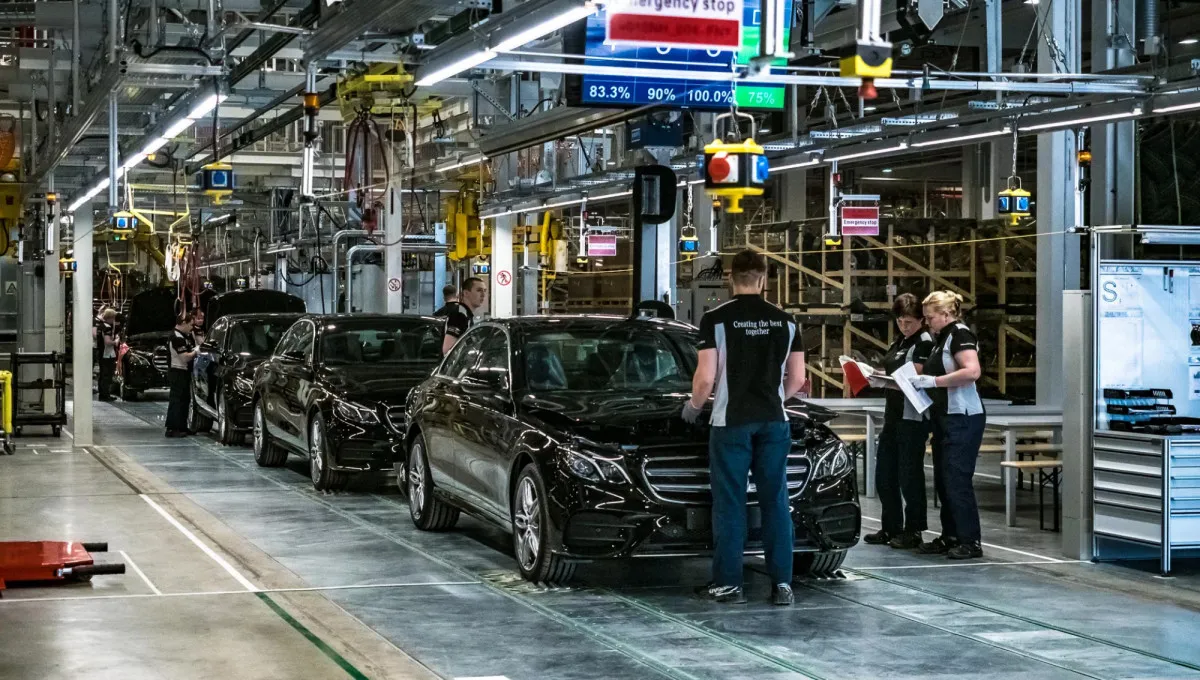
Mercedes-Benz to Close Plants and Cut Wages as Workers Face Layoffs
Mercedes-Benz is preparing to restructure its business, including potential pay cuts, layoffs and even the closure of a factory.