
“Many Drivers Still Don’t Get It”: When to Use the + and – Modes on an Automatic Transmission—and Why They Matter
Most owners of automatic cars have never even tried manual-style shifting.
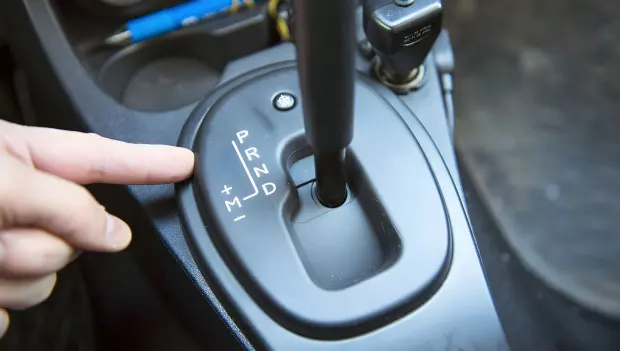
If I had a dollar for every time someone said, “Why would I need manual mode? It’s an automatic,” I’d probably be driving a new RAM or a Ford F-250 by now. Yet it’s true: most drivers with automatic transmissions have never once touched the “manual” + and – functions. And that’s a missed opportunity.
Modern automatics are no longer just smooth, self-thinking gearboxes. They also give drivers the option to step in and take control when needed. What’s more, they do it in a way that’s intuitive enough that even the most traditional driver can feel like a race car pilot—at least for a few minutes on the way to the grocery store.
When manual shifting in automatics first appeared, it was a real breakthrough. Porsche was among the pioneers with its Tiptronic system, a factory automatic that allowed manual gear changes. Today, it’s hard to find a transmission that doesn’t offer some version of manual mode. Knowing when and how to use it, however, is still surprisingly rare.
How manual mode is activated—and why it behaves differently
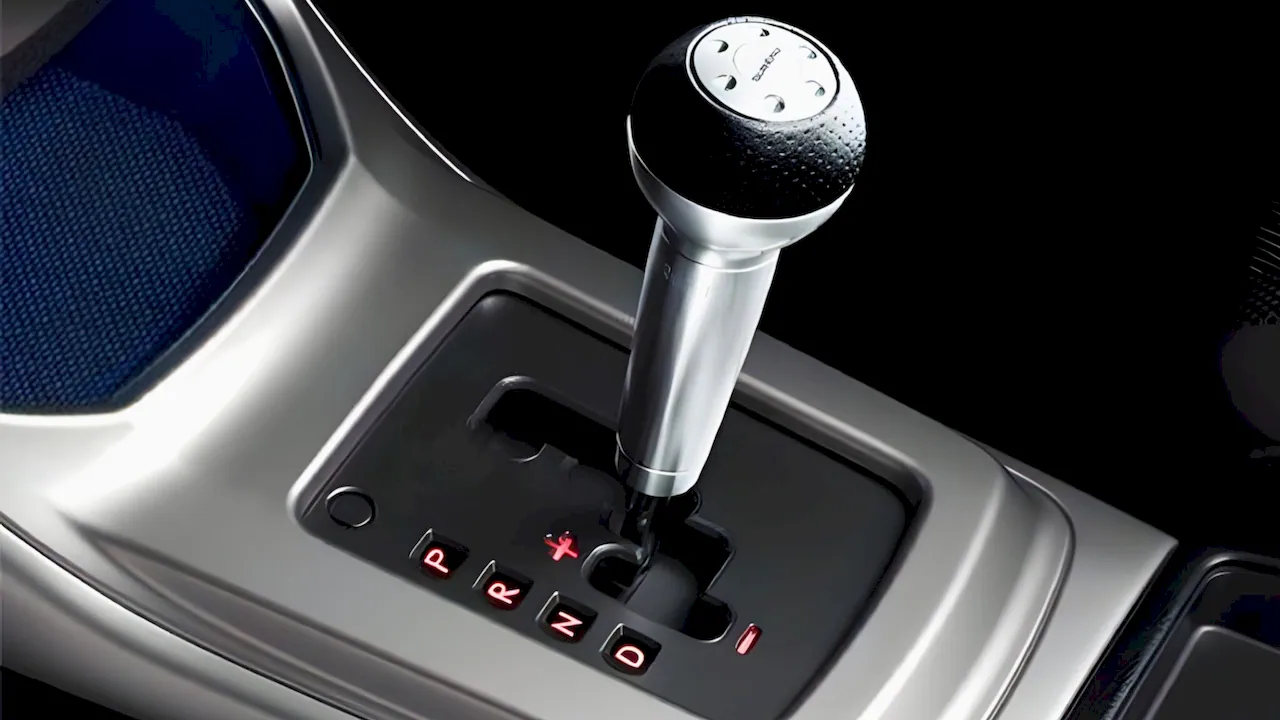
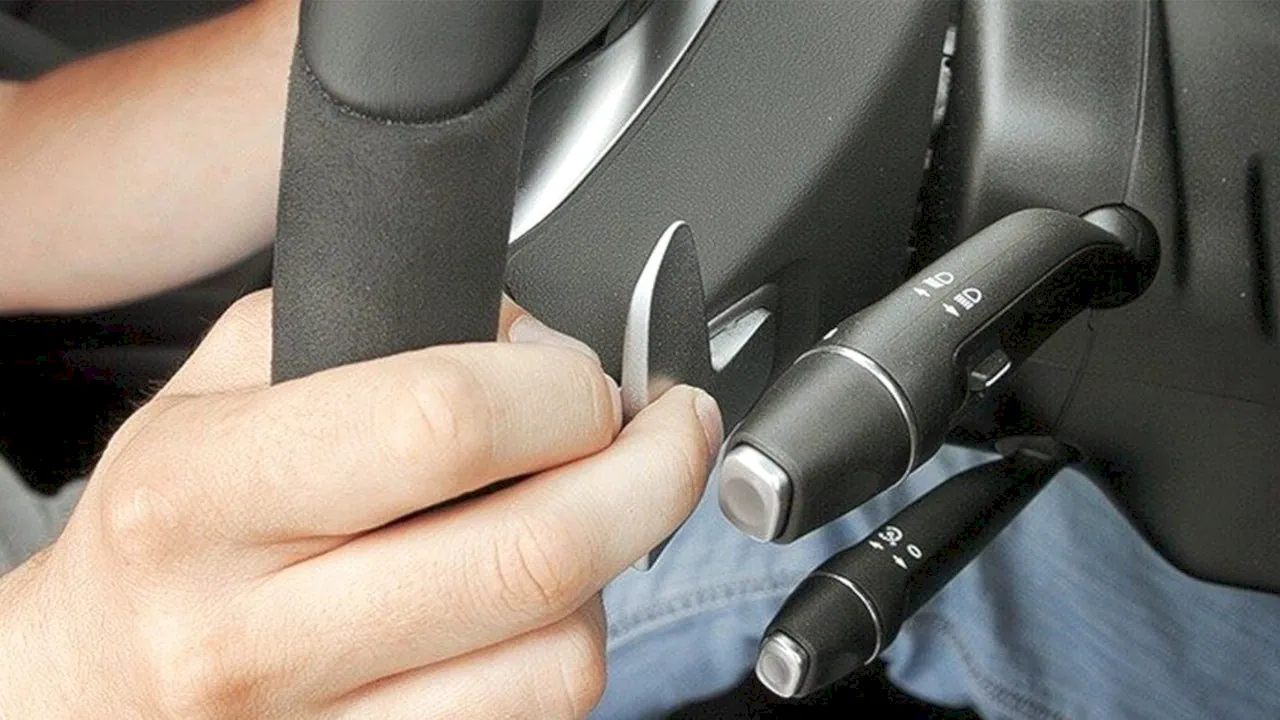
The way manual control works depends on the specific transmission. Some cars have a separate gate on the shifter: move the lever to the side, and you can tap up or down through the gears. Others make it even easier—pull a paddle behind the steering wheel, and the transmission instantly understands that the driver wants control.
Manufacturers usually allow paddle shifting only after the car reaches a certain speed, often around 6 mph. That’s not to frustrate drivers, but to prevent the transmission from operating outside its safe parameters at very low engine speeds.
Automakers tend to treat their transmissions like prized heirlooms. They provide clear guidelines on when manual mode should be used—and for good reason. Modern automatic gearboxes are complex, and they’re designed to be used intelligently.
Hills, descents, and towing: where manual mode shines
Lower gears mean higher engine revs and more torque. That’s why manual mode is invaluable when driving in the mountains or towing a heavy trailer. In these situations, an automatic can start hunting between gears. Manual mode lets you hold the gear you need, keeping power available exactly where it matters.
The same logic applies on downhill stretches. By selecting a lower gear, you get natural engine braking, which helps prevent the brakes from overheating. On long downhill grades, this can make a major difference in safety and brake life.
Winter driving and slippery starts
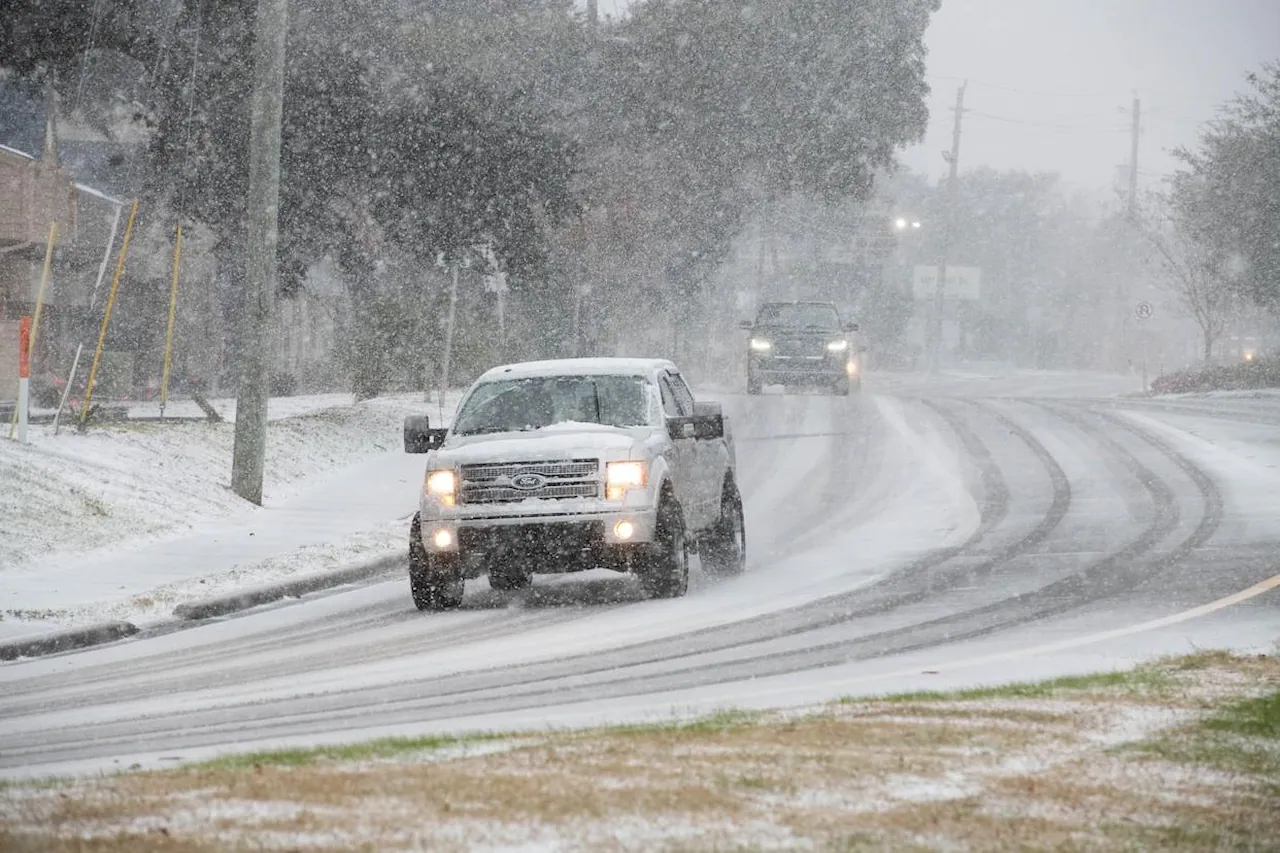
In winter conditions, manual mode can be a lifesaver. On icy or slick surfaces, an automatic may choose an aggressive first-gear launch, causing wheel spin. With manual control, you can start in a higher gear, reducing torque at the wheels and pulling away smoothly without drama.
Some vehicles offer a dedicated “snow” mode, but many don’t. Manual shifting works as a universal solution, regardless of the brand or model.
Safety, control, and off-road driving
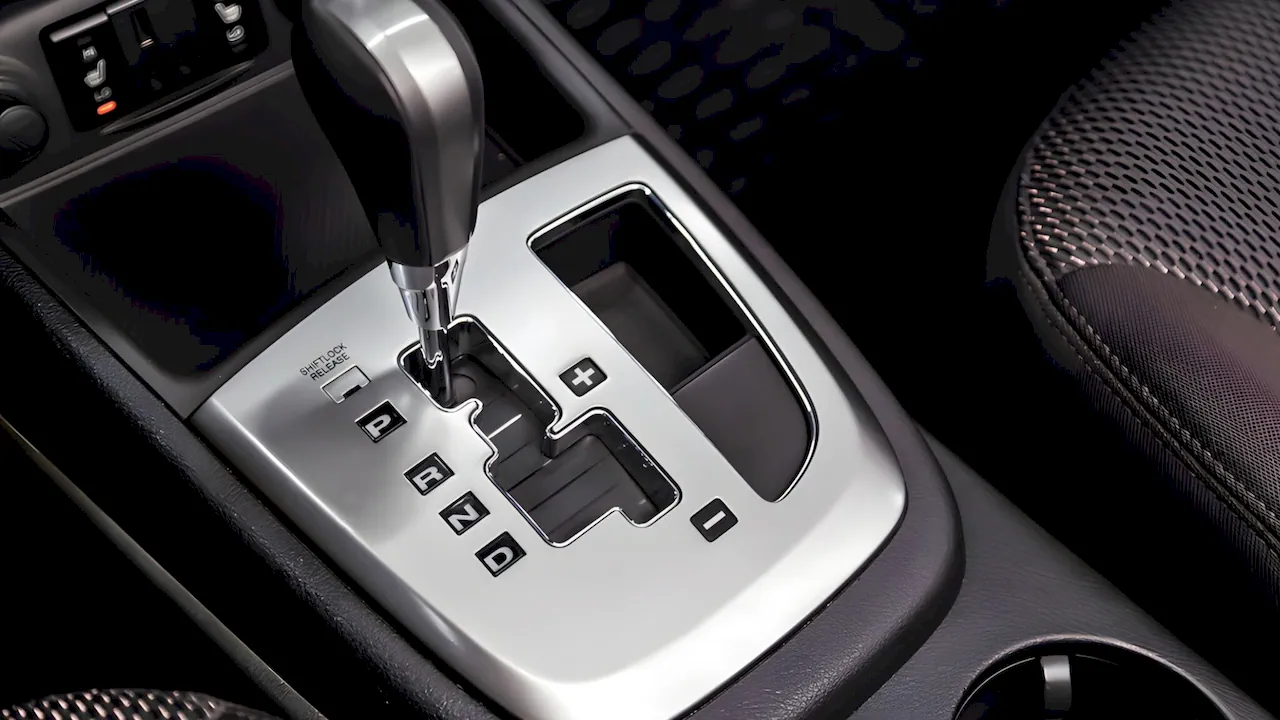
Engine braking is a skill every driver should understand. It helps preserve brakes and improves control, especially on slippery downhill sections. By selecting a lower gear in manual mode, the engine’s internal resistance slows the vehicle gradually and predictably—without overheating the brakes or risking wheel lockup.
Off-road, manual mode is practically essential. It allows drivers to keep engine speed in the ideal range for traction, something automatics often struggle with as they constantly try to upshift.
Even if you’ve never used manual mode before, it’s worth practicing in calm, low-stress conditions. Learn how your transmission responds, how quickly it shifts, and where it holds revs. That way, when you actually need it, you’ll be ready to use it with confidence instead of figuring it out on the fly.
You may also be interested in the news:
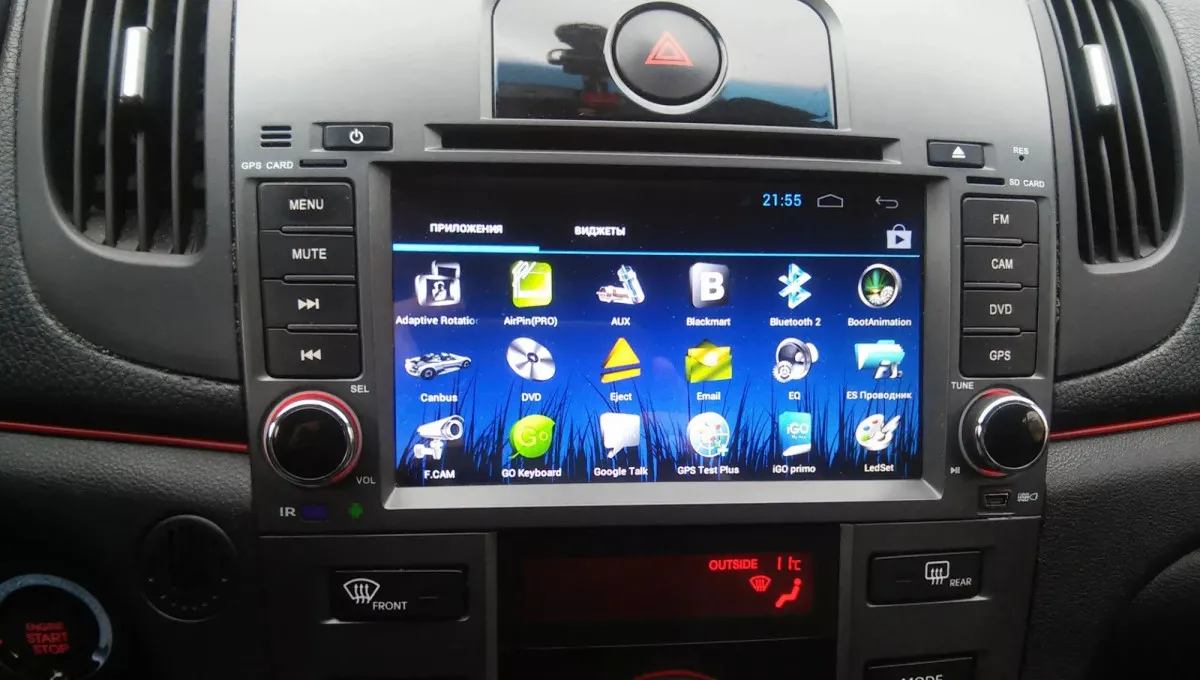
Your Old Car Can Feel New Again With These 7 Upgrades That Actually Make a Difference
Modernizing an Older Car: Better Audio, Navigation, Safety and Everyday Tech. An older car does not have to feel outdated when a few smart upgrades can transform everyday driving.
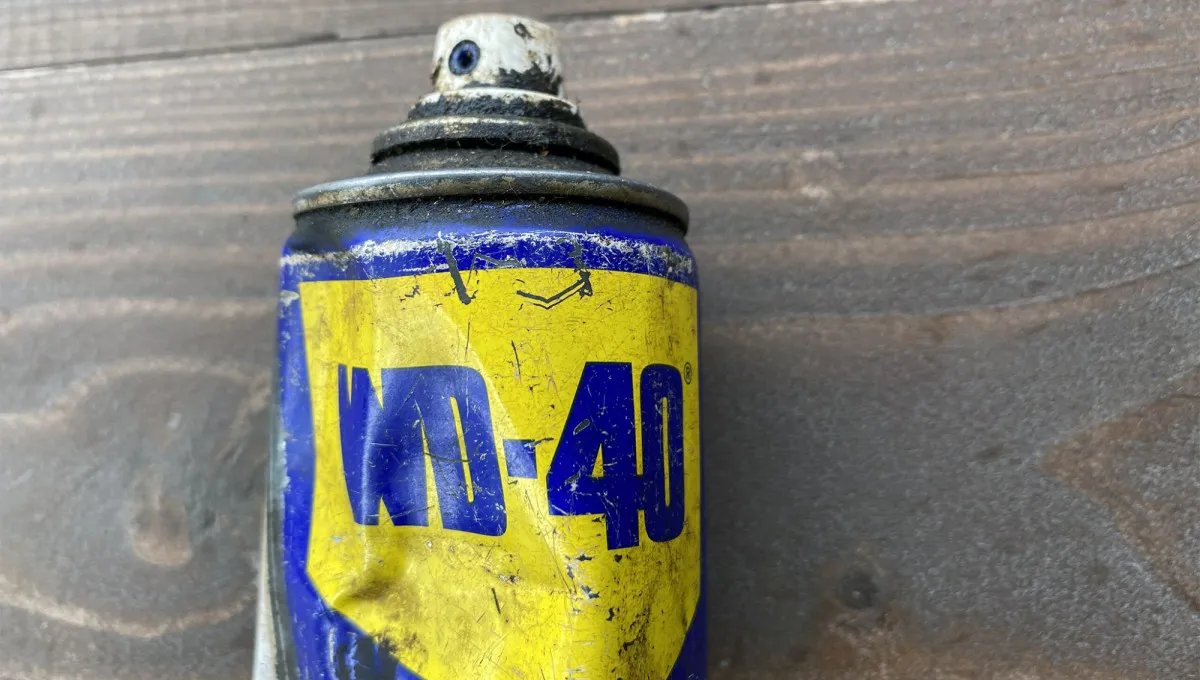
Expert Cautions: Spraying This on These 10 Car Parts Could Make the Problem Worse
WD-40 solves many automotive problems, but using it on the wrong parts can cause expensive damage.
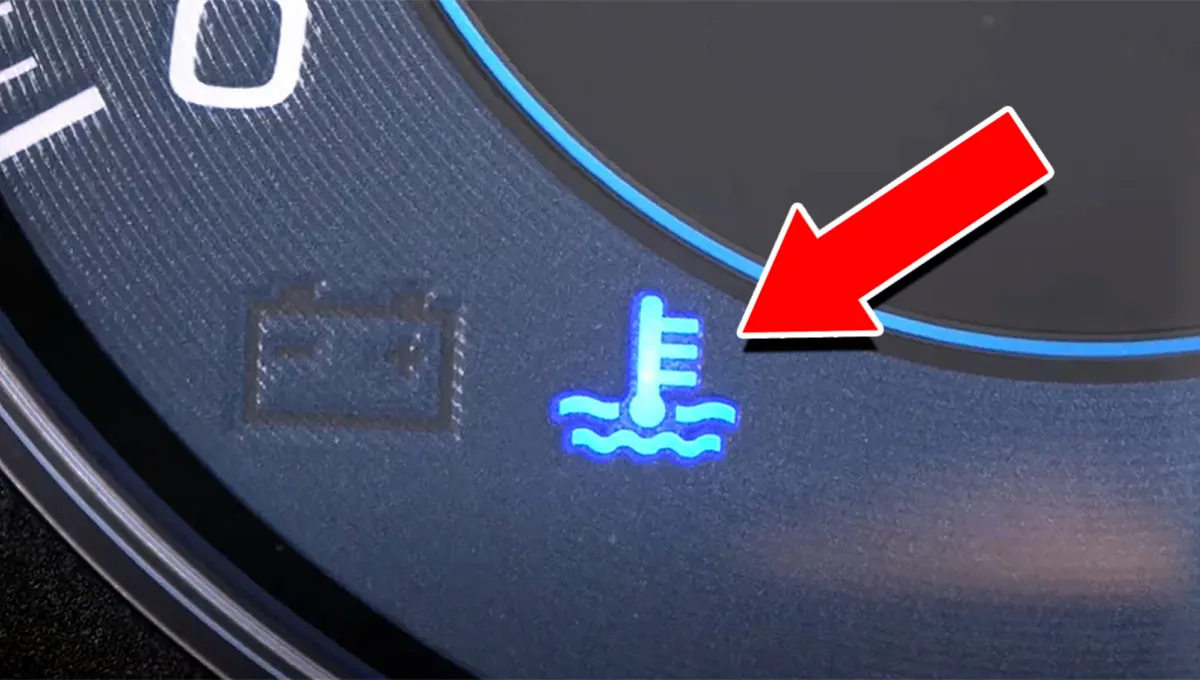
These 7 Dashboard Warning Lights Could Leave You Stranded—Here’s What They Really Mean
These dashboard warning lights can signal serious problems, from low oil pressure to overheating or brake trouble.
Why Stainless-Steel Bodies Never Replaced Conventional Steel in Mass-Market Cars
Stainless-steel bodies resist corrosion, but cost, manufacturing challenges, and styling constraints keep automakers using steel.
GM Faces Federal Lawsuit Over CVT Problems in Malibu, Trailblazer, Equinox and Terrain
GM faces a federal lawsuit alleging CVT defects affect several Chevrolet and GMC models.