
What Happens If You Try Driving in the Snow on Summer Tires?
Think all-season tires are a marketing gimmick? Driving on summer performance rubber in a snowstorm is a guaranteed recipe for a totaled car and a skyrocketing insurance premium.
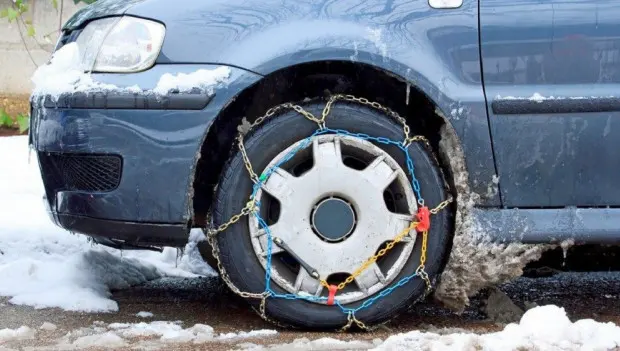
If you live in a state where the temperature drops below 40 degrees Fahrenheit, the rubber compound on summer tires begins to harden, losing elasticity like an old hockey puck. The moment the first flake of snow hits the asphalt, the situation turns dangerous.
To understand the physics behind it, you have to look at the tire tread. Summer tires are designed with minimal siping—the tiny slits in the tread blocks that bite into snow. Their compound is optimized for gripping dry pavement during a scorching July afternoon, not for slush.
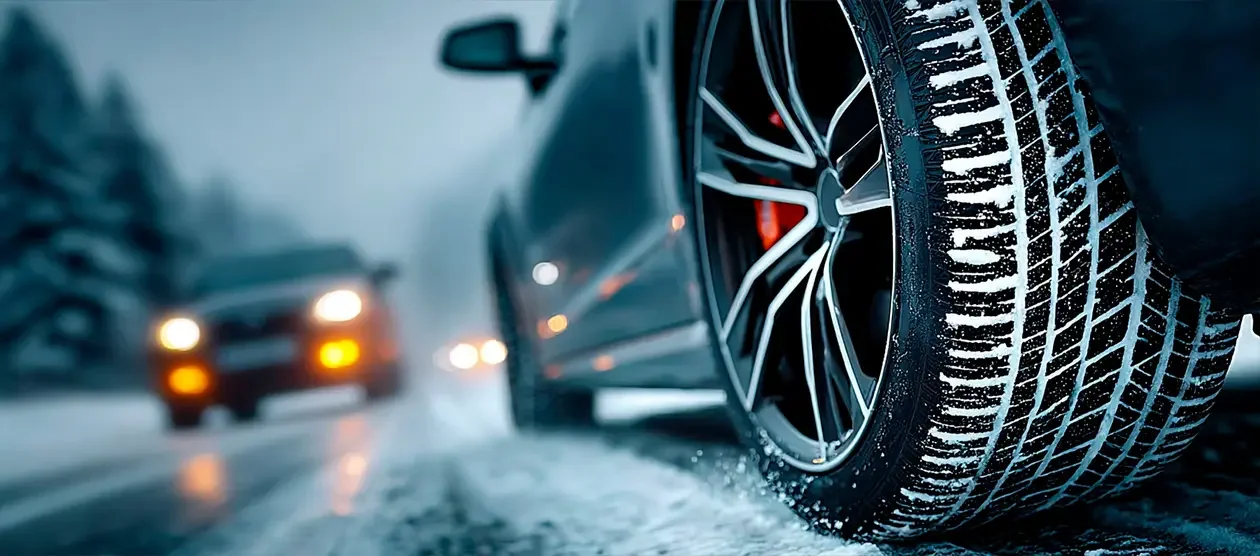
Drivers who ignore the change of seasons often find themselves in a terrifying scenario: the "sliding on ice" sensation at speeds as low as 15 miles per hour. On a typical 30-degree winter morning in places like Chicago or Denver, a car equipped with summer tires essentially turns into a sled. The contact patch—the area of the tire touching the road—is about the size of your smartphone. Without the chemical adhesion needed for cold traction, that patch simply skims over the surface.
If you attempt to drive up a slight incline covered in packed snow—say, a driveway with a 10-degree grade—the tires will spin helplessly. You lose steering response almost immediately. If you’re trying to merge onto a highway like the 405 in Los Angeles during a rare snow event, the lack of grip means you can’t accelerate to match traffic flow, creating a massive hazard.
The dangers aren't limited to acceleration. Braking distances increase exponentially. A vehicle traveling at 30 mph on summer tires in snowy conditions requires nearly twice the stopping distance compared to all-season rubber, and nearly four times that of dedicated winter tires. In a panic stop situation, the anti-lock braking system (ABS) will pulse erratically, but physics dictates the car simply won't stop in time. The hardened rubber cannot deform to push slush and water out of the way, leading to hydroplaning even in light, wet snow.
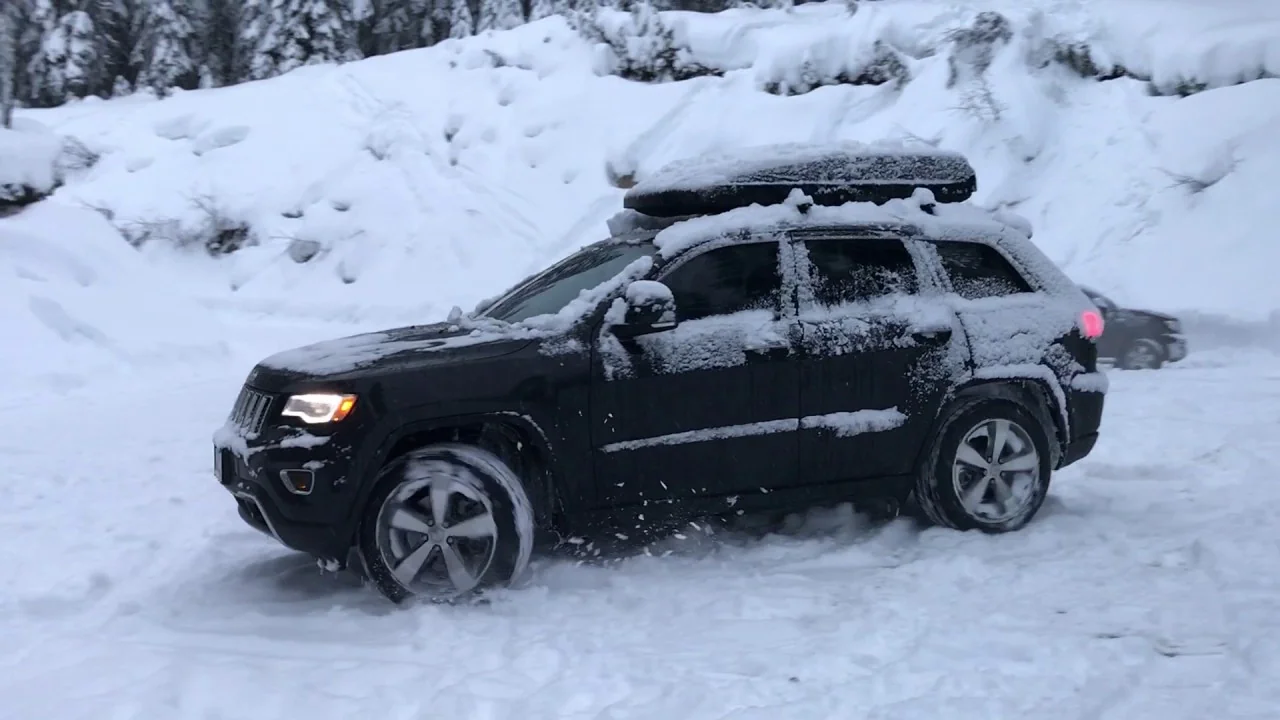
Financially, the gamble doesn’t pay off. If you cause an accident while riding on summer tires in winter weather, your insurance company will likely inspect the rubber. If they determine the equipment was unsuitable for the conditions, your claim could be denied or adjusted unfavorably. Repairing a smashed quarter panel or a bent frame costs thousands, while a set of basic steel wheels with winter tires often costs less than a typical collision insurance deductible.
Furthermore, the wear and tear on the summer tires themselves is brutal. Driving them in sub-20-degree temperatures can cause the sidewall to crack, ruining a set of expensive performance tires permanently.
While dedicated snow tires like the Bridgestone Blizzak or Michelin X-Ice are the gold standard for the Snow Belt, even a decent set of all-season tires with the Three-Peak Mountain Snowflake symbol is a massive improvement over summer rubber. Experts recommend switching your tires when the average daily temperature dips below 40°F, not when the first snowflake is forecasted.
In short, driving on summer tires in the winter isn't just inconvenient—it turns your vehicle into an unguided missile. The lack of grip transforms a routine drive to the grocery store into a high-stakes gamble with your safety and your wallet.
You may also be interested in the news:
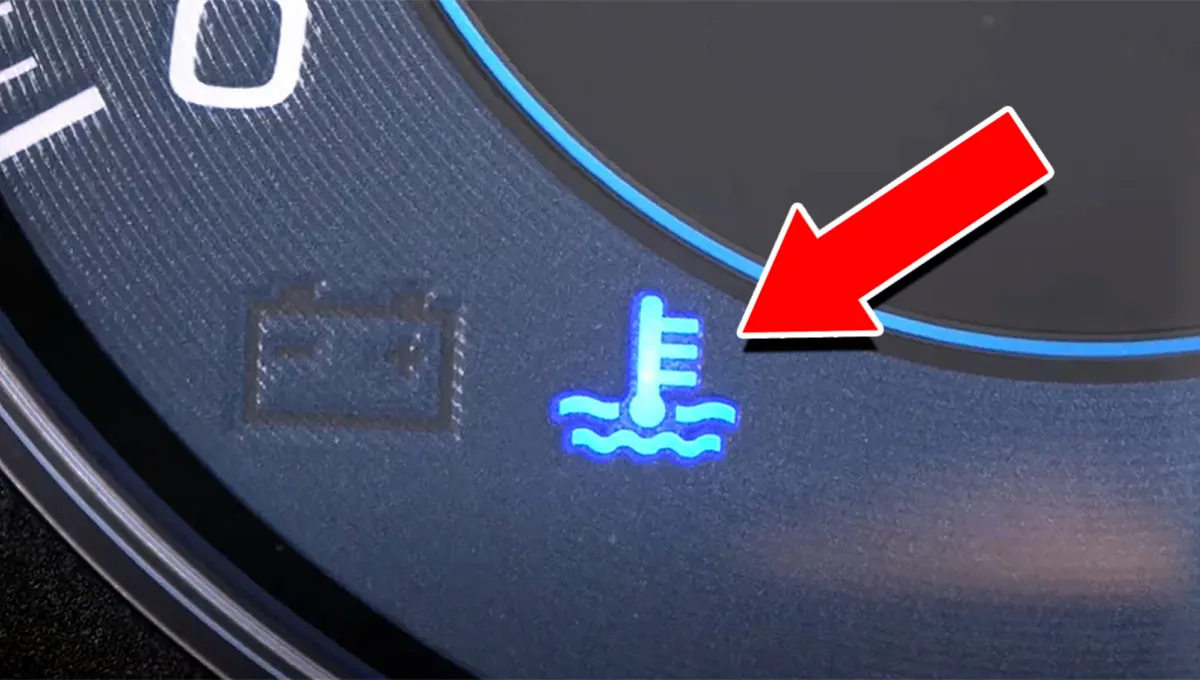
These 7 Dashboard Warning Lights Could Leave You Stranded—Here’s What They Really Mean
These dashboard warning lights can signal serious problems, from low oil pressure to overheating or brake trouble.

Size Matters to Them: 3 Zodiac Signs Who Love Big SUVs—Each for a Different Reason, With the Same Confidence
Three zodiac signs love America’s biggest SUVs, each for a different reason, but with equal confidence.
Five Used Mercedes-Benz Models That Deserve Extra Scrutiny Before You Buy
These five used Mercedes-Benz models have reported issues that could turn an attractive bargain into an expensive ownership headache.
These 10 Used Family Cars Could Save You From Buying the Wrong SUV or Minivan
Shopping for a used family vehicle? These 10 SUVs and minivans offer the practicality American families need every day.
That Little Auto Hold Button Could Make Your Daily Commute a Lot Less Annoying
That little Auto Hold button can take the strain out of stop-and-go traffic, steep hills, and everyday city driving.