
What M+S Means on Tires—and When It’s Actually OK to Drive on Them
Among the many symbols stamped on tire sidewalls, you’ve probably seen M+S. Here’s what it really stands for.
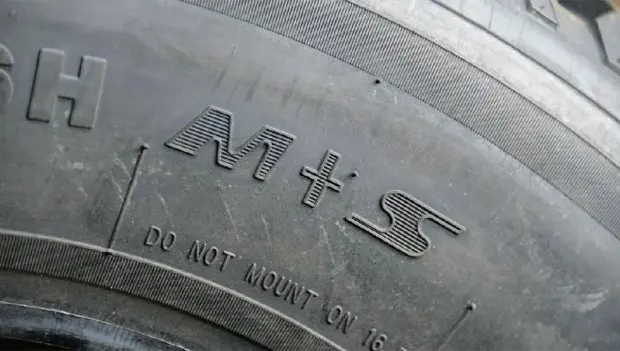
M+S (also written as M&S, M.S., or M-S) is a marking found on the sidewalls of certain non-studded tires. It stands for Mud and Snow, and it’s meant to signal that the tire offers better traction in slushy, dirty, or lightly snowy conditions than a standard summer tire. That’s why M+S tires tend to perform better during the shoulder seasons, when weather can change from day to day.
In some countries—Germany, Switzerland, and Sweden, for example—the M+S label alone isn’t enough for a tire to be legally considered a winter tire. Only tires that also carry the so-called Alpine symbol, known as 3PMSF (Three-Peak Mountain Snowflake), qualify without question.
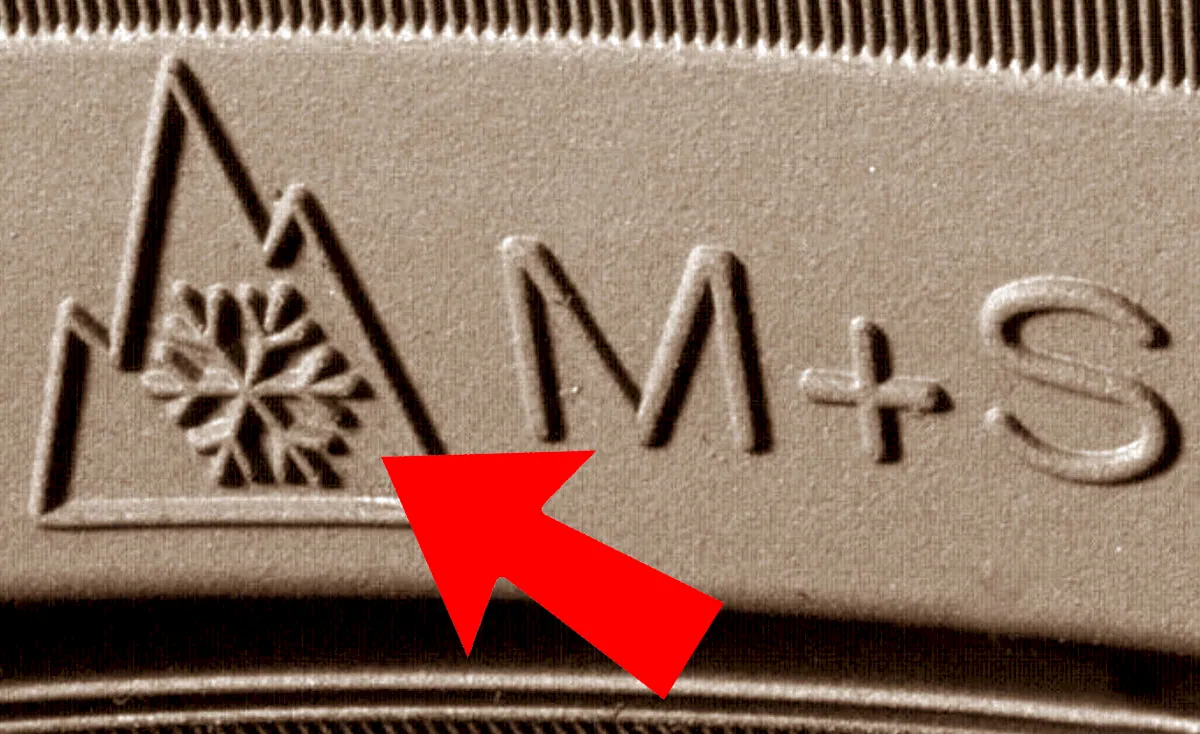
That symbol shows three mountain peaks with a snowflake inside. European vehicle safety regulations were updated back in 2012 to clearly separate true winter tires from those that simply carry the M+S marking.
That said, M+S tires are still different from summer tires in meaningful ways. They usually feature a tread pattern with more blocks, sipes, and biting edges, along with a softer rubber compound that stays more flexible in colder weather. In real-world driving, M+S tires work best in temperatures ranging from about 20°F to 68°F.
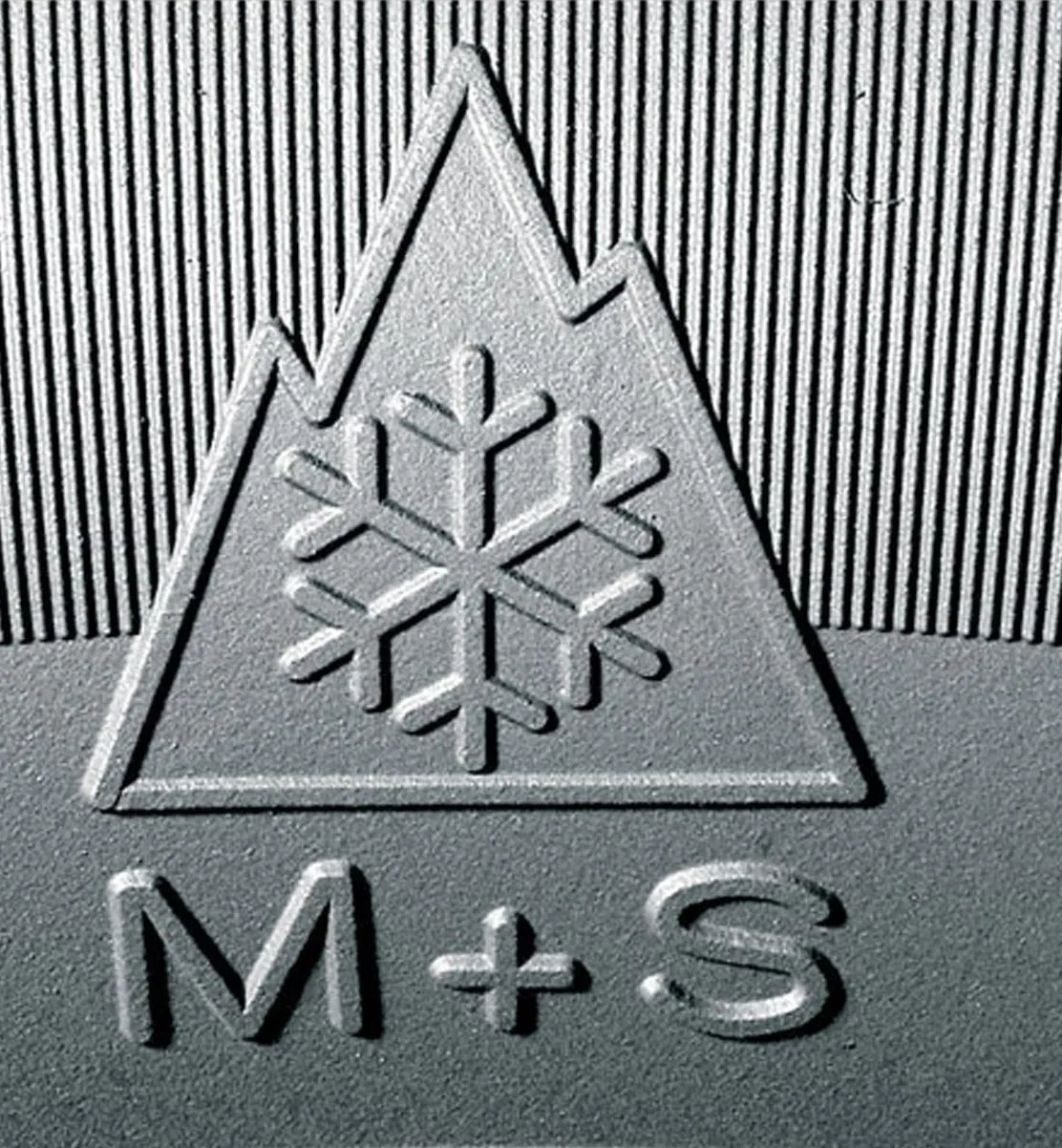
Tires with the Alpine (3PMSF) symbol must pass a series of standardized cold-weather performance tests conducted by independent organizations. Tires labeled only M+S don’t have to go through this certification process, which is an important distinction to keep in mind.
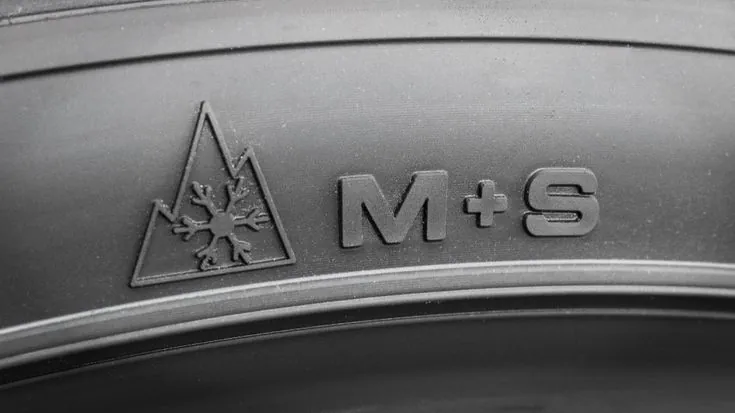
In practice, M+S tires are a reasonable choice for everyday passenger cars and crossovers that spend most of their time on paved roads and aren’t particularly high-powered. On the other hand, they won’t allow performance-oriented vehicles or true off-road SUVs to fully show what they’re capable of, especially in demanding winter conditions.
You may also be interested in the news:
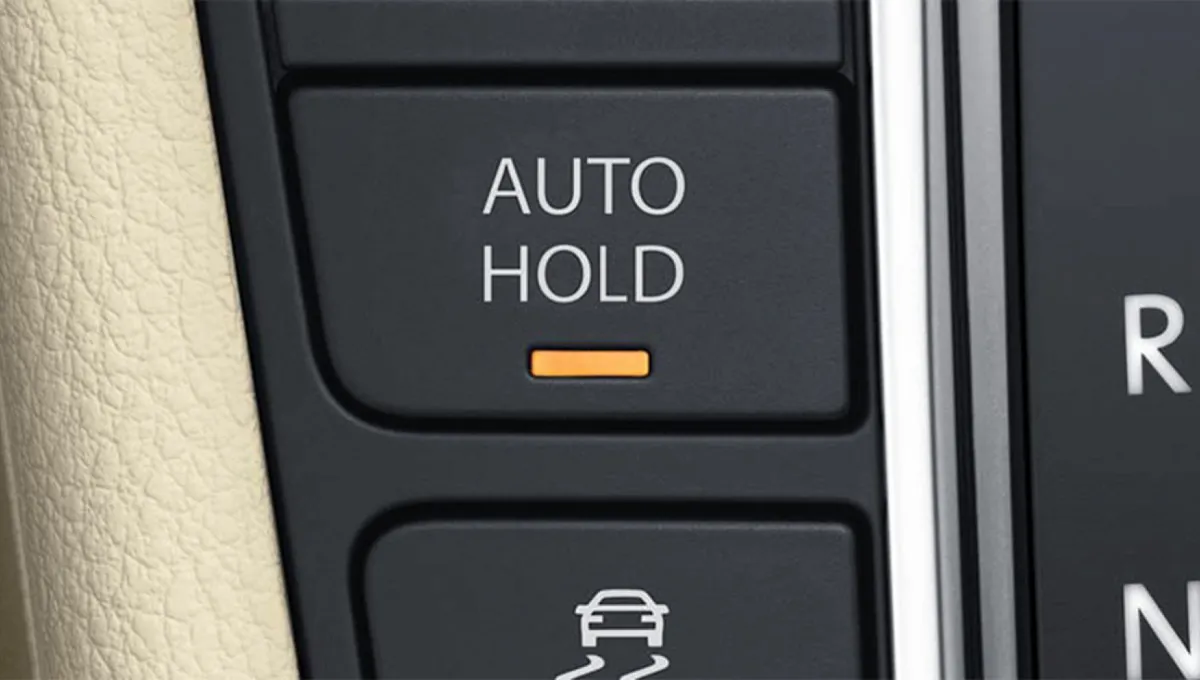
That Little Auto Hold Button Could Make Your Daily Commute a Lot Less Annoying
That little Auto Hold button can take the strain out of stop-and-go traffic, steep hills, and everyday city driving.
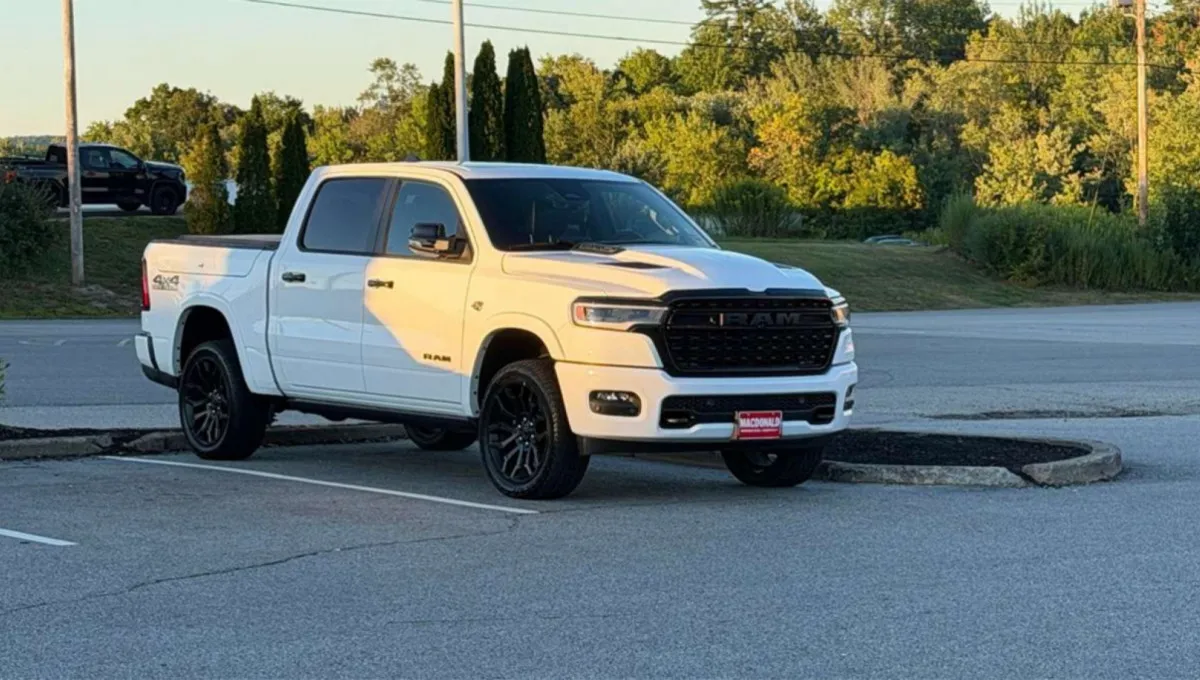
He Traded His F-150 for a Loaded Ram 1500—Then the Door Sticker Revealed Just 782 Pounds of Payload
2026 Ram 1500 Limited Buyer Trades His F-150 and Finds Only 782 Pounds of Payload
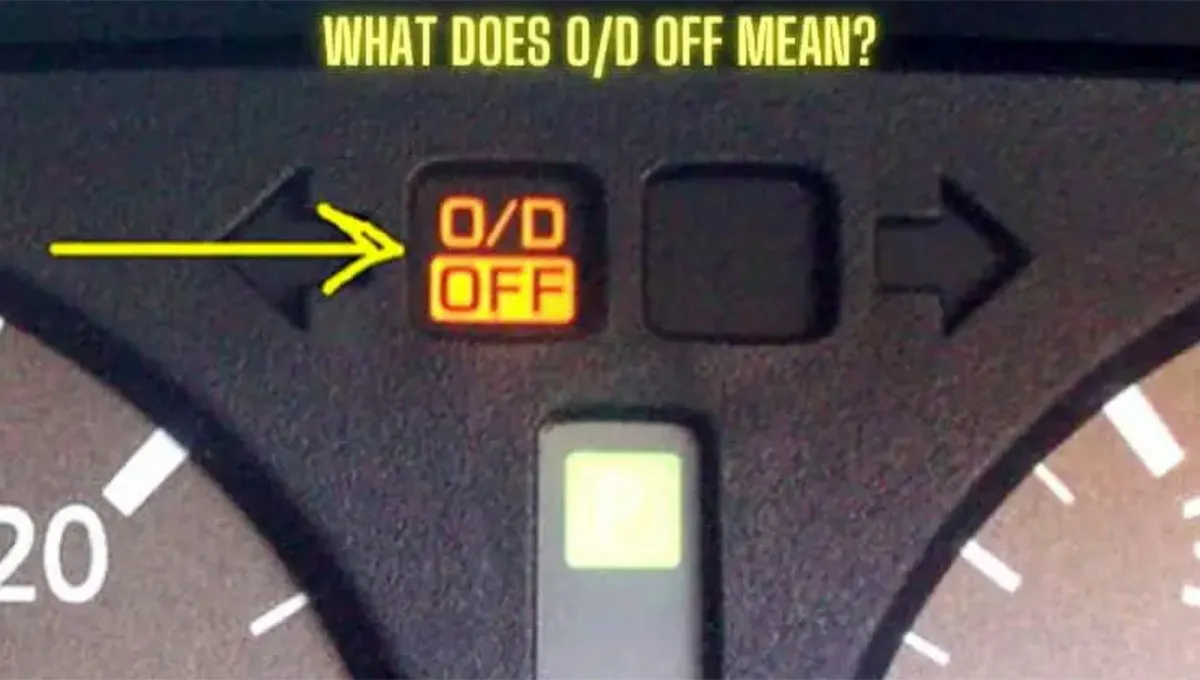
That O/D OFF Button in Your Car Has a Purpose—Here’s When You Actually Need to Press It
That mysterious O/D OFF button isn't a warning of transmission trouble—it can actually make driving easier in specific situations.
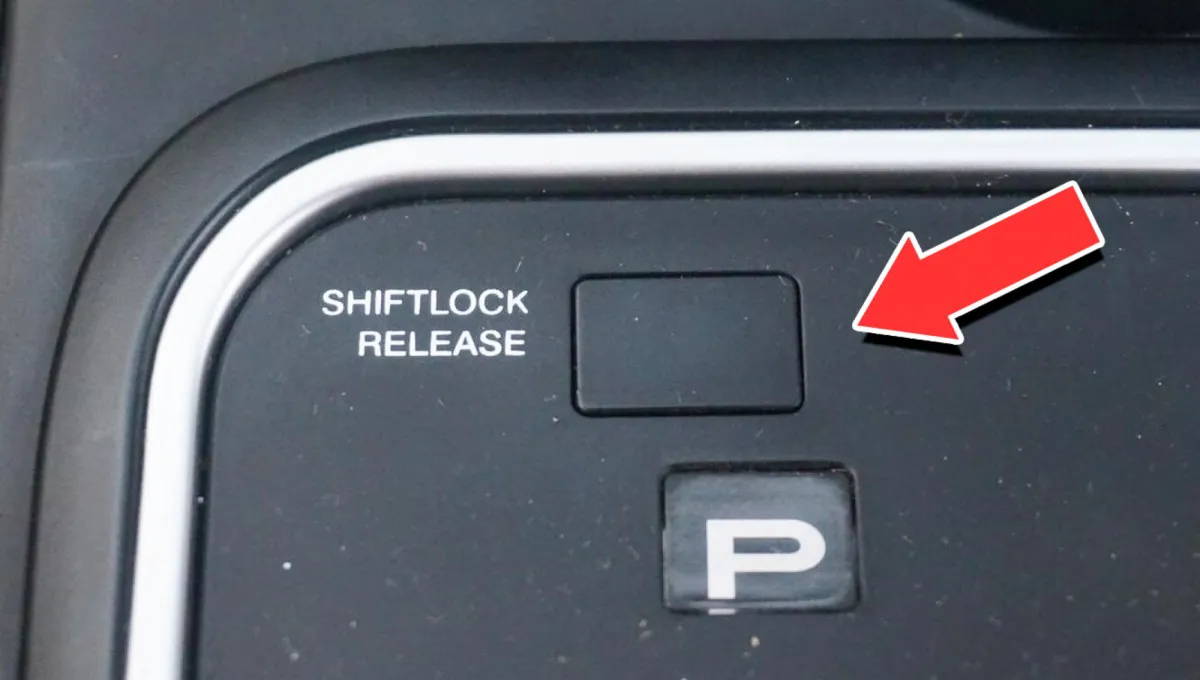
Shift Lock Explained: Why Your Automatic Shifter Won’t Move—and Why That’s Actually Good
If your automatic shifter suddenly refuses to move, there’s a good chance your car is protecting you from an accidental gear change.
7 Cars That Should Have Been Legends — But One Big Flaw Held Them Back
Some cars had the styling, performance and character to become icons, but one glaring weakness kept them just short of legendary status.