
Five of the Most Reliable Automatic Transmissions Ever Built
Which automatic transmissions have earned a reputation as the most dependable in the business?
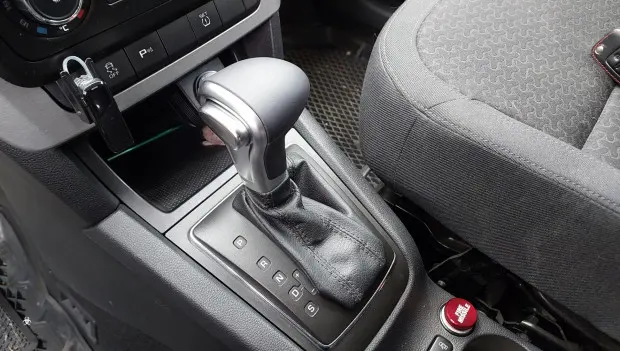
An automatic transmission is a complex piece of engineering, combining mechanical, hydraulic, and electronic systems. Its performance affects not only a vehicle’s longevity but also driver comfort. Among the many automatic gearboxes produced over the years, a handful stand out for their durability—lasting decades, covering hundreds of thousands of miles, and requiring minimal major repairs.
Japanese Durability: Aisin U340E
The four-speed Aisin U340E was built using proven engineering solutions rather than overly complicated electronics. The result was a simple, carefully designed transmission with excellent build quality.
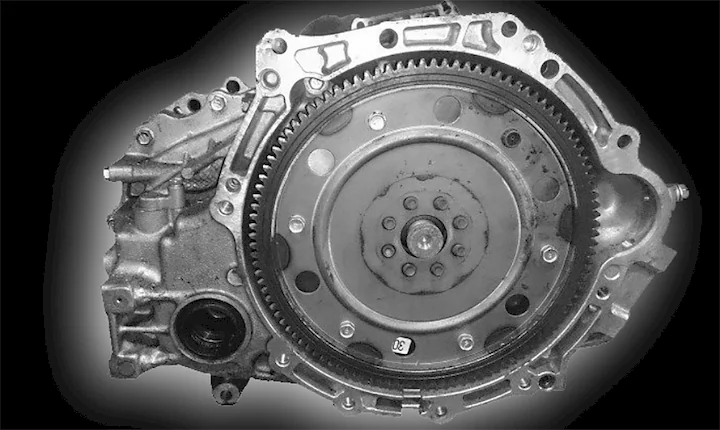
Exceptional reliability is the hallmark of the U340E. With regular fluid changes, this Japanese automatic can run 200,000 to 250,000 miles (300,000–400,000 km) without major issues.
The transmission was used in a range of Toyota, Lexus, and Volvo models. Owners praise its smooth shifts and lack of hesitation—especially compared to some newer six-speed automatics or CVTs that proved less durable.
Although the U340E is no longer in production, many used vehicles equipped with it are still on the road today.
German Engineering Classics: Mercedes-Benz 722.3 and 722.4
No list of dependable automatic transmissions would be complete without the legendary Mercedes-Benz 722.3 and 722.4. These gearboxes were fitted to a wide range of Mercedes models, from compact sedans to flagship luxury cars and SUVs.
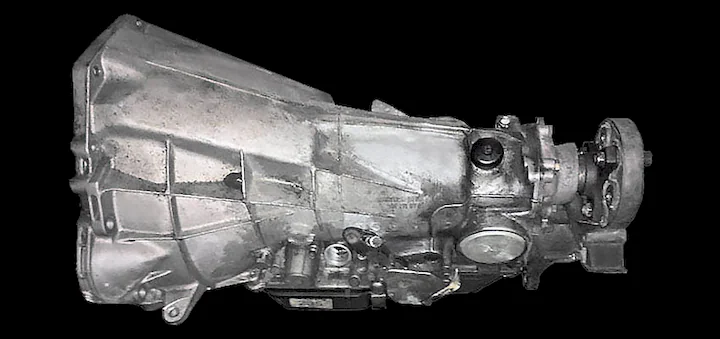
Despite their age, these straightforward, well-engineered transmissions are still considered benchmarks for durability. Their strength lies in robust construction and minimal reliance on electronics.
Even with less-than-perfect maintenance, they tend to keep working reliably. While regular fluid changes and proper valve body care are recommended, these transmissions often continue functioning without serious failures even when maintenance hasn’t been ideal.
Mercedes engineers prioritized longevity and serviceability over cutting-edge technology. According to owners, vehicles equipped with the 722.3 and 722.4 have surpassed 300,000 miles (500,000 km) without major problems.
They remain popular on the used market, especially among drivers who value reliability above all else.
European Strength and Adaptability: ZF 5HP18 and 5HP19
ZF Friedrichshafen’s 5HP18 and 5HP19 five-speed automatics are among the company’s most recognized transmissions. They were widely used by brands such as BMW, Audi, Volkswagen, Jaguar, and Porsche.
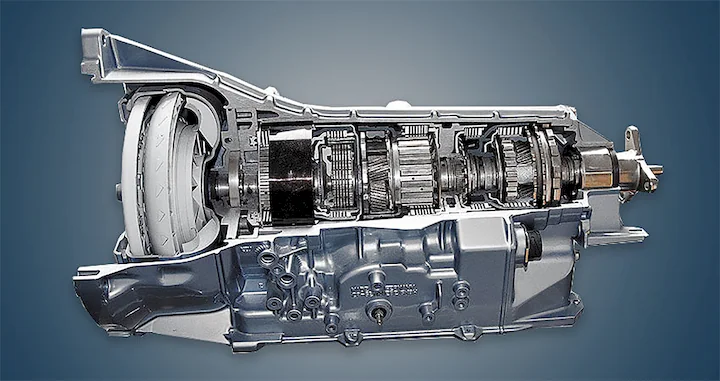
Known for their strength, adaptability, and smooth shifting, these transmissions perform well both in stop-and-go city driving and on long highway trips. With proper maintenance, they can deliver at least 180,000 miles (300,000 km) of service.
The reinforced 5HP19FLA variant, designed for all-wheel-drive vehicles, has proven especially durable.
Even decades after their introduction, the 5HP18 and 5HP19 are still regarded as highly reliable—particularly among owners of BMW E39 and Audi A6 C5 models.
The American Workhorse: GM 4L60-E
The GM 4L60-E demonstrates that American engineers can build long-lasting automatic transmissions. It was installed in numerous General Motors vehicles and remains popular in restoration and performance builds today.
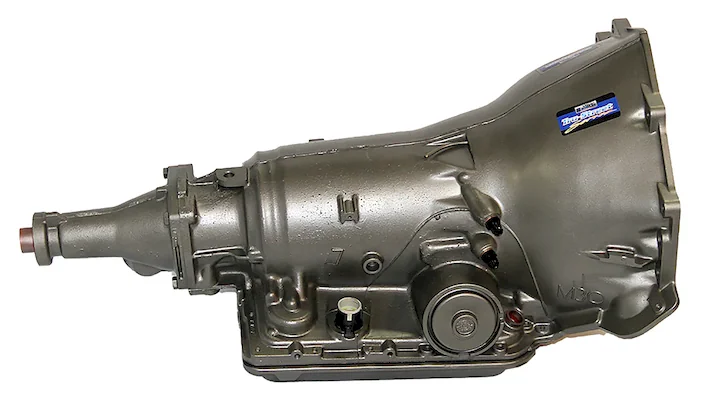
This four-speed automatic can typically handle 155,000 to 220,000 miles (250,000–350,000 km) when driven moderately and maintained properly. Under those conditions, it often exceeds owners’ expectations.
In addition to durability, the 4L60-E is valued for its repairability and wide availability of parts. Transmission specialists across the U.S. and abroad are very familiar with this unit.
A Proven Japanese Veteran: Jatco RE4R01A
The Jatco RE4R01A holds a special place among the Japanese manufacturer’s products. It was installed in vehicles from Nissan, Subaru, and Infiniti.
This four-speed automatic features a straightforward design, good serviceability, and long-term durability.
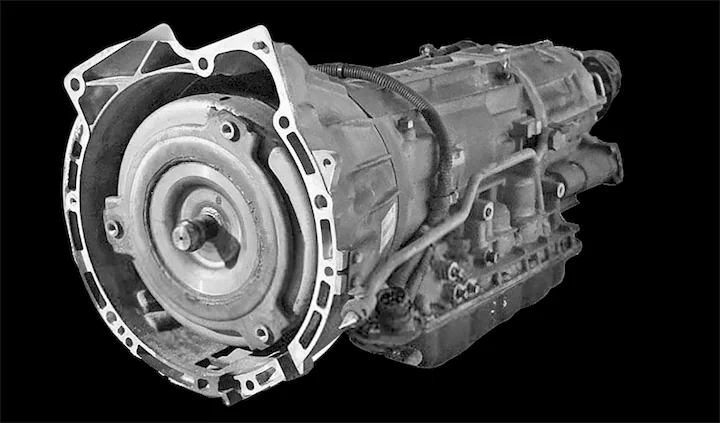
Owners report that, with regular fluid changes, the transmission can operate for years without issues. It performed particularly well in models such as the Infiniti QX4 and Nissan Pathfinder, especially in SUV applications.
While not the most technologically advanced transmission of its era, the Jatco RE4R01A is widely regarded as one of the most predictable and dependable automatics of its time.
You may also be interested in the news:
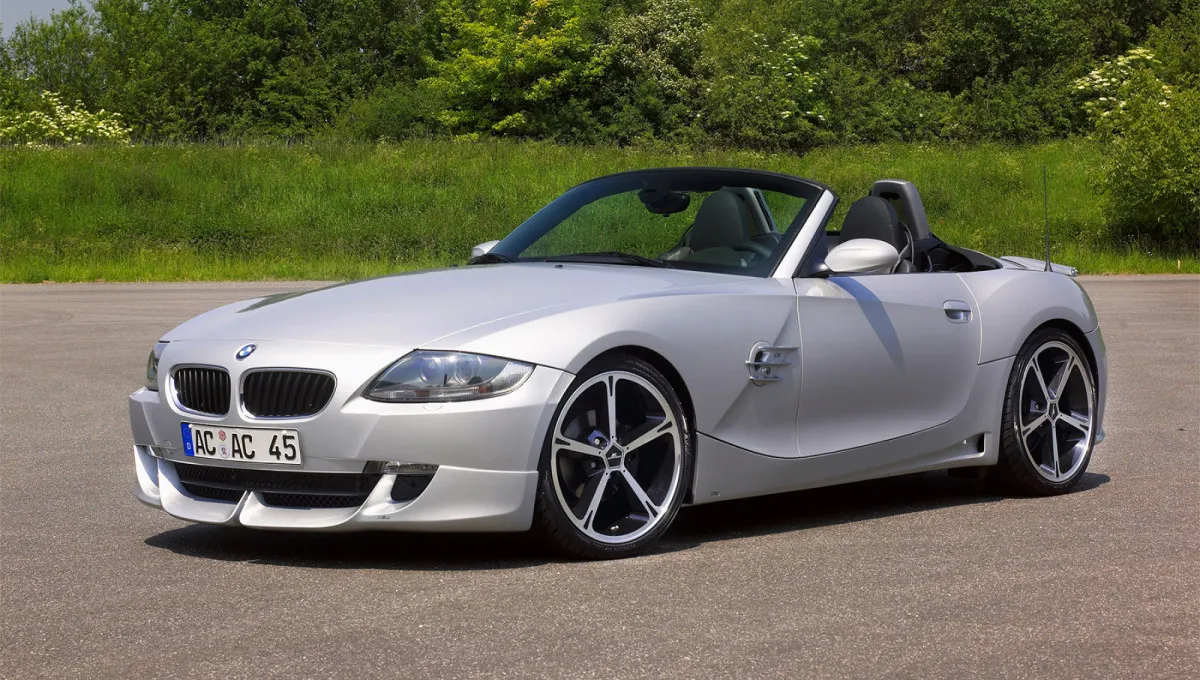
7 Cars That Should Have Been Legends — But One Big Flaw Held Them Back
Some cars had the styling, performance and character to become icons, but one glaring weakness kept them just short of legendary status.

These 5 Automakers Still Refuse to Build an SUV
SUVs and crossovers now account for roughly 61% of new-vehicle sales in the U.S., yet these five automakers continue to avoid the segment.

You've Seen These Black-and-Yellow Road Markers—But Do You Know What They Really Mean?
Those familiar black-and-yellow road markers quietly tell drivers which direction to take around roadside obstacles.
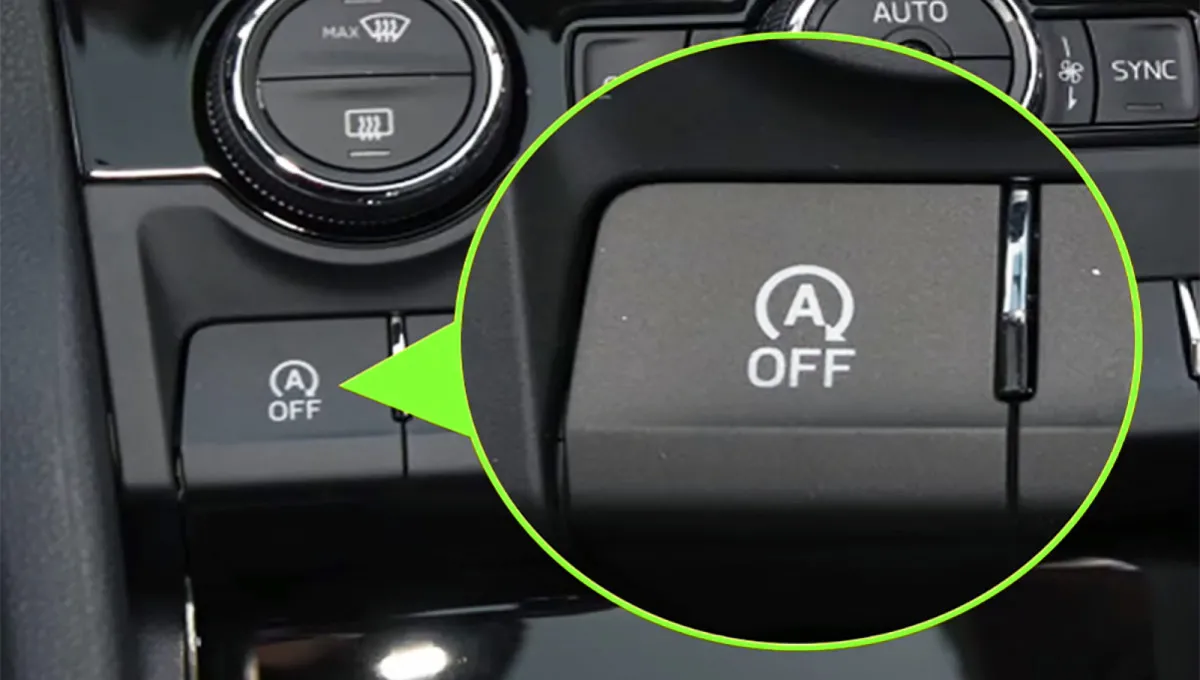
Start/Stop Systems Are Everywhere — But Are They Really Saving You Gas or Wearing Out Your Engine?
Does start-stop technology really save fuel, and does it put extra wear on the engine? Here’s what drivers need to know.
3 Signs Your Car Battery Is About to Die — And the Warning Signs Drivers Often Miss
A failing car battery rarely dies without warning, and these three signs can give drivers time to act before getting stranded.