
What Is Hypermiling? Smart Ways to Save Gas
Here’s the good news: you can stretch every tank of gas further by using a few simple hypermiling techniques.
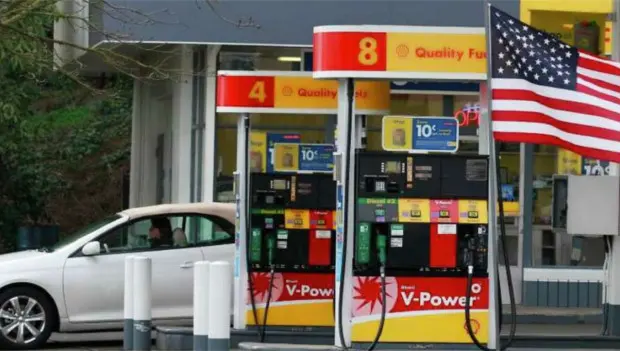
Gas isn’t cheap, and it probably won’t be anytime soon. The good news? You can take control of your fuel costs with a driving approach called hypermiling. If you’ve never heard the term before, here’s what it means—and how you can put it to work the next time you hit the road.
What Is Hypermiling?
In plain English, hypermiling is a way of driving that helps you burn less gas and squeeze more miles out of every gallon. It’s all about small, smart habits behind the wheel that improve fuel economy. The best part? You don’t need to own a hybrid or the latest fuel-sipping compact car to see results.
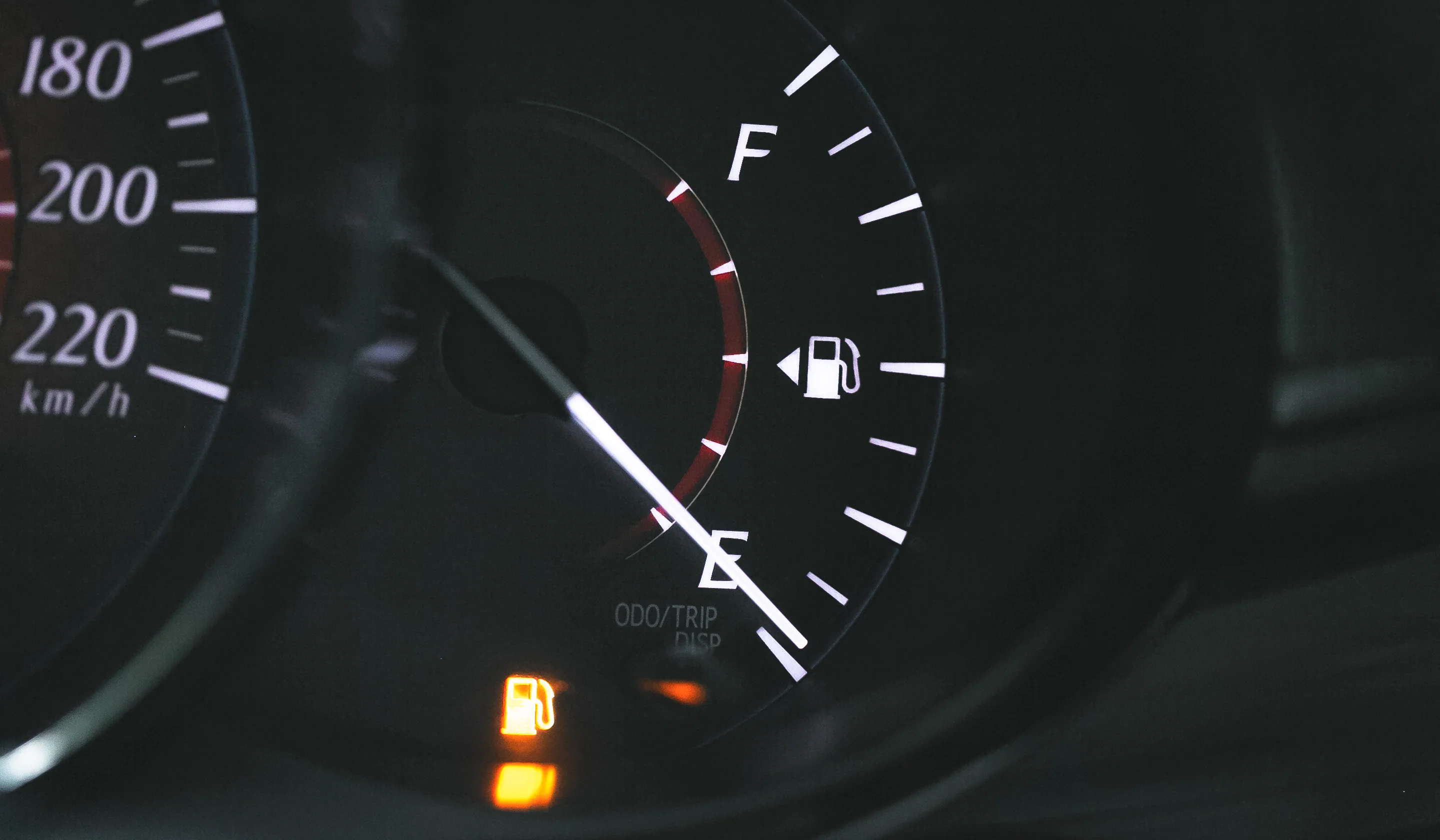
Hypermiling isn’t one single trick—it’s a collection of practical driving habits. Here are a few that can make a real difference.
If you’re just heading a mile or two down the road, consider walking or riding a bike instead. Short trips are hard on fuel economy because your engine doesn’t have time to warm up and run efficiently.
Proper tire pressure matters more than most drivers realize. Underinflated tires create extra drag and waste gas. Make sure your tires are properly inflated and aligned. Also, if you’re looking to maximize MPG, turn off the A/C when you don’t really need it and keep the windows and sunroof closed at higher speeds to reduce aerodynamic drag.
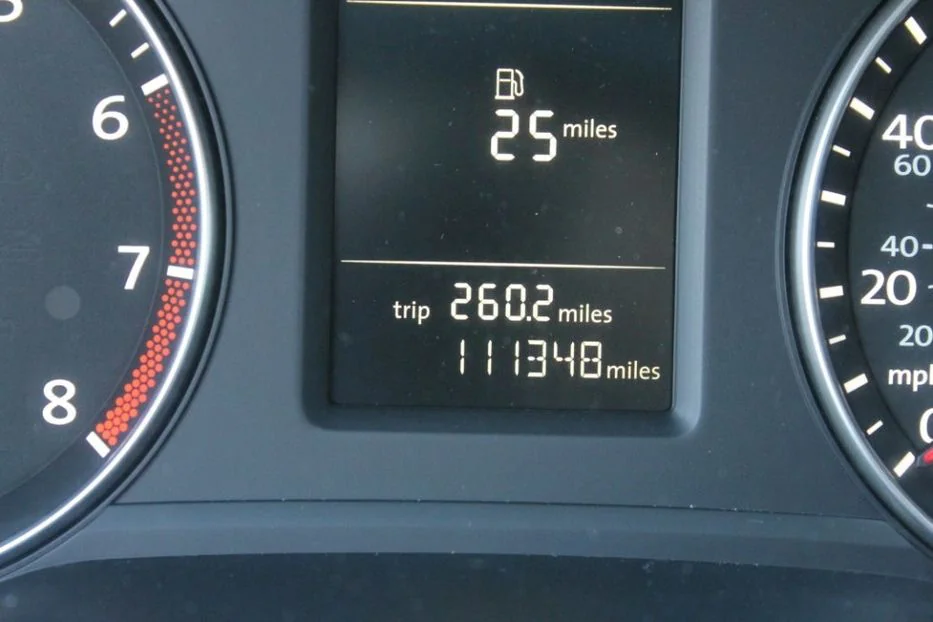
Pay attention to traffic lights, merging lanes, and posted speed limits. If you can anticipate what’s coming up, you’ll avoid sudden braking and hard acceleration—both of which burn more fuel. Smooth, steady driving is the name of the game.
The heavier your vehicle, the more fuel it uses. Clean out unnecessary items from the trunk. Remove things like unused roof racks or cargo carriers if you’re not using them. Extra weight and wind resistance both hurt fuel economy.
Every time you slam the brakes, you’re essentially throwing away fuel you just used to build up speed. Drive in a way that allows you to coast and slow down gradually whenever possible.
Even cutting your speed by about 6 mph can noticeably improve fuel economy. Higher speeds dramatically increase fuel consumption, especially on the highway. Maintain a steady pace and accelerate gently instead of flooring it.
If you’re stopped for more than a minute or two—waiting for someone or parked somewhere—shut the engine off. Idling wastes gas. And when you park, try to choose a spot where you can pull forward when leaving. Backing up tends to use a bit more fuel.
If you have multiple errands to run, park once and walk or bike between stops if possible. Fewer cold starts and less stop-and-go driving can really add up over time.
Hypermiling isn’t about driving dangerously slow or holding up traffic. It’s about being smoother, lighter, and more intentional behind the wheel. With a few small changes, you can spend less at the pump—and get more out of every gallon.
You may also be interested in the news:
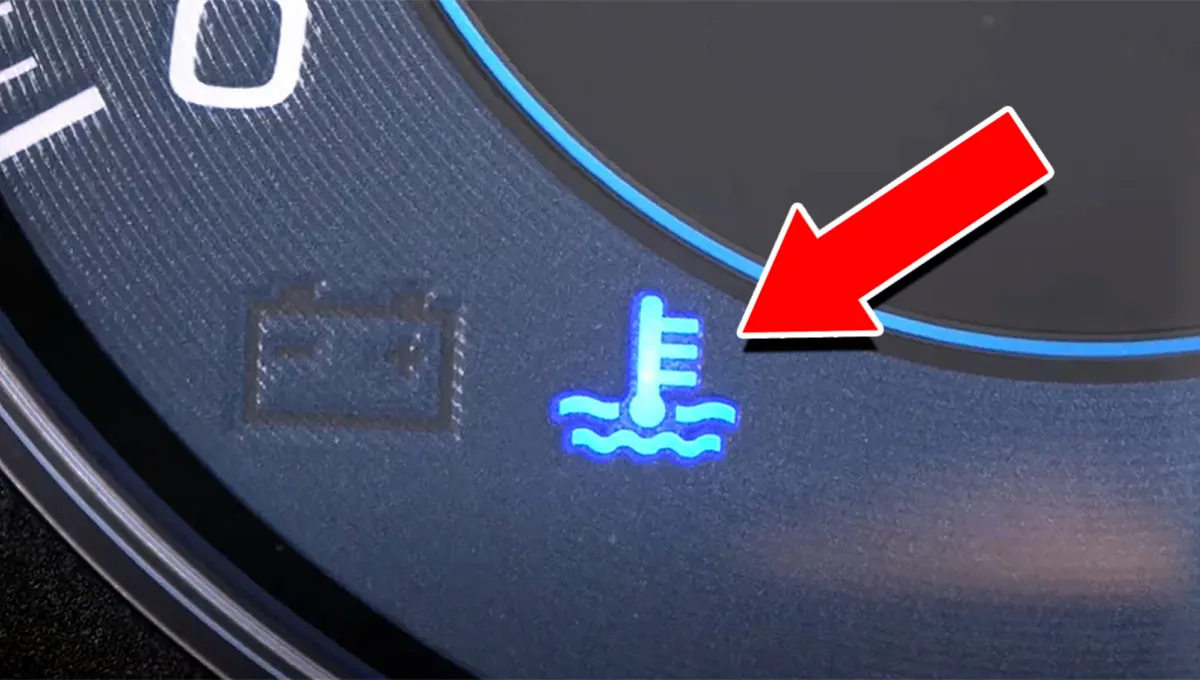
These 7 Dashboard Warning Lights Could Leave You Stranded—Here’s What They Really Mean
These dashboard warning lights can signal serious problems, from low oil pressure to overheating or brake trouble.
Five Used Mercedes-Benz Models That Deserve Extra Scrutiny Before You Buy
These five used Mercedes-Benz models have reported issues that could turn an attractive bargain into an expensive ownership headache.
These 10 Used Family Cars Could Save You From Buying the Wrong SUV or Minivan
Shopping for a used family vehicle? These 10 SUVs and minivans offer the practicality American families need every day.
That Little Auto Hold Button Could Make Your Daily Commute a Lot Less Annoying
That little Auto Hold button can take the strain out of stop-and-go traffic, steep hills, and everyday city driving.
He Traded His F-150 for a Loaded Ram 1500—Then the Door Sticker Revealed Just 782 Pounds of Payload
2026 Ram 1500 Limited Buyer Trades His F-150 and Finds Only 782 Pounds of Payload