
What Happens If You Press the Electronic Parking Brake (P) While Driving? Here’s What You Need to Know
Thousands of drivers wonder what happens if the electronic parking brake is pressed while driving, and whether it’s actually safe.
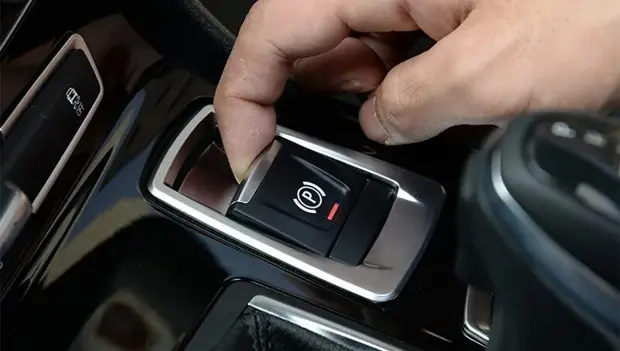
Many drivers, especially those moving from older cars, are wary of the “P” button or brake symbol that replaced the classic handbrake lever. The question “What happens if I press the electronic parking brake while driving?” comes up for thousands of car owners. Some fear instant wheel lock, others hope for a “handbrake drift” effect, and some simply aren’t sure if it’s safe to touch the button at all.
Let’s break down how the electronic parking brake (EPB) actually works, what happens if it’s activated while driving, and when it can be used in an emergency.
How the Electronic Parking Brake Really Works
An EPB isn’t just a modern replacement for the traditional lever. It’s a full system linked to the car’s control unit, speed sensors, brake mechanisms, and often driver-assist systems.
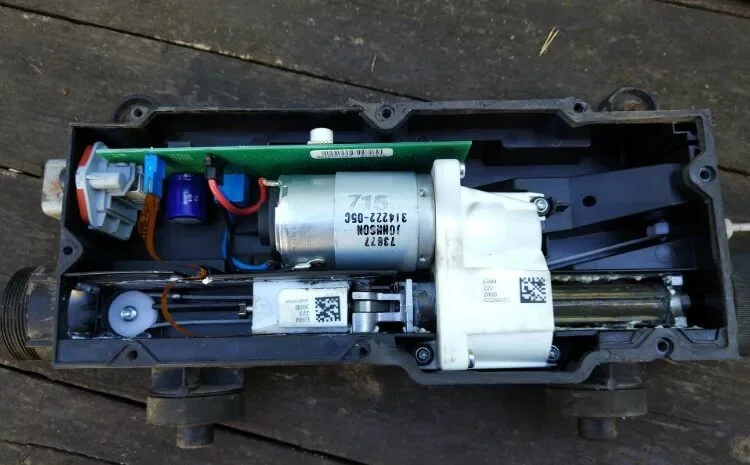
When you press the EPB button, the car doesn’t just “pull the cable” like older models did. The system evaluates vehicle speed, steering angle, whether the brake pedal is pressed, if the accelerator is active, and only then decides whether to engage the parking brake. In short, it’s not possible to just lock the rear wheels while driving. The electronics intervene to keep everything safe.
In many cars, including models from Audi, Toyota, Renault, and Skoda, a quick press of the EPB button while moving does nothing at all. This prevents accidental activation. The system typically responds only if the button is held for 2–3 seconds, considered a deliberate driver action. Even then, some cars simply warn with a message like “Cannot engage parking brake while driving,” while others switch into emergency braking mode.
What Happens If You Hold the EPB While Driving
The biggest myth is that pressing the EPB will instantly lock the rear wheels and send the car into a skid like in movies. That’s not true. Modern cars will never allow a sudden wheel lock at speed.
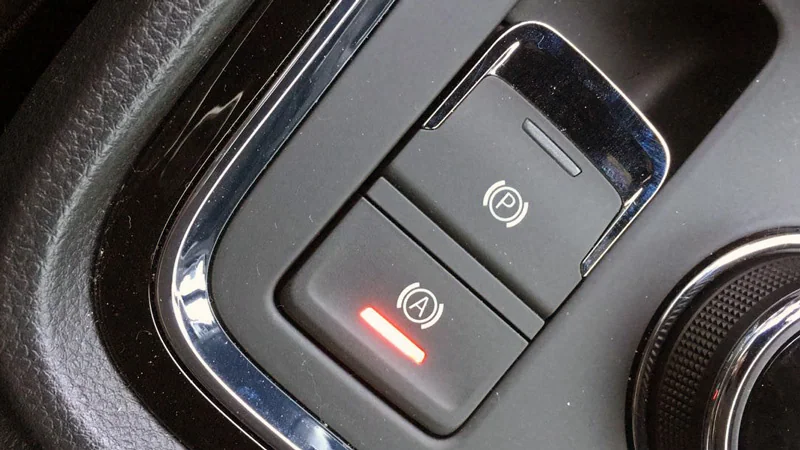
If you hold the EPB button while driving, the system enters emergency braking mode. ABS activates, using the same hydraulic system as normal braking, but the braking command comes from the EPB rather than the brake pedal. The control unit modulates braking force, and the wheels do not lock. The car gradually slows down instead of skidding.
Usually, only the rear axle is engaged, and braking remains smooth. A warning appears on the dashboard, and a sound alert may trigger. Some cars even automatically engage “auto-hold” after stopping to prevent rolling forward or backward.
This is not meant for everyday braking but serves as a backup. If the main brake pedal fails—due to hydraulic issues or other problems—the EPB can safely bring the car to a stop. And it works reliably.
Using the EPB in an Emergency
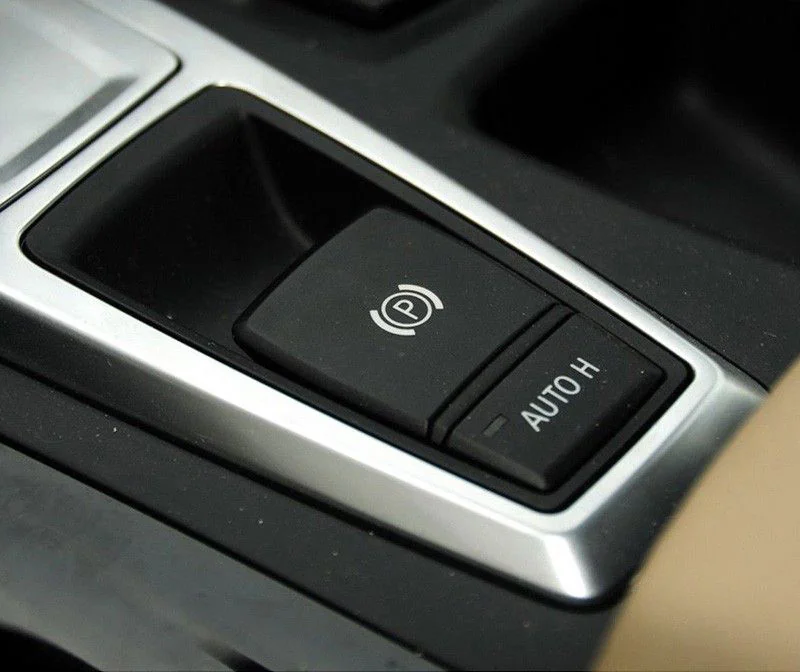
Yes, this is exactly why the feature exists. The electronic parking brake in modern cars is designed to help if the primary brake fails. Scenarios include:
- Brake system hydraulic failure
- Brake pedal sinking or failure
- Stuck master cylinder
- Brake fluid leak and loss of pressure
- Sudden loss of control where the driver cannot press the pedal
Some models, like Tesla, even have an automatic stop feature when the parking brake is held and the driver shows no response. EPB activation can also help if the accelerator sticks or the throttle cable fails, potentially preventing an accident.
Many drivers who have tested this in safe conditions report surprise at how effectively the EPB can slow the car. It’s recommended to try it once in a controlled environment, like an empty parking lot, to get familiar with its behavior.
Can You Use It for Drifting or Cornering?
Some old-school enthusiasts hope to use the EPB for handbrake-style drifts. That won’t work.
Manufacturers intentionally prevent rear wheel lock at speed. If the system detects higher-than-walking speed, it passes control to ABS, gradually slowing the vehicle. Even with traction control off, the EPB remains “gentle,” prioritizing safety over entertainment. Sports cars like the Mazda MX-5 or Subaru BRZ keep mechanical handbrakes for controlled drifts, while EPBs focus on convenience and safety.
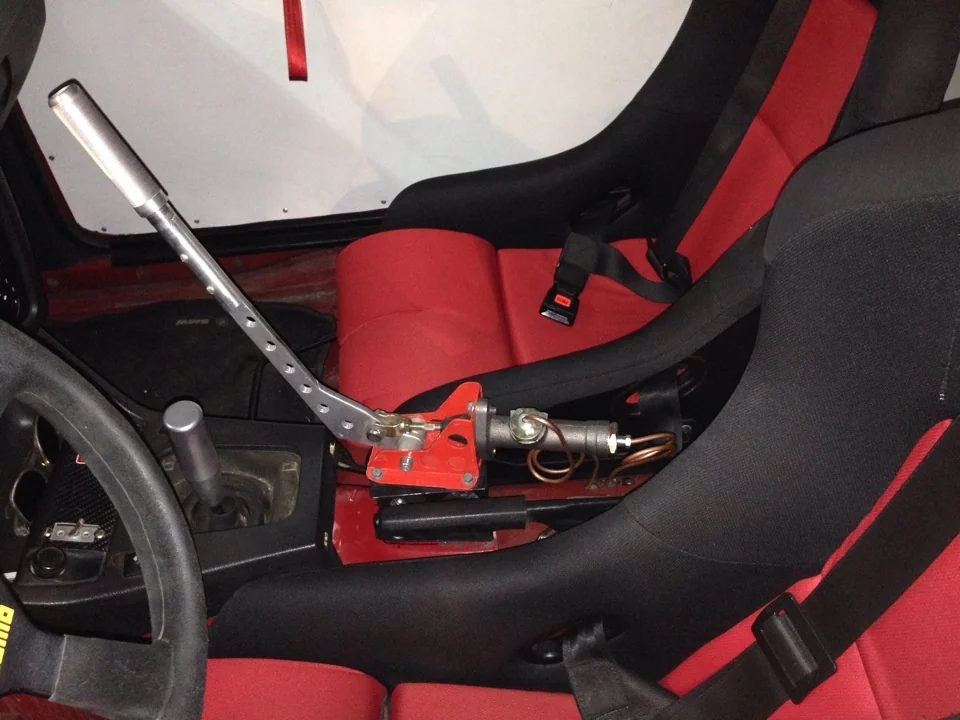
The electronic parking brake is not just a button replacing the lever. It’s a key safety system that can stop a car in emergencies. Drivers shouldn’t fear pressing it while moving—the system is smart, protects against mistakes, and never locks wheels abruptly.
In critical situations, holding the EPB button while driving can be the only way to stop the car. The vehicle’s brakes, ABS, and rear wheels all work together to slow down safely.
You may also be interested in the news:
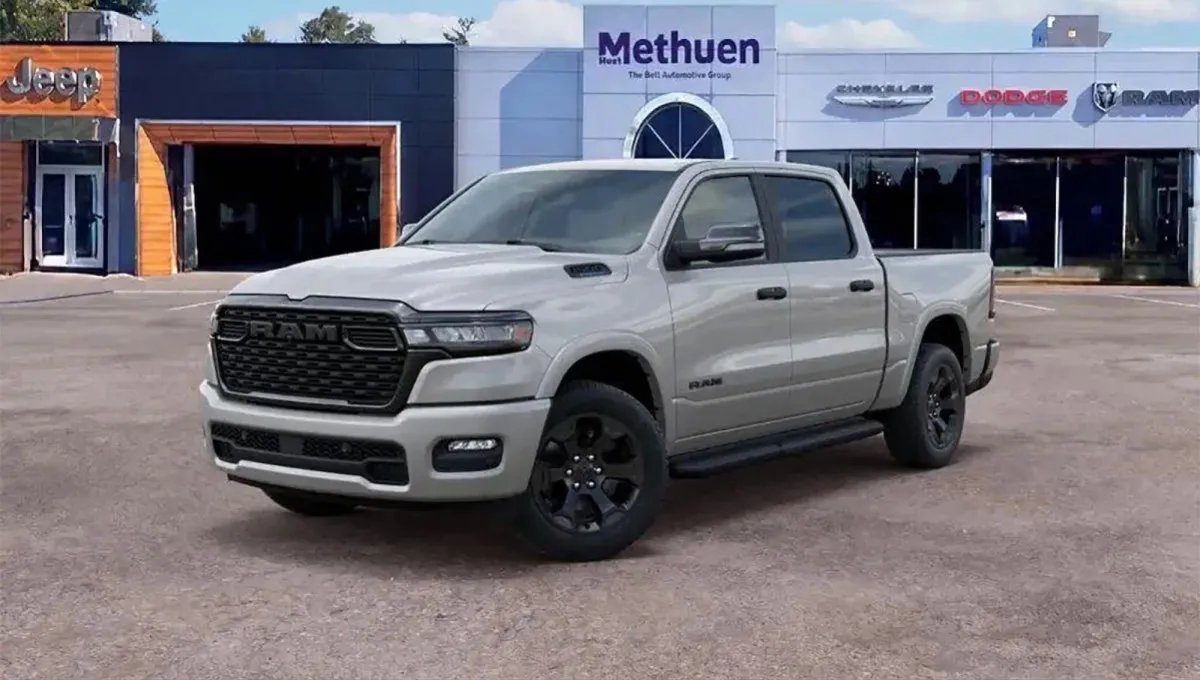
Ram 1500 Battery Drain Posts Are Everywhere, But One Owner's Storage Mode Trick Worked After 6 Days at the Airport
Leaving Your Ram 1500 at the Airport? This Hidden Setting Could Keep the Battery From Dying
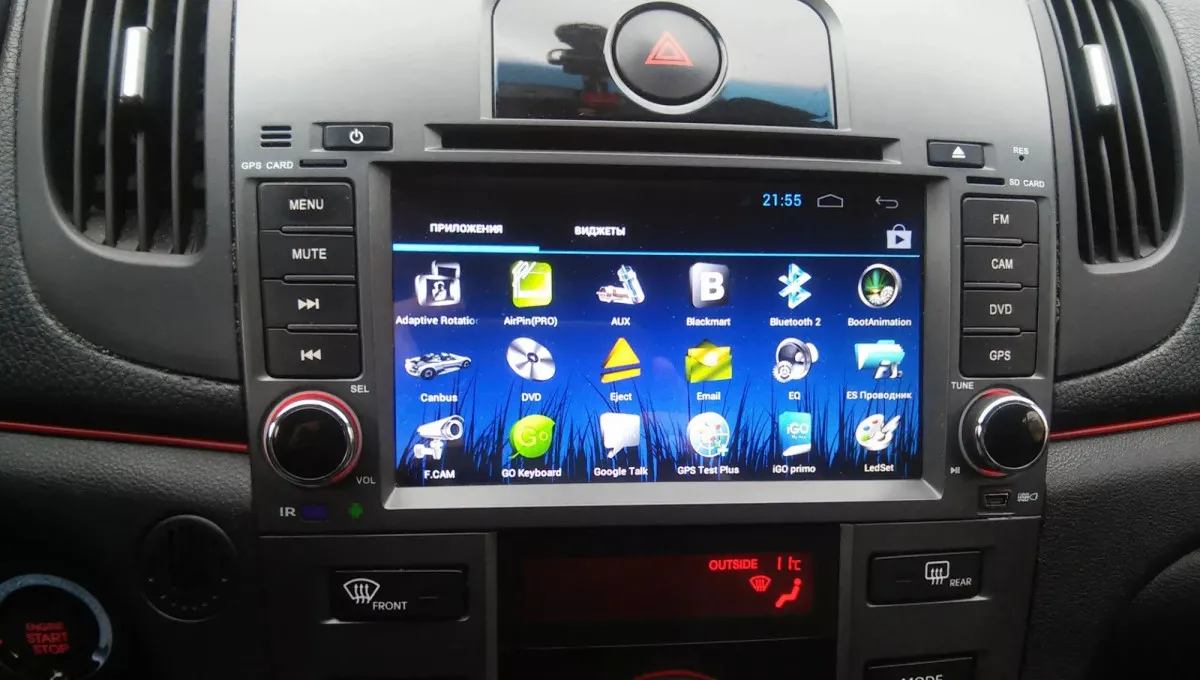
Your Old Car Can Feel New Again With These 7 Upgrades That Actually Make a Difference
Modernizing an Older Car: Better Audio, Navigation, Safety and Everyday Tech. An older car does not have to feel outdated when a few smart upgrades can transform everyday driving.
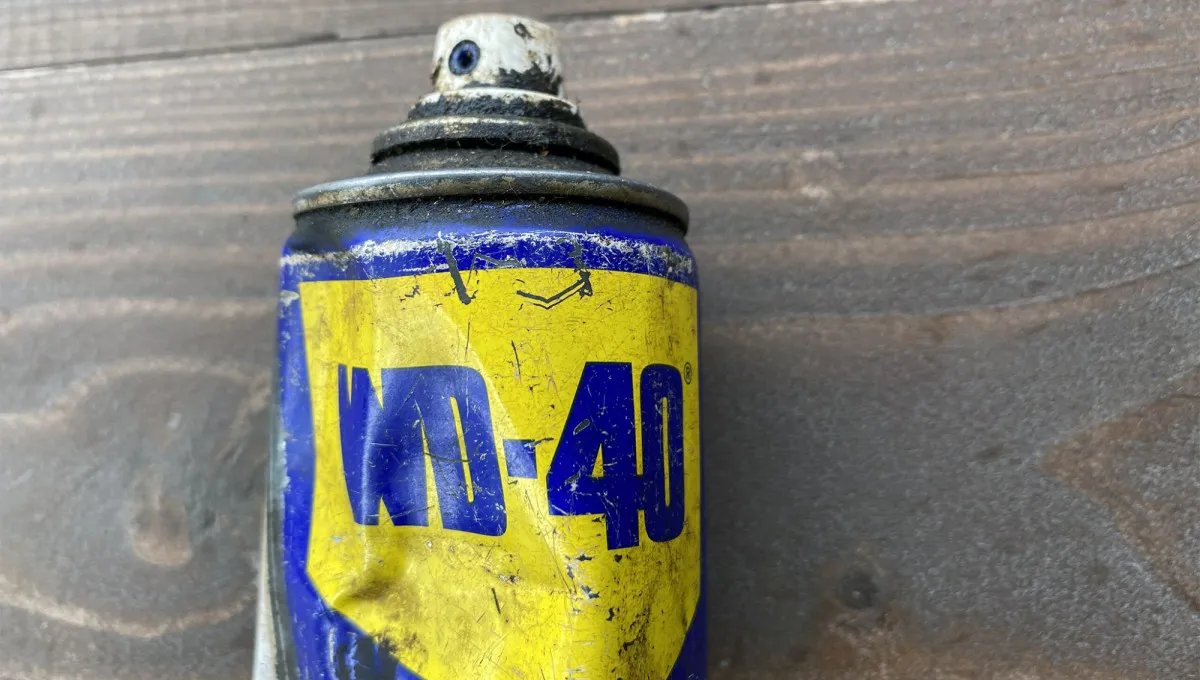
Expert Cautions: Spraying This on These 10 Car Parts Could Make the Problem Worse
WD-40 solves many automotive problems, but using it on the wrong parts can cause expensive damage.
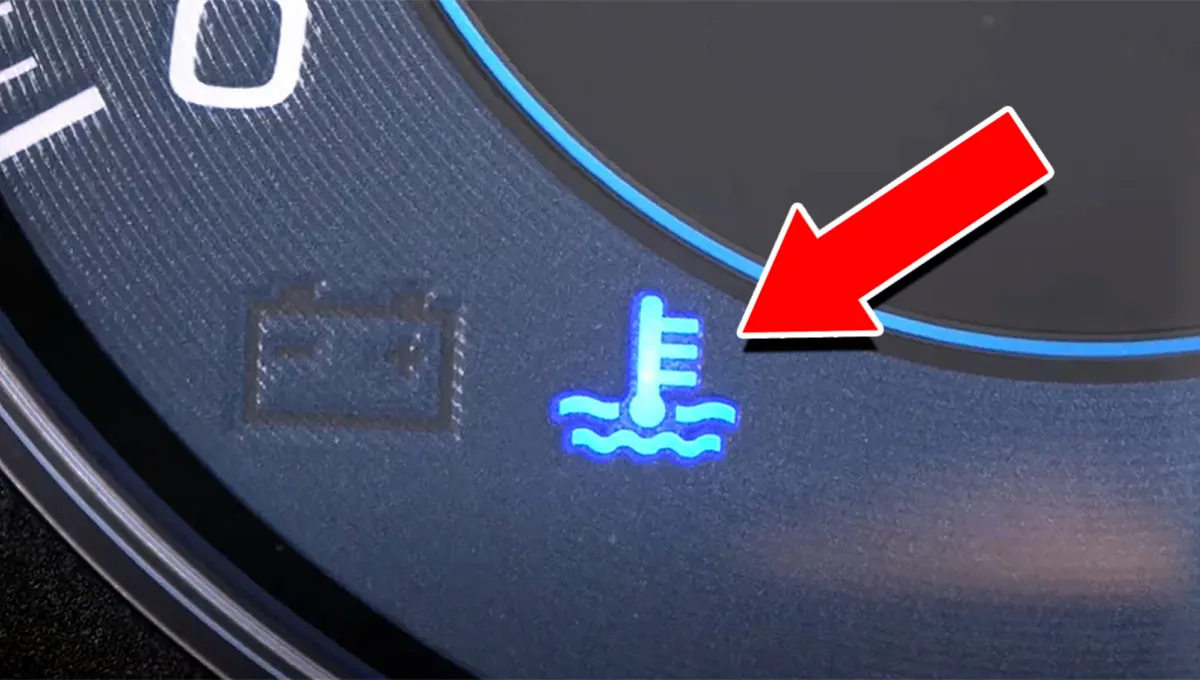
These 7 Dashboard Warning Lights Could Leave You Stranded—Here’s What They Really Mean
These dashboard warning lights can signal serious problems, from low oil pressure to overheating or brake trouble.

Size Matters to Them: 3 Zodiac Signs Who Love Big SUVs—Each for a Different Reason, With the Same Confidence
Three zodiac signs love America’s biggest SUVs, each for a different reason, but with equal confidence.