
What Are Those Marks on Your Speedometer? A Common Myth Debunked
Many cars have special marks on the instrument cluster. Few drivers notice them — but maybe they should.
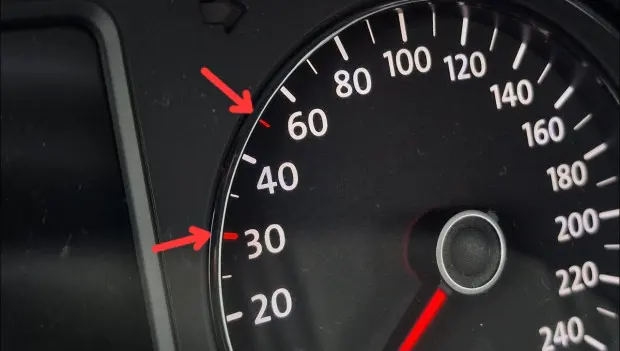
Many vehicles feature small marks on the instrument panel that most drivers rarely pay attention to. There’s a good chance your car has them, too — you may have simply never noticed. Take a look at your speedometer. See anything unusual?
There are generally two types of these markings.
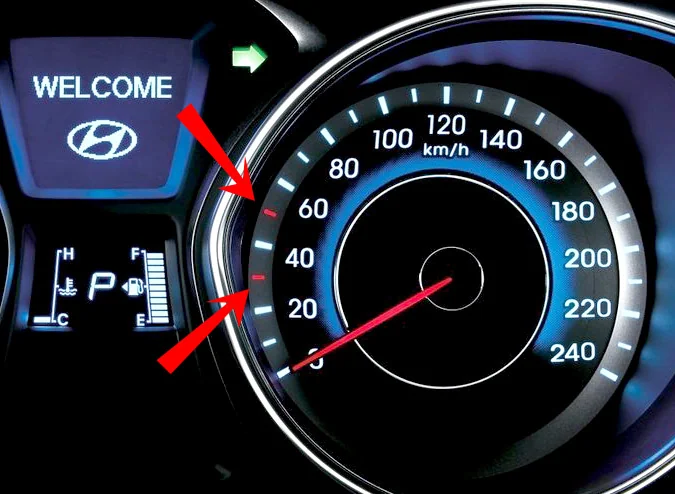
For European markets
Some vehicles officially sold in European Union countries have small marks at 19 mph and 31 mph on the speedometer. These correspond to 30 km/h and 50 km/h speed limits commonly enforced in Europe — 19 mph near schools and 31 mph in urban areas. The markings serve as a visual reminder of those limits.
For drivers who like to rev the engine
The second type of marking has sparked far more debate. These marks indicate the maximum recommended speed for specific gears in vehicles with manual transmissions.
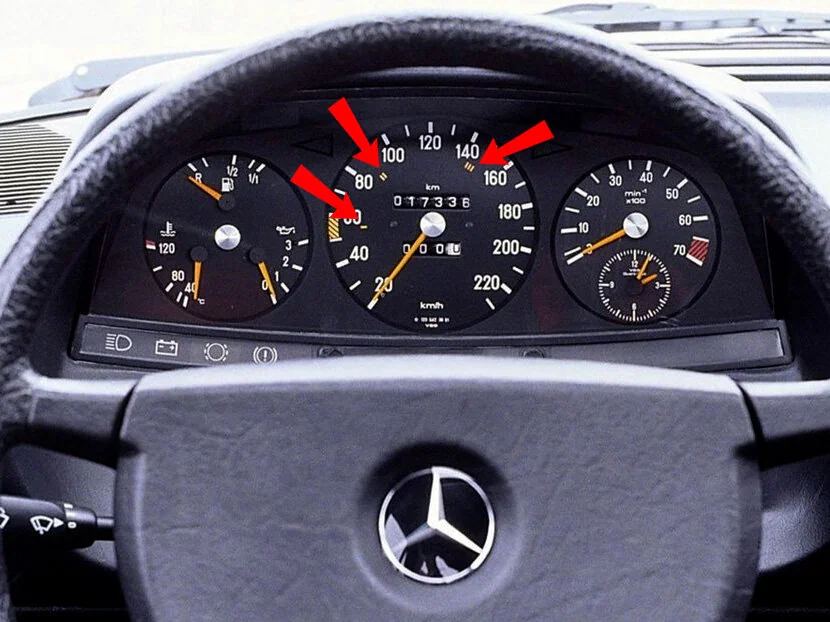
The first mark typically appears at about 34 mph (roughly 55 km/h), indicating the upper speed limit for first gear. The second is usually around 50–56 mph (about 80–90 km/h), corresponding to second gear. In some cases, there’s even a third mark at approximately 87 mph (around 140 km/h).
In modern vehicles, such markings are no longer necessary. Electronic engine management systems prevent drivers from over-revving or damaging the powertrain. As a result, these gear-related marks are mostly found on older cars.
You may also be interested in the news:
Test Yourself: Toyota’s Famous “Oh, What a …” Slogan — Can You Finish It?
Can You Finish Toyota’s Most Famous Slogan? Millions of Americans Heard This One Growing Up
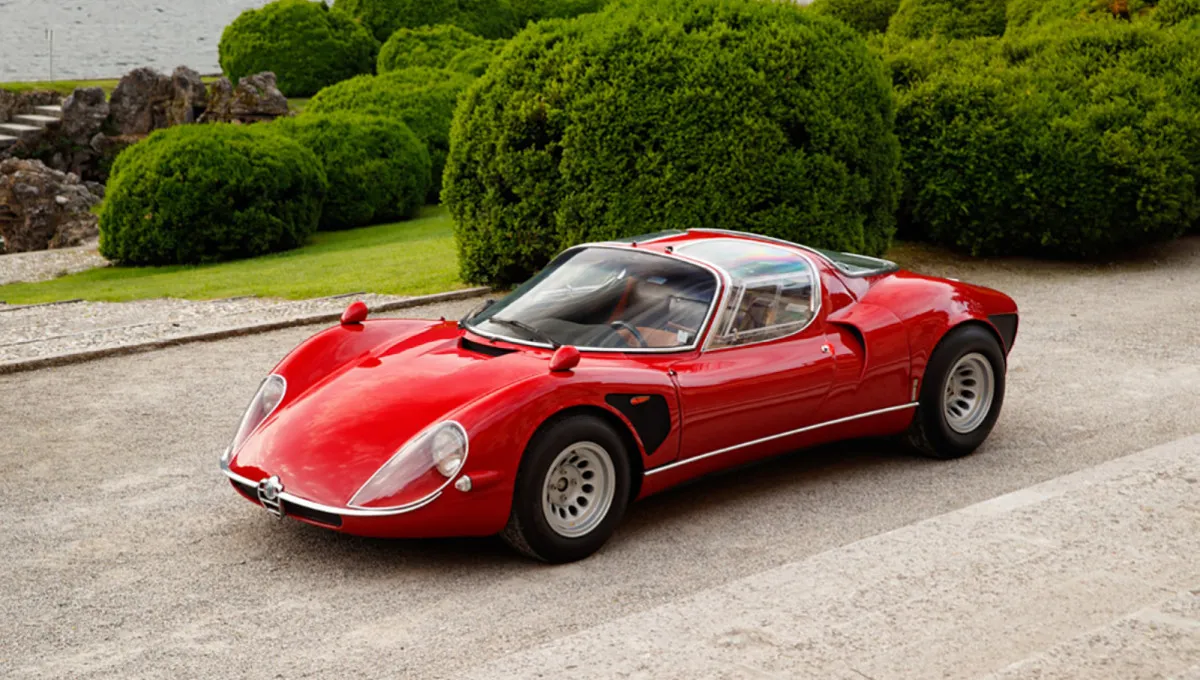
10 Rare Cars From Famous Brands You Probably Never Knew Existed
Some automakers built rare models that vanished into history, leaving collectors chasing them decades later.
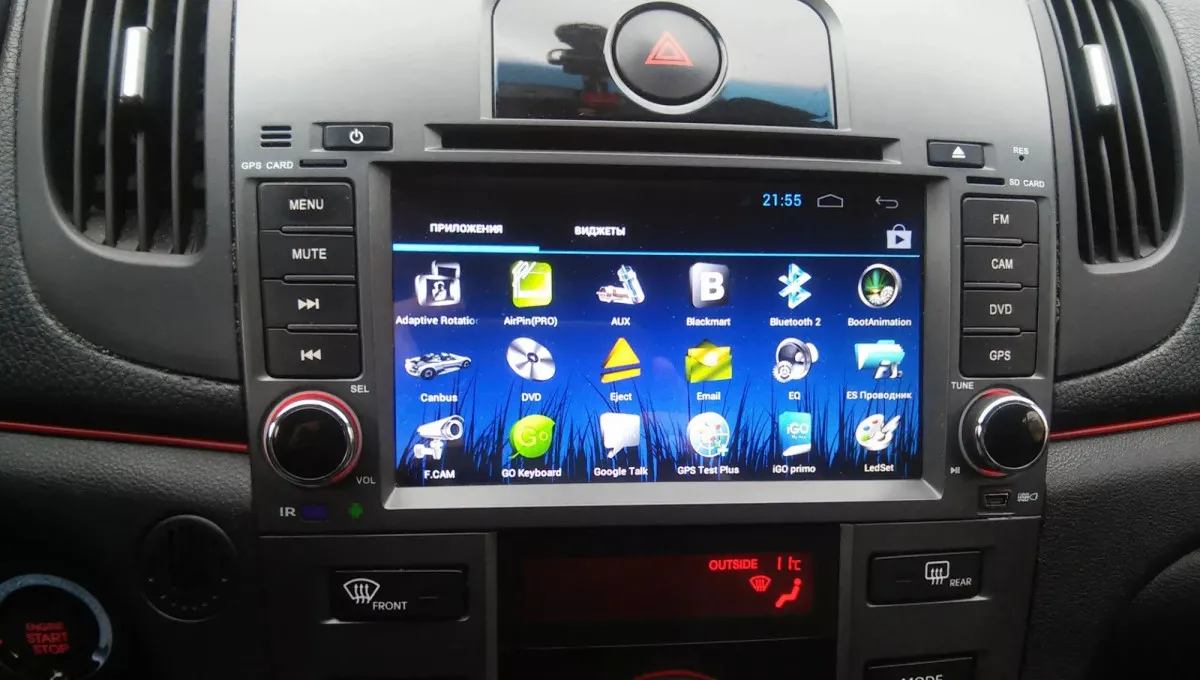
Your Old Car Can Feel New Again With These 7 Upgrades That Actually Make a Difference
Modernizing an Older Car: Better Audio, Navigation, Safety and Everyday Tech. An older car does not have to feel outdated when a few smart upgrades can transform everyday driving.
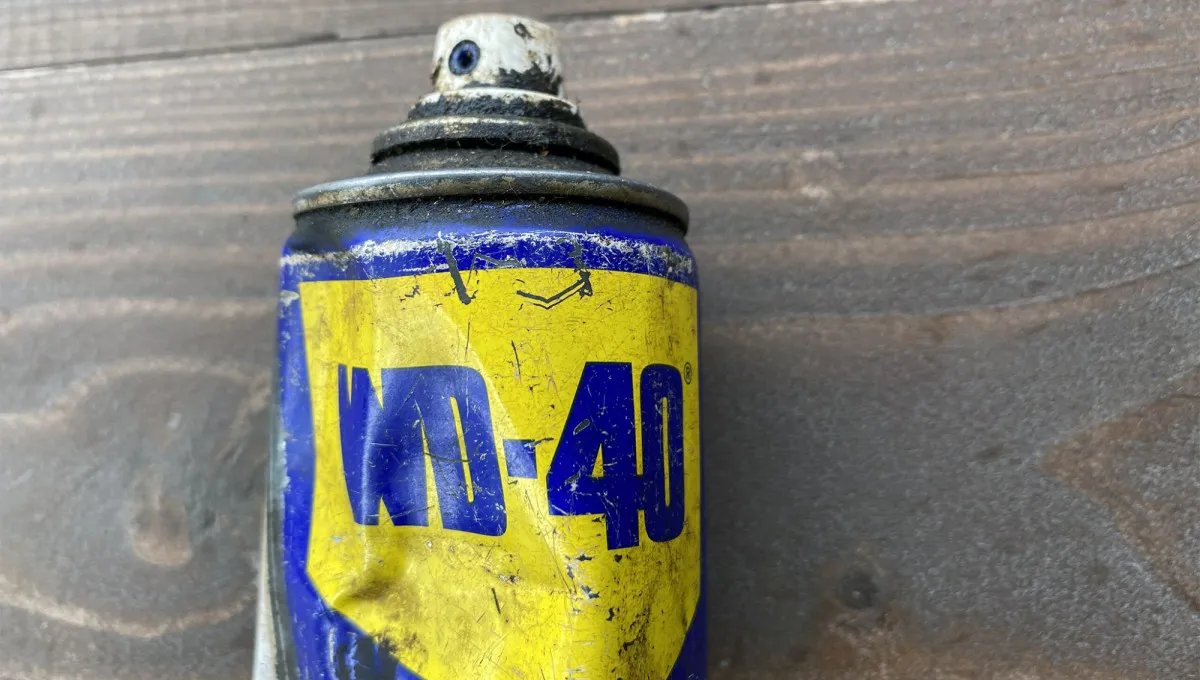
Expert Cautions: Spraying This on These 10 Car Parts Could Make the Problem Worse
WD-40 solves many automotive problems, but using it on the wrong parts can cause expensive damage.
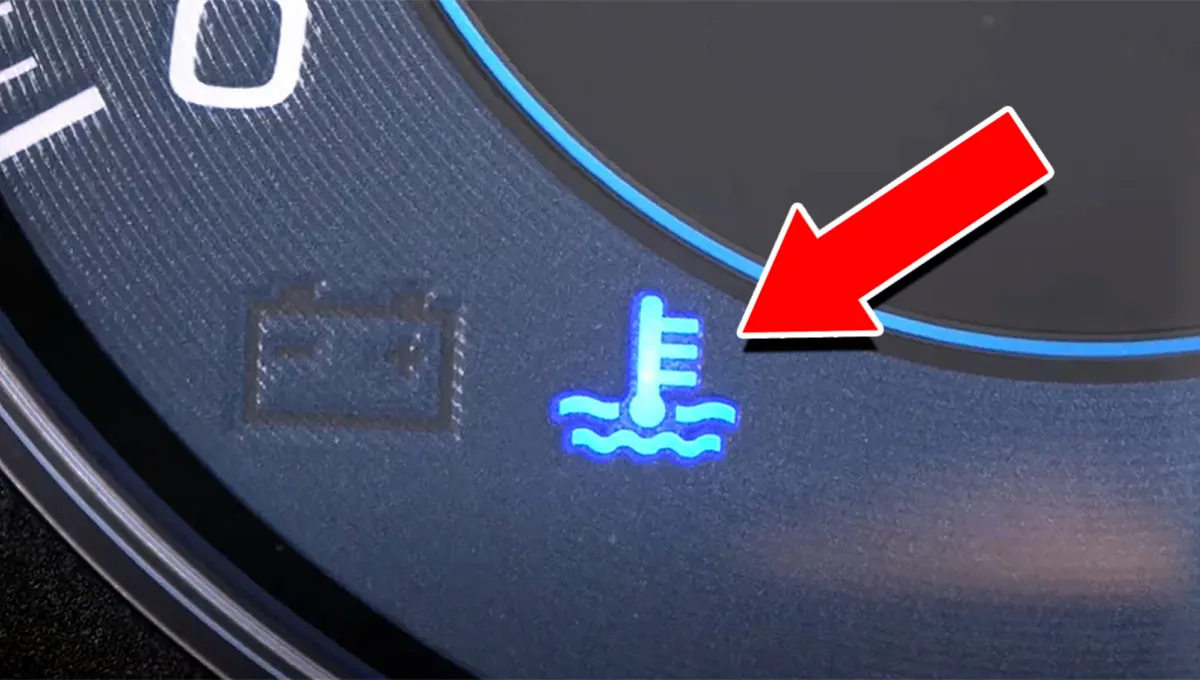
These 7 Dashboard Warning Lights Could Leave You Stranded—Here’s What They Really Mean
These dashboard warning lights can signal serious problems, from low oil pressure to overheating or brake trouble.