
BUTTONS vs. TOUCHSCREENS: A Study Finds What’s Safer Behind the Wheel
Physical buttons are becoming increasingly rare in modern vehicles, as most automakers shift toward touchscreen controls.
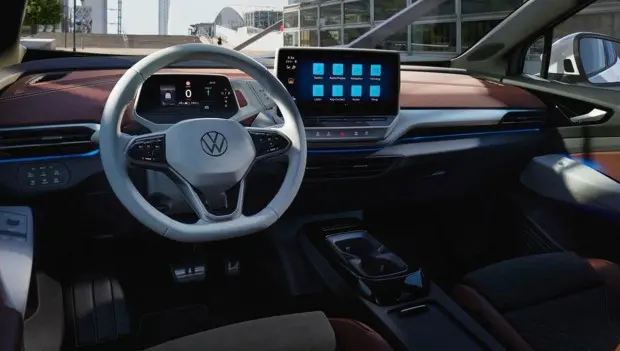
It’s no secret that traditional physical buttons are disappearing from new cars. Most automakers are replacing them with large touchscreens. But a recent European study suggests that old-school buttons may actually be faster — and safer — to use than touchscreen-based systems.
The findings show that using physical switches for functions such as climate control, audio adjustments, and certain driving features is safer than relying on a central touchscreen that controls nearly everything. That conclusion comes from Swedish automotive magazine Vi Bilägare, which conducted extensive Human-Machine Interface (HMI) testing on 12 vehicles this summer.
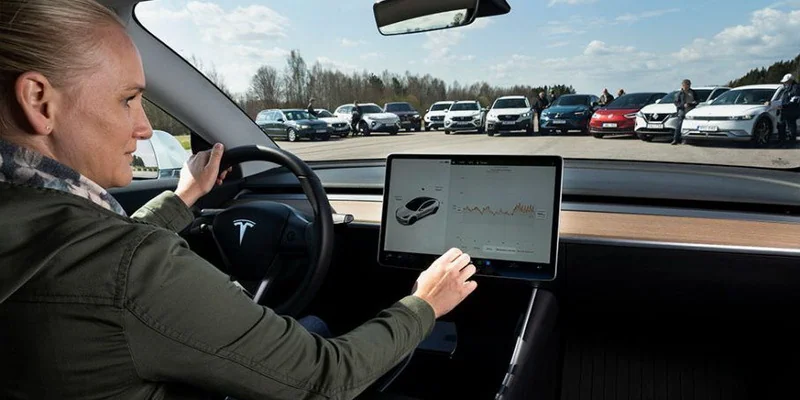
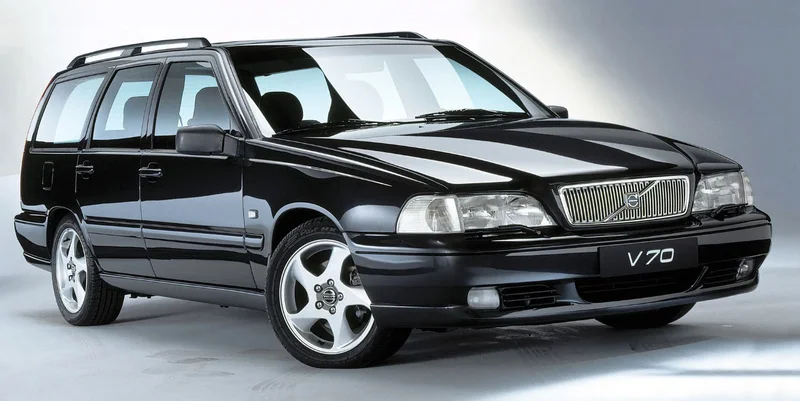
For the test, journalists gathered 11 modern vehicles — both internal combustion and electric — at an airfield. The lineup included the Tesla Model 3, BMW iX, Chinese-built MG Marvel R, Volkswagen ID.3, Dacia Sandero, Nissan Qashqai, Seat Leon, and others. As a benchmark, they also included a 17-year-old Volvo V70 with no touchscreen at all.
The task was straightforward: measure the time and distance required for a driver to complete simple actions such as changing a radio station or adjusting the climate settings — all while driving at 68 mph (110 km/h). Drivers were given time beforehand to familiarize themselves with each vehicle and its infotainment system.
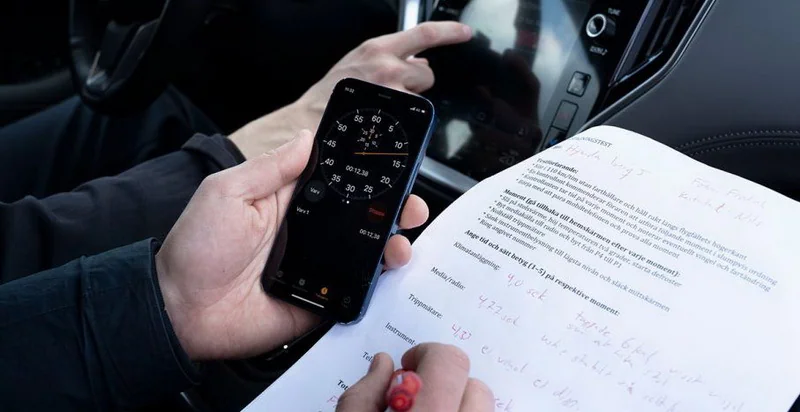
The Results
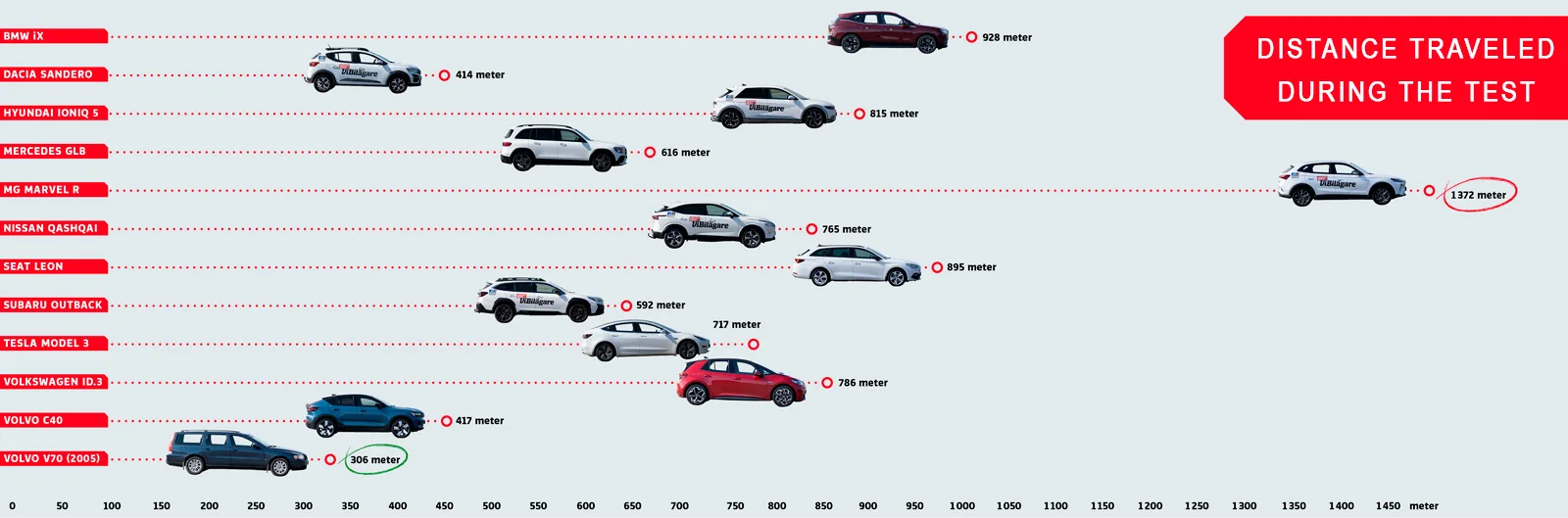
The clear winner was the older Volvo V70. It outperformed every modern vehicle by a wide margin. In the Volvo — packed with physical buttons and rotary controls — the driver completed four tasks in just 10 seconds, during which the car traveled 306 meters (about 1,004 feet).
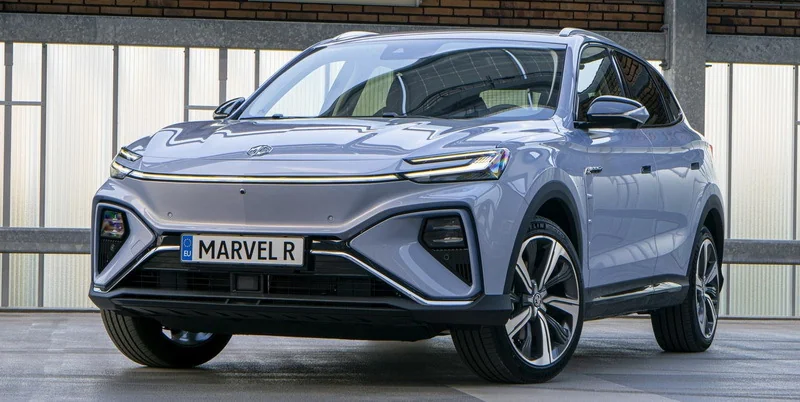
The worst performer was the MG Marvel R. It traveled more than a full kilometer farther than the Volvo before the driver finished all the tasks. Completing the test took 44.9 seconds, during which the vehicle covered 1,372 meters (about 0.85 miles).
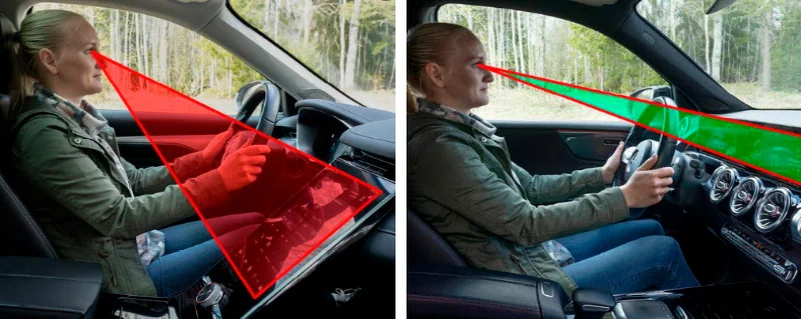
Testers also measured the angle at which drivers had to look down to operate controls. Photographs revealed that in the MG Marvel R, the driver’s line of sight dropped by 56 degrees to see the lower portion of the screen. By comparison, in a Mercedes-Benz GLB, the downward angle was just 20 degrees. The GLB completed the test in 20 seconds and 616 meters (about 2,021 feet).
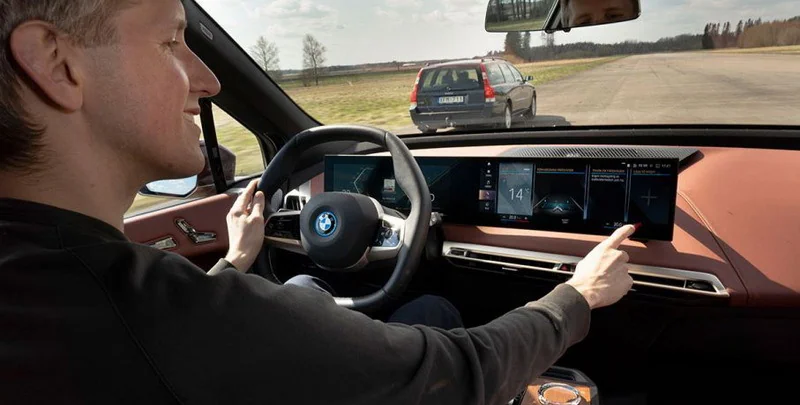
The BMW iX and Seat Leon performed better than the MG but were still considered overly complex. Drivers needed nearly 30 seconds and close to a kilometer of driving distance to complete the tasks — a significant span of road where unexpected hazards could arise. The BMW system, while feature-rich, was described as one of the most complicated user interfaces the testers had encountered.
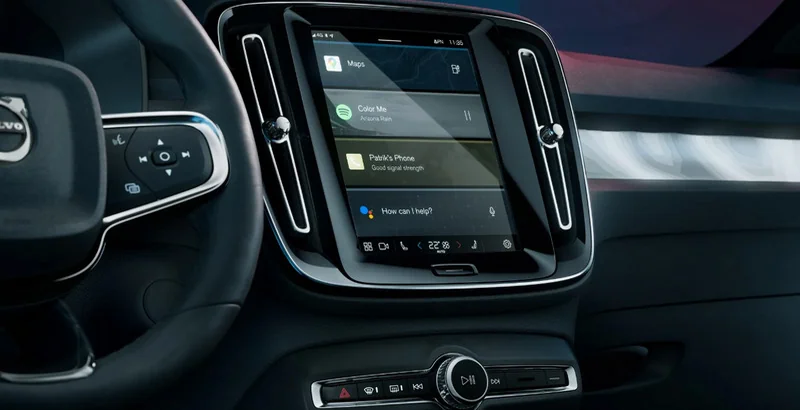
Not every modern vehicle fared poorly. The Dacia Sandero and Volvo C40 delivered some of the best results among newer models. Both feature touchscreens but retain physical buttons for many core functions. Each completed the test in 13 seconds, traveling 414 and 417 meters respectively (around 1,360 feet).
The Tesla Model 3 landed squarely in the middle of the rankings. Its large central touchscreen controls nearly all vehicle functions — even windshield wipers. The world’s best-selling EV completed the tasks in 23.5 seconds, covering 717 meters (about 2,352 feet).
Not All Touchscreens — or Buttons — Are Equal
Researchers emphasized that the study does not suggest all touchscreens are inherently bad. Rather, the results indicate that simplified screen interfaces — or hybrid setups that retain physical buttons for key functions — are easier and safer for drivers to use. Dedicated physical controls for certain tasks can significantly reduce distraction.
However, Vi Bilägare also pointed out that poorly designed buttons can create problems of their own. Controls without backlighting can be frustrating or even unusable at night. In vehicles like the VW ID.3 and Seat Leon, unlit climate-control buttons located beneath the touchscreen were criticized for being nearly invisible in the dark.
The takeaway: while digital interfaces dominate modern interiors, thoughtful design — whether physical or touch-based — remains critical for safety behind the wheel.
You may also be interested in the news:
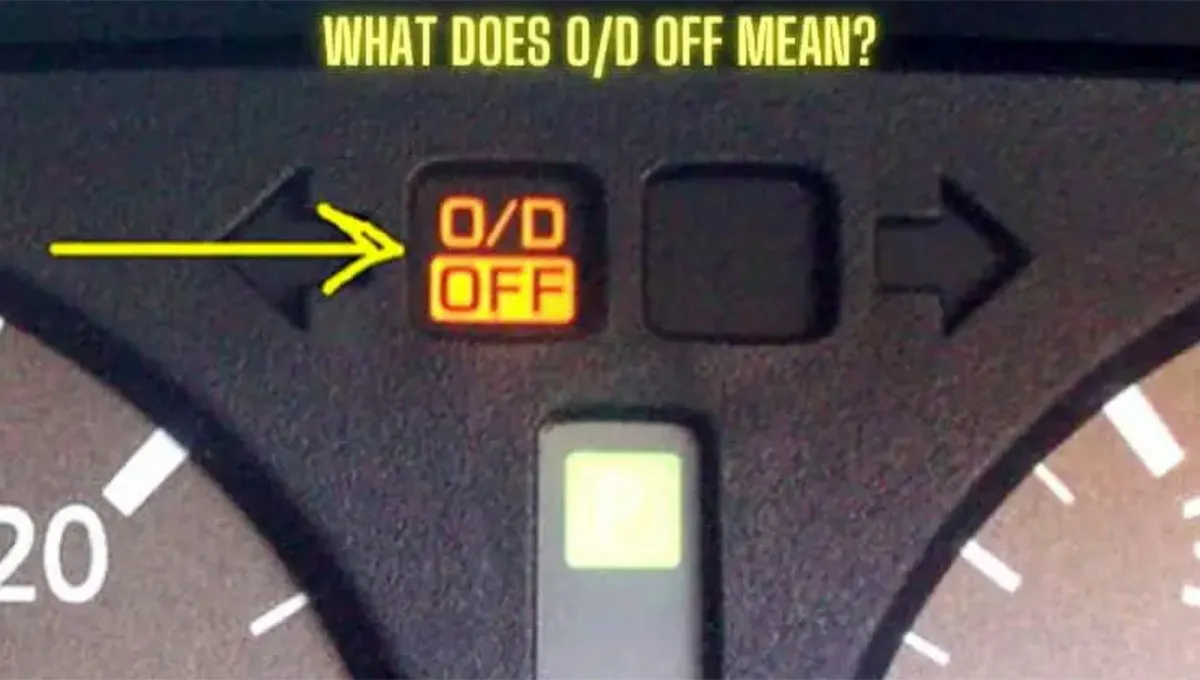
That O/D OFF Button in Your Car Has a Purpose—Here’s When You Actually Need to Press It
That mysterious O/D OFF button isn't a warning of transmission trouble—it can actually make driving easier in specific situations.
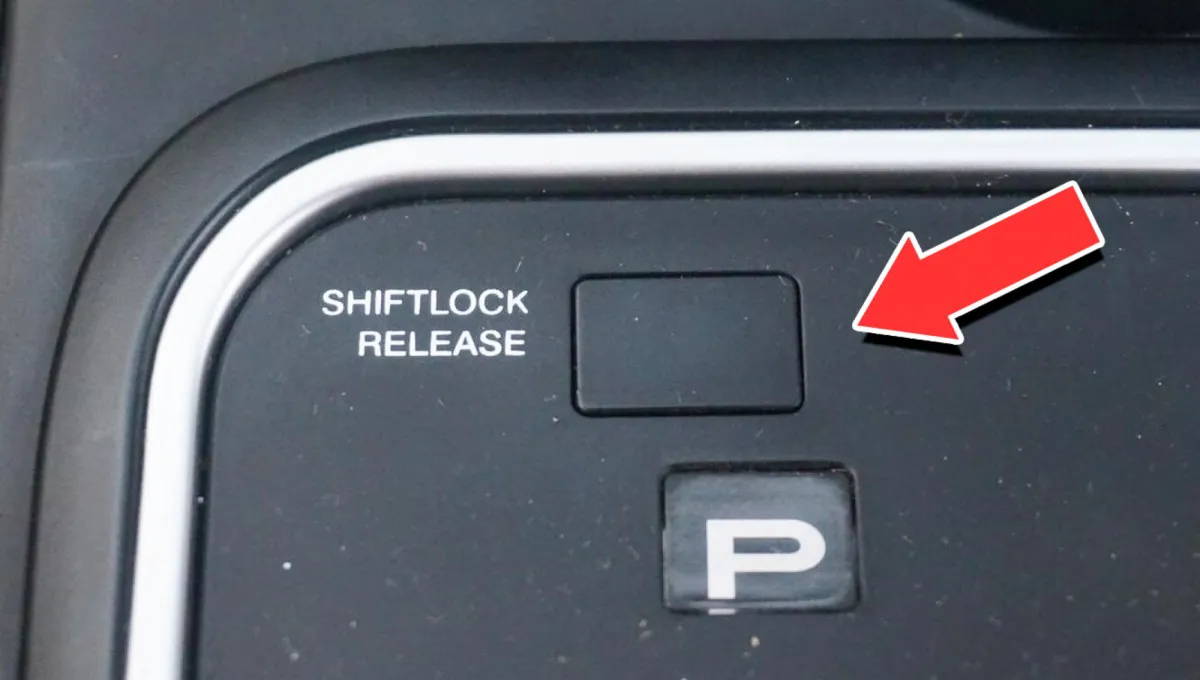
Shift Lock Explained: Why Your Automatic Shifter Won’t Move—and Why That’s Actually Good
If your automatic shifter suddenly refuses to move, there’s a good chance your car is protecting you from an accidental gear change.
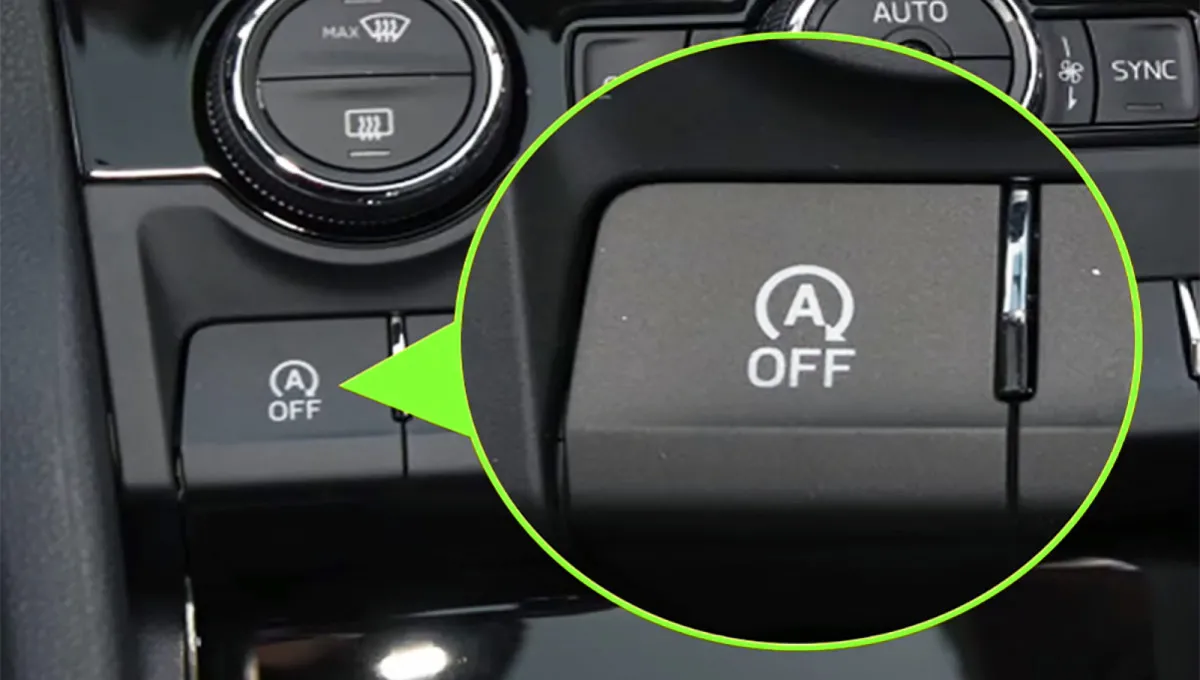
Start/Stop Systems Are Everywhere — But Are They Really Saving You Gas or Wearing Out Your Engine?
Does start-stop technology really save fuel, and does it put extra wear on the engine? Here’s what drivers need to know.

The “Gas-Saving” Tricks That Could Destroy Your Car — And What Drivers Should Do Instead
Some fuel-saving tricks can backfire, costing drivers far more in repairs than they ever save at the gas pump.
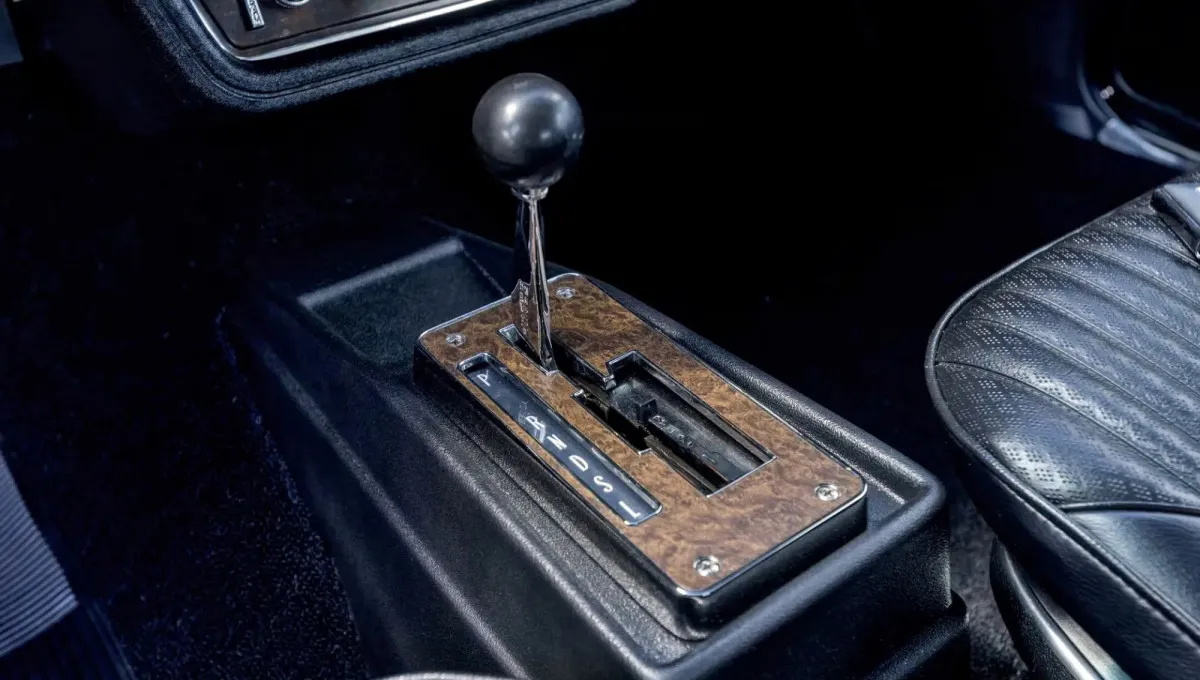
How Oldsmobile Invented a Manual Gearbox for an Automatic
Long before paddle shifters and electronic driving modes, Oldsmobile found a clever mechanical way to let drivers shift an automatic transmission themselves.