
You Probably Didn’t Know This: What the L, 2, and 3 Gears on an Automatic Are Really For
Vehicles equipped with an “L” gear are still being built today.
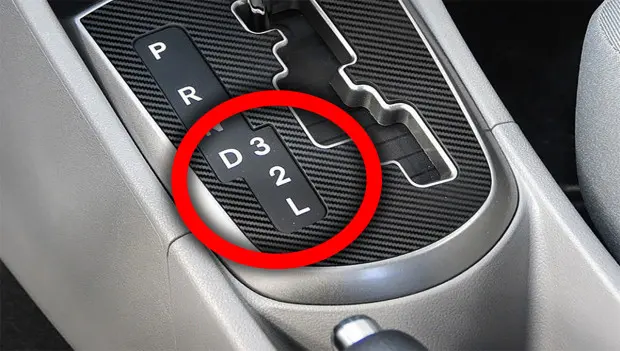
Driving a vehicle with a traditional hydraulic automatic transmission can sometimes feel like a tug-of-war between the driver and the electronics. The system tries to upshift as early as possible to save fuel and lower engine revs, while the driver may want to hold a lower gear to maintain power and smoother acceleration.
In that “battle,” certain transmission modes found on some automatic vehicles can be surprisingly helpful. Let’s break down when to use L, what it means, and how it differs from other settings.
What Do “2” and “L” Mean on an Automatic?
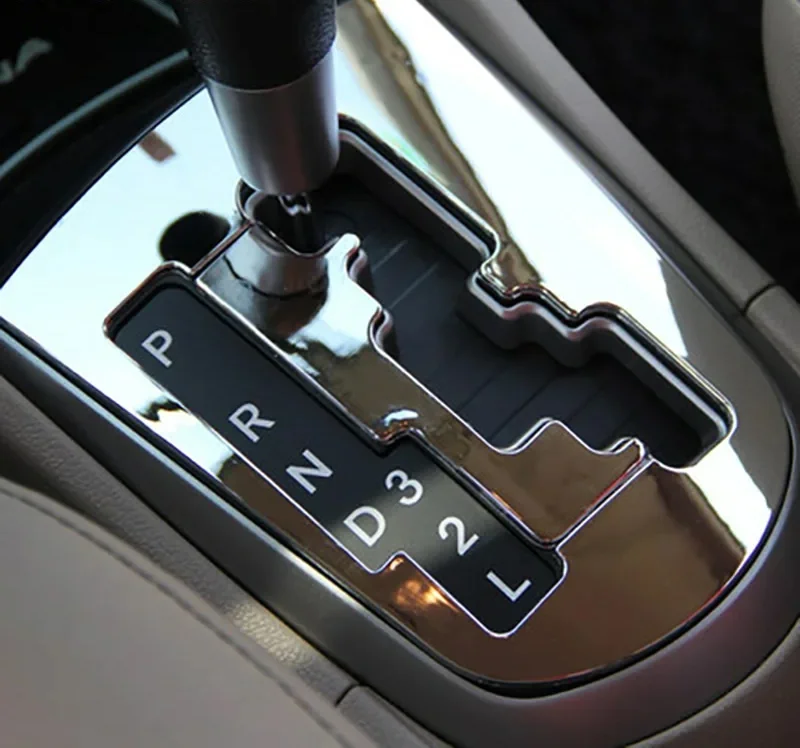
Modern vehicles rely heavily on electronics, but older automatic transmissions offered more direct driver control. On the gear selector, you’d often see a series of letters and numbers—markings that weren’t always intuitive without reading the owner’s manual.
Many drivers simply ignored these additional modes, worried they might damage the transmission. In reality, under the right conditions, they could be very useful.
When Should You Use “L” on an Automatic?
One of the most confusing settings is “L.” Some assume it stands for Low, Long, or even Last. In practice, it refers to a low gear hold.
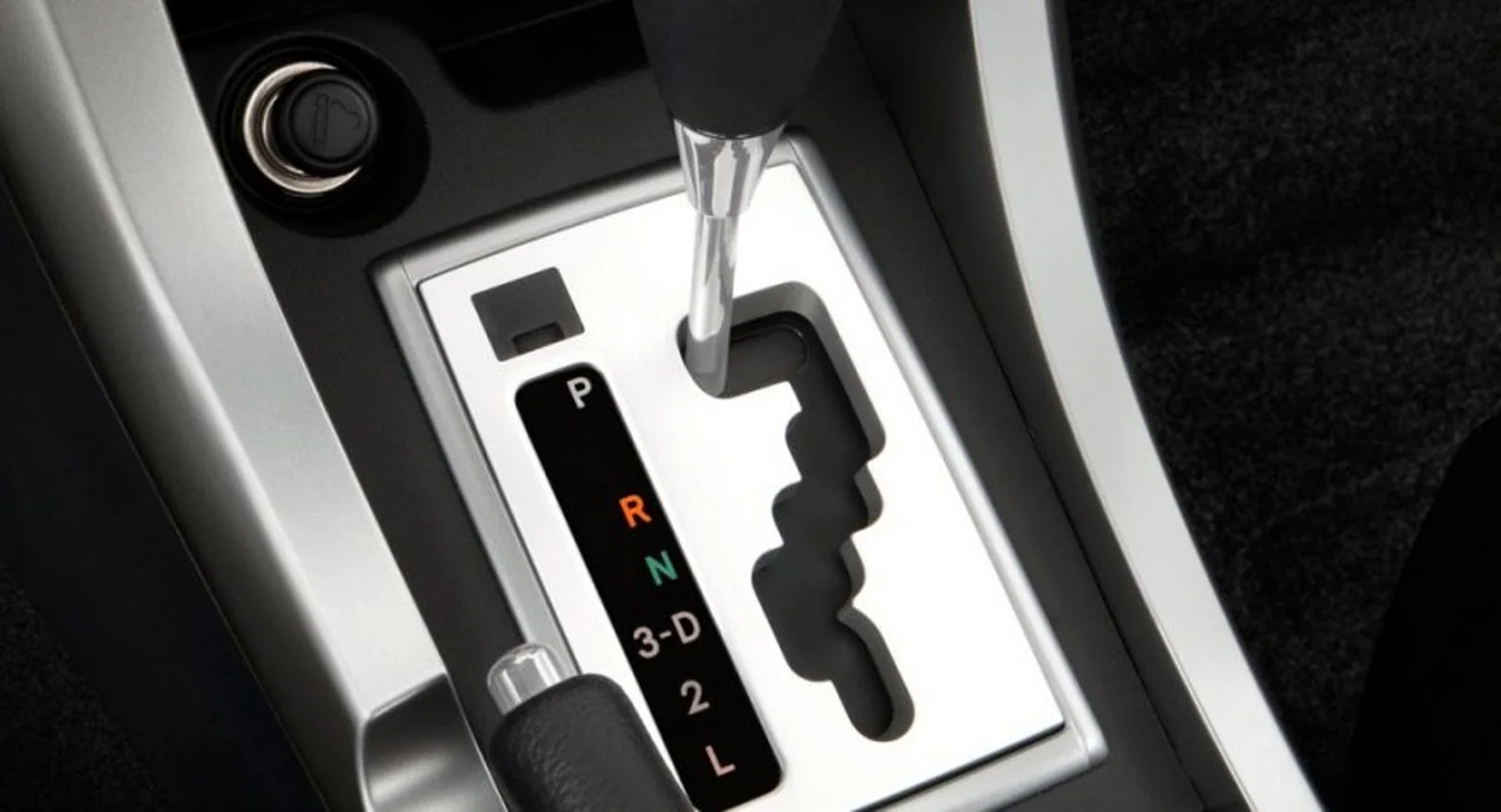
When you select “L,” the transmission prevents upshifting into higher gears. Essentially, the vehicle stays in first gear—similar to keeping a manual transmission in first without shifting up.
So why use it?
Imagine your vehicle is stuck in loose snow, deep mud, or on a washed-out dirt road. Older automatics didn’t have advanced traction systems capable of detecting slippery surfaces and adjusting accordingly. You press the gas, the engine revs higher, and the transmission—assuming you’re accelerating normally—upshifts.
That can lead to wheel spin. The tires lose traction, spin faster, and the vehicle digs itself in even deeper.
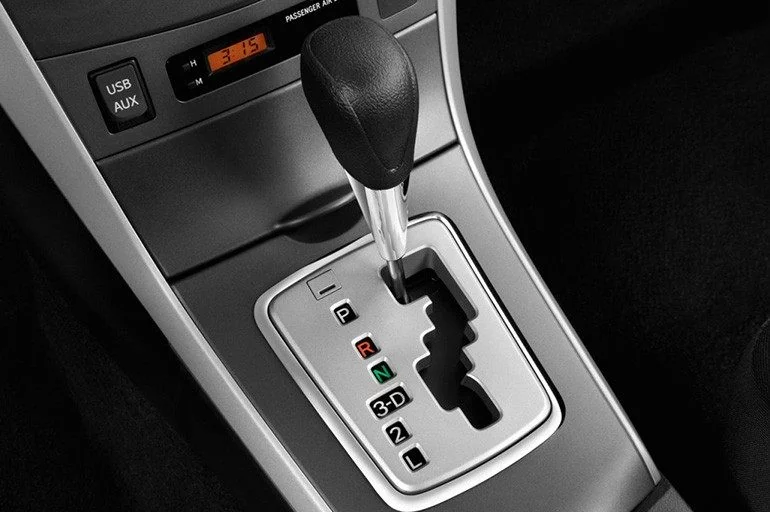
With a manual transmission, a driver could ease forward in a low gear, keeping engine speed moderate and maintaining traction. An automatic without restrictions would continue trying to shift up.
Selecting “L” solves this problem by holding first gear, allowing the vehicle to move slowly and steadily without unwanted upshifts. That said, in very challenging conditions, this alone may not always be enough.
What Is “2” on an Automatic? The Difference Between “2” and “3”
Experienced drivers know that getting through tough terrain isn’t just about torque—it’s also about momentum. Sometimes you need a bit of speed to power through a series of ruts, puddles, or snow drifts.
If you stay in first gear only, the vehicle may move too slowly. That’s where “2” comes in. This setting allows the transmission to operate in first and second gear but prevents it from shifting into third.
This gives you slightly more speed while still avoiding unnecessary upshifts. Second gear can provide just enough momentum to carry you through a difficult stretch.
What About “3”? Useful in the Mountains
The same logic applies to the “3” setting: the transmission won’t shift higher than third gear. This can be especially helpful when towing a trailer or driving on long uphill or downhill grades.
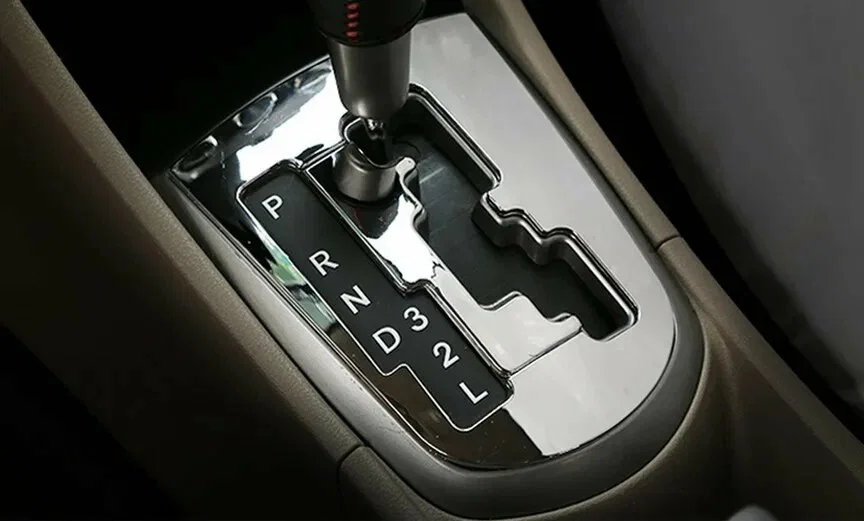
In mountainous terrain, limiting the transmission to lower gears allows you to take advantage of engine braking and reduces strain on the brake system. However, prolonged use on steep descents can increase wear on the transmission and torque converter.
Does Using “L” Save Fuel?
Some drivers assume these older transmission modes must offer hidden advantages—such as improved fuel economy.
Unfortunately, that’s not the case. In most everyday driving situations, using “L” will actually increase fuel consumption, since the engine runs at higher RPMs for longer periods.
That said, vehicles with traditional automatic transmissions remain popular for their durability and straightforward functionality—especially among drivers who prefer mechanical simplicity over heavy reliance on modern electronics.
You may also be interested in the news:
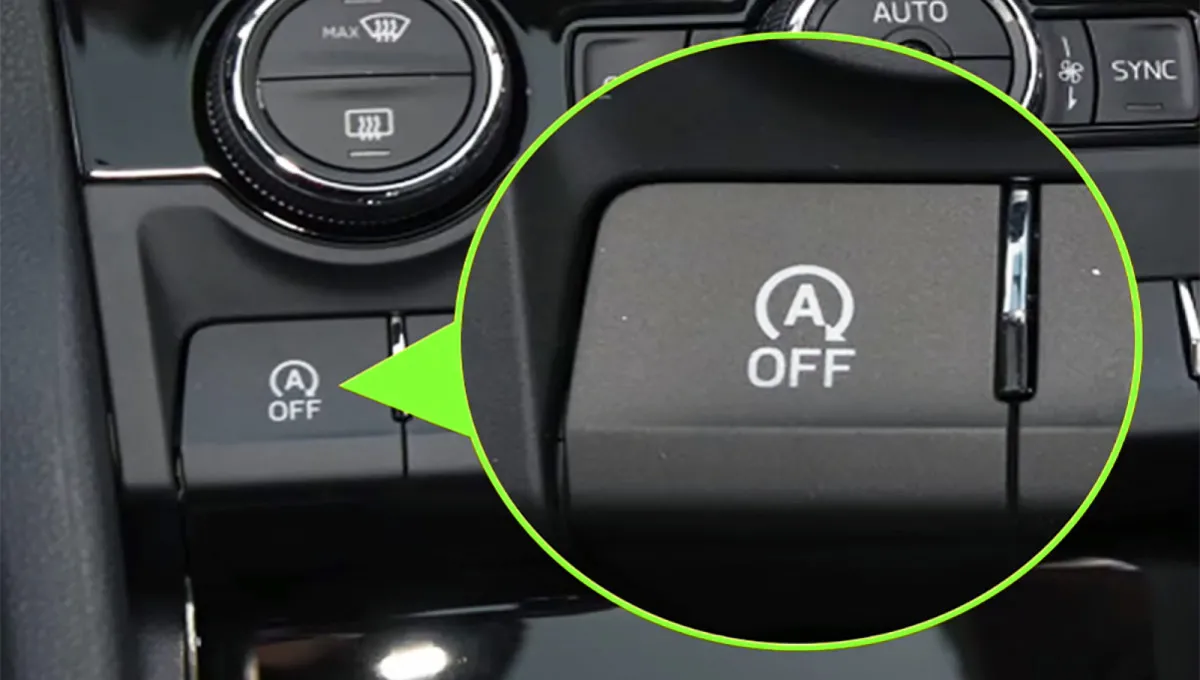
Start/Stop Systems Are Everywhere — But Are They Really Saving You Gas or Wearing Out Your Engine?
Does start-stop technology really save fuel, and does it put extra wear on the engine? Here’s what drivers need to know.
The “Gas-Saving” Tricks That Could Destroy Your Car — And What Drivers Should Do Instead
Some fuel-saving tricks can backfire, costing drivers far more in repairs than they ever save at the gas pump.
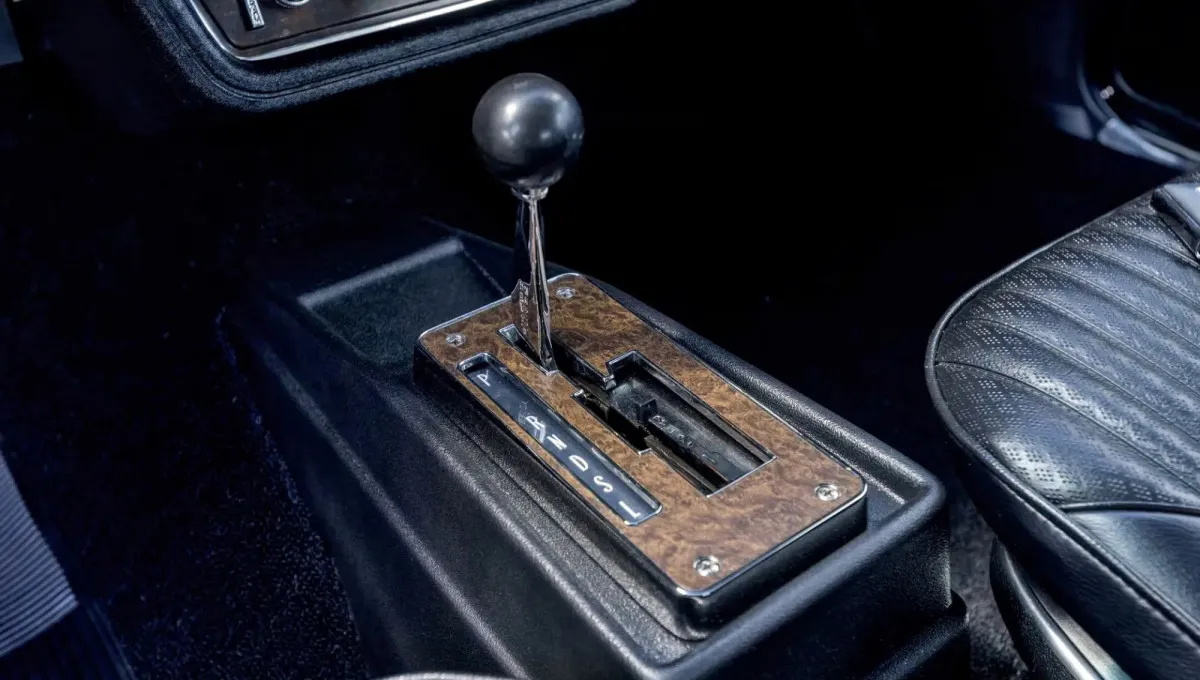
How Oldsmobile Invented a Manual Gearbox for an Automatic
Long before paddle shifters and electronic driving modes, Oldsmobile found a clever mechanical way to let drivers shift an automatic transmission themselves.
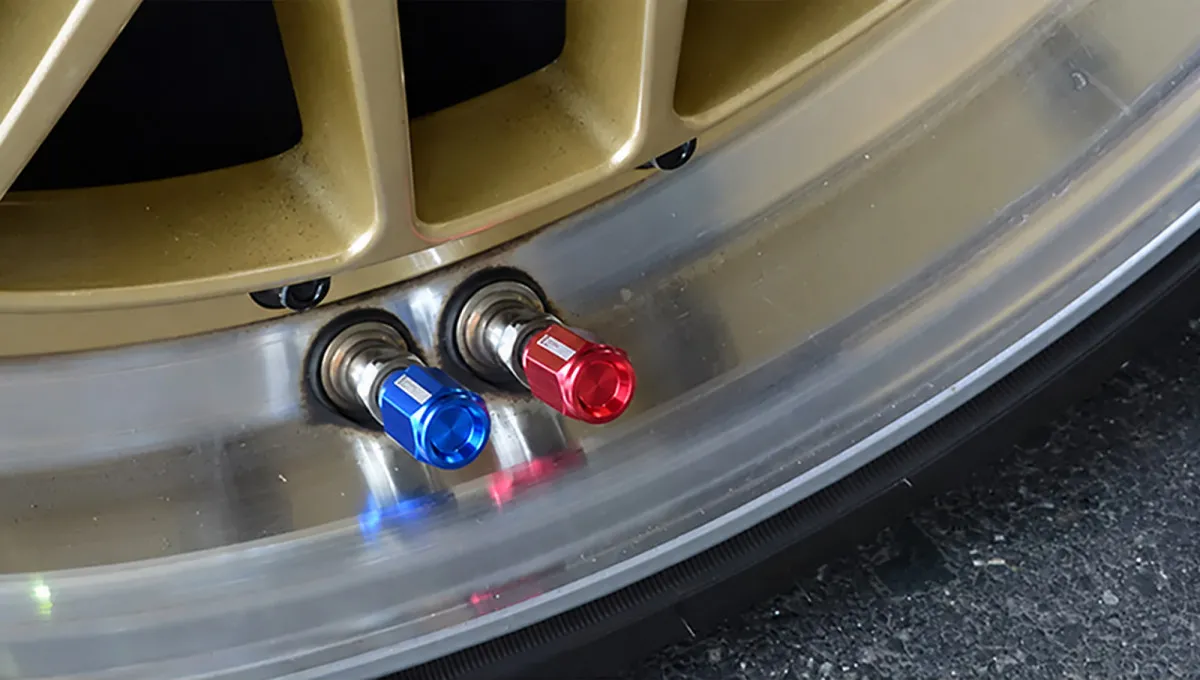
Not a Manufacturing Error: Why Some Wheels Have Two Valve Stems
Two valve stems on one wheel may look unusual, but the setup serves a practical purpose in racing and specialized tire service.
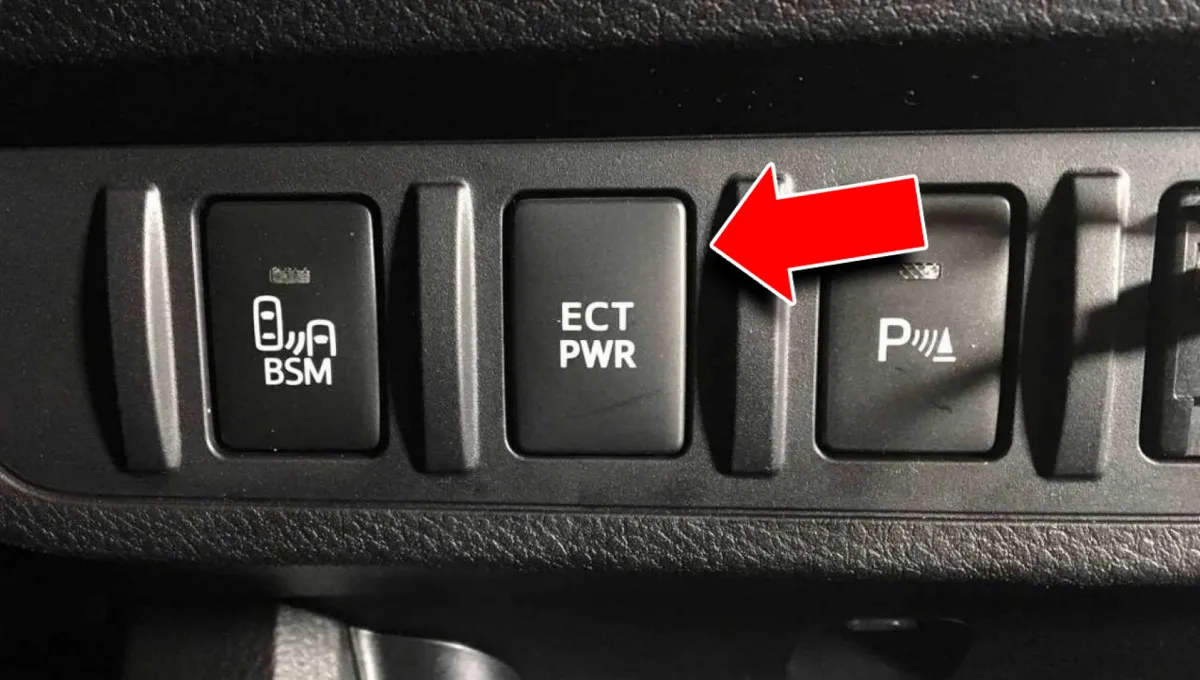
You Hit ECT PWR and Your Toyota Suddenly Wakes Up: What That Mysterious Button Really Does
This little button can change the way a Toyota drives, but plenty of owners have no idea what actually happens when they press it.