
How Iconic Car Brands Got Their Names: 15 Surprising Short Stories You Won’t Hear at the Dealership
You probably know that BMW stands for Bavarian Motor Works and that Mercedes was named after an Austrian businessman’s daughter. But what about the brand named after a French aristocrat who founded Detroit?
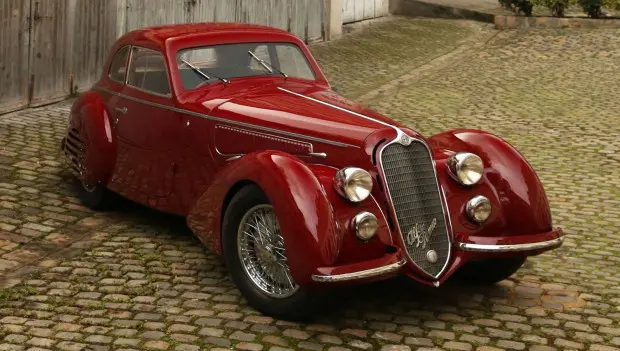
You likely know that BMW stands for Bayerische Motoren Werke (Bavarian Motor Works), and that Mercedes-Benz traces its name to the daughter of an Austrian businessman. But what about the automaker named after a French nobleman who founded Detroit? Or the brand whose name translates from Latin as “I roll” and was cemented over a plate of crayfish? The origins of car brand names often hide stories far more compelling than the dry lines of an encyclopedia. Here are 15 examples proving that every badge carries more than just clever marketing.
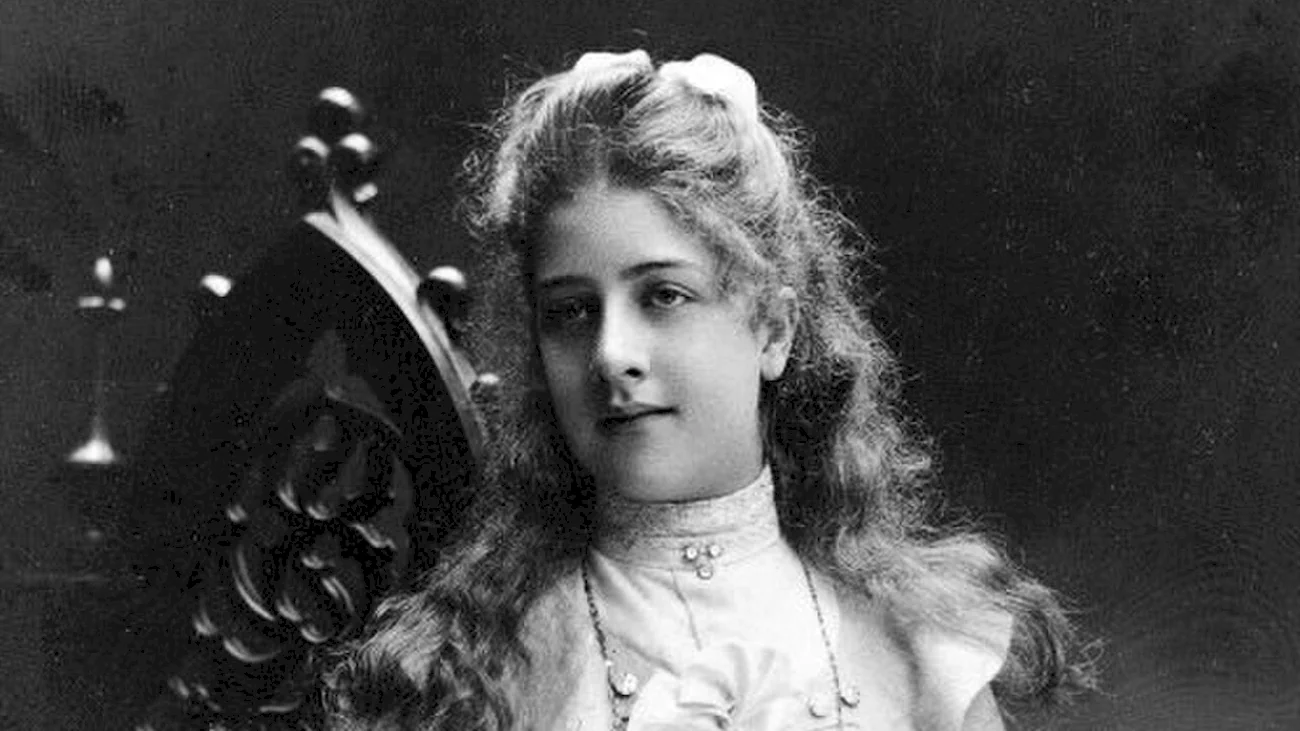
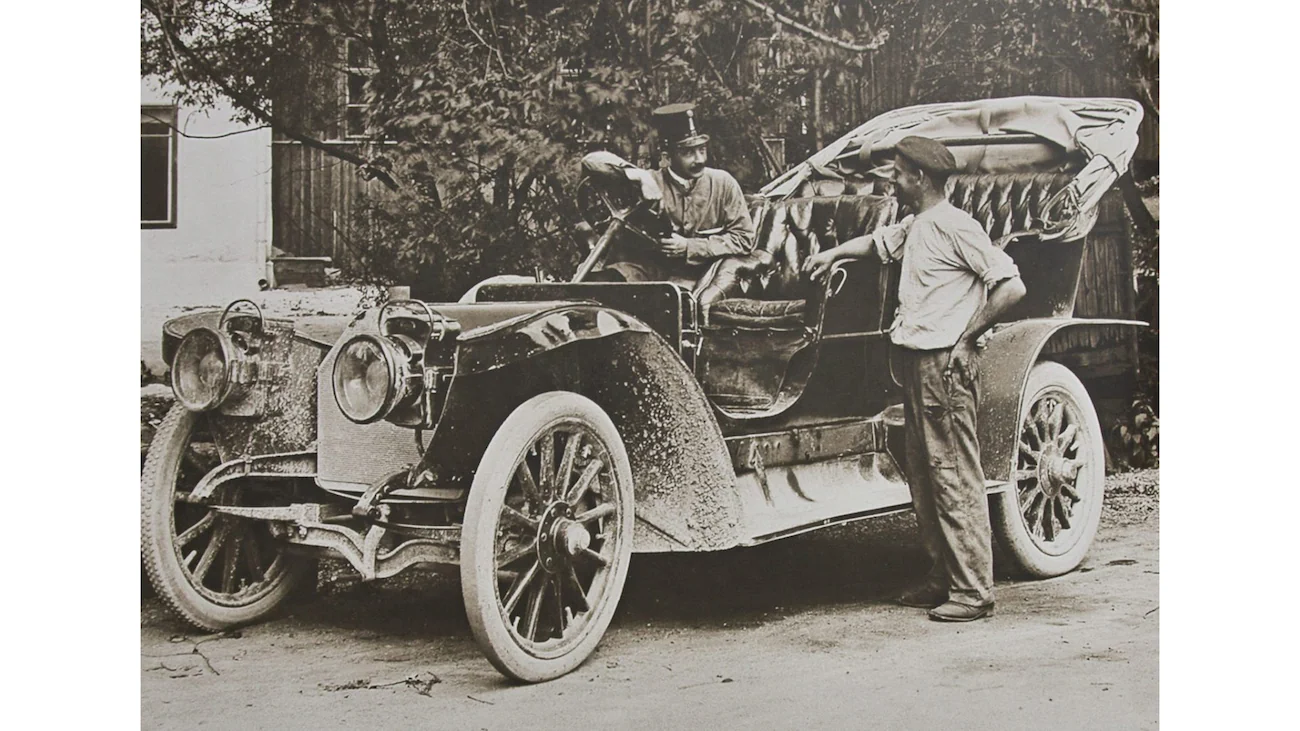
When Emil Jellinek sent a telegram to Gottlieb Daimler ordering 36 cars on the condition that they be named after his 10-year-old daughter, Mercedes, he likely had no idea he was creating one of the most recognizable brands on Earth.
“Mercédès” in Spanish means “grace” or “mercy,” though fate was not especially merciful to the girl herself. She endured two divorces, lost her fortune, and died of cancer at 39. Her name, however, lives on. That story is widely known — but others are just as remarkable.
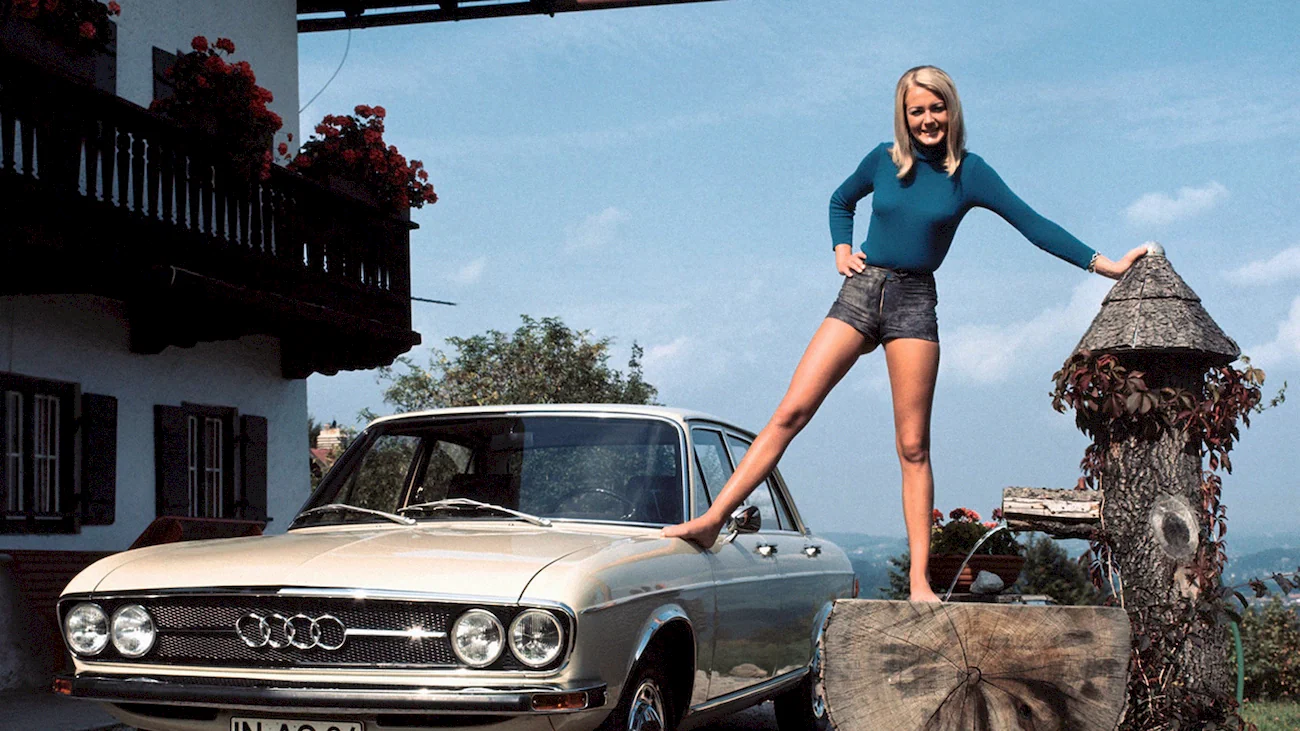
Take Audi. August Horch, after leaving his own company Horch, was legally barred from using his surname for a new venture. His former partners sued — and won. But “Horch” in German means “listen.” The son of a business associate suggested translating the verb into Latin. “Audi” became the perfect compromise between legal restrictions and personal identity.
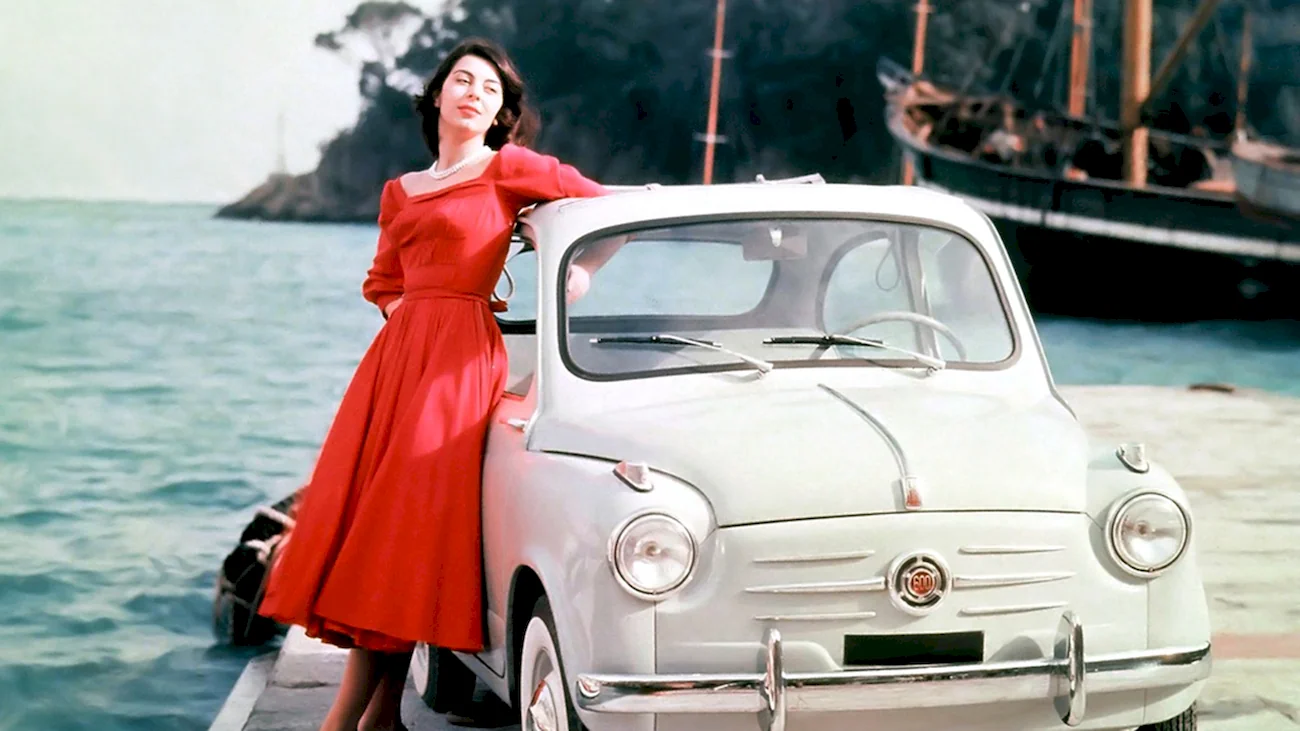
Latin wordplay appears elsewhere, too. Fiat is an acronym for Fabbrica Italiana Automobili Torino (Italian Automobile Factory of Turin). Yet its founders were well aware that “fiat” in Latin means “let there be” — a phrase echoing creation itself. A bold name for a company aiming to build something great.
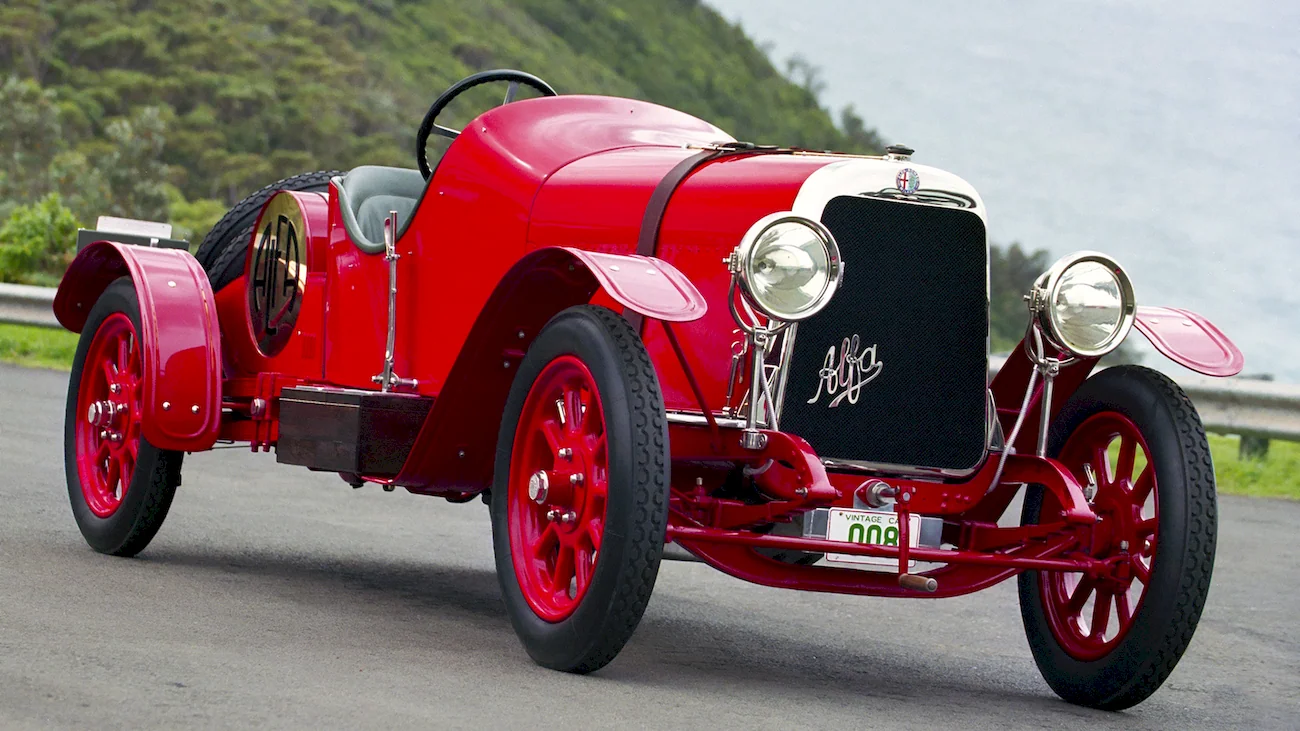
Alfa Romeo is also partly an acronym. ALFA stands for Anonima Lombarda Fabbrica Automobili (Lombard Automobile Manufacturing Company), while “Romeo” comes from engineer Nicola Romeo, who acquired the company in 1915. Notably, the first car bearing the Alfa Romeo name didn’t appear until 1921.
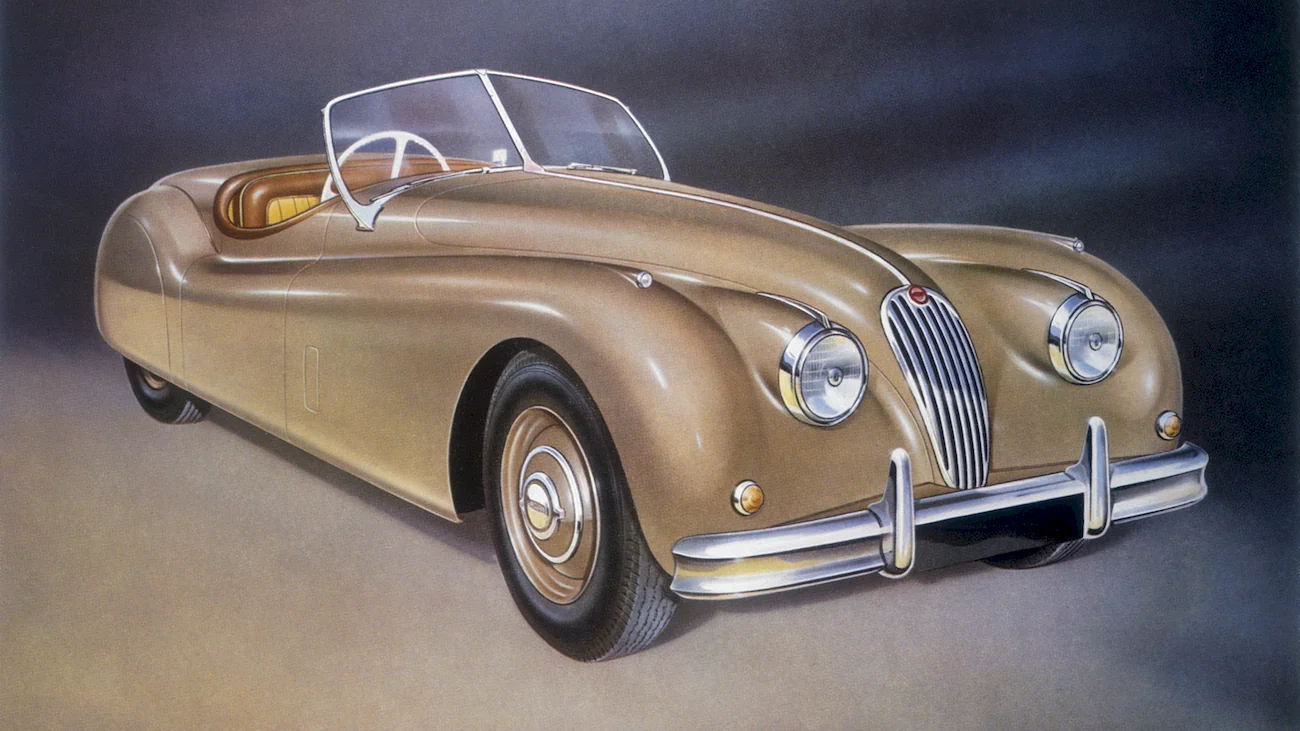
The story of Jaguar is one of reputation rescue. Until 1945, the company was known as SS Cars (Sidecar Swallow). After World War II, those initials became toxic. Management rebranded, choosing the name of the fastest big cat. Rarely is a marque renamed not for a person, place, or acronym — but purely because of political reality.
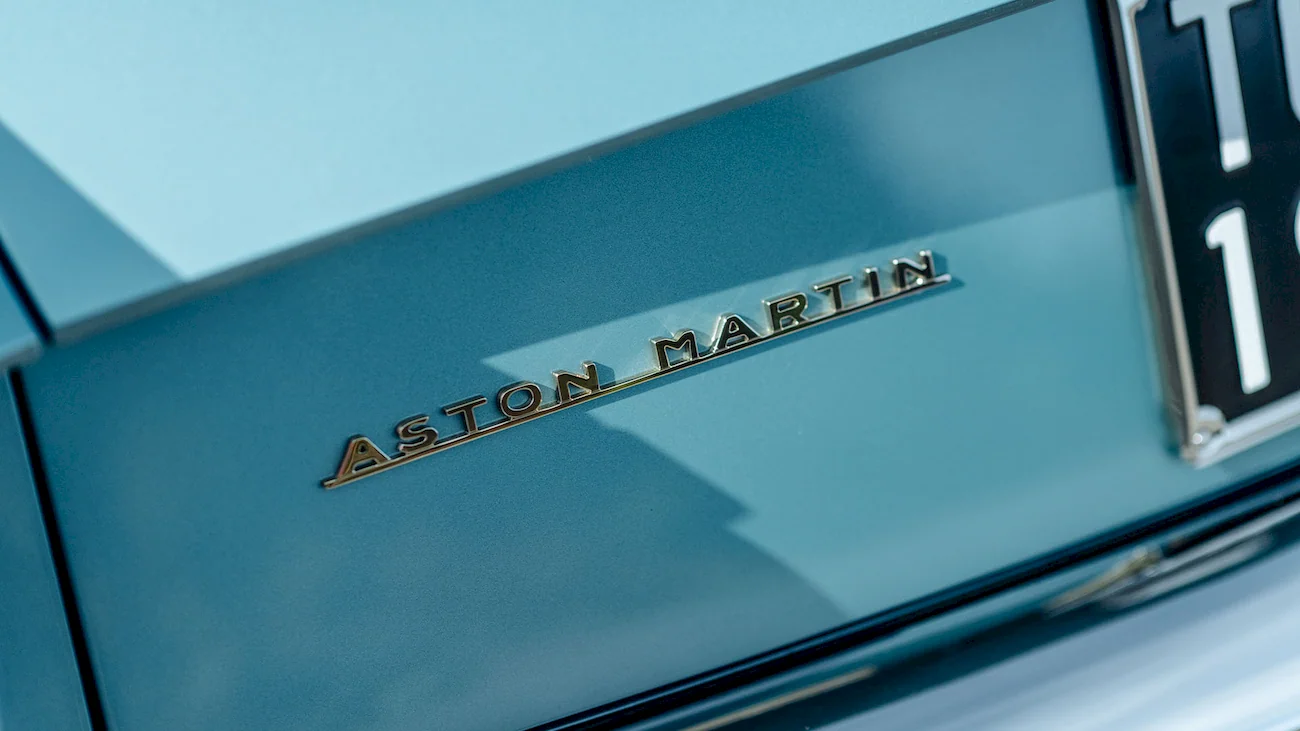
Aston Martin isn’t just a pleasant British-sounding name, and it has nothing to do with vermouth. Lionel Martin, one of the founders, was an avid racer who in 1913 won a challenging hill climb in the village of Aston Clinton. He did what any motorsport enthusiast might: combined the name of the place of triumph with his own surname. Legend says his wife Kate suggested the idea — so the brand would appear first in alphabetical lists. The winged badge still symbolizes speed and freedom.
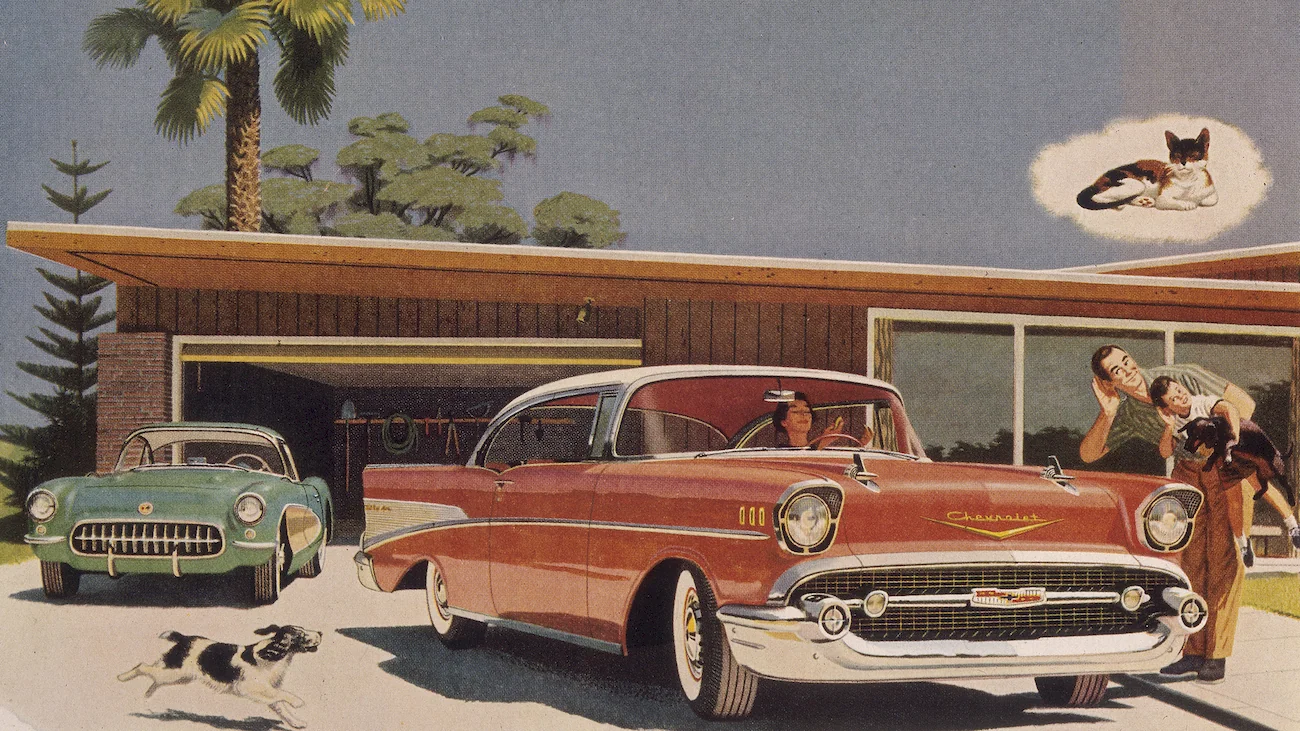
American automotive history has its surprises, too. Chevrolet was named after Swiss racing driver Louis Chevrolet, but he had little to do with running the company. William C. Durant, founder of General Motors, used the racer’s name for promotional appeal. Chevrolet soon clashed with management and left. By the time the brand soared, Louis was building aircraft engines and race motors. The founder departed — the name remained.
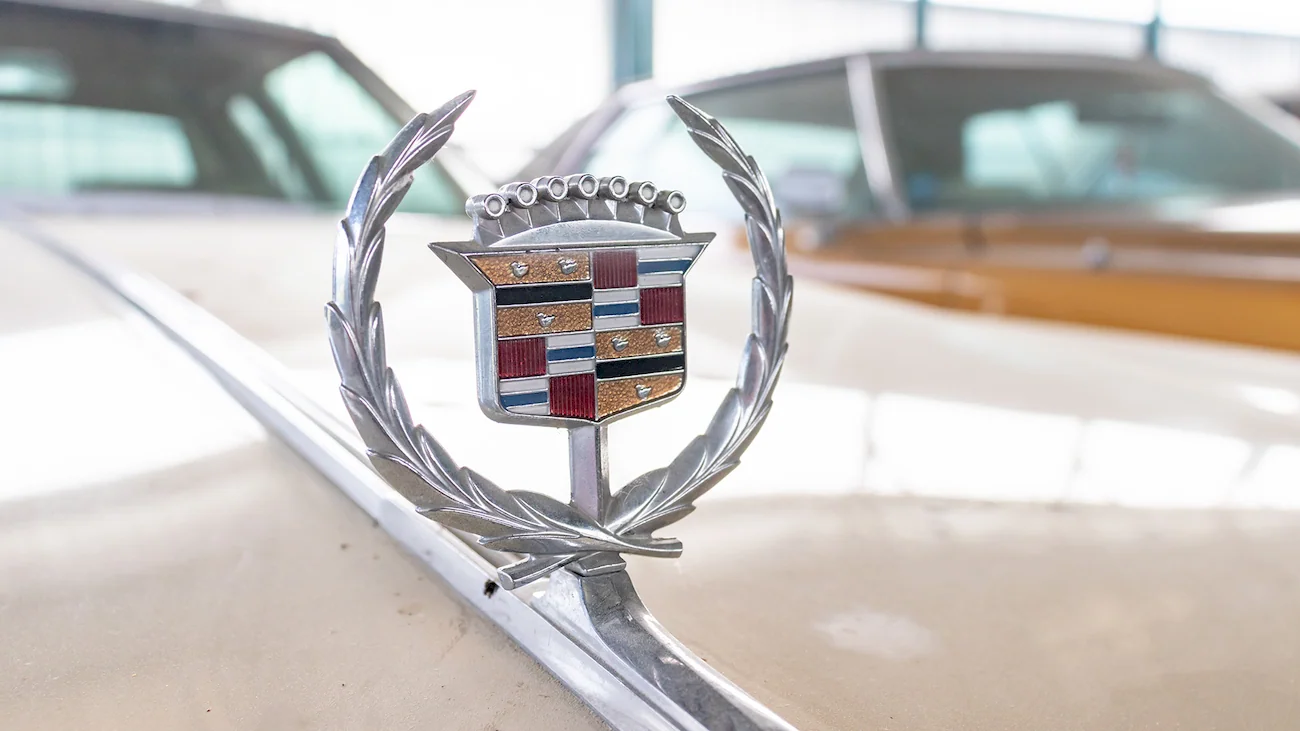
Sometimes a brand sounds like a founder’s surname but isn’t. Cadillac was named after French aristocrat Antoine de la Mothe, Sieur de Cadillac, who founded the fort that later became Detroit — the city where the automaker was born. In other words, Cadillac honors a man who died more than a century before the company existed.
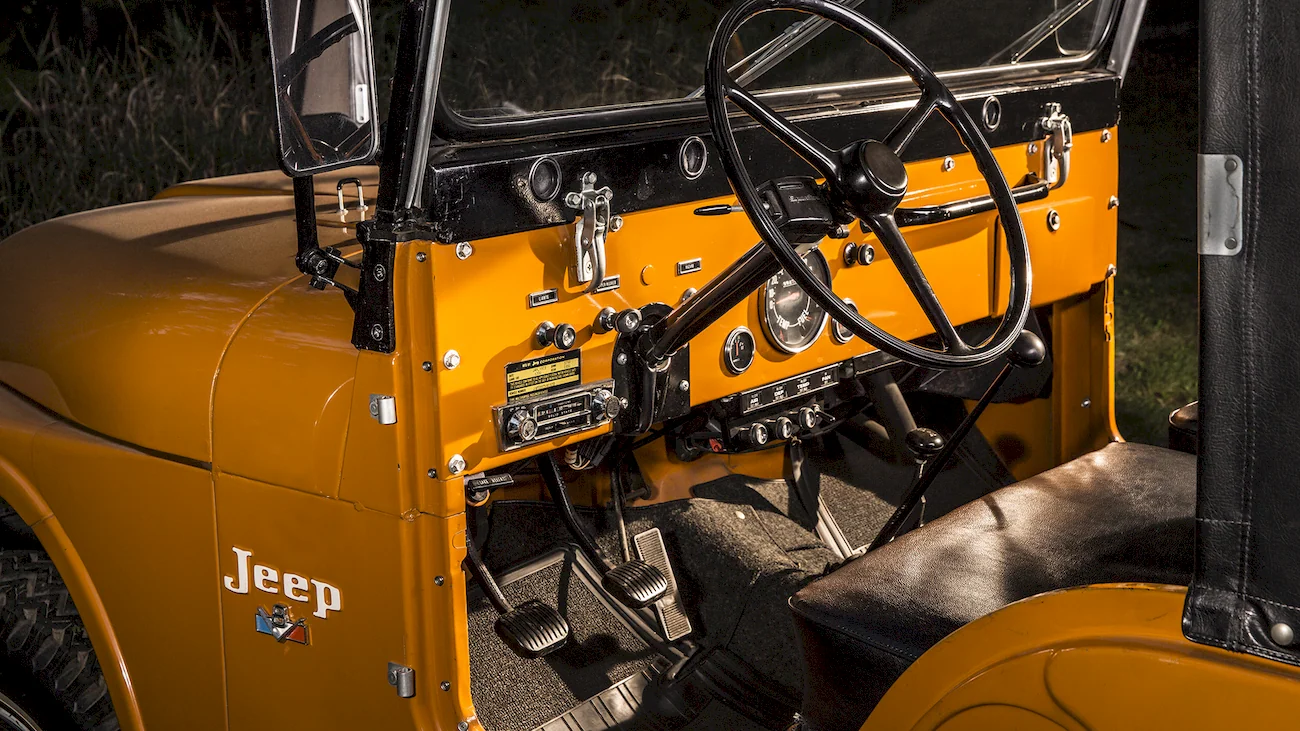
Jeep, contrary to popular myth, is not derived from “General Purpose.” Many historians believe the name came from the Popeye comics, which featured a quirky creature named Eugene the Jeep, capable of solving any problem. When World War II soldiers encountered the nimble off-roader, the nickname stuck.
Volvo offers another fascinating case. The Swedish bearing manufacturer SKF registered the Volvo trademark in 1911. In Latin, “volvo” means “I roll” — a fitting verb for a bearing empire. Sixteen years later, SKF employees Assar Gabrielsson and Gustaf Larson agreed to launch an automotive division. Their pivotal meeting reportedly took place over a plate of crayfish at a Stockholm restaurant called Sturehof.
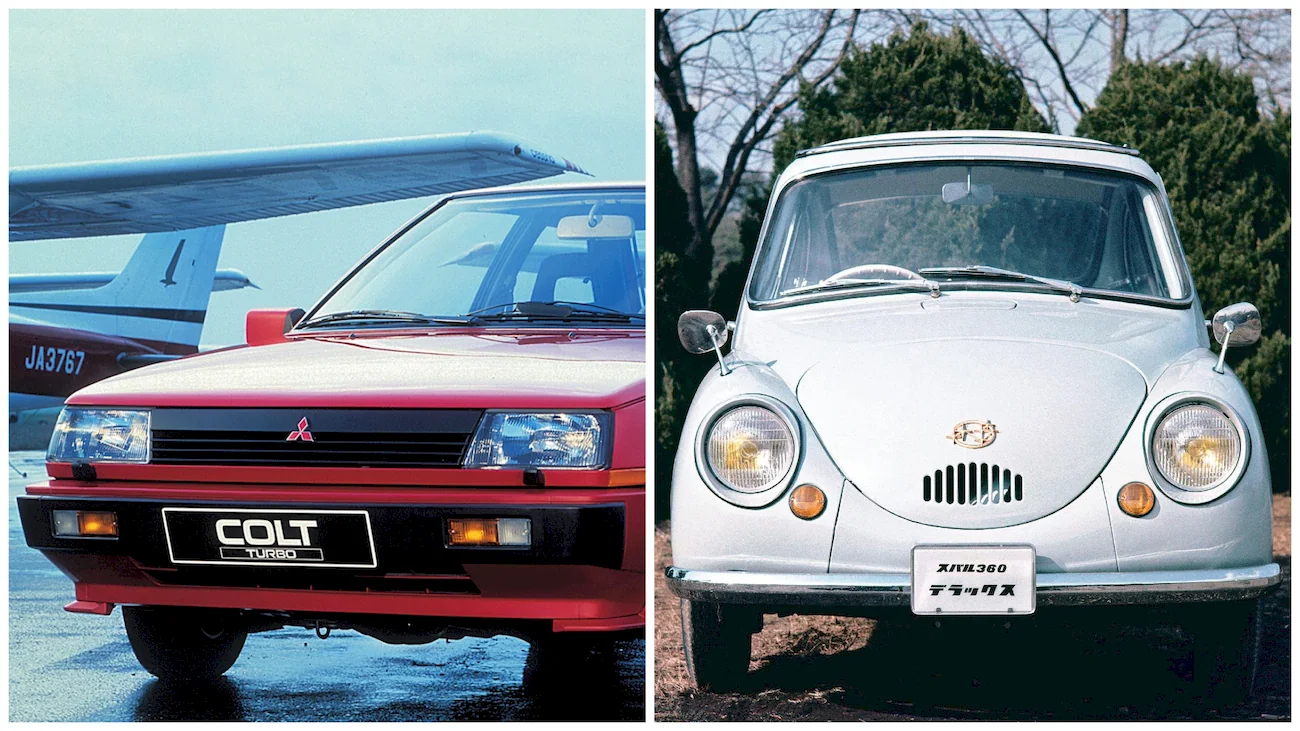
Subaru and Mitsubishi share celestial and symbolic roots. Subaru refers to the Pleiades — six stars visible to the naked eye — and its logo depicts that cluster. Mitsubishi translates roughly as “three diamonds.” According to the most common version, the emblem merges the family crest of founder Yataro Iwasaki (three stacked diamonds) with that of the Yamanouchi clan, from whom he received his first ships. “Mitsu” means three; “hishi” means diamond. The logo is quite literally the word made graphic.
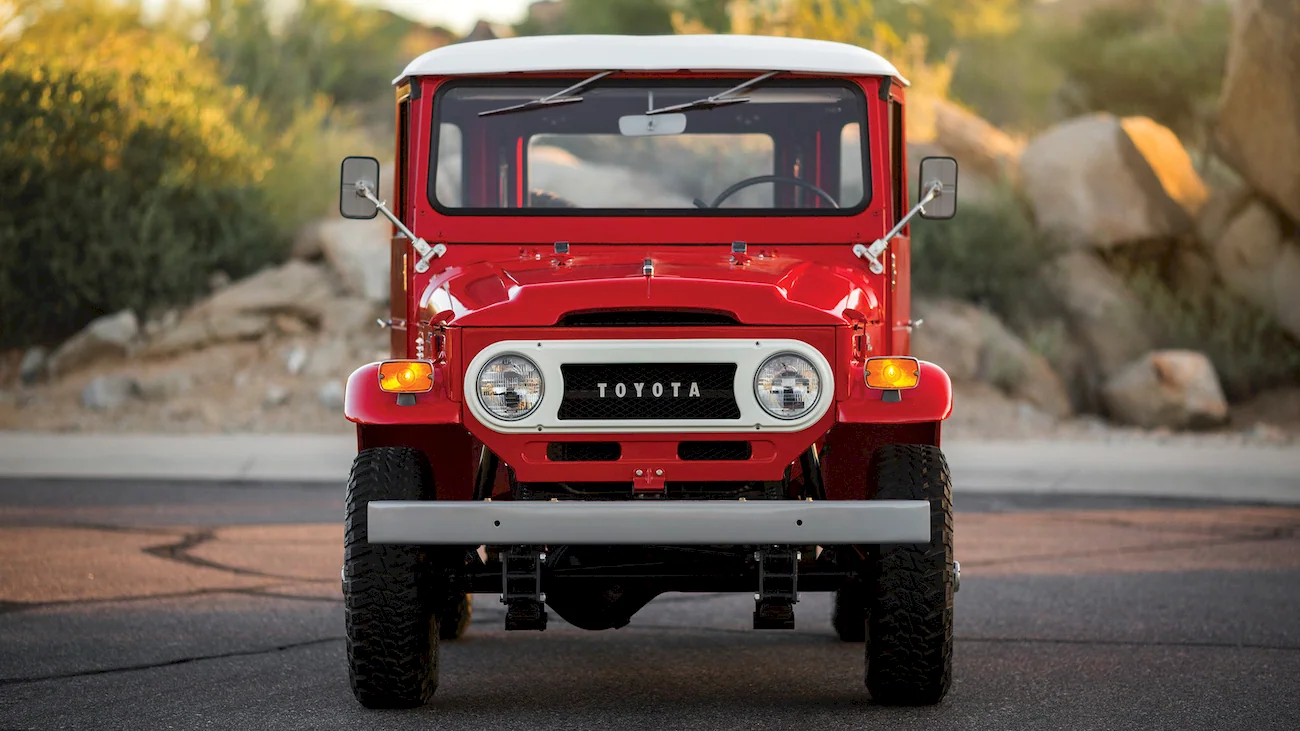
Toyota also reflects wordplay. The founding family name was Toyoda. When the company was renamed, executives chose “Toyota” because writing it in katakana requires exactly eight brush strokes. In Japan, eight is considered a lucky number symbolizing prosperity.
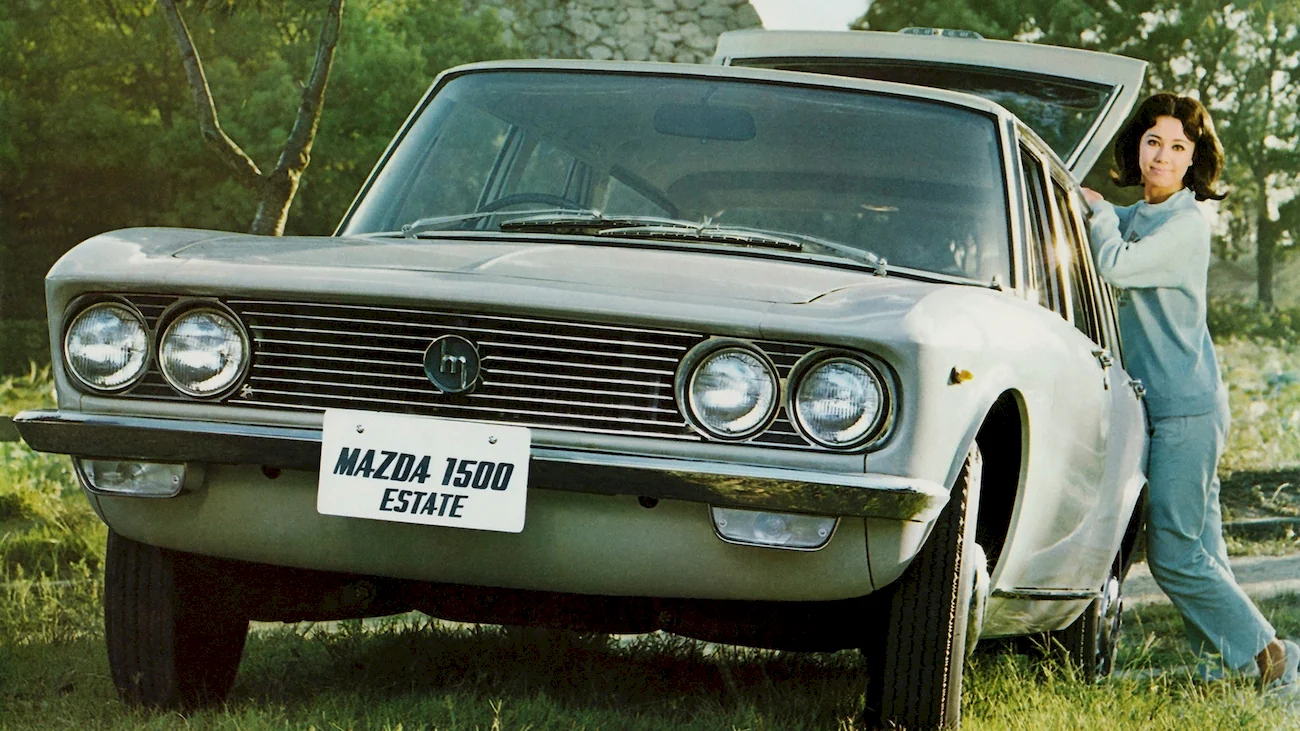
Mazda once had little to do with cars. Founded as Toyo Cork Kogyo by Jujiro Matsuda, the company originally produced cork-based construction materials. Only later did it shift to motorcycles and automobiles. “Mazda” references both the founder’s surname and Ahura Mazda, the supreme deity of Zoroastrianism — symbolizing light, wisdom, and goodness. A rare case where an ancient god and a Japanese industrialist intersected in one name.
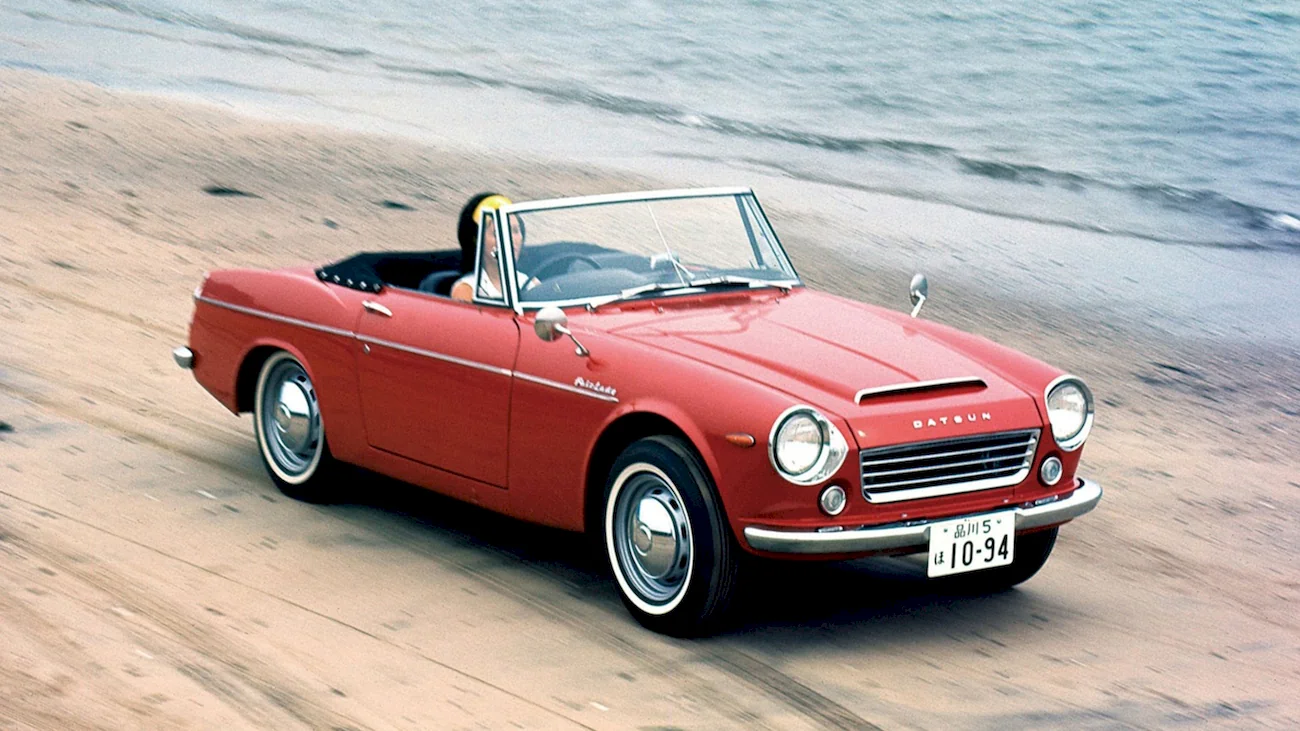
Datsun emerged from linguistic twists. The first cars were called DAT, formed from the initials of three investors. When the company introduced a compact model, it added the English word “son,” creating Datson. However, “son” sounded like a Japanese word meaning loss. Marketers quickly replaced it with “sun,” referencing Japan’s national symbol. DAT became Datsun — a child warmed by sunlight.
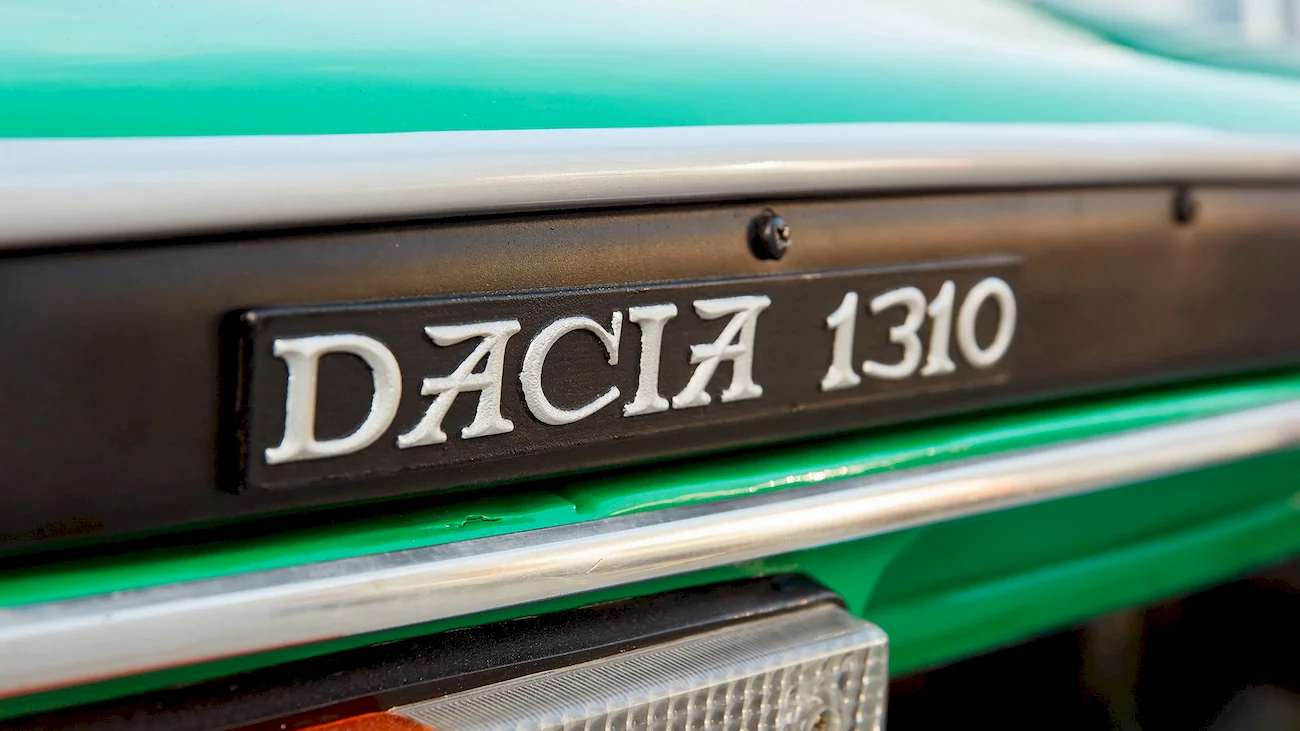
Dacia recalls a vanished empire. The Romanian brand took its name from the Roman province of Dacia, conquered by Emperor Trajan. Every Dacia vehicle thus carries a subtle historical echo linking antiquity to the modern age.
And finally, another brand named after a woman. Not Mercedes — but Maja, the younger sister of Mercedes Jellinek. In the early 20th century, Daimler’s Austrian division produced a model bearing her name. The sisters shared fame in different proportions: one gave her name to one of the world’s greatest automakers; the other became a footnote known mostly to historians.
Behind every name on a grille lies human drama — legal battles, family stories, longing for lost empires, and fathers who named daughters with Spanish names. Cars may come and go. The names remain. The next time you get behind the wheel, remember: that badge represents someone’s victory, someone’s defeat — or someone’s love that, by chance, became immortal.
You may also be interested in the news:
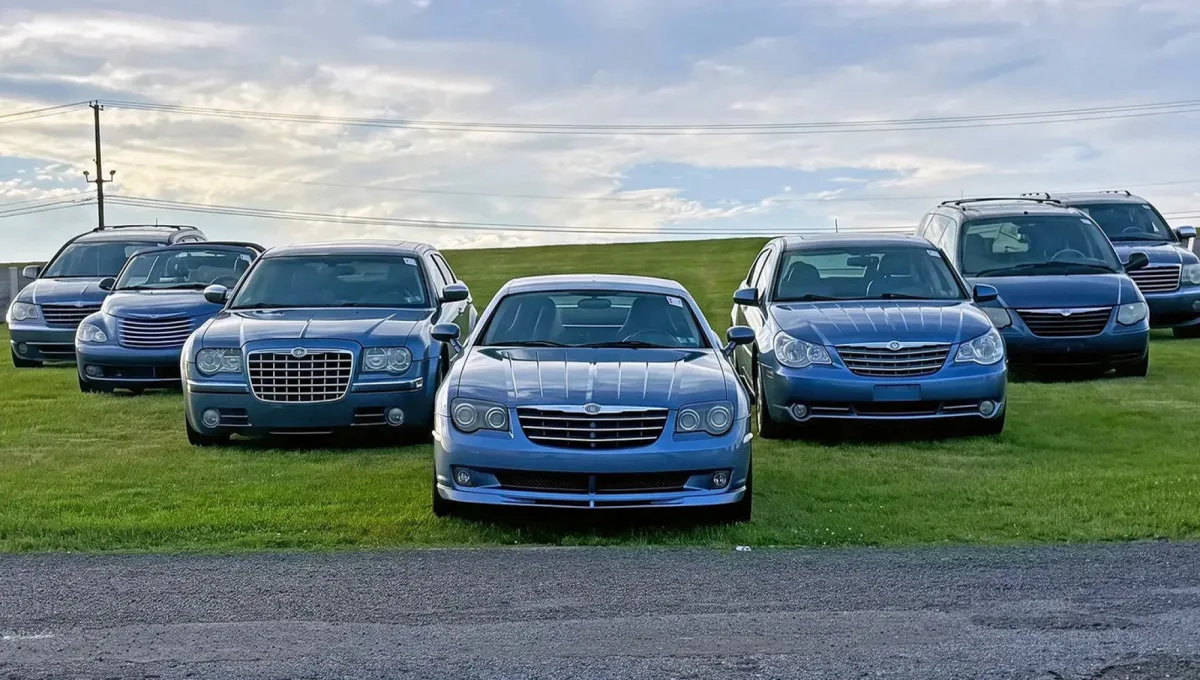
He Bought Seven 2007 Chryslers in the Exact Same Color — Then People Started Asking Why
Every model is different, yet together they represent Chrysler’s entire 2007 lineup in one unusual collection.
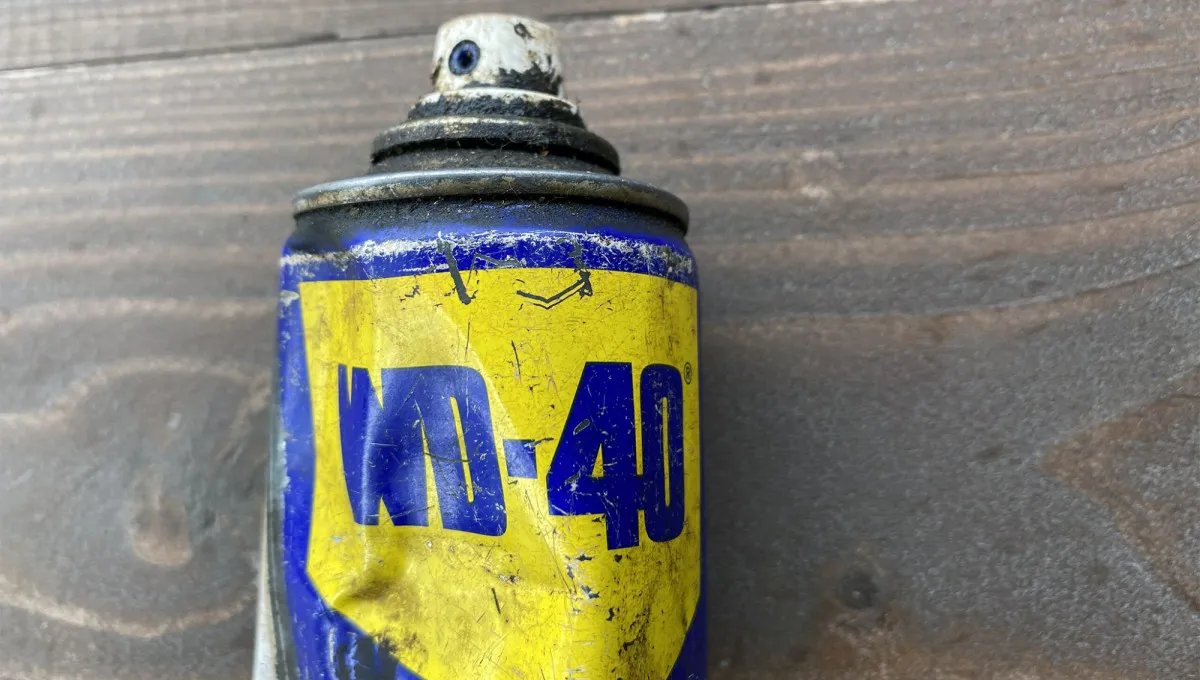
Expert Cautions: Spraying This on These 10 Car Parts Could Make the Problem Worse
WD-40 solves many automotive problems, but using it on the wrong parts can cause expensive damage.
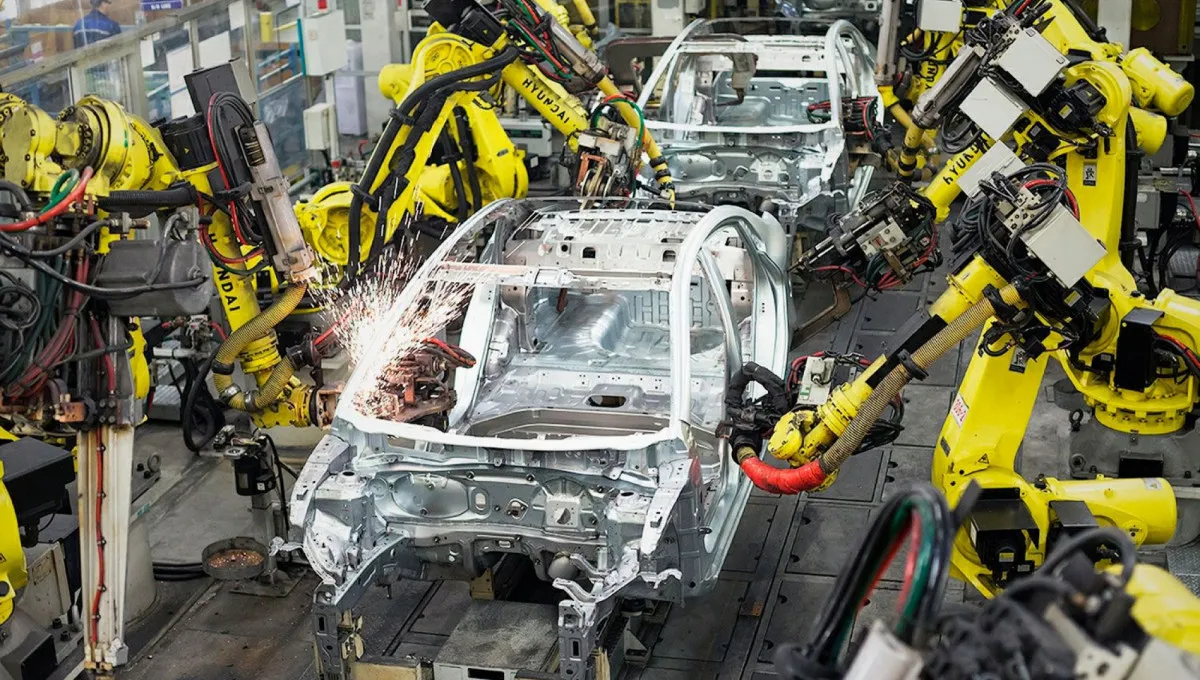
Why Stainless-Steel Bodies Never Replaced Conventional Steel in Mass-Market Cars
Stainless-steel bodies resist corrosion, but cost, manufacturing challenges, and styling constraints keep automakers using steel.
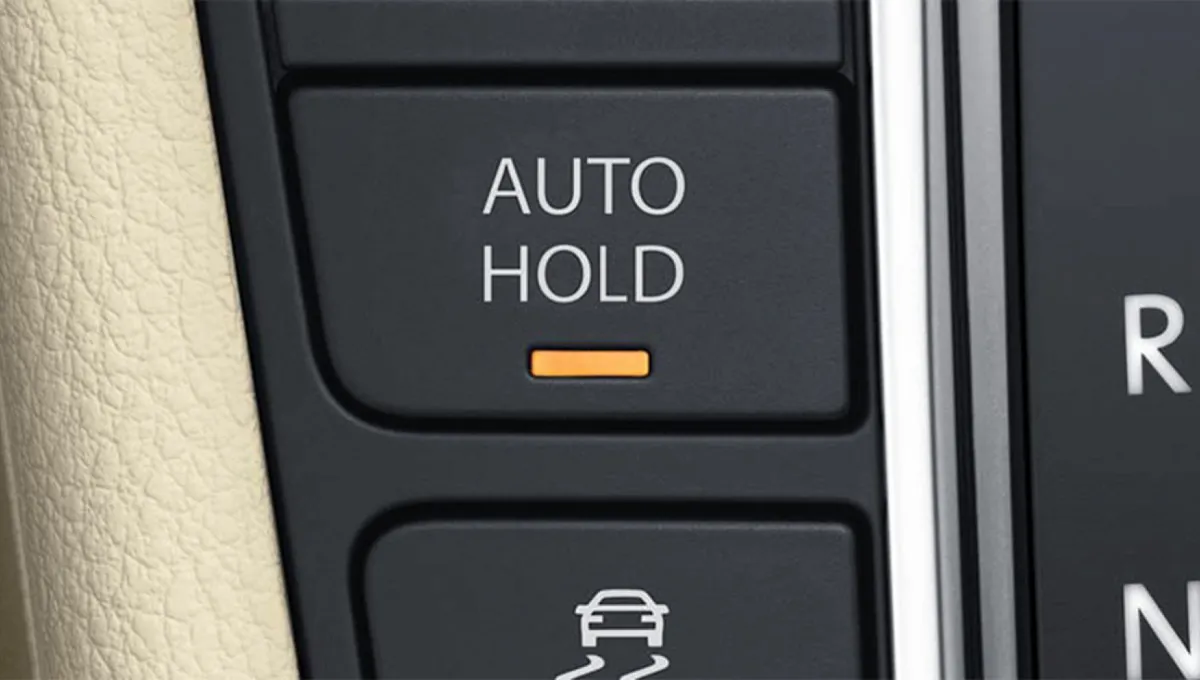
That Little Auto Hold Button Could Make Your Daily Commute a Lot Less Annoying
That little Auto Hold button can take the strain out of stop-and-go traffic, steep hills, and everyday city driving.
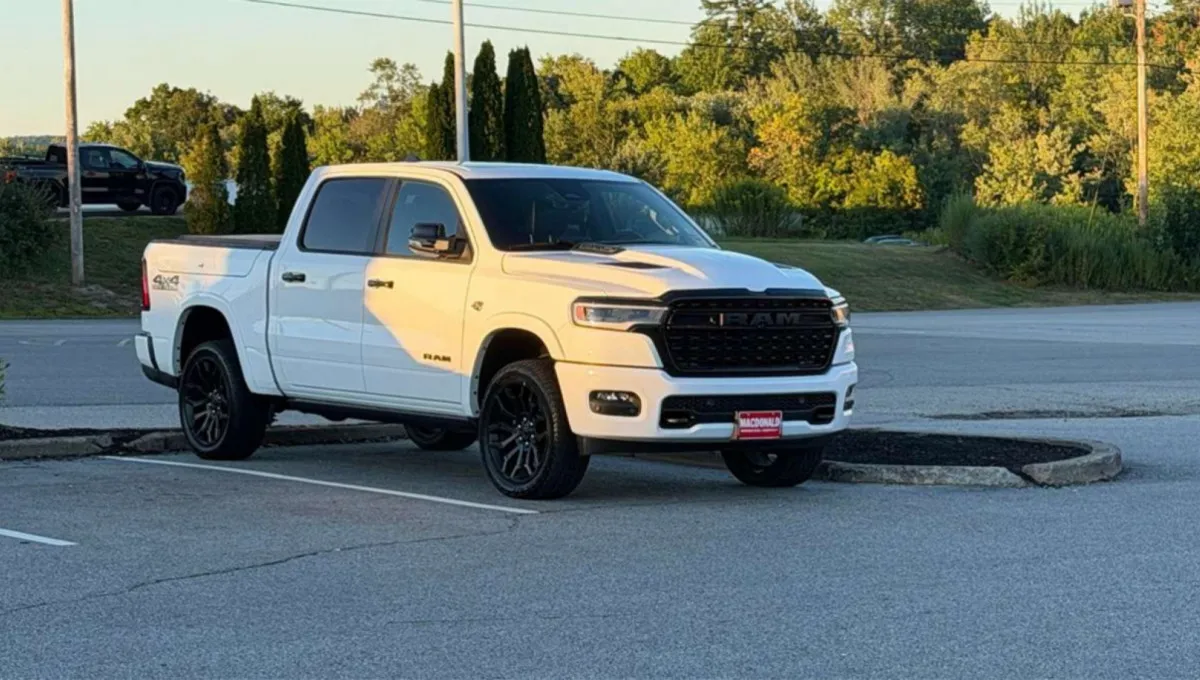
He Traded His F-150 for a Loaded Ram 1500—Then the Door Sticker Revealed Just 782 Pounds of Payload
2026 Ram 1500 Limited Buyer Trades His F-150 and Finds Only 782 Pounds of Payload