
Don’t Rush to Buy a New Battery: 2 Tricks to Start Your Car Even at -22°F
Admit it — nothing’s worse than hearing “vrrr… vrr… k…” when you’re running late on a freezing winter morning.
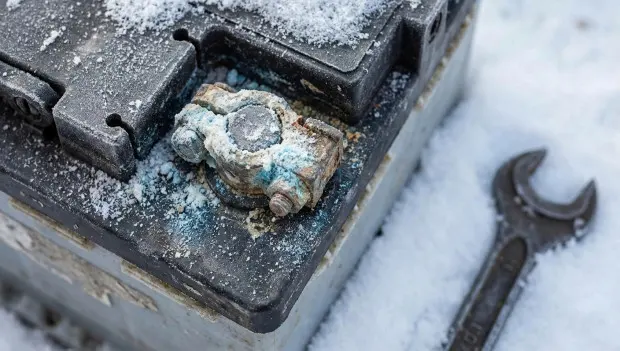
There’s nothing more frustrating than that struggling starter sound when you’re trying to get to work on a bitterly cold morning. Your hand reaches for your phone to call a taxi, and your mind spins: “I should’ve bought a new battery back in the fall.”
But don’t write off your battery just yet. Often, the problem isn’t that it’s “dead from age.” I’ve talked to plenty of auto electricians, and having spent years in the garage myself, I can assure you: the battery may be perfectly healthy but simply unable to deliver enough current to the starter — often due to simple neglect or lack of knowledge.
Here are two essential rules of automotive electrics. Follow them, and even an older battery can crank the engine like it’s a mild May morning instead of deep winter.
Rule #1: Ohm’s Law and “Stray Currents”
Let’s revisit some basic physics — no boring formulas. To turn over a frozen engine with thick oil, the starter needs a massive surge of current, often hundreds of amps.
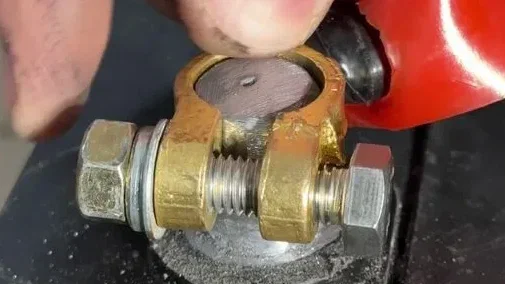
Picture electricity flowing through wires like water through pipes. If a pipe is clogged, the flow drops. In a car, this “clog” is called contact resistance.
We often check the battery terminals — they look clean and tight. But when was the last time you removed and sanded them?
Even a microscopic layer of oxidation on the terminals acts as an insulator. Cold temperatures increase metal resistance, and dirt makes it worse. But the bigger problem isn’t the positive terminal — it’s the ground.
That’s the thick cable running from the battery’s negative post to the chassis or engine block. It’s constantly exposed to dirt, road salts, and water. Bolts rust. Contact degrades.
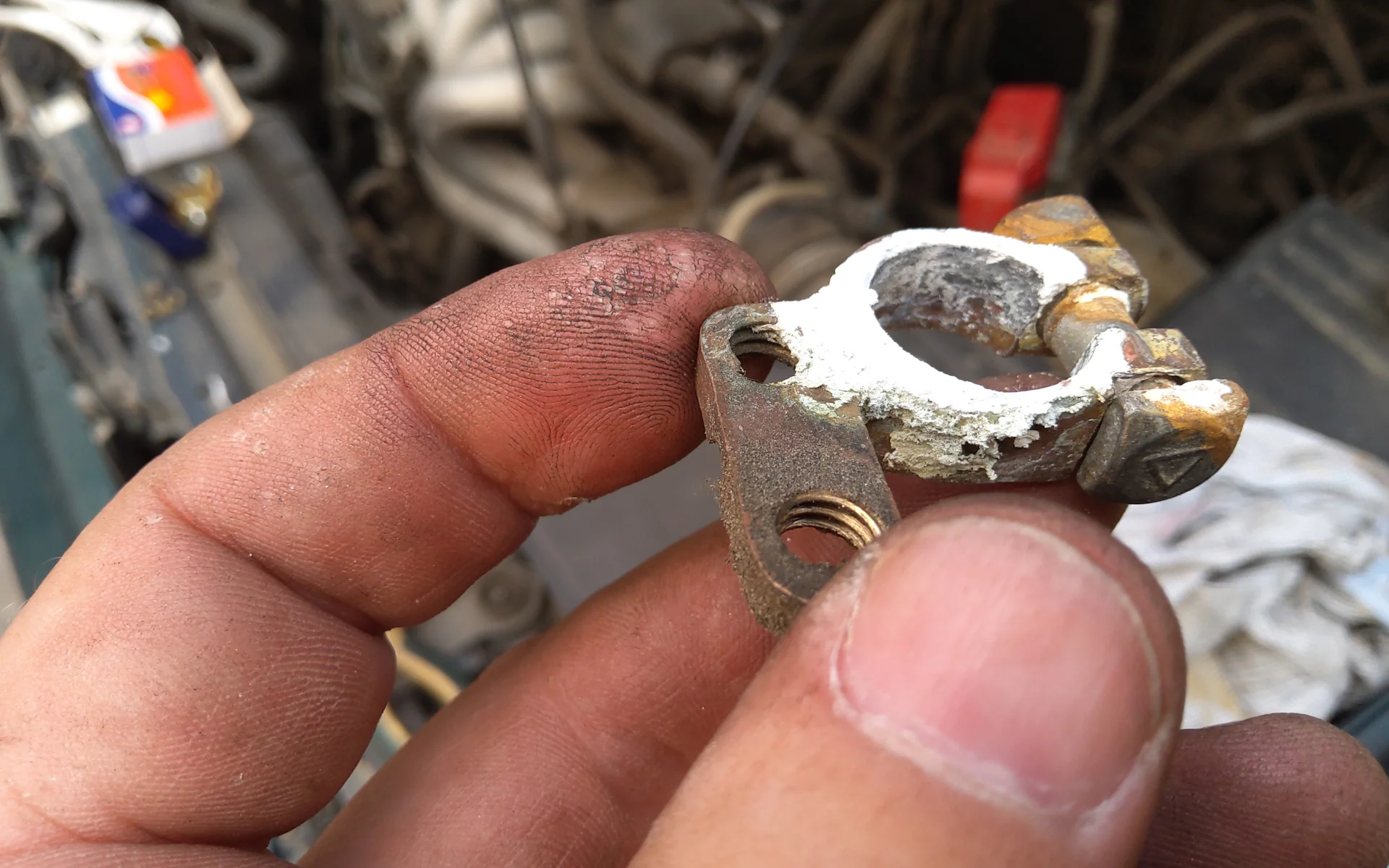
What happens: the battery may produce 600 amps, but only 300 reach the starter. The rest is lost heating the corroded ground. The starter struggles, and you assume the battery is dead.
What to do right now:
-
Remove the terminals, sand them and the battery connectors until shiny.
-
Find where the ground cable attaches to the chassis/engine. Unscrew it, clean the contact pad, coat it with graphite or contact grease, and tighten firmly.
After this, the starter should turn the engine noticeably faster.
Rule #2: Electrolyte Density and Chronic Undercharging
This one is about chemistry. Remember: a discharged battery will freeze.
A fully charged battery has an electrolyte density around 1.27–1.28 g/cm³. At that density, it won’t freeze even at -76°F. But as the charge drops, acid moves into the plates, leaving mostly water behind — which freezes easily, cracking the casing and damaging the plates.
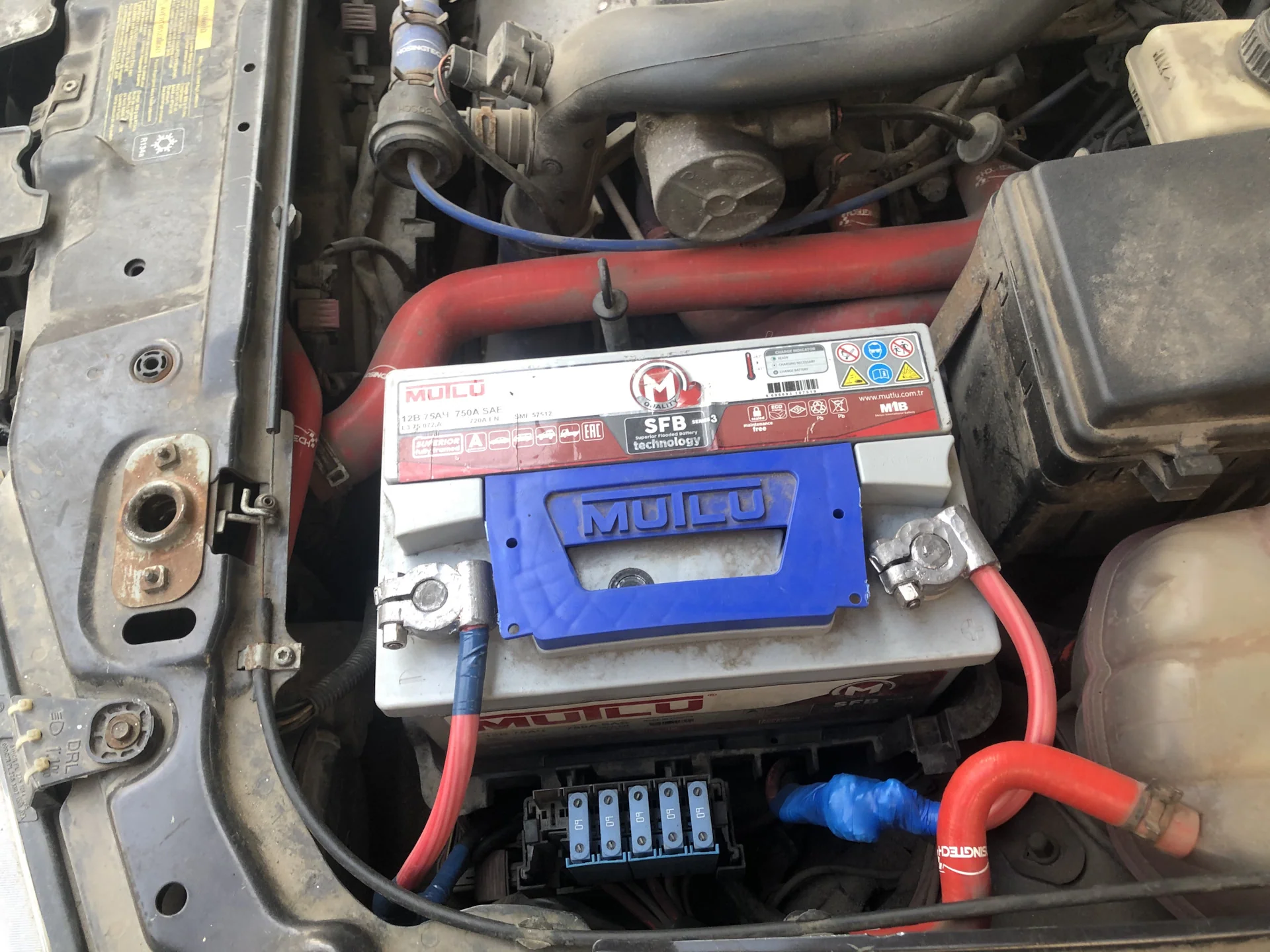
Many drivers think: “I drive every day, the alternator keeps it charged.”
Not quite.
In winter, we run the heater, headlights, heated seats, defrosters, mirrors, and music. The alternator struggles to keep up. Meanwhile, a cold battery accepts charge very slowly; it needs engine heat first.
If your commute is only 12–18 miles, the battery won’t recover the power used to start the car. Over time, density drops gradually until one morning it’s low enough to freeze the battery entirely.
Simple tip:
Once every 1–2 months during winter — especially before a major cold snap — bring the battery inside or into a heated garage and charge it on a stationary charger.
This trick can save you from buying a new battery for up to three years.
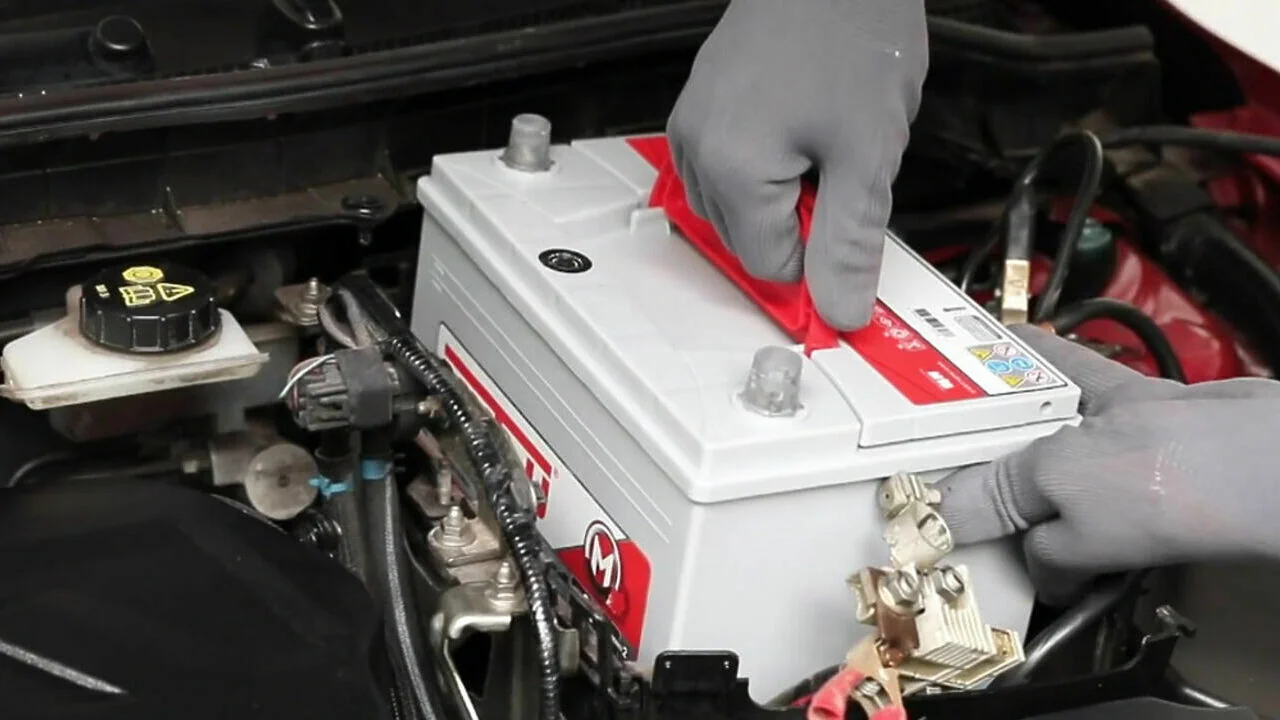
Quick Winter Checklist for Reliable Starts
To avoid struggling with your car at -13°F:
-
Inspect wiring: Clean the battery terminals and, importantly, the ground attachment points to the chassis and engine.
-
Check voltage: If your multimeter shows less than 12.4 volts on an unstarted car in the morning, charge it immediately.
-
Lubricate: After cleaning, coat terminals with protective grease or special terminal lacquer to prevent oxidation.
This maintenance is free if you do it yourself, takes about 20 minutes, and adds 100% peace of mind for cold mornings.
You may also be interested in the news:
Ram 1500 Battery Drain Posts Are Everywhere, But One Owner's Storage Mode Trick Worked After 6 Days at the Airport
Leaving Your Ram 1500 at the Airport? This Hidden Setting Could Keep the Battery From Dying
Your Old Car Can Feel New Again With These 7 Upgrades That Actually Make a Difference
Modernizing an Older Car: Better Audio, Navigation, Safety and Everyday Tech. An older car does not have to feel outdated when a few smart upgrades can transform everyday driving.
Expert Cautions: Spraying This on These 10 Car Parts Could Make the Problem Worse
WD-40 solves many automotive problems, but using it on the wrong parts can cause expensive damage.
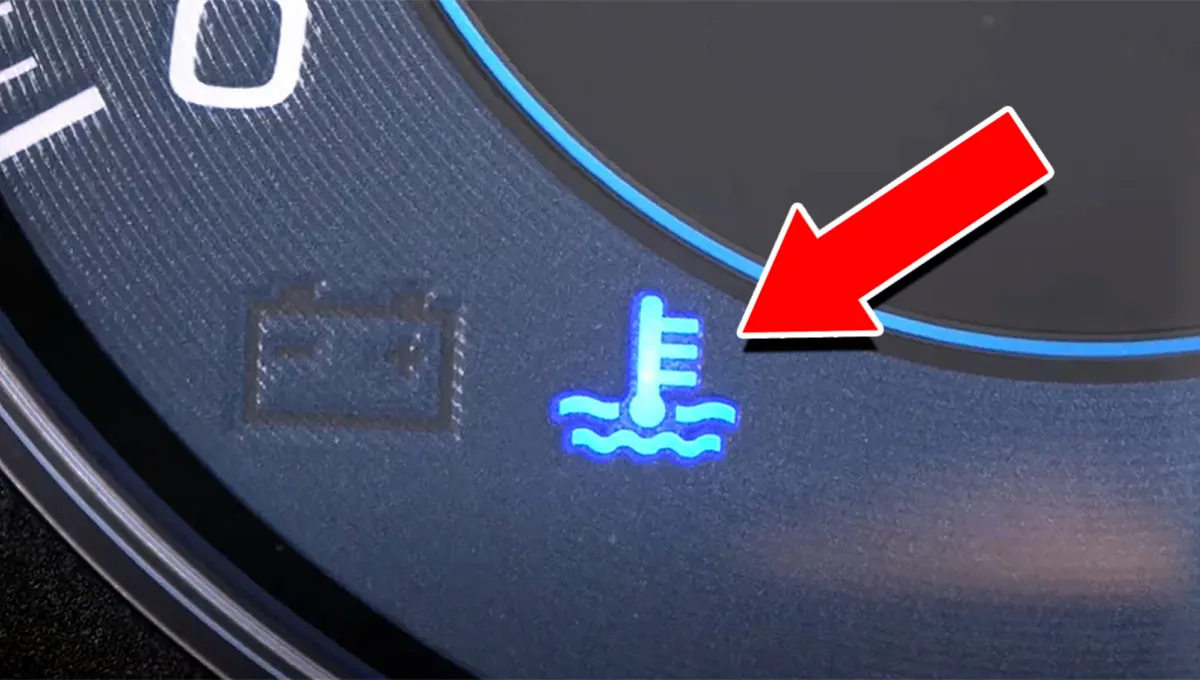
These 7 Dashboard Warning Lights Could Leave You Stranded—Here’s What They Really Mean
These dashboard warning lights can signal serious problems, from low oil pressure to overheating or brake trouble.
These 5 Mercedes-Benz Models Can Look Like Bargains — Until the Repair Bills Arrive
These five used Mercedes-Benz models have reported issues that could turn an attractive bargain into an expensive ownership headache.