
Why Your Car’s Fuel Sensor Always Seems to Mislead You — Here’s What’s Really Going On
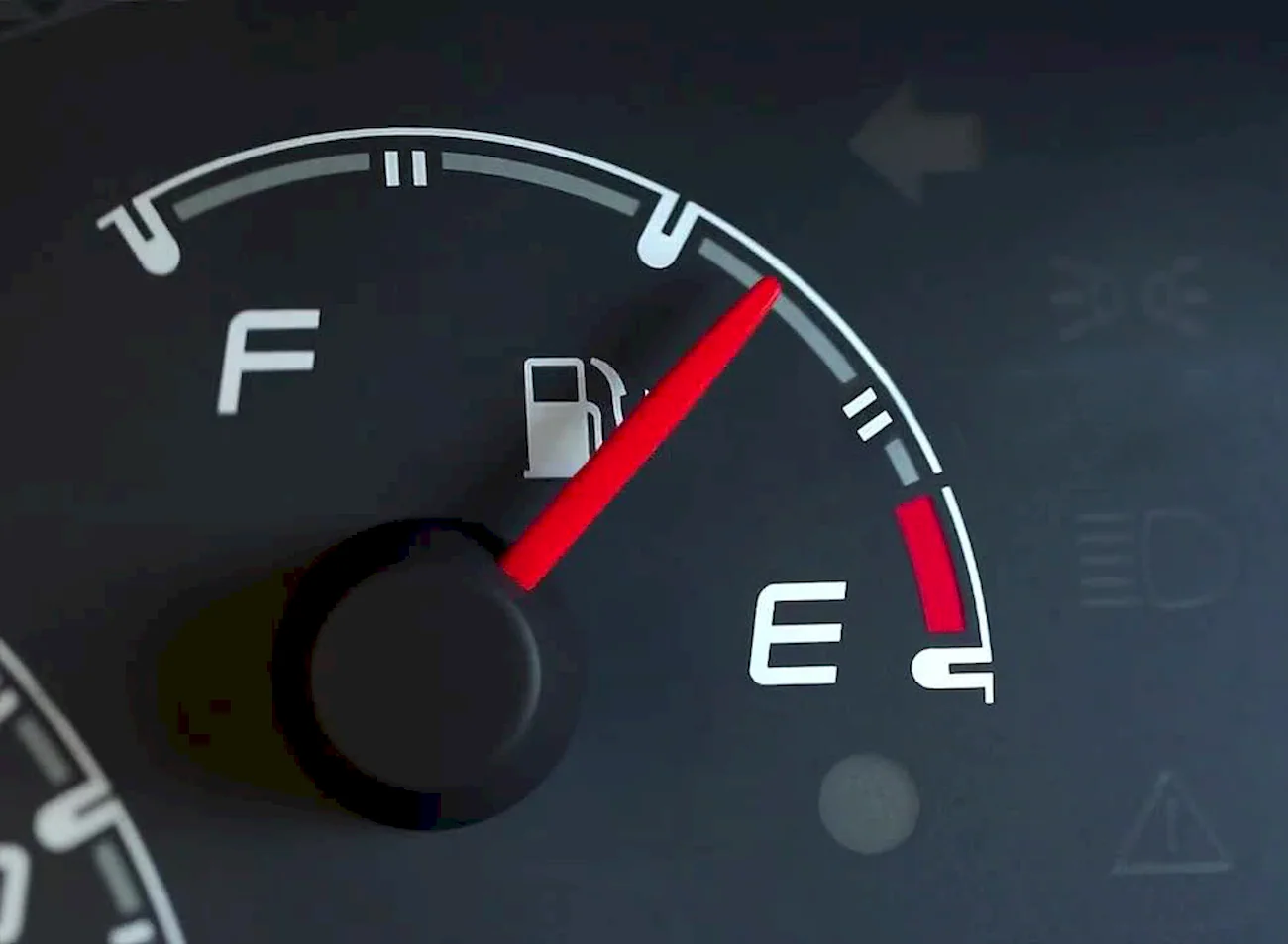
Fuel gauges aren’t perfectly accurate, and there are clear technical reasons why they can’t always tell the truth.
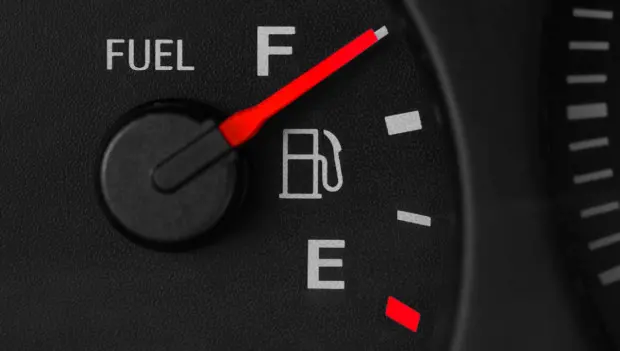
Experienced drivers tend to treat that small fuel gauge—tucked quietly into the corner of the instrument cluster—with a healthy dose of skepticism. Why?
Let’s take a closer look.
In most passenger vehicles, fuel level is measured using a float-based sensor. This device tracks how much gasoline remains by monitoring the height of a float inside the tank. There are two primary types of float sensors: lever-type and tubular.
Lever-Type Sensors
In this design, the float is attached to a small arm. As the fuel level rises or falls, the arm changes its angle relative to the tank. A potentiometer then measures changes in electrical resistance, which are translated into a fuel level reading on the dashboard.
Tubular Sensors
Tubular systems work differently. The float moves up and down inside a vertical hollow tube as the fuel level changes. A resistive wire inside the assembly registers shifts in electrical resistance, allowing the system to calculate the remaining fuel.
Most modern European and Asian-built vehicles use tubular sensors, while lever-type designs are still common in some Chinese and many Russian models. The important point, however, is that both systems are prone to inaccuracies.
Why Fuel Gauges Fluctuate
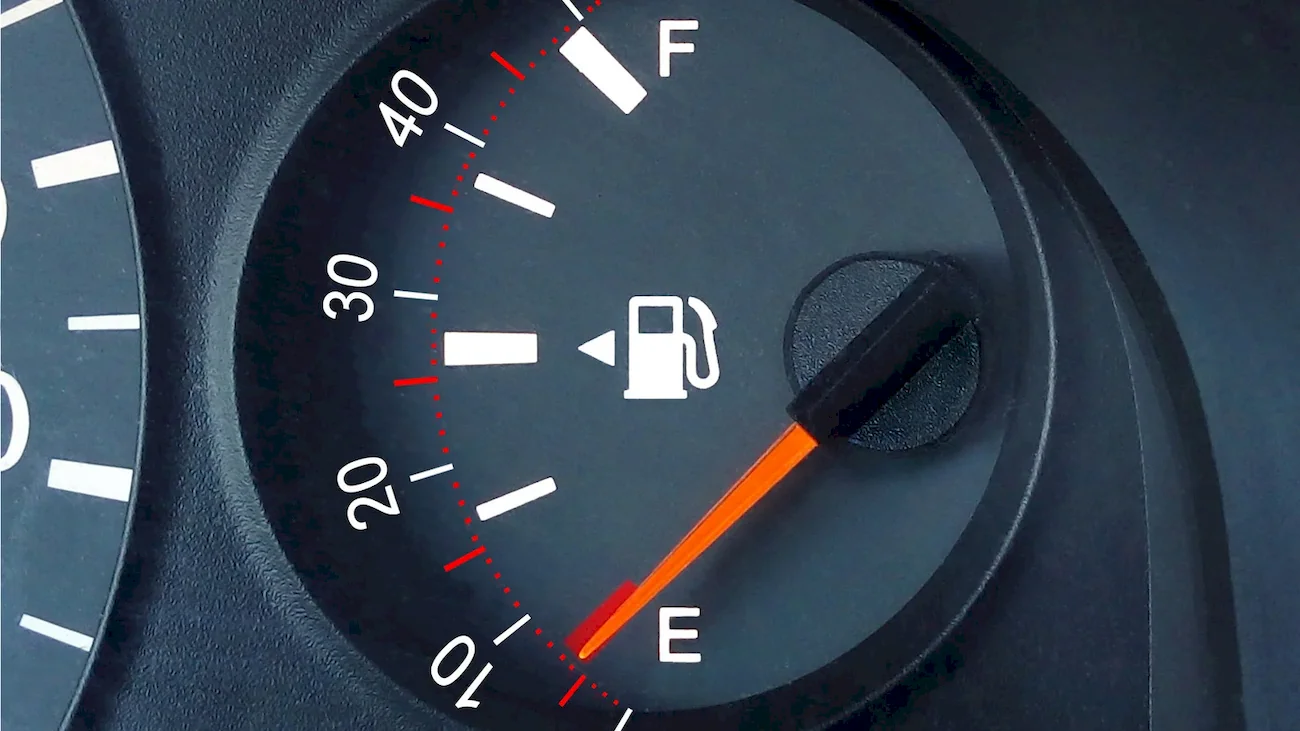
Fuel level changes aren’t just about how much gasoline is in the tank—they’re also affected by movement. When a vehicle accelerates, brakes, corners, or hits bumps, fuel sloshes from side to side. It can temporarily flood the sensor or leave it partially exposed. As a result, the gauge needle may swing noticeably.
The readings are generally reliable, but they should always be taken with caution.
This can create real-world inconvenience. One driver may suddenly find themselves on the highway with less fuel than expected. Another may want precise monitoring to prevent fuel theft in fleet or garage settings. For both situations, a rough estimate isn’t always good enough.
Are There More Accurate Alternatives?
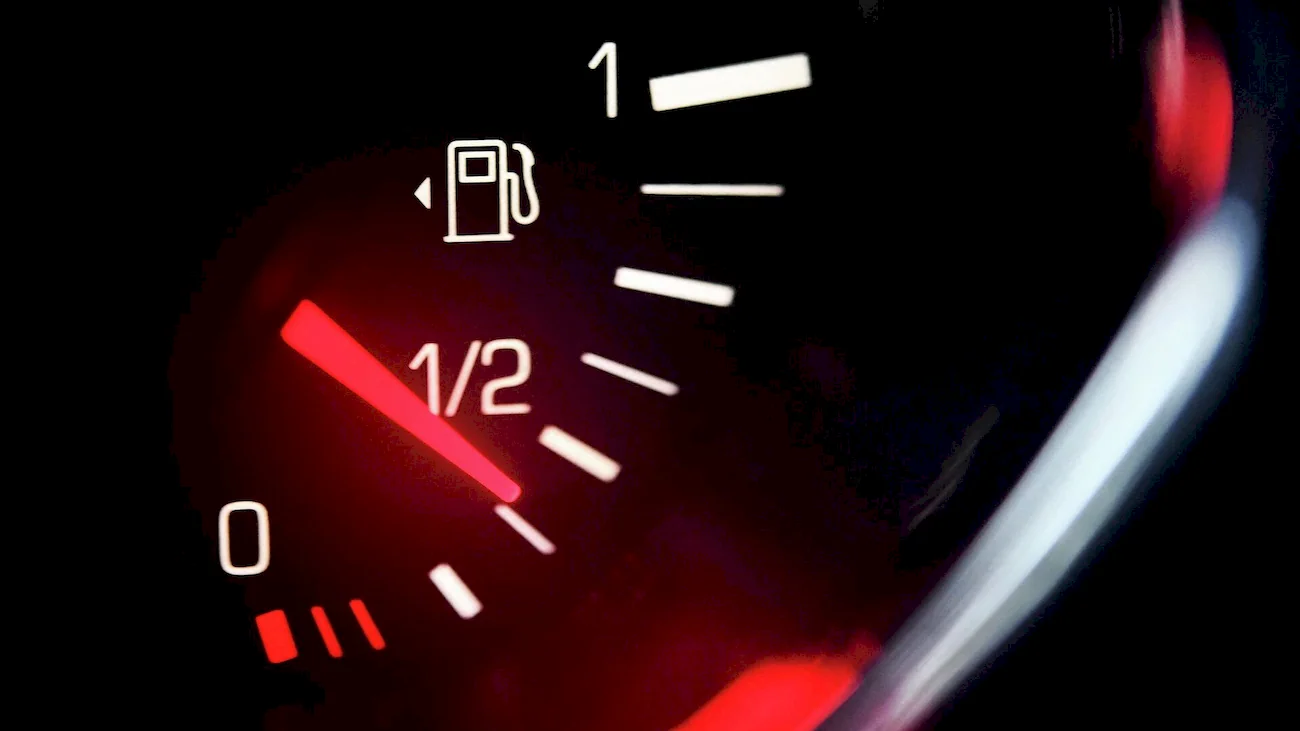
Yes. Additional fuel sensors based on different technologies can be installed. Over time, engineers have developed more advanced monitoring solutions.
In older Soviet and some European vehicles, measuring fuel was even simpler. The tank design allowed drivers to insert a dipstick directly into the filler neck—similar to checking engine oil. Modern cars no longer allow this. Today’s filler necks include protective mesh screens and bends that prevent foreign objects from entering the tank.
The two most common advanced sensor types today are capacitive and ultrasonic.
Capacitive Fuel Sensors
These replace the standard sensor and consist of two metal tubes positioned one inside the other. Fuel flows freely into the gap between them, effectively forming a capacitor.
Capacitance depends on what’s between the plates—air or fuel. The higher the fuel level, the more the electrical properties change. Electronics analyze these variations and convert them into a precise fuel level reading. Capacitive systems are generally more accurate than traditional float designs.
Ultrasonic Fuel Sensors
Ultrasonic sensors are mounted externally at the bottom of the fuel tank. Their operation is similar to sonar. Instead of measuring ocean depth, however, the sensor sends ultrasonic waves into the tank.
The signal travels through the fuel, reflects off the surface, and returns to the sensor. By calculating the time it takes for the signal to travel back and forth, the system determines how much fuel remains inside.
The “First Mark” Rule
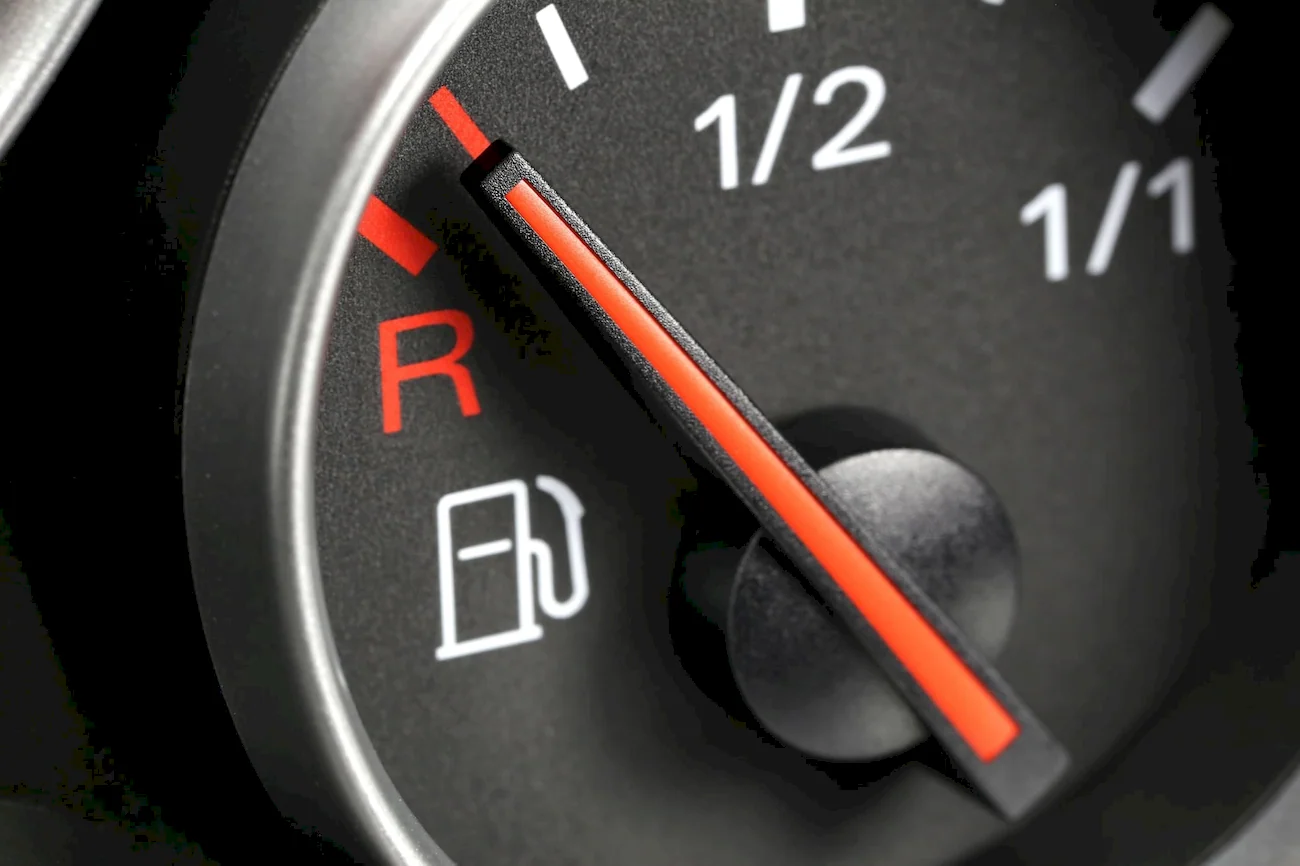
Seasoned drivers often follow a simple rule: once the gauge needle drops to the first major mark, start looking for a gas station. Don’t wait for the low-fuel warning light.
This approach makes mechanical sense. Running a vehicle with a nearly empty tank isn’t ideal for the engine. Fuel sloshing in a low tank can cause the pump to draw in air. Over time, water and sediment also accumulate at the bottom of the tank.
If that debris gets pulled into the fuel system, it can damage the pump and other components. Repeated exposure may eventually lead to costly repairs.
In short, your fuel gauge isn’t necessarily lying—but it isn’t perfect either. Understanding how it works can help you avoid unpleasant surprises on the road.
You may also be interested in the news:

His Passenger Left a Bag With a Passport Inside—What This Uber Driver Did Next Touched Millions
An Uber driver drove back to return a forgotten bag, turning a ride into kindness.
Your Engine Could Be Warning You: 6 Problems That Can Make a Car Run Rough
Engine problems rarely happen without a reason, and six common issues can cause a car to run poorly.

Astrologers Name 3 Zodiac Signs That Love Driving at Night: Is Yours One of Them?
For these three signs, nighttime means freedom, not fear, as they hit the road after the city goes quiet.
Changing Your Car’s Filters: How to Do Basic Maintenance Yourself Without Damaging the Engine
Changing the oil, engine air filter and cabin air filter yourself can save money, but small mistakes can cause expensive problems.

That Stuff in Your Trunk Is Costing You More Than You Think—Here’s What to Take Out
Carrying unnecessary cargo can quietly increase fuel use, accelerate wear and create an avoidable safety hazard for drivers and passengers.