
What Is the REST Button in Your Car — and Why Most Drivers Never Use It (A Small Comfort Secret)
Why do so many cars have a “REST” button — and what is it actually for?
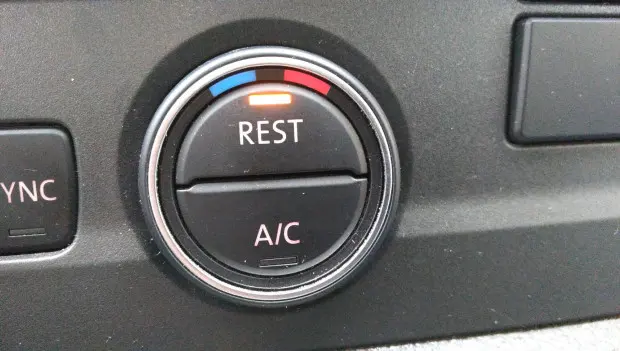
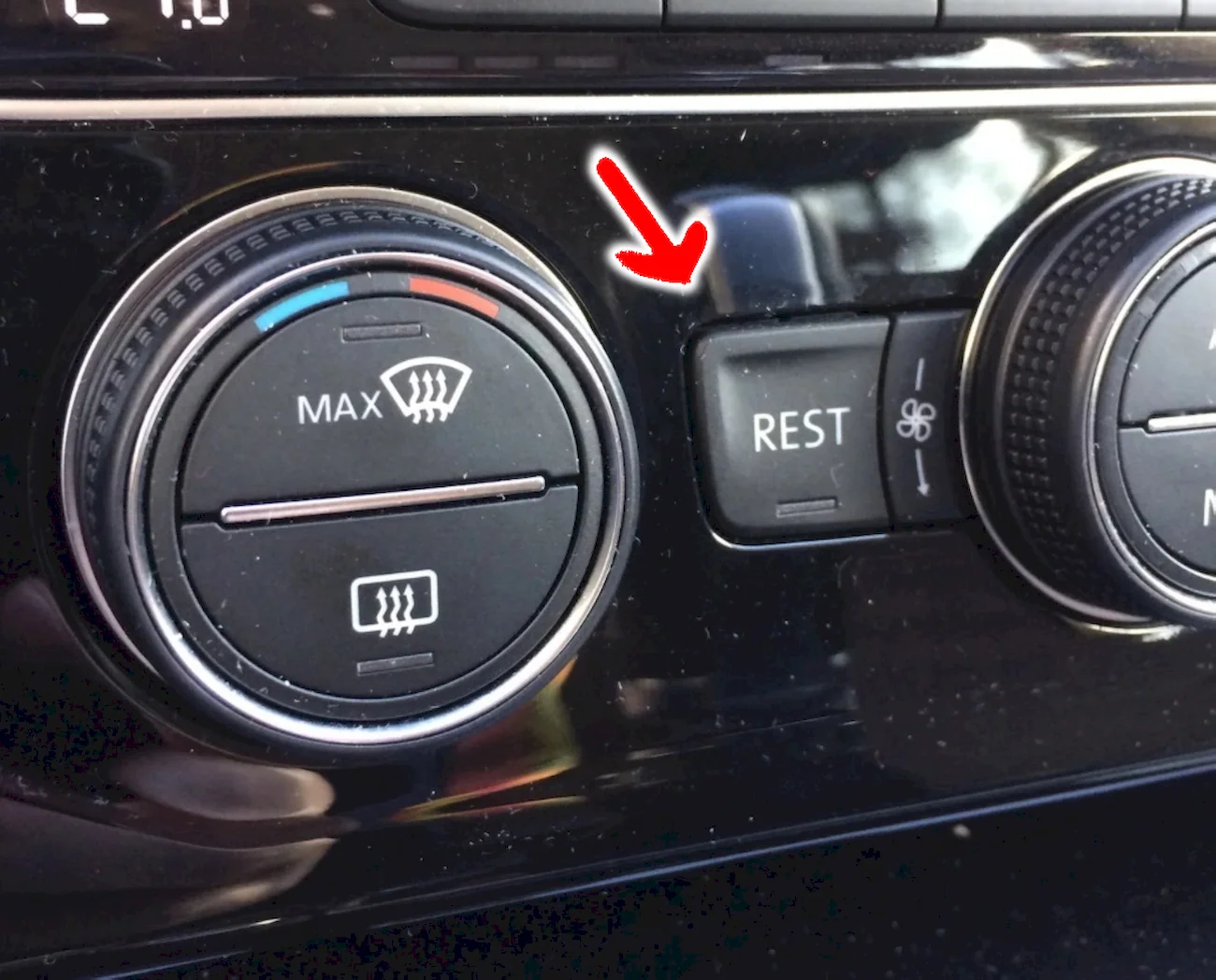
I want to share my personal experience with the REST button — the one you usually find next to the climate control panel. I first paid real attention to it after switching to another vehicle from Volkswagen. A new button appeared on the dashboard, I looked into what it did, and eventually started using it in everyday driving.
Let me explain it simply: REST keeps the climate system running after the engine is turned off.
It works both in winter (heater) and summer (light ventilation), using leftover heat from the coolant and power from the battery.
A quick warning up front: if most of your trips are short and your battery doesn’t have enough time to recharge properly, don’t overuse this feature. Your battery won’t thank you.
Why REST Exists in the First Place
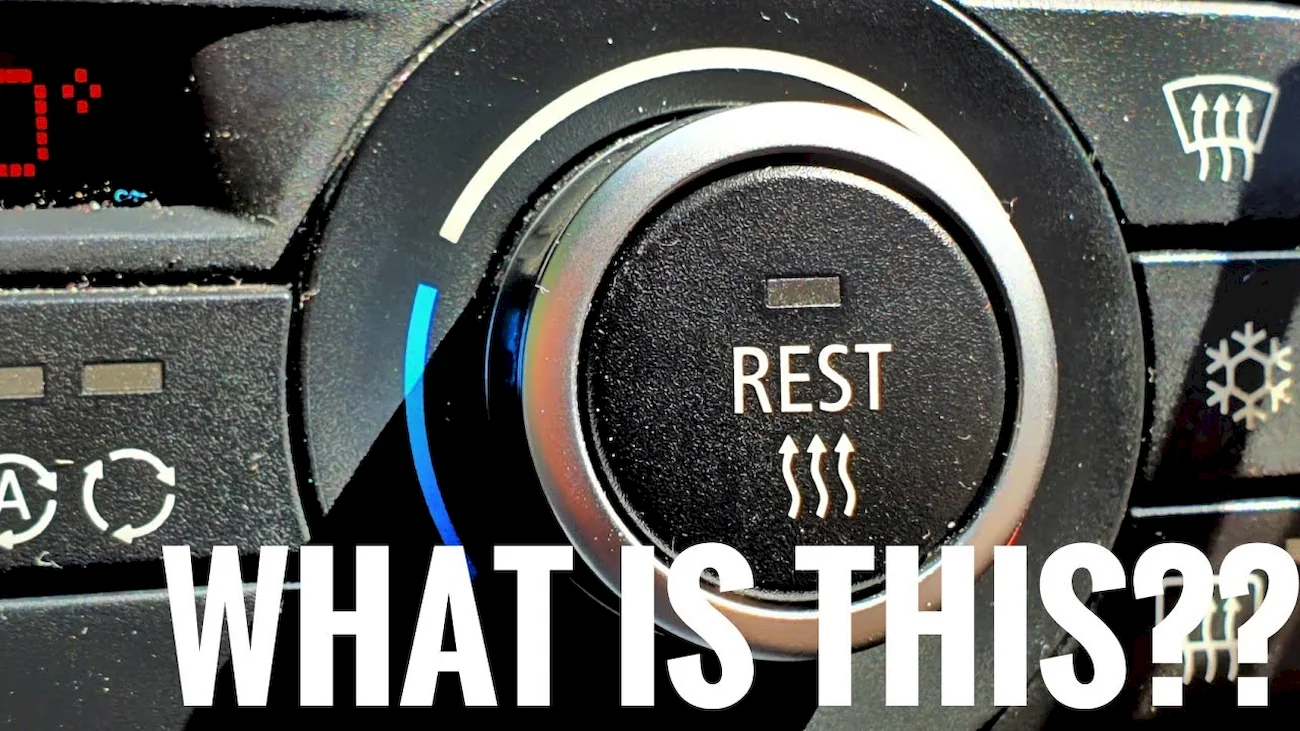
This option originally came from Europe, where automakers have long focused on reducing emissions. The idea is straightforward: instead of idling the engine while parked, the car uses residual heat from the already-warmed cooling system to keep the cabin comfortable.
Cleaner air plus fuel savings — a win-win.
Many drivers assume REST is useless because they press the button and “nothing happens.” In most cases, the reason is simple: a weak battery or software quirks in the climate control system. Sometimes the feature only starts working properly after a dealer software update. When everything is functioning as it should, REST can maintain the set cabin temperature for about 30–40 minutes (as long as the battery is healthy).
How I Actually Use REST
From my own experience, I can say this feature really helps save fuel in winter and makes trips more comfortable. I usually turn it on in these situations:
Long drives with frequent stops.
For example, while waiting for passengers or sitting in the car as my wife shops. I shut off the engine, and the cabin stays warm for quite a while thanks to the heated coolant.
Quick errands when a child (ages 6–12) stays in the car for 10–15 minutes.
The temperature remains comfortable, I can lock the car and take the key with me, and I don’t worry about curious hands pressing random buttons.
At highway gas stations.
Passengers stay warm, windows don’t fog up, and I can go pay for fuel without leaving the engine running.
For short rest breaks on long trips.
I pull into a parking area, turn on REST, and take a nap. After about 20 minutes the system shuts off automatically, and the cabin stays comfortable for another 15–20 minutes. That gives me roughly half an hour of real rest — just enough to recharge and keep driving safely.
Bottom line: REST is a simple way to avoid idling your engine while staying warm. It’s especially useful in winter, when you don’t want to start the car just for a few minutes of heat.
For me, it’s one of those small features you learn to appreciate over time. It’s genuinely convenient — as long as you understand when and how to use it.
If you’ve found your own ways to use this function, feel free to share. I’m sure others would find it helpful too.
You may also be interested in the news:
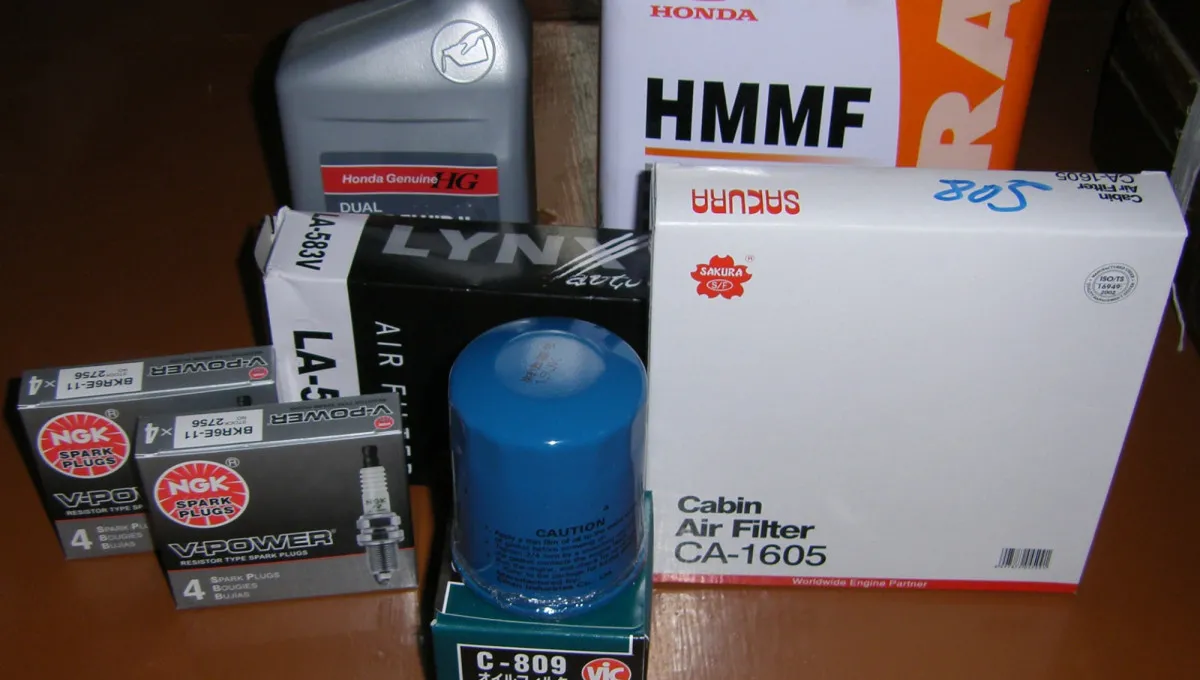
Changing Your Car’s Filters: How to Do Basic Maintenance Yourself Without Damaging the Engine
Changing the oil, engine air filter and cabin air filter yourself can save money, but small mistakes can cause expensive problems.
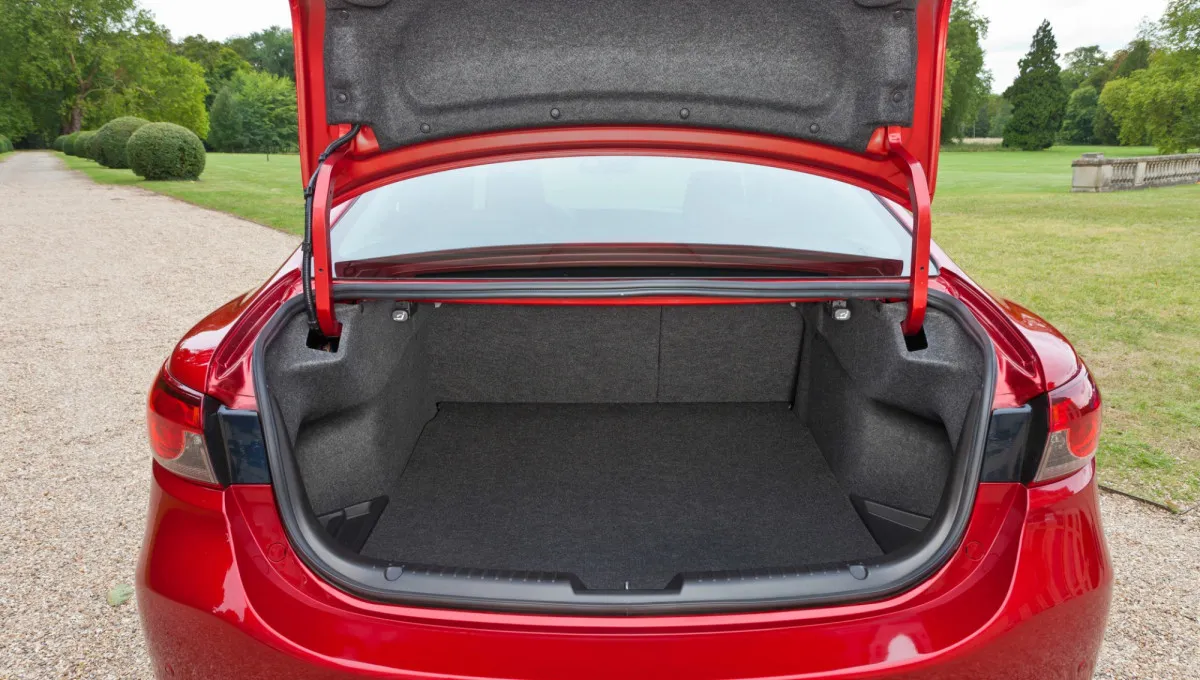
That Stuff in Your Trunk Is Costing You More Than You Think—Here’s What to Take Out
Carrying unnecessary cargo can quietly increase fuel use, accelerate wear and create an avoidable safety hazard for drivers and passengers.
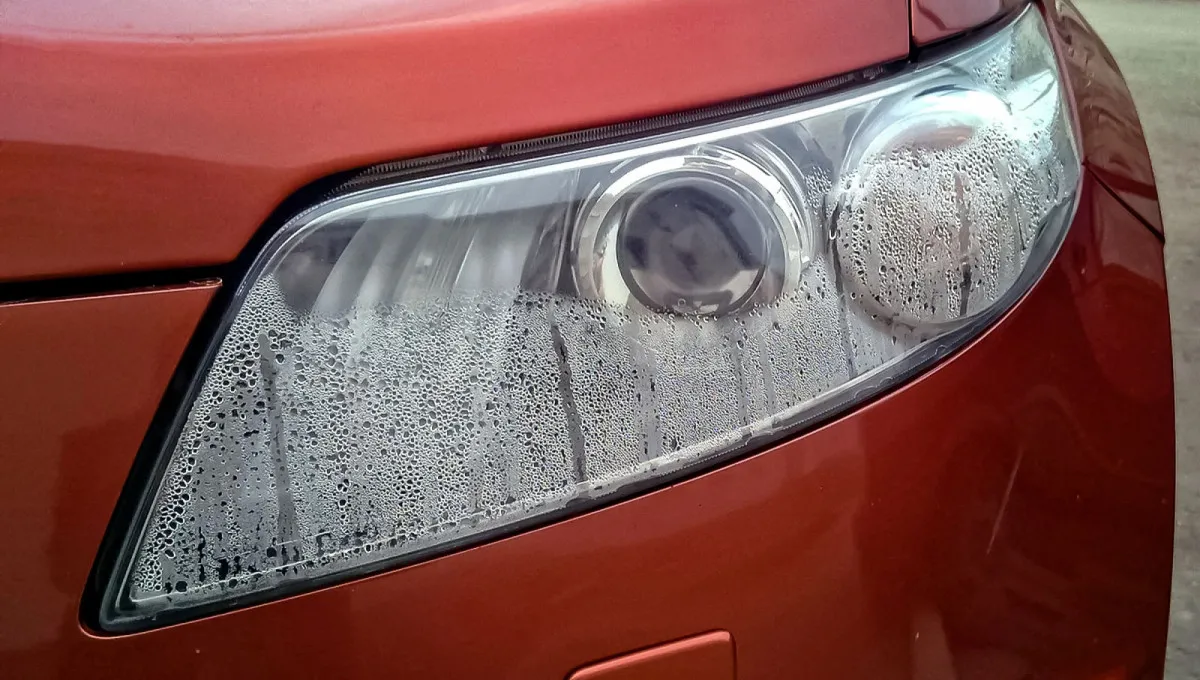
Your Headlights Are Fogging Up for a Reason: 4 Causes and 5 Steps to Fix Them
Foggy headlights are not always a sign of damage, but persistent condensation can point to a problem that needs attention.
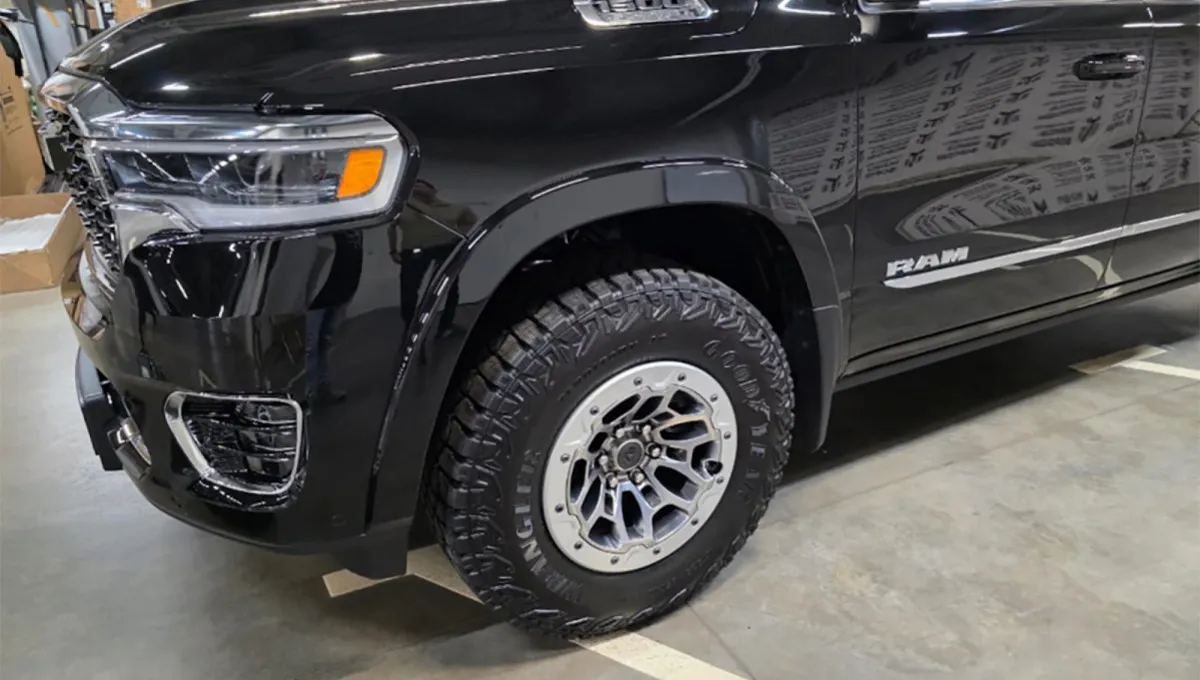
Why Is Your Car’s Suspension Making a Knocking Noise? 5 Symptoms Every Driver Should Know
Five common suspension noises can point to specific problems, helping drivers narrow the cause before inspection.
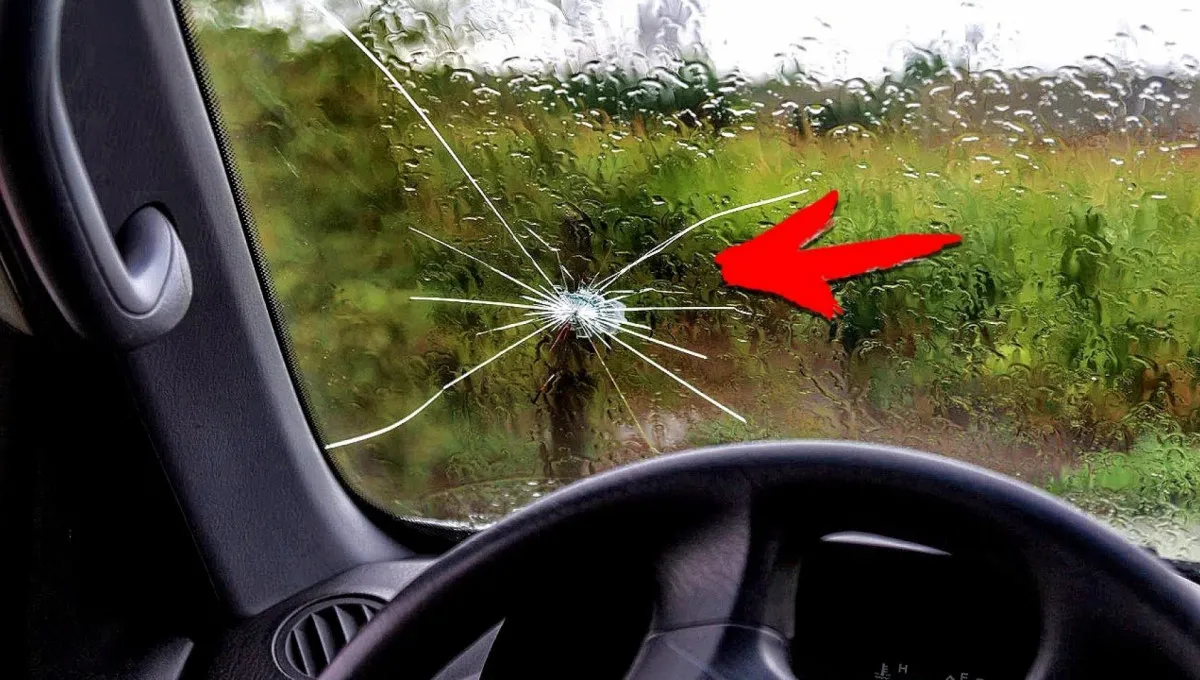
How to Protect Your Windshield From Flying Rocks: This Simple Trick Could Save You From Replacing It
Keep your distance, slow down and repair chips quickly to help prevent small windshield damage from becoming costly cracks.