
Mix of Two Ingredients Melts Ice on Your Windshield in 30 Seconds — Works Even in Subzero
If your windshield is iced over and your washer fluid is frozen or empty, a homemade spray can save the day.
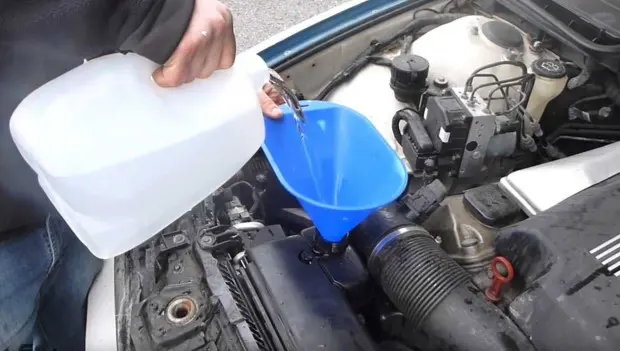
You can make your own winter windshield de-icer at home.
For car owners, winter often brings an unpleasant surprise: the entire vehicle is coated in a thick layer of ice, and you need to hit the road immediately. In this situation, it’s important to act carefully to avoid cracking the glass. The most popular way to quickly remove ice from a windshield is with commercial de-icing washer fluids. These products are often labeled as “anti-freeze” washer fluids because they quickly thaw ice on your vehicle.
But you don’t necessarily have to buy them at the store. In practice, homemade sprays work just as well—and cost significantly less.
How to Remove Ice From a Windshield Without a Scraper
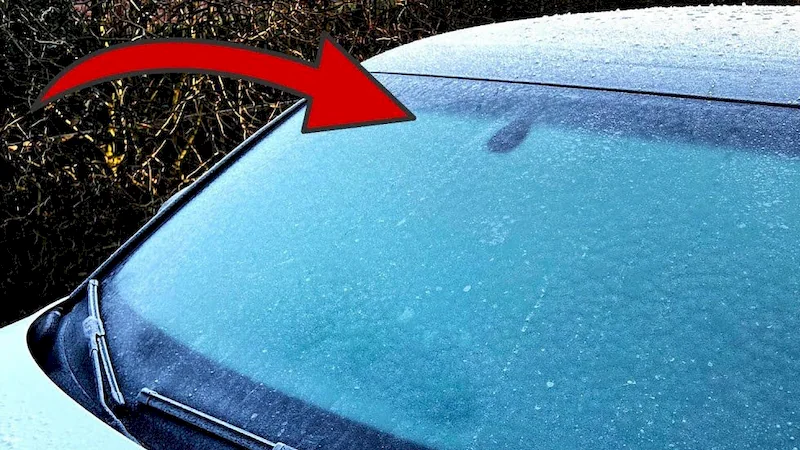
You can get rid of ice on your car without using a scraper, cardboard, a credit card, or other improvised tools desperate drivers sometimes rely on.
All you need to do is mix two inexpensive ingredients. Here’s how to clear ice from your windshield: combine about 5 fluid ounces (150 ml) of glass cleaner with about 7 fluid ounces (200 ml) of rubbing alcohol. Shake the mixture well and pour it into a spray bottle.
Using this DIY de-icer is simple: spray it onto the icy surface and wait about 30 seconds. The ice will quickly melt into slush, which you can wipe away with a cloth or your windshield wipers.
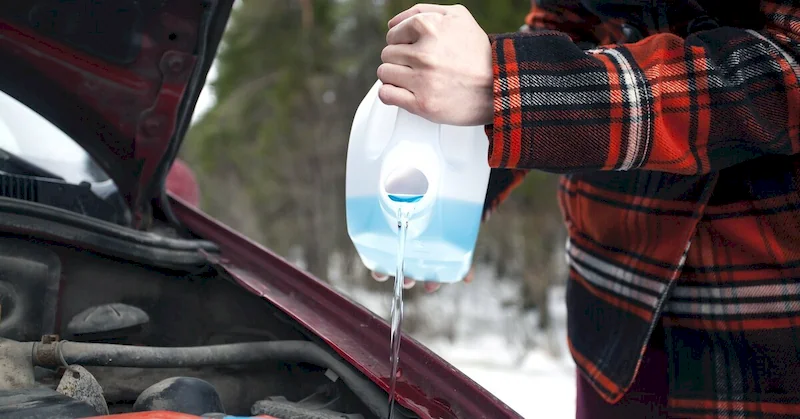
Alcohol is the key ingredient that rapidly breaks down ice and grime. Unlike water, it remains liquid even at temperatures as low as minus 40 degrees Fahrenheit, so it won’t refreeze on your vehicle. Store-bought de-icers typically contain either ethyl or isopropyl alcohol. The glass cleaner in this mixture helps remove leftover dirt, prevents streaking, and leaves a fresh scent.
This spray effectively dissolves ice without causing microcracks in the glass. Unlike mechanical scraping, the method requires no physical effort and reduces the risk of damaging your windshield. It also doesn’t leave streaks, which is essential for clear visibility on the road.
Another major advantage of a homemade de-icer is cost: it’s far cheaper than store-bought alternatives and tends to last longer, making it a more economical option overall.
You may also be interested in the news:
Your Engine Could Be Warning You: 6 Problems That Can Make a Car Run Rough
Engine problems rarely happen without a reason, and six common issues can cause a car to run poorly.
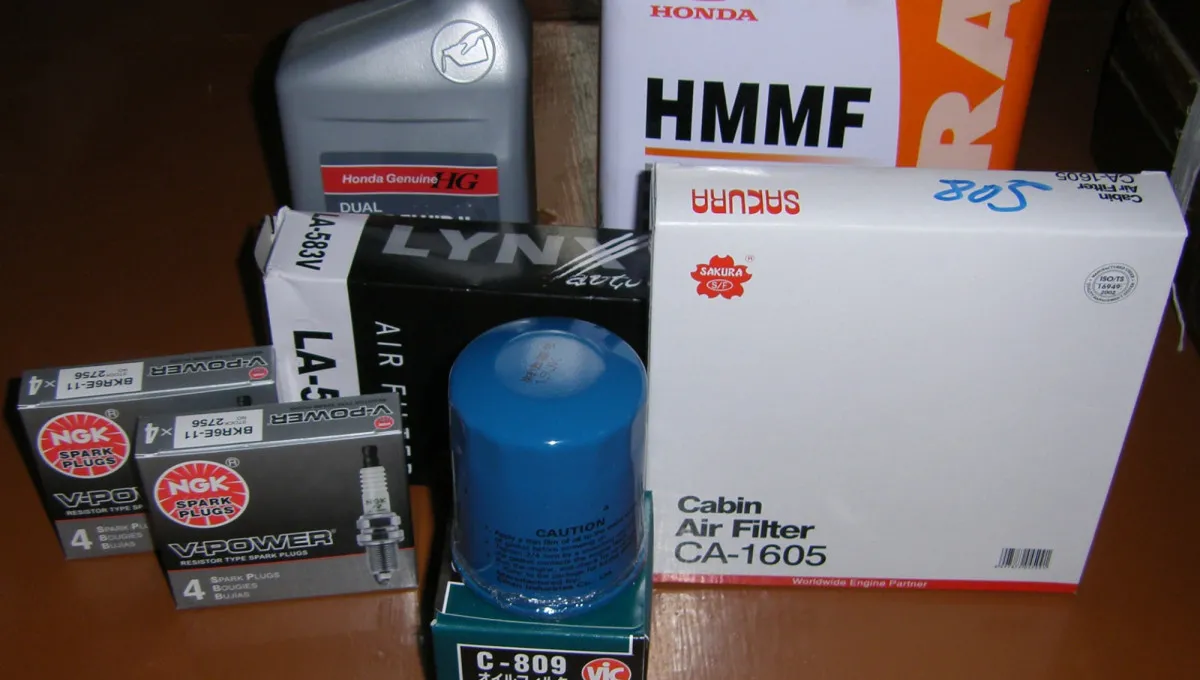
Changing Your Car’s Filters: How to Do Basic Maintenance Yourself Without Damaging the Engine
Changing the oil, engine air filter and cabin air filter yourself can save money, but small mistakes can cause expensive problems.
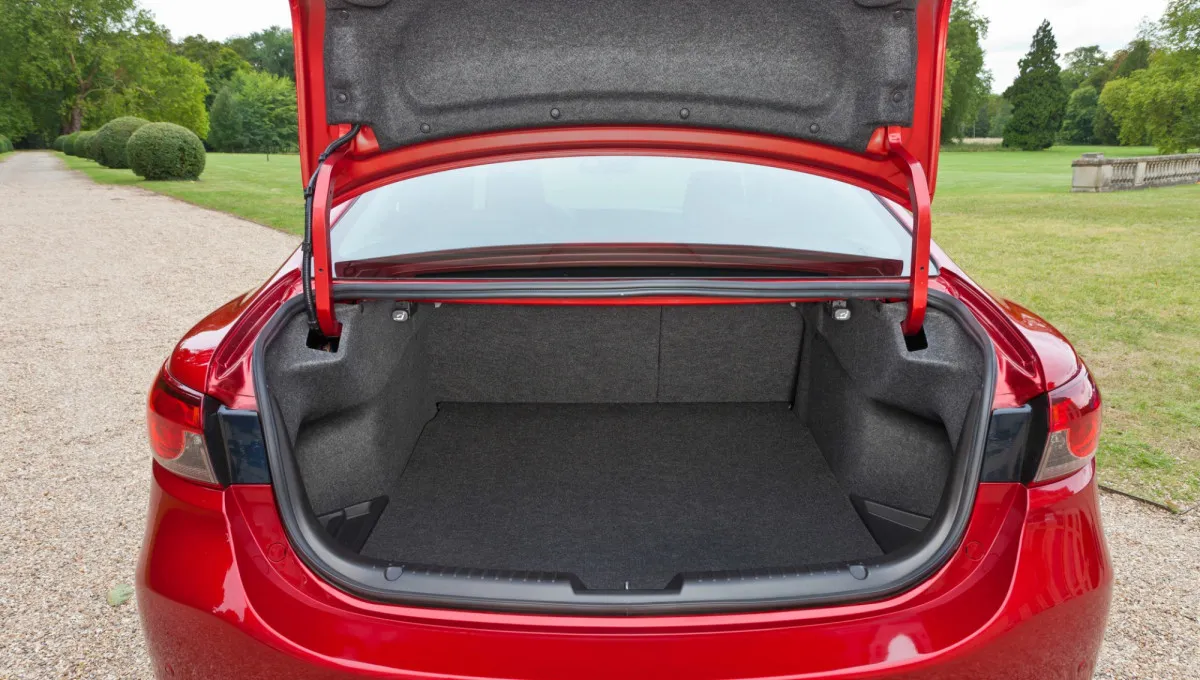
That Stuff in Your Trunk Is Costing You More Than You Think—Here’s What to Take Out
Carrying unnecessary cargo can quietly increase fuel use, accelerate wear and create an avoidable safety hazard for drivers and passengers.
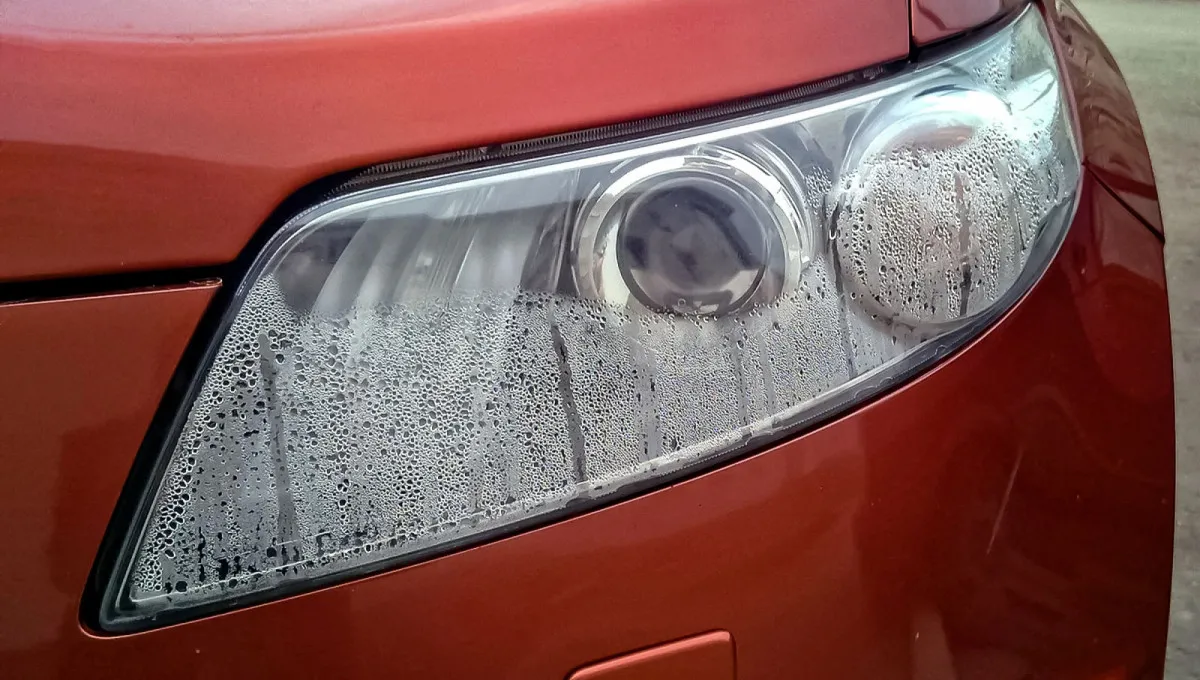
Your Headlights Are Fogging Up for a Reason: 4 Causes and 5 Steps to Fix Them
Foggy headlights are not always a sign of damage, but persistent condensation can point to a problem that needs attention.
Why Is Your Car’s Suspension Making a Knocking Noise? 5 Symptoms Every Driver Should Know
Five common suspension noises can point to specific problems, helping drivers narrow the cause before inspection.