10 Wild Car Concepts That Redefined What a Vehicle Could Be
The most невероятные ideas ever built into one-of-a-kind concept cars.
In the race to build vehicles that outshine the competition, engineers sometimes push far beyond conventional thinking. The result? Radical ideas brought to life in unique concept cars.
1. Renault Espace F1 – A Minivan With a Formula 1 Soul
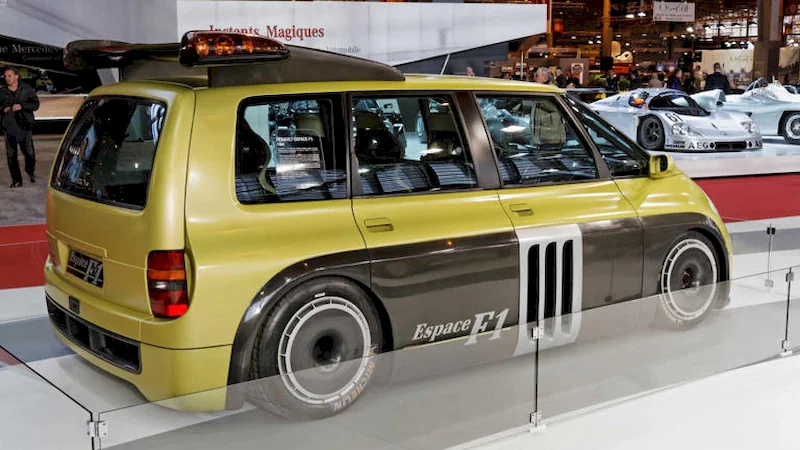
What started as a practical seven-passenger minivan became something outrageous in 1995. Engineers fitted the Espace F1 with a roaring V10 engine from the Renault-Williams FW15C Formula 1 car, tuned to 800 horsepower and mounted between the rear seats.
The custom carbon-fiber body featured real racing seats, aerodynamic fins, and diffusers inspired by F1 cars. The result? A 0–60 mph time of just 2.8 seconds — quicker than many Ferraris of its era — and a top speed of 194 mph.
2. Mercedes-Benz F400 Carving – Leaning Into Corners
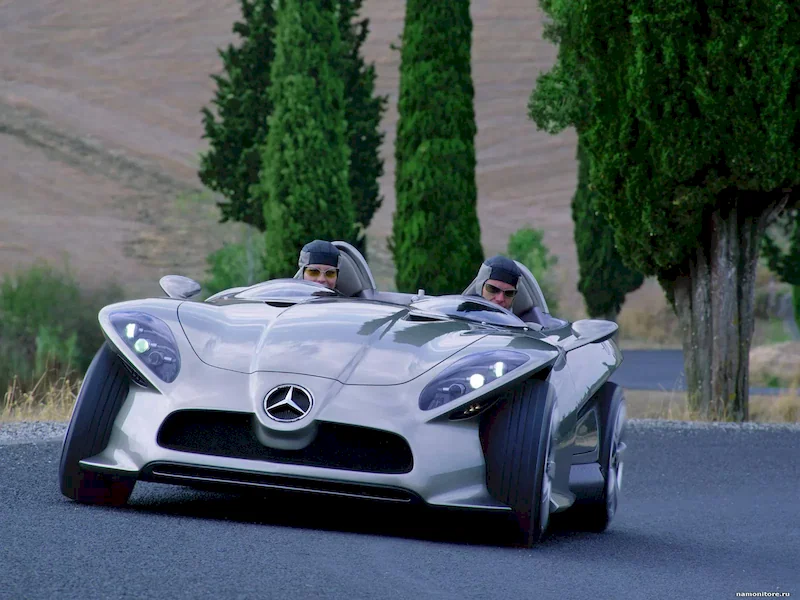
In 2001, Mercedes-Benz introduced the F400 Carving with a radical chassis design. Like a skier carving through snow, the car could lean into turns for greater stability.
Its computer-controlled suspension allowed the wheels to tilt up to 20 degrees from vertical, increasing lateral stability by as much as 30%. Each wheel featured dual tires: a 19-inch outer tire for straight-line driving and a 17-inch inner tire optimized for cornering.
3. Kia Naimo – Air Instead of Wipers
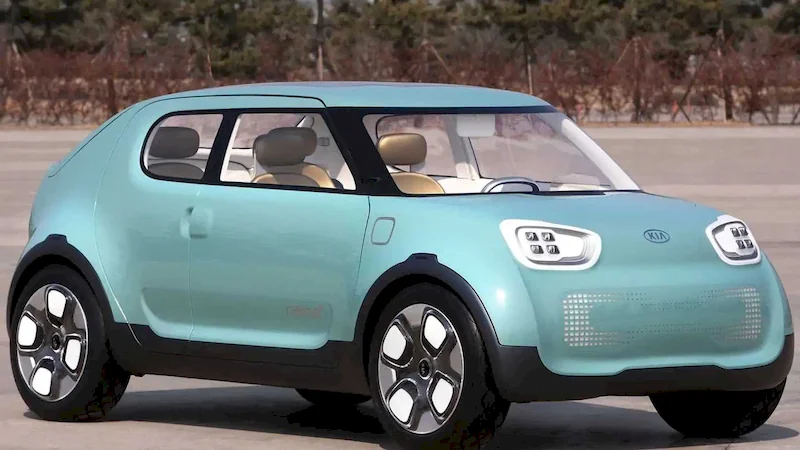
The all-electric Kia Naimo concept, unveiled in 2011, showcased several unusual ideas, including a fast-charge system capable of recharging in about 25 minutes and distinctive LED lighting.
But its most striking feature replaced traditional windshield wipers with an air-blast cleaning system. A jet of air directed upward from the base of the windshield cleared away rain and debris.
4. Renault Racoon – Adjustable Suspension on Demand
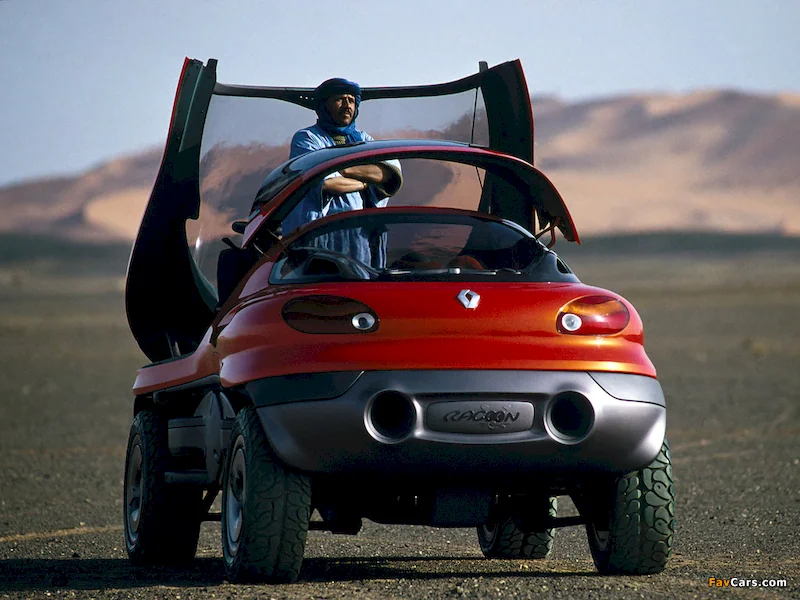
Designed in 1992, the three-seat Renault Racoon was far ahead of its time. It featured computer controls, satellite navigation, rear-view cameras, and rain-dispersing glass.
Even more unusual, the Racoon could travel through water. Its door lifted upward like a canopy. Most impressive was its scissor-style adjustable chassis, which raised the vehicle to increase ground clearance when needed.
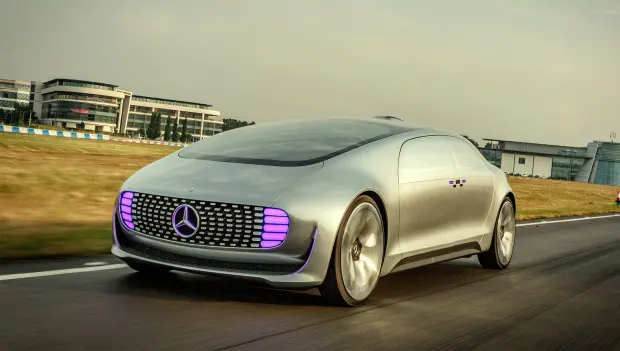
5. Mercedes-Benz F 015 – A Futuristic Lounge on Wheels
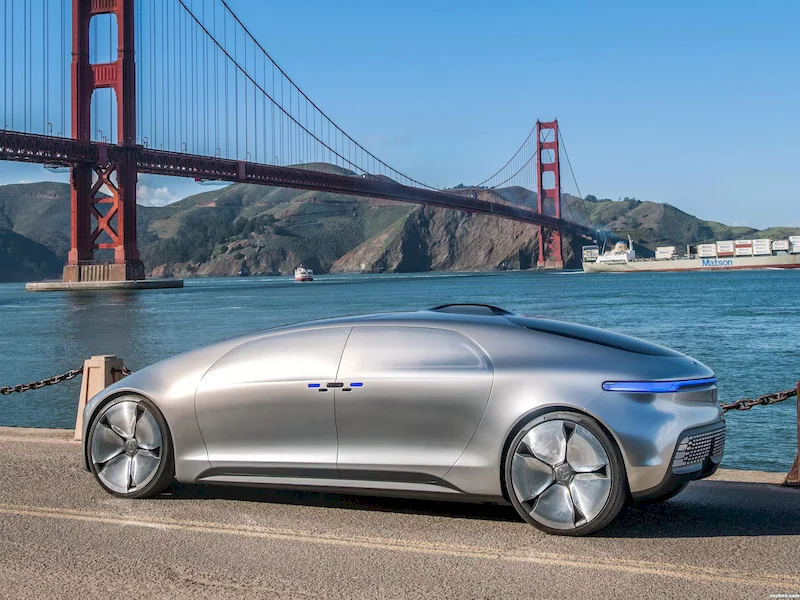
This 2015 autonomous luxury concept imagined a future where passengers no longer needed to watch the road. The Mercedes-Benz F 015 eliminated the traditional dashboard, and its seats rotated so passengers could sit face-to-face.
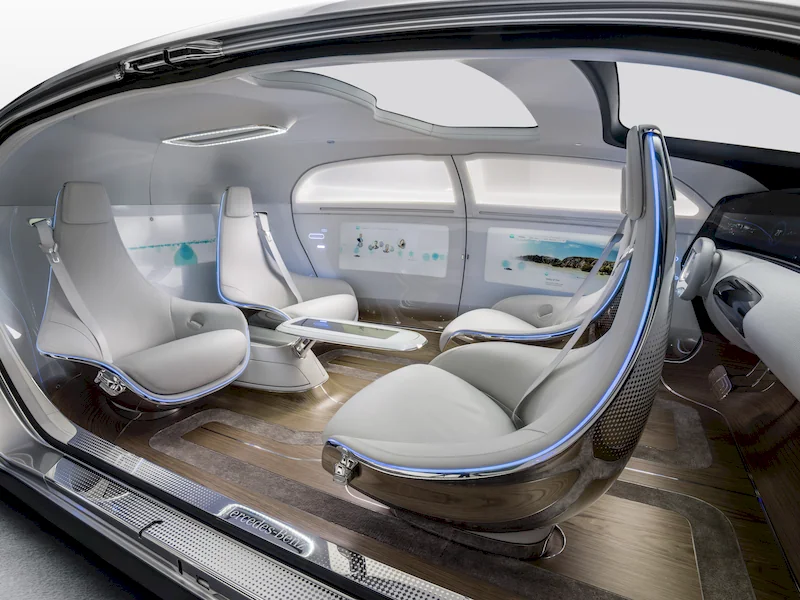
Six integrated display screens allowed interaction through gestures, eye movements, and touch controls, turning the cabin into a rolling digital lounge.
6. Opel Twin – Swappable Powertrain
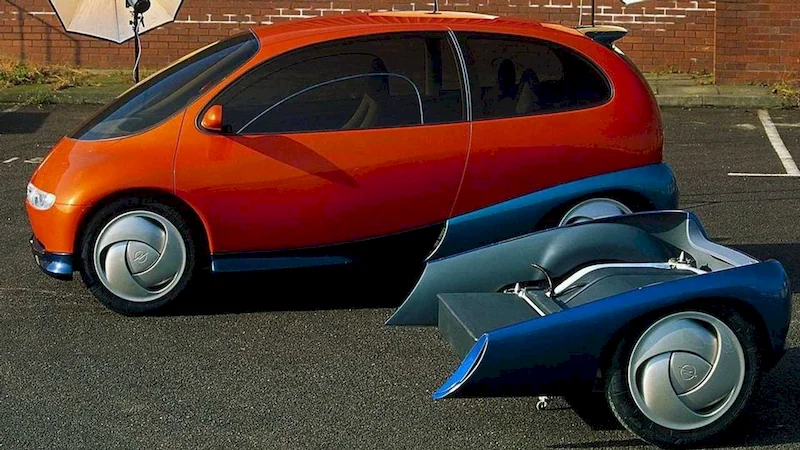
The 1991 Opel Twin electric vehicle featured a detachable rear drive unit. Its battery pack and electric motors could be swapped out and replaced with a gasoline engine, fuel tank, transmission, and exhaust system — all integrated with the rear axle.
In electric mode, the car offered about 124 miles of range. With the gasoline setup, range increased to roughly 310 miles.
7. Nissan Pivo – A Car That Spins in Place
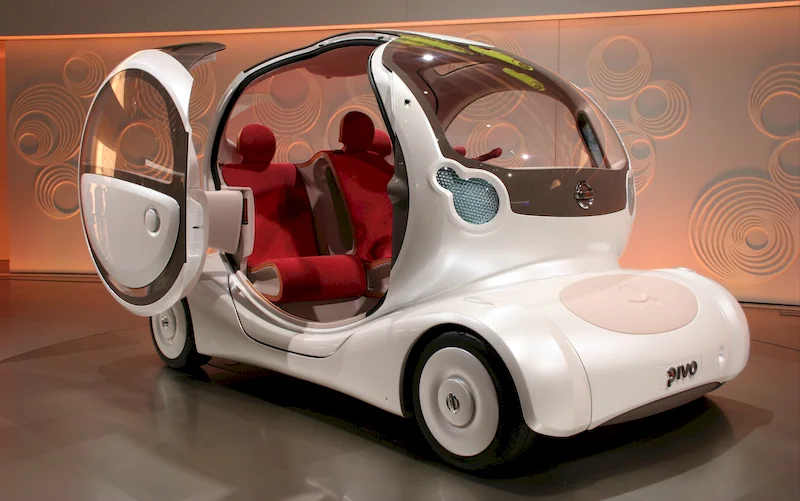
First introduced in 2005, the tiny three-seat electric Nissan Pivo could rotate its cabin 360 degrees. That meant no need to reverse — simply spin around to face the opposite direction, making city parking dramatically easier.
It also featured a surround-view camera system, expansive windshield and side glass, and futuristic doors.
8. Mercedes Vario Research Car – Interchangeable Bodies
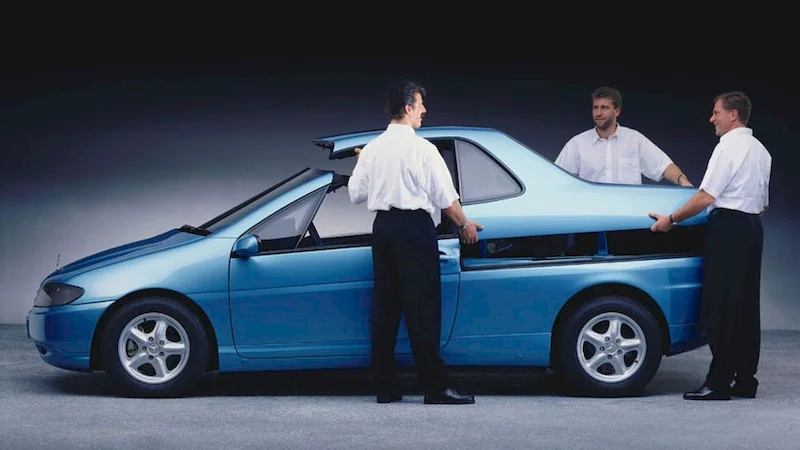
In 1995, Daimler-Benz experimented with a modular concept vehicle that allowed owners to swap body styles on a single chassis. Sedan, convertible, pickup, or wagon — all could be installed depending on the driver’s needs.
The carbon-fiber body sections were lightweight and strong, and the transformation reportedly took just 15 minutes.
9. Renault Avantime – Reinventing the Door
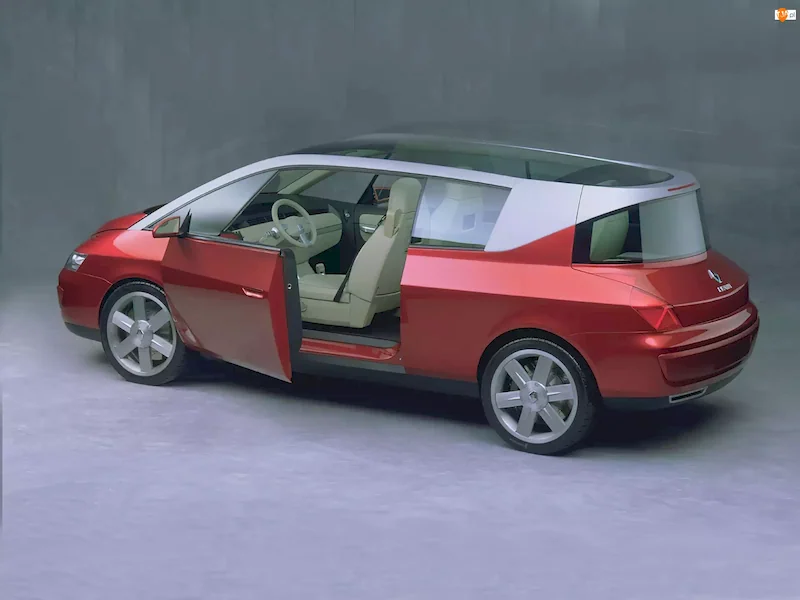
Unveiled in 1999, the pillarless Avantime combined elements of a wagon, convertible, and coupe. Designer Patrick Le Quément wanted the car to surprise anyone walking around it — and it did.
Its two large doors used a parallel-opening mechanism that minimized outward swing by moving slightly forward. The panoramic roof and large side windows folded to create an open-air coupe effect.
10. Saab Aero-X – A Fighter Jet for the Road
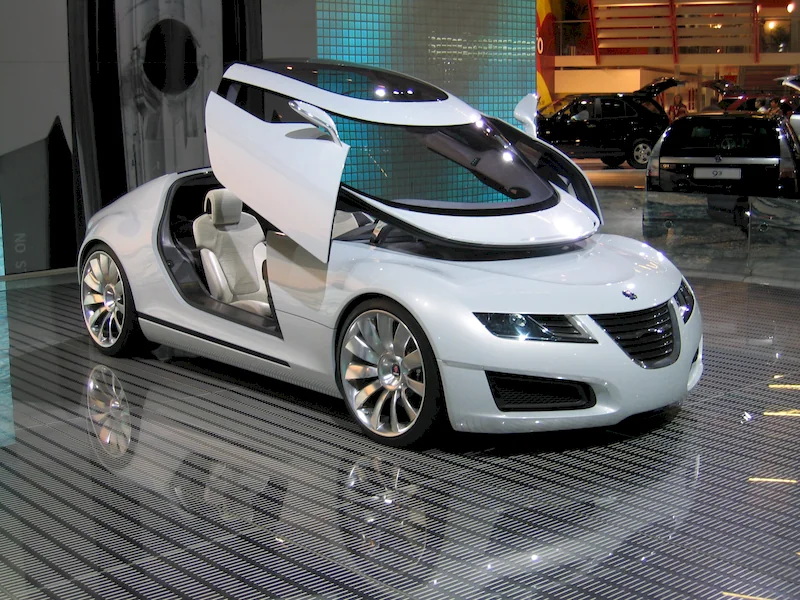
The two-seat Saab Aero-X looked more like a jet than a car. It had no traditional doors — instead, the entire canopy, integrated with the windshield, lifted upward like a fighter aircraft cockpit.
The driver enjoyed a 180-degree field of vision. Instead of conventional buttons and gauges, 3D information was projected onto transparent acrylic panels, delivering a truly futuristic experience.
You may also be interested in the news:

What Does a Flashing Red Traffic Light Mean? Can You Keep Driving?
Drivers must come to a complete stop at the stop line before deciding whether it is safe to proceed.

Why You Should Check a Tire’s Manufacturing Date Before Buying
Tire buyers should check more than size, tread, and brand because rubber changes with age, even without visible wear.

Four Car Features Modern Drivers Are Starting to Miss
New cars keep adding technology, but some simple features that drivers once relied on are disappearing.

The Sheriff Knew She Was Speeding—Then This Blonde Driver Turned the Ticket Against Him
A sheriff pulls over a Ferrari for speeding, but the driver's bizarre logic quickly turns the traffic stop against him.