
Common Signs of a Clogged Catalytic Converter – What It Does and How to Check It Yourself
No matter what you’ve heard about catalytic converters lasting forever, the truth is that every one of them eventually wears out. Here’s how to diagnose a failing converter—and what you can do to fix it.
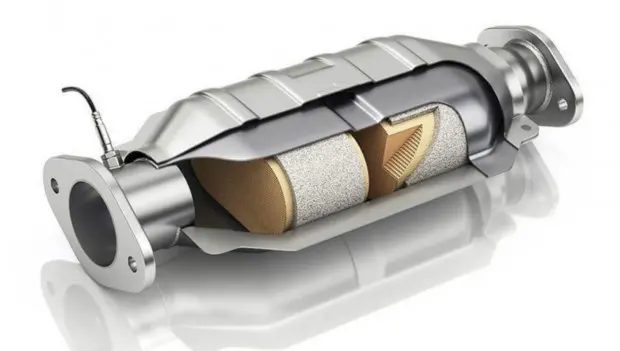
A catalytic converter is a key component of your car’s exhaust system. Its job is to neutralize harmful gases by triggering chemical reactions that break toxic emissions into relatively harmless compounds.
At first glance, its design seems simple—but it’s more sophisticated than it looks. Inside the metal casing are catalyst substrates (often called honeycombs), which are usually made of ceramic but sometimes of metal. Exhaust gases flow through the tiny channels of these honeycombs, where precious metals like platinum and iridium trigger the chemical reactions that clean the emissions. The core material itself doesn’t take part in the reaction—it’s the thin coating of these metals that does the real work.
Because the converter operates under extreme heat, sometimes exceeding several hundred degrees, it includes a built-in heat-insulation layer to prevent overheating or even fire. The system works best at around 300°C (roughly 570°F). However, after about 60,000 to 100,000 miles, depending on driving conditions, the converter begins to lose efficiency and may eventually clog or fail.
Classic Signs of a Clogged Catalytic Converter
When the converter reaches the end of its life, your car will likely let you know. The “Check Engine” light often comes on, and the vehicle may switch into limp mode. However, that warning light doesn’t always appear immediately—it only turns on if the unit is physically damaged or the wiring is faulty. A partially clogged converter might still appear “fine” on your dashboard while your engine struggles.

Drivers often notice a significant loss of power, sluggish acceleration, and rough starts. These symptoms usually mean that the honeycomb structure is blocked with carbon buildup, restricting exhaust flow. Trapped gases create back pressure that pushes against the engine, which in turn reduces performance and can even cause the motor to stall. Over time, the internal structure can deform or melt.
Another giveaway: a rotten-egg smell (caused by unburned sulfur in the exhaust). If the exhaust flow from your tailpipe feels weak compared to normal, that’s also a bad sign—the converter may be clogged.
How to Check Your Catalytic Converter Yourself
If you’d rather skip the repair shop—or save on diagnostic fees—you can do a few simple checks at home:
-
Visual inspection: Use a bright flashlight to look inside the converter. You might need to remove it from the car, but be aware—it can be firmly stuck to the exhaust system, so lifting the vehicle safely with a jack or hoist is recommended.
-
Smell test: As mentioned earlier, a sharp, sulfur-like odor coming from the exhaust is a strong indicator that the converter isn’t working properly.
-
Exhaust pressure test: Hold your hand near (not over) the tailpipe while the engine is running. If the flow feels weak or inconsistent, your converter may be clogged.
Consequences of Ignoring a Clogged Converter
The results can range from inconvenient to catastrophic, depending on the severity of the blockage. A converter that’s merely dirty can sometimes be cleaned or flushed, restoring performance. But if the ceramic core has melted or collapsed, the only solution is replacement—or installing a resonator (flame arrester) instead.
In extreme cases, a clogged converter can cause exhaust gases to flow back into the engine cylinders. These gases often carry fragments of ceramic, carbon, and metal, which can severely damage the piston and cylinder assembly. Once that happens, minor repairs won’t help—you’ll likely need a full engine rebuild, which can be very expensive.
What to Do If Your Converter Is Clogged
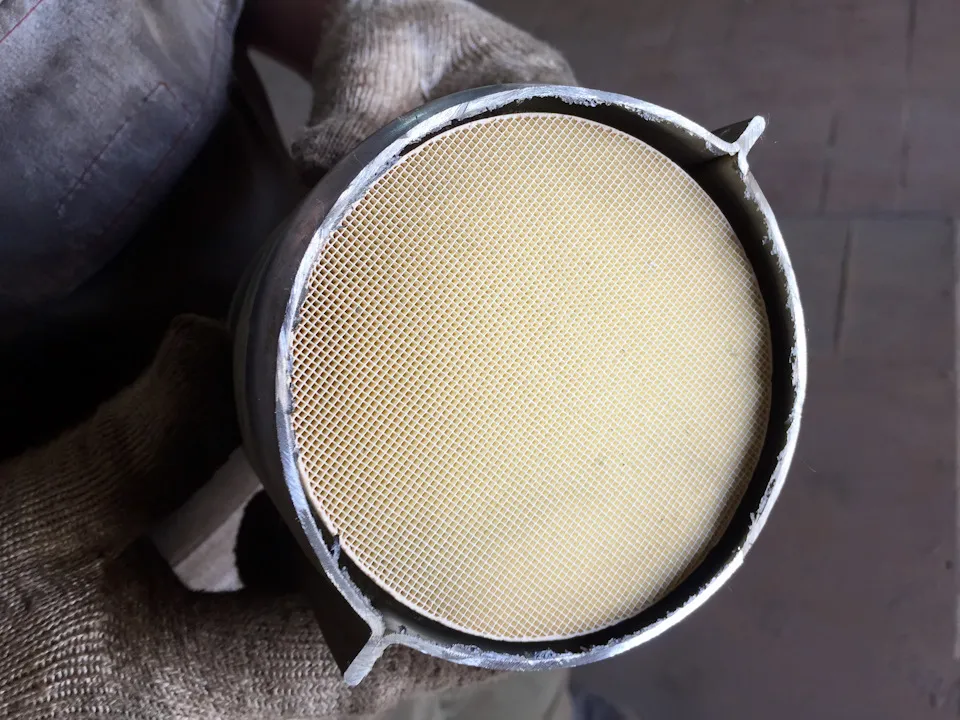
Unfortunately, catalytic converters aren’t designed for easy repair. Once they’re beyond recovery, they have to be replaced or discarded. Some drivers choose to install a resonator instead, though it’s less environmentally friendly.
If you opt for a replacement, you can either buy a new unit yourself or have one installed at a repair shop. Keep in mind that the price can vary widely. For example, an OEM catalytic converter for a Ford Fiesta can run anywhere from $1,500 to over $3,500 just for the part. Add another $200 – $600 for labor, depending on the shop and location.
A clogged catalytic converter might start as a minor annoyance—but ignoring it can lead to far greater (and costlier) damage. So if your car seems sluggish, smells strange, or triggers that check-engine light, don’t wait too long to find out why.
You may also be interested in the news:

How to Reduce Tire Damage on Pothole-Filled Roads
Even a small pothole can cause serious trouble for a car. A hard hit can damage a tire, including its internal structure.
Study Finds Cars Used the Least Fuel Around 43 MPH, Not 56 MPH
At what speed does a car use the least fuel? French researchers identified a figure that may surprise many drivers.

Driver Assist Test: Who Actually Helps and Who Just Grates on Your Nerves
Electronic driver aids are now a fixture of modern cars. Since 2024, the European Union has required key safety systems in new vehicles. But having those features on the equipment list is one thing; making them useful is another.


The Winter Trick Every Driver Should Know: Kitty Litter in the Trunk
Sand, salt, or cat litter: What can help tires find traction on a slippery road? Here’s a look at an unusual addition to a winter emergency kit.