
Most Americans Don’t Know This: Hidden Features of the Start/Stop Engine Button
Here’s what you probably didn’t know about the Start/Stop Engine system and its lesser-known capabilities.
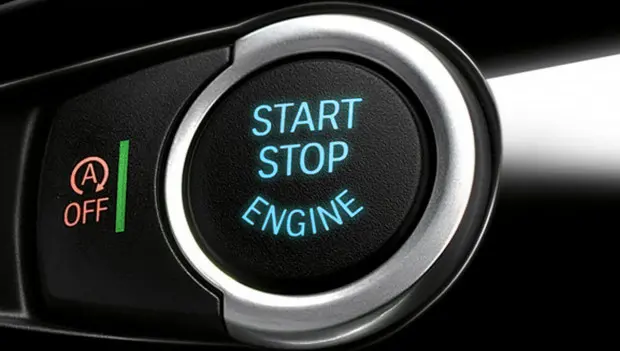
If you drive a modern car, chances are you’ve noticed a Start/Stop Engine button somewhere near the steering column or next to the gear selector. But have you ever wondered what this button really does — and whether it’s worth paying extra for it when buying a new vehicle? Let’s take a closer look at how this system works and explore some of its hidden features that many drivers overlook.
The Main Purpose of the Start/Stop Engine Button
A few decades ago, every car on the road relied on a simple metal key to start the engine. Then, in the early 2000s, the first models with a push-button start began to appear. Today, that same feature is standard equipment in many vehicles across the market.
The button allows drivers to start or shut down the engine — often without physically inserting a key. In cars equipped with keyless entry, a transmitter inside the key fob communicates wirelessly with the vehicle. Once the system detects the key inside the cabin, a single press of the button is all it takes to bring the engine to life.
The Hidden Capabilities Most Drivers Miss
Many car owners assume the button’s only job is to start the engine. But in reality, automakers have built in additional functions that enhance both convenience and safety.
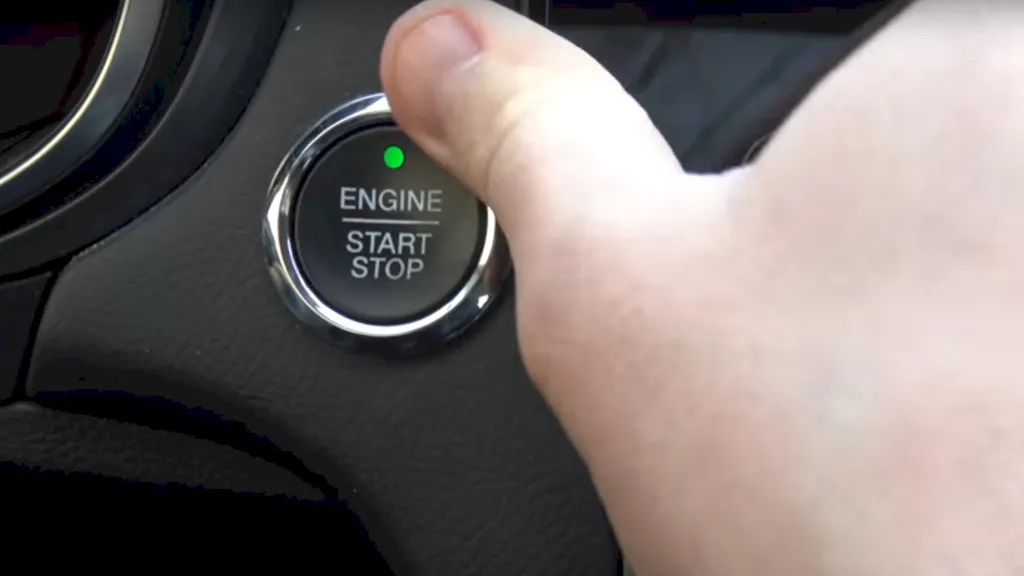
For example, several Volkswagen and Audi models feature a steering lock activation mode tied to the Start/Stop button. After turning off the engine, pressing the button again manually locks the steering wheel — an extra layer of security, even if it’s not a foolproof theft deterrent.
Another lesser-known feature is the ability to force-shut down the engine in an emergency. Let’s say the transmission malfunctions and gets stuck in “Drive.” Normally, the system wouldn’t allow the engine to turn off while the car thinks it’s moving. However, there’s a built-in override:
hold the Start/Stop Engine button for about five seconds while pressing the brake pedal. The system will then cut power — but only if it detects that the vehicle’s speed is below about 6 mph (10 km/h), ensuring it’s safe to do so.
These hidden functions show that the Start/Stop button is more than just a convenience feature — it’s a small piece of modern automotive tech designed to improve safety, security, and ease of use.
You may also be interested in the news:
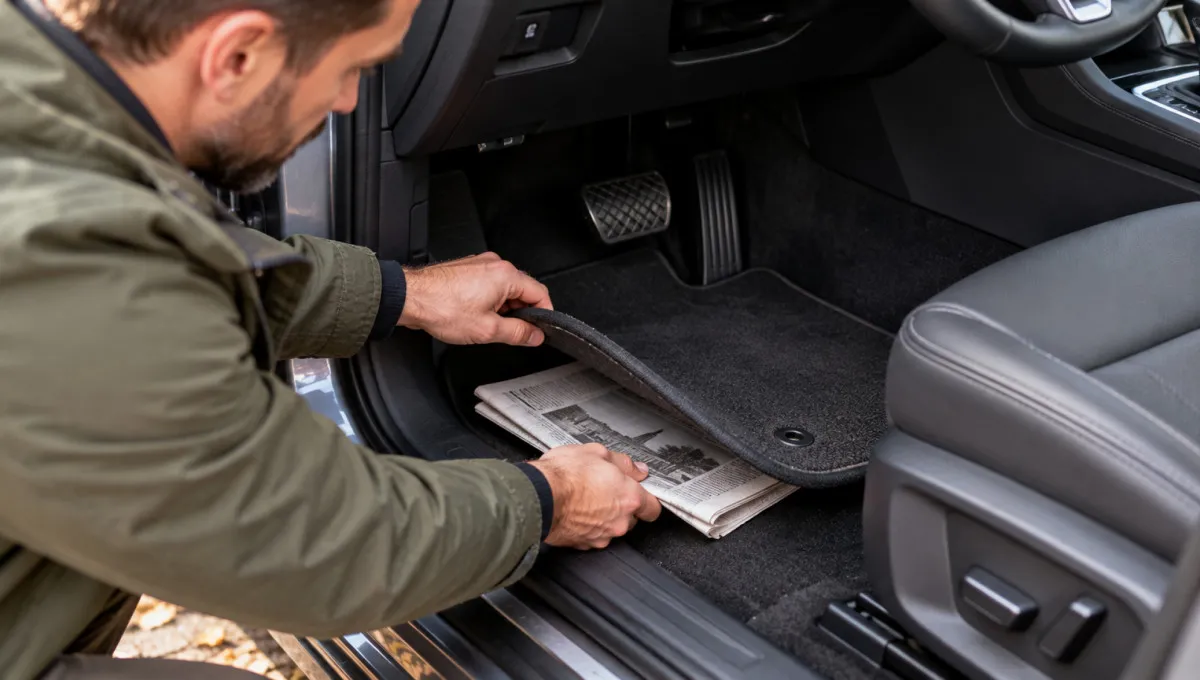
When the First Freeze Hits, Put Newspaper Under Your Floor Mat: An Old Winter Driving Trick
Newspaper under a floor mat can help protect a car's floor from winter moisture, but it requires regular attention.
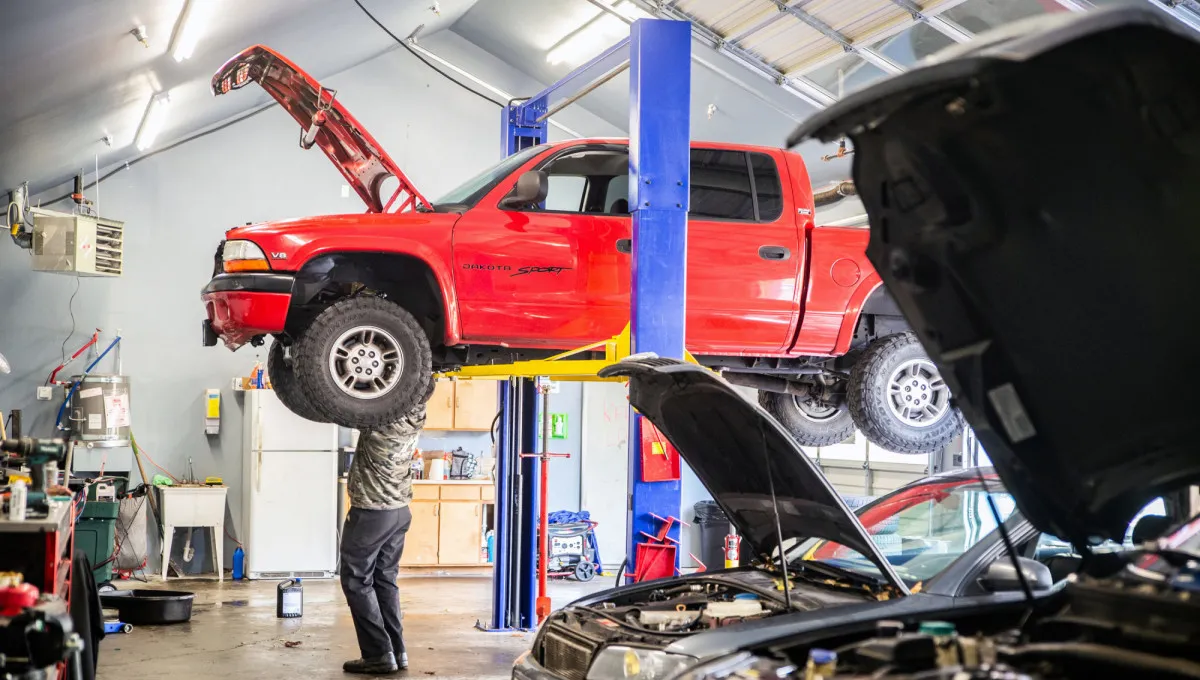
How a Repair Shop Can Overcharge You: What Every Driver Should Know
An experienced mechanic knows how to increase a repair bill, and drivers should know what to watch for before approving work.
How to Find the Source of a Car Interior Rattle in 15 Minutes
A simple trick can help drivers pinpoint an annoying interior rattle without taking apart half the cabin or visiting a repair shop.
The Dent Can Disappear Without a Trace: How to Repair Car Body Damage Without Paint
Paintless dent repair can restore a damaged panel to its original shape, but only when certain conditions are met.
Not Ford, BMW or Audi: Mechanic Names the Car Brand That Almost Never Breaks Down
Auto repair professionals reveal which models rarely suffer major failures and which ones repeatedly end up on the lift.