
Don’t Press This Button in the Rain — Here’s What Happens
Many drivers aren’t entirely sure what this button in their car actually does.
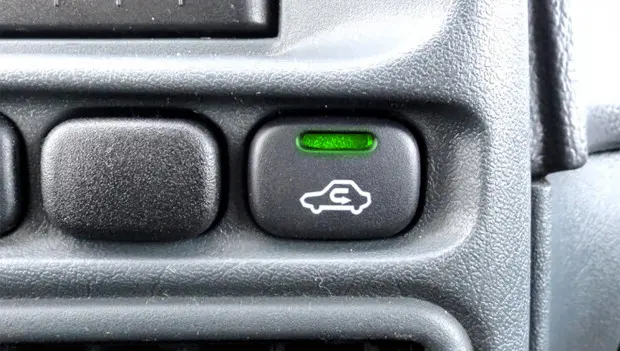
A lot of motorists have only a vague idea of what this button is for. It’s typically located on the climate control panel and marked with a symbol showing a car and a circular arrow inside it.
That button activates the air recirculation mode.
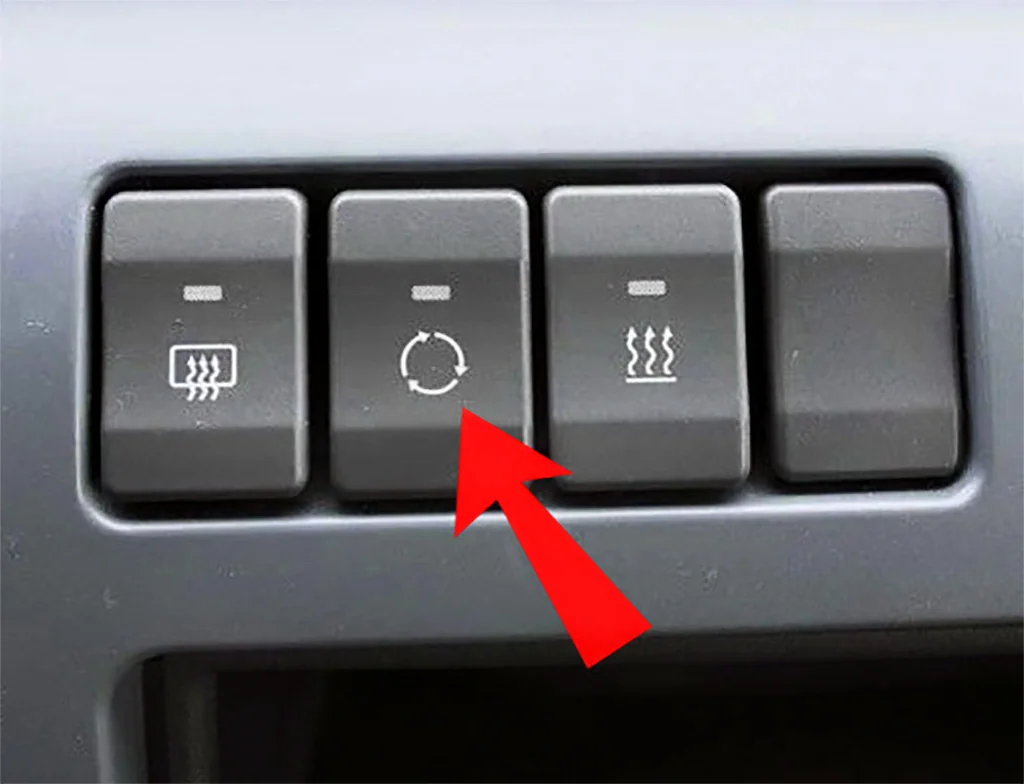
So why shouldn’t you use it in the rain?
When you press it, the ventilation system stops pulling in cooler, fresher air from outside the vehicle and instead circulates the air already inside the cabin through the cabin air filter. As a result, the air temperature inside the car rises, increasing the temperature difference between the interior and the cooler outside environment.
During rainy weather, humidity levels are already high. Warm, moisture-laden air inside the cabin hits the cold glass and instantly turns into condensation — fogging up the windows. While running the air conditioner can help remove moisture from the air, it’s not always enough to keep the windows completely clear.
Fogging happens even faster when multiple passengers are inside the vehicle. People exhale warm, humid air, which further increases moisture levels. With recirculation turned on, that air isn’t refreshed with drier outside air, and humidity builds up minute by minute.
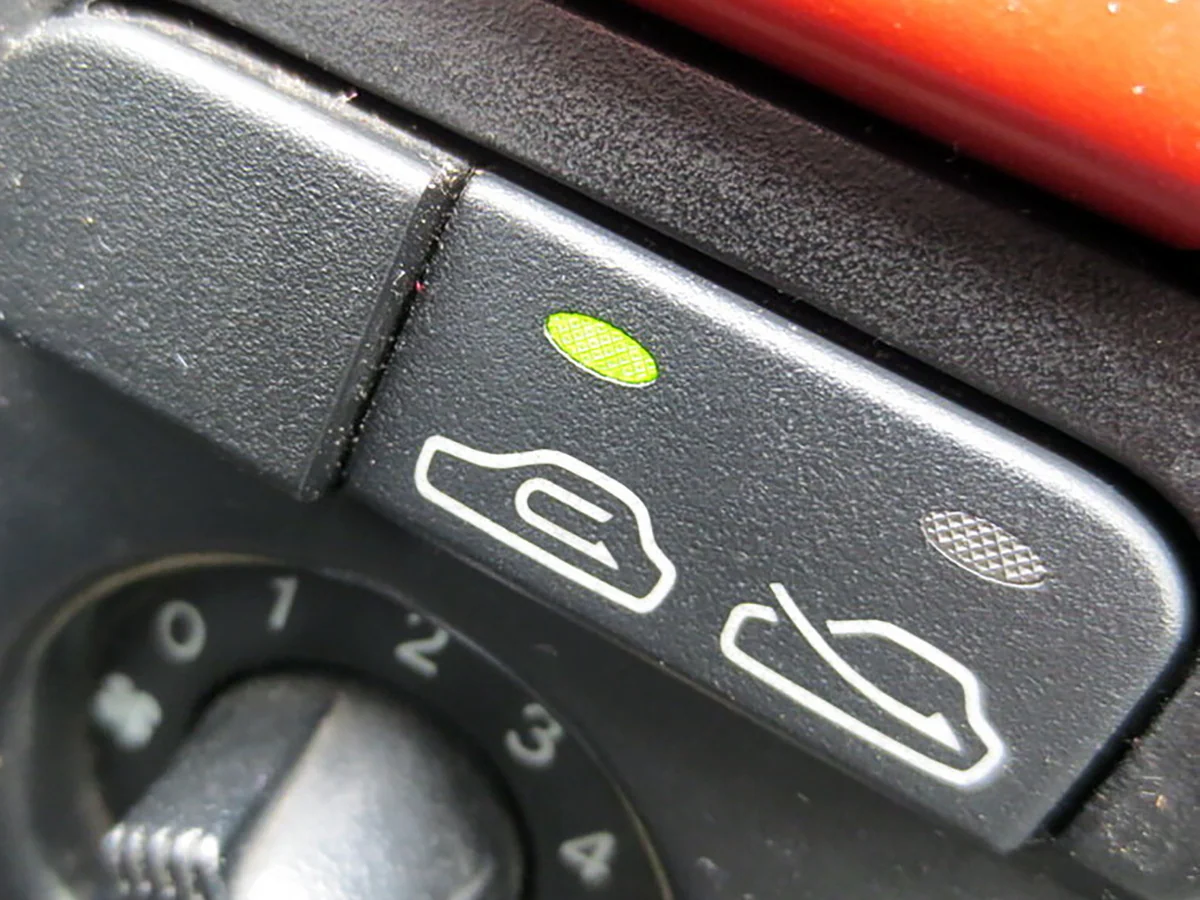
The result? Reduced visibility — and reduced safety. Drivers may find themselves distracted, wiping windows or adjusting climate settings while driving. In bad weather, that split-second distraction can create a dangerous situation.
There’s another downside. Regularly using recirculation mode in damp conditions can lead to unpleasant odors in the cabin. Excess moisture creates an ideal environment for bacteria and mold to grow inside the ventilation system and on the cabin air filter.
Recirculation mode does have its place. It’s useful in extreme heat when you want to cool the cabin faster, or when driving on dusty roads to prevent debris from entering the vehicle. But in rainy or highly humid conditions, it’s better to allow fresh air into the cabin and use the air conditioner in normal mode if needed.
Here’s a simple rule to remember: if it’s wet and rainy outside, turn recirculation off. Doing so helps maintain a balanced cabin climate, keeps your windows clear, and ensures a safer, more comfortable drive.
You may also be interested in the news:
Why You Should Check a Tire’s Manufacturing Date Before Buying
Tire buyers should check more than size, tread, and brand because rubber changes with age, even without visible wear.

Your Car Sat for a Few Days and Won’t Start: What Could Be Draining the Battery
Your car can sit for days and still drain its battery, even when everything appears switched off.
Four Car Features Modern Drivers Are Starting to Miss
New cars keep adding technology, but some simple features that drivers once relied on are disappearing.
One Driving Habit Slowly Wears Out an Automatic Transmission: What Drivers Should Avoid
Seven-speed DSG gearboxes with dry clutches are among the most vulnerable and expensive to repair.
Small Fin, Big Job: Why Your Car’s Shark Fin Is More Than Just a Styling Trick
The small fin on your car's roof may look decorative, but it actually serves several important technical purposes.