
Nissan in Talks with Ford and Stellantis: Hybrid Rogue Could Be the Brand’s Lifeline
2024 hasn’t been an easy year for Nissan. Despite solid U.S. sales, the company continues to lose money.
It’s been a challenging year for Nissan. Despite decent sales numbers in the U.S., the automaker remains in the red. Executives are increasingly concerned — by their own estimates, the brand has at most a couple of years to turn things around. New CEO Iván Espinosa, who took over earlier this year, immediately launched an aggressive plan to cut costs, streamline operations, and reassess the company’s EV strategy.
Talks of a potential partnership with Honda surfaced earlier this year but quickly stalled. Nissan reportedly viewed Honda’s proposal as a takeover attempt rather than a true alliance. Now, new potential partners have emerged — American giants Ford and Stellantis. According to insiders, Nissan is in discussions about collaborating on hybrid technologies, with the Japanese automaker offering its own expertise in the field.
Until recently, Nissan showed little interest in hybrids, focusing instead on full EVs. But that’s changing: a new Rogue PHEV and a Rogue equipped with the company’s e-Power system are expected to debut in the U.S. soon.
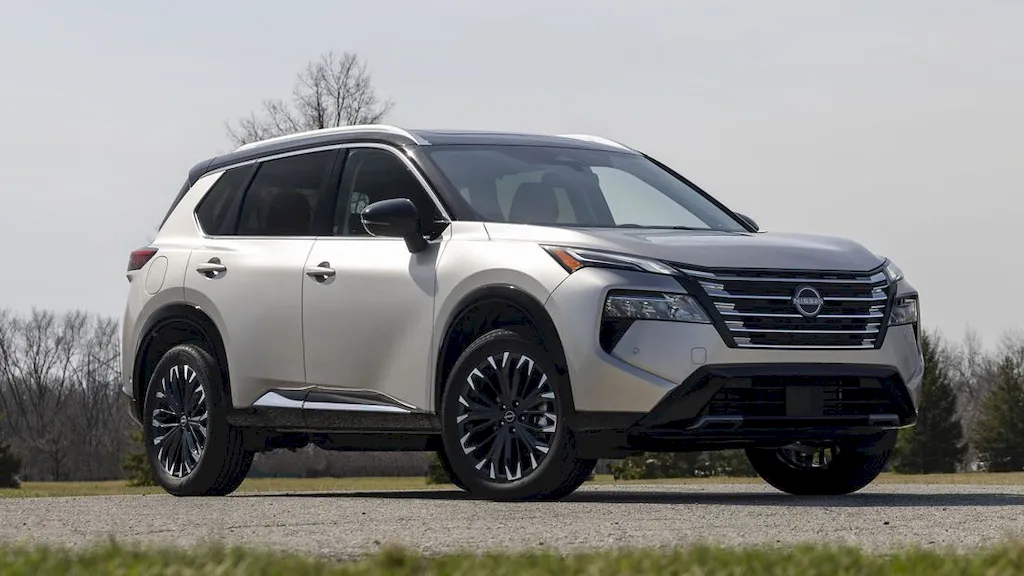
The core idea behind the potential alliance is to develop a hybrid crossover based on the Rogue — something that could be especially appealing to Ford, whose Escape Hybrid is reportedly nearing the end of its lifecycle. For Ford, it’s a chance to fill that gap quickly with a high-demand model, while Nissan gains a stronger foothold in the U.S. market. The situation with Stellantis is more complex: the company already has its own hybrid platforms, but a joint project could help breathe new life into brands like Chrysler or boost interest in Jeep.
Nissan’s e-Power technology differs from traditional hybrid systems. In e-Power vehicles, the gasoline engine acts solely as a generator while an electric motor drives the wheels. This setup has been successful in Japan, achieving fuel economy figures of up to 53 mpg in the Qashqai. It could attract customers who aren’t ready to make the jump to full EVs or plug-in hybrids.
No formal agreements have been signed yet, but Nissan remains open to discussions and is exploring options for local production in the U.S. Despite the challenges, the company is showing some signs of recovery: in the third quarter of 2024, Nissan’s U.S. sales rose 6.4% year-over-year.
You may also be interested in the news:
5 of the Most Beautiful Chevrolet Cars: Timeless Designs With Stunning Silhouettes
Which Chevrolet models deserve to be called the most beautiful?
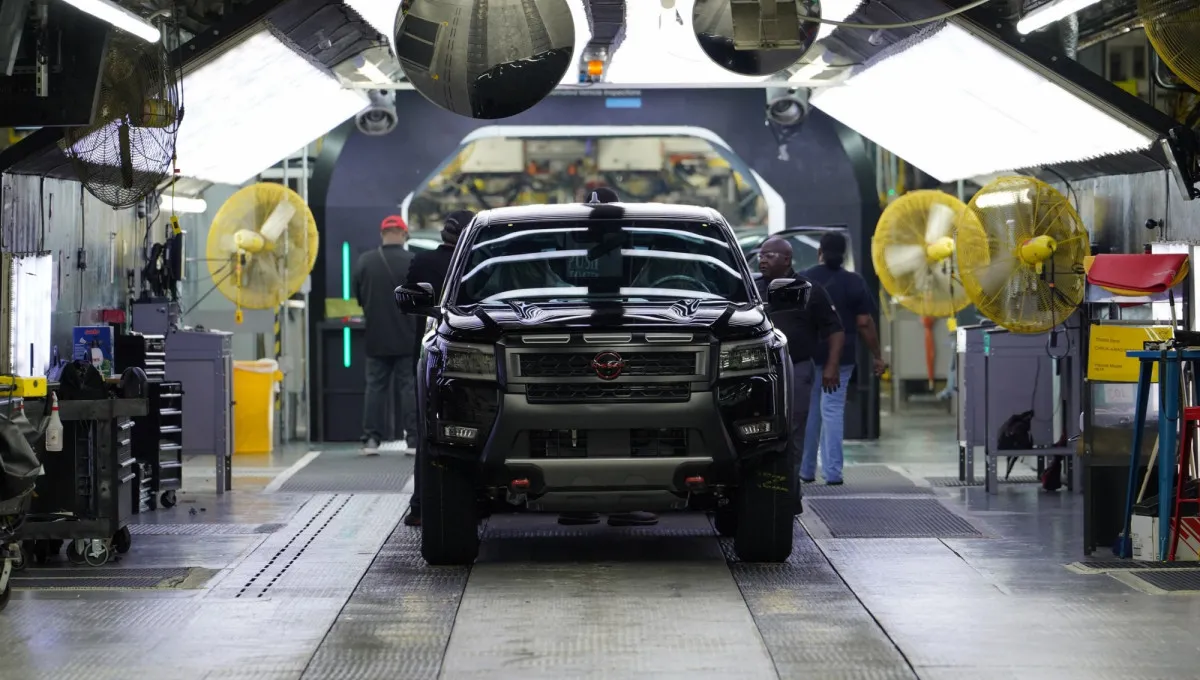
Nissan Restarts US-Made Murano, Pathfinder, Frontier Sales in Canada
Nissan resumed Canadian sales of three U.S.-built models, but tariffs keep supply below earlier levels.
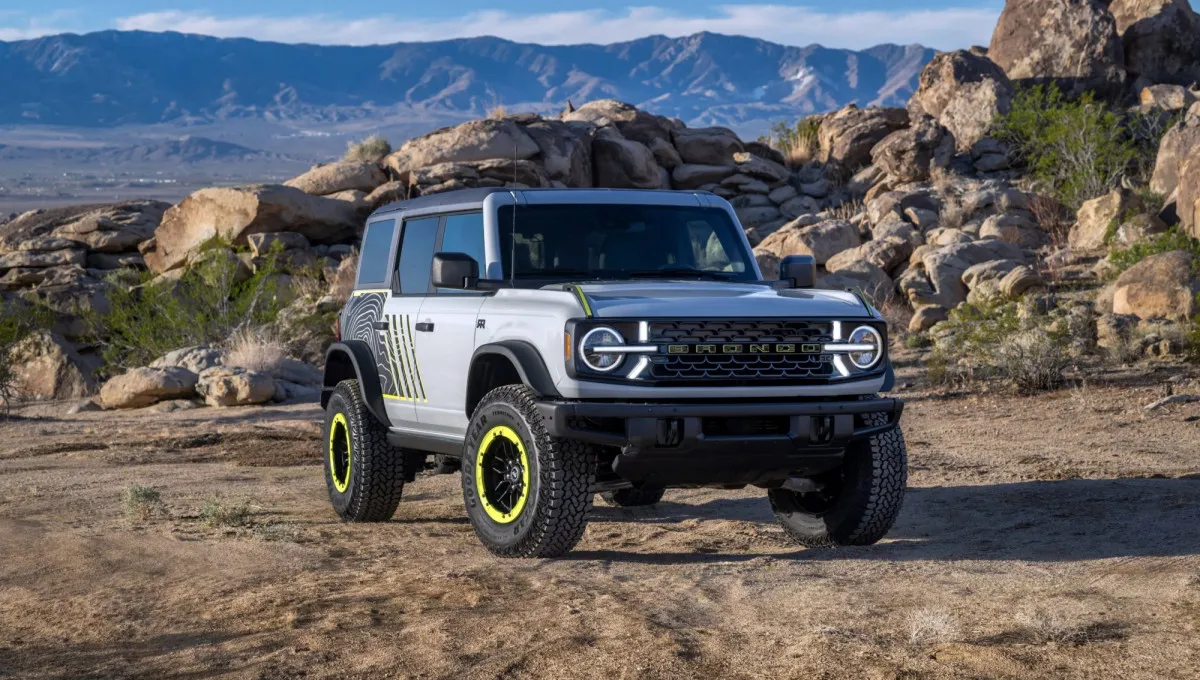
2027 Ford Bronco RTR Priced From $50,495—Undercuts Bronco Raptor by $31,500
Ford has set the starting price for the 2027 Bronco RTR, with orders expected to open later this year.
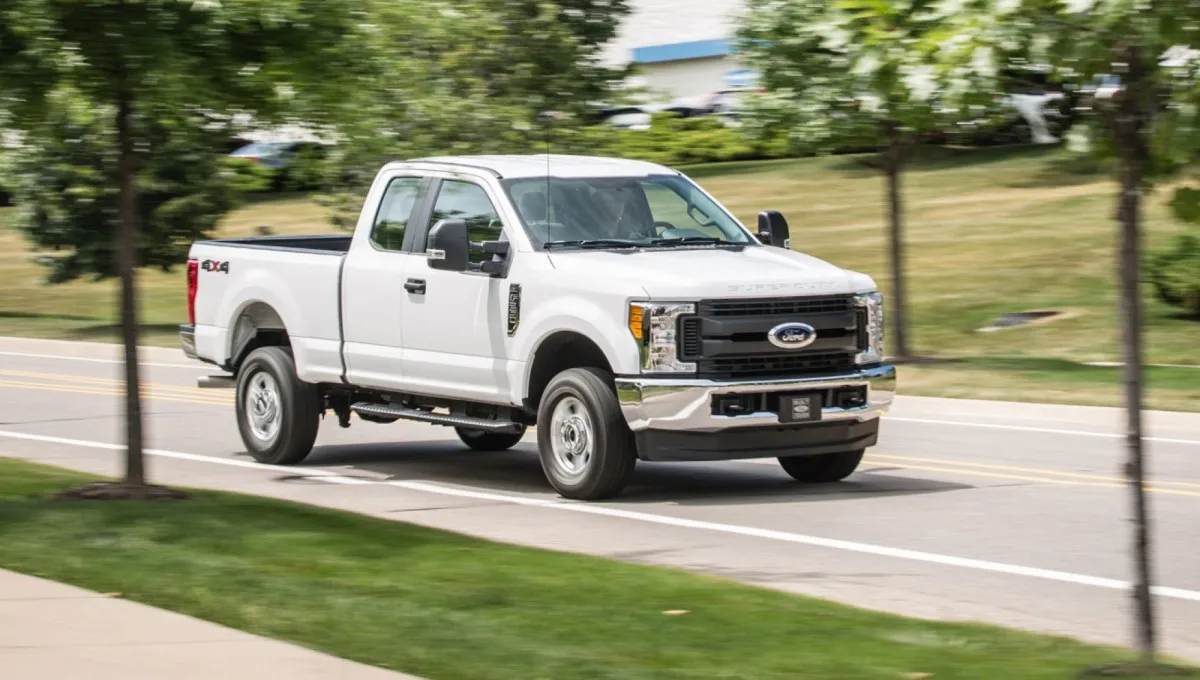
41,748 Ford SUVs and Trucks Recalled—Your Headlights Could Suddenly Stop Working
Ford recalls 41,748 vehicles after contaminated LED chips threaten required headlight performance on newer models.

The Sheriff Knew She Was Speeding—Then This Blonde Driver Turned the Ticket Against Him
A sheriff pulls over a Ferrari for speeding, but the driver's bizarre logic quickly turns the traffic stop against him.