
Had Your Wheels Balanced, but the Steering Wheel Still Shakes on the Highway? Here’s What to Do
A surprisingly common issue—one that many drivers tend to ignore, but really shouldn’t.

Steering wheel vibration at high speeds is a fairly common problem, and too many drivers simply put up with it. That’s a mistake.
Let’s start with the most important advice: if your car never did this before and you suddenly notice the vibration for the first time—pull over and check that your wheel lug nuts are properly tightened!
Many drivers don’t bother fixing the issue because they rarely drive on highways, and in city traffic everything seems fine. Even when vibration appears at speeds up to about 70 mph, it’s unpleasant but still manageable—so people just keep driving and get used to it.
But that’s not something you should ignore. Persistent vibration is harmful to your vehicle. It puts extra stress on every component, especially the suspension. Over time, it also shortens the life of your tires.
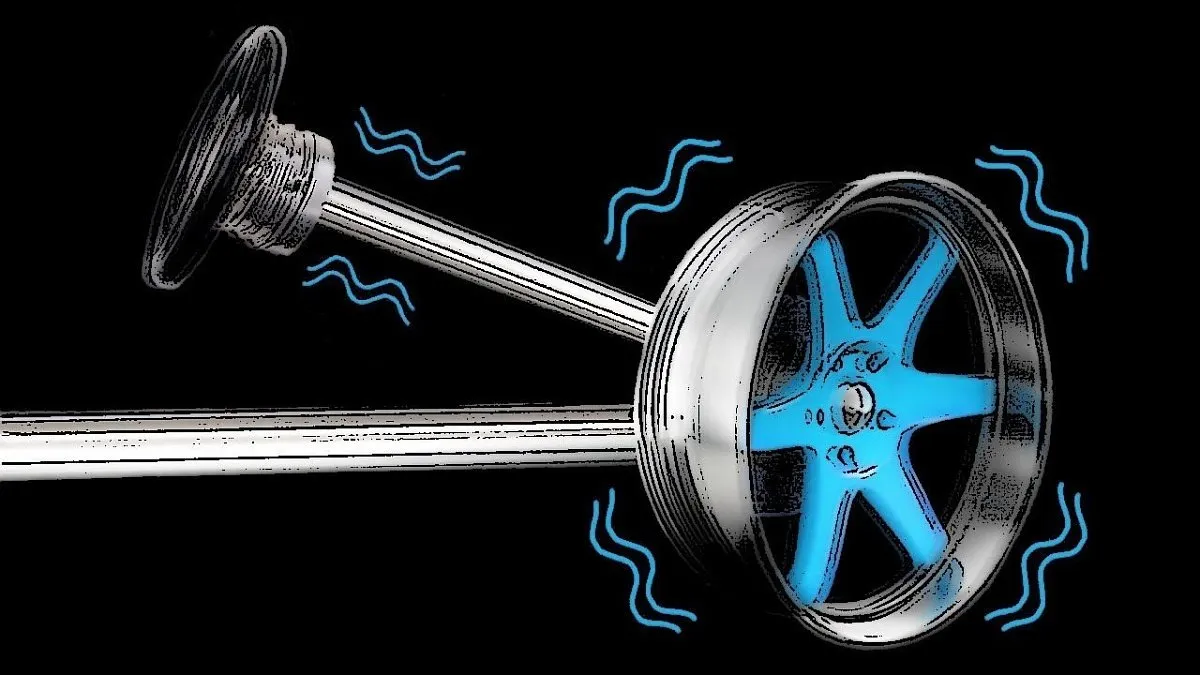
The suspension system—particularly the steering components and wheel bearings—takes the most damage. And just as importantly, vibration reduces vehicle stability and control. In other words, it’s a safety issue.
Typically, the faster you drive, the worse the vibration gets. Imagine you need to accelerate to overtake someone on the highway: the higher the speed, the more the steering wheel shakes, and the less stable your car becomes. That’s a dangerous combination. The conclusion is clear—this problem must be fixed.
Start by checking tire pressure. Uneven pressure between tires is a common cause of vibration, leading to imbalance and steering wheel shake.
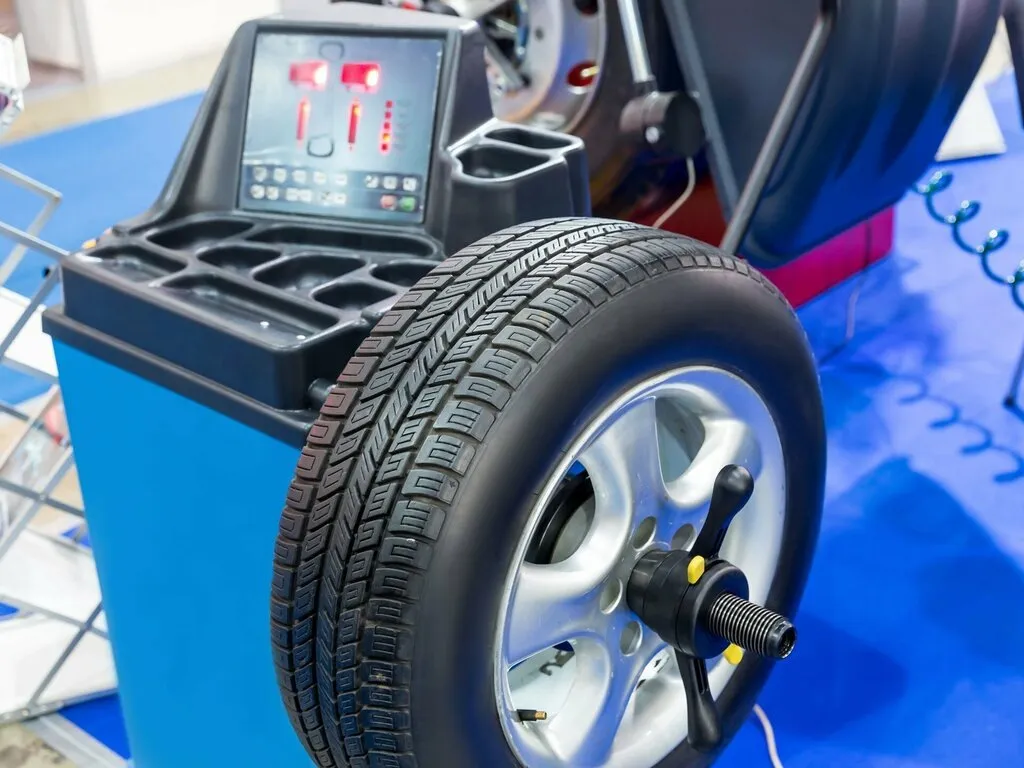
Then move on to the basics—wheel balancing. If you’ve recently had new tires or wheels installed and you notice vibration at highway speeds, talk to your tire shop. Ask them to double-check the condition of your wheels and tires.
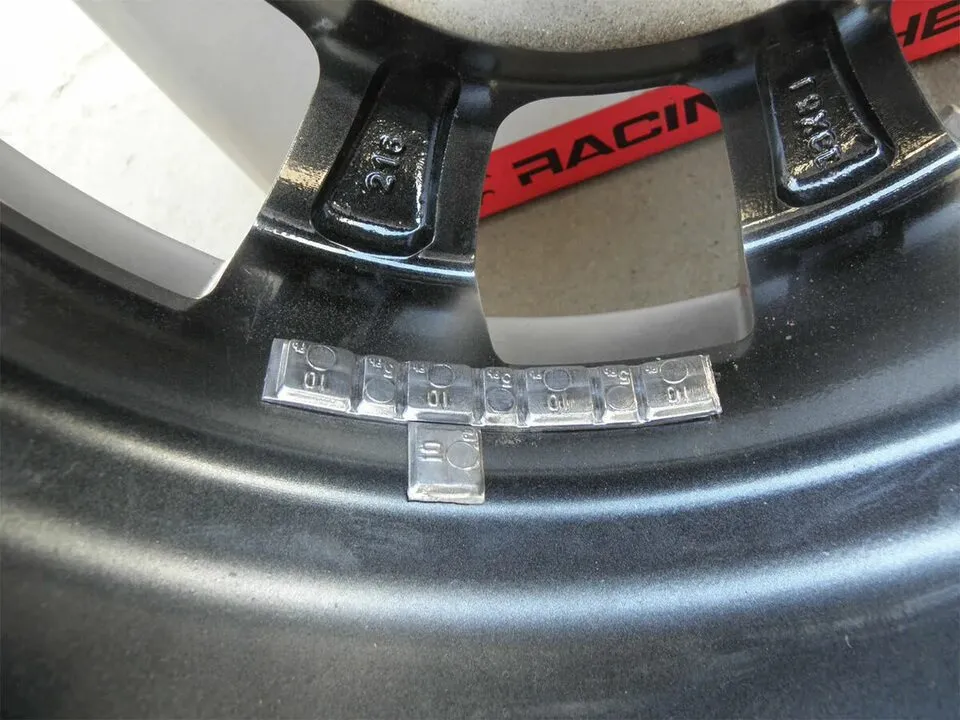
Sometimes, a few months after installation, the problem reappears because the balance weights have simply fallen off. That can happen when the surface wasn’t cleaned properly before the weights were attached—a sign of poor workmanship. In that case, a quick rebalance usually solves the issue.
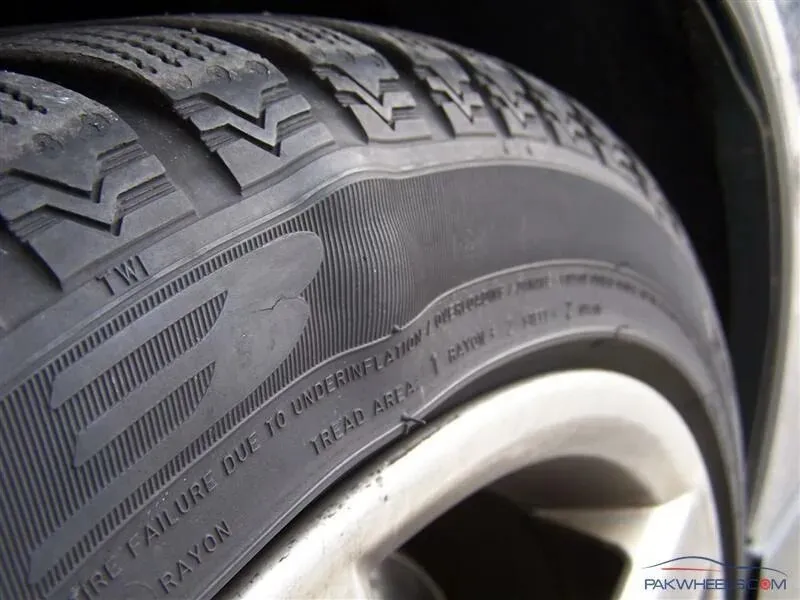
Also, inspect your tires carefully. If you’ve hit a pothole recently, a tire may have been damaged or developed a bulge. Whether it’s on the tread or the sidewall, it will likely cause vibration—and driving with a bulge is unsafe. To check thoroughly, remove the wheel, since damage on the inner side of the tire can be easy to miss.
Finally, remember that not all steering vibration comes from the wheels. The cause could be a worn suspension component—most often a wheel bearing or a ball joint. If you also hear knocking or creaking when driving over bumps, that’s a sign of suspension issues.
So, if your wheels are properly balanced, the rims aren’t bent, and your tires are in good shape—but the vibration remains—it’s time to head to a repair shop for a full suspension inspection and fix the problem there.
You may also be interested in the news:
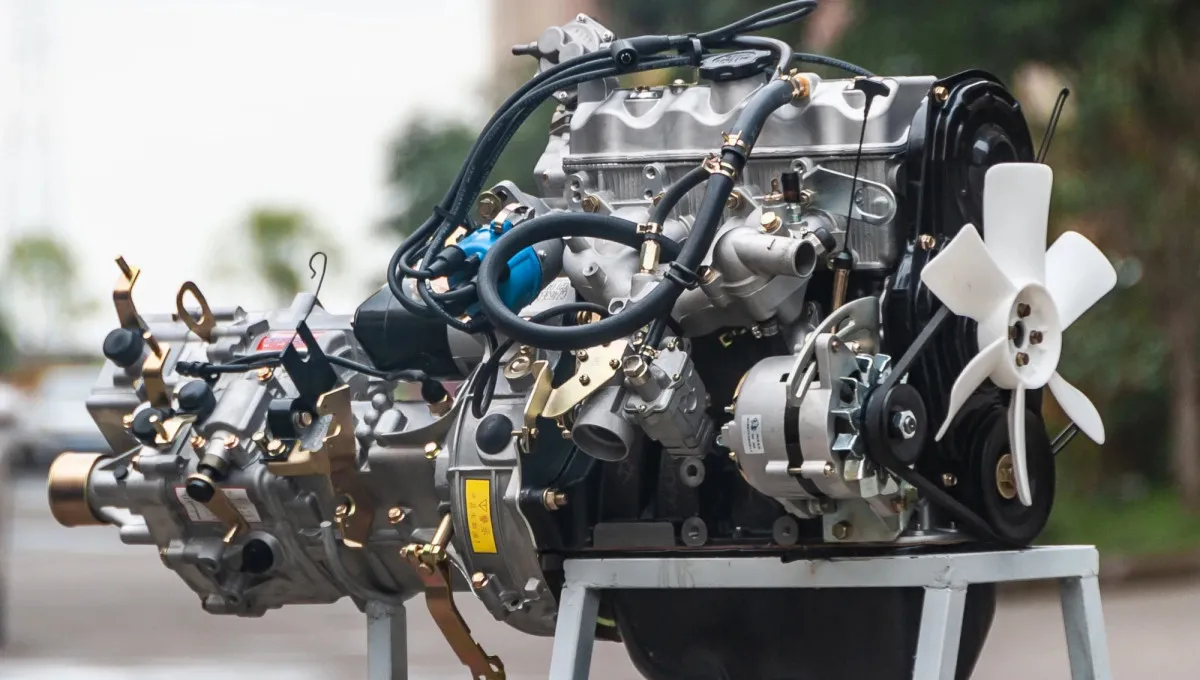
“Are You Sure It’s Chinese?” Who Really Builds China’s Car Engines
Who Really Develops China’s Car Engines?
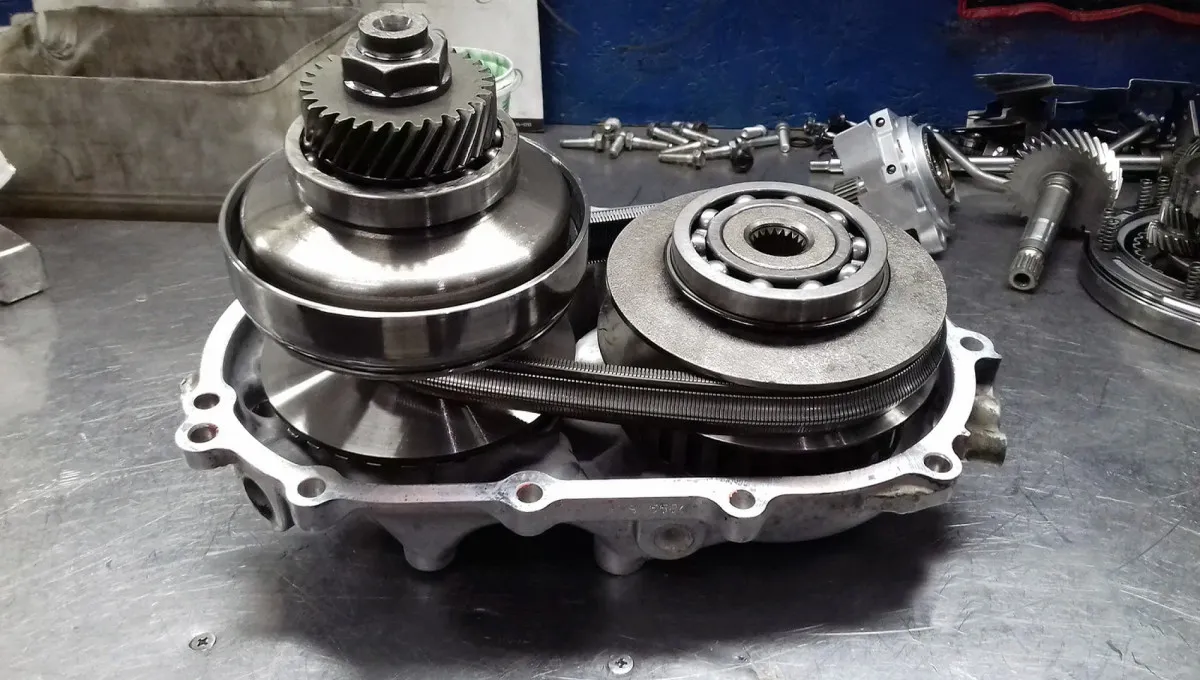
Why Experienced Drivers Still Warn Against Buying a Used Car With a CVT
CVTs offer smooth acceleration and good fuel economy, but expensive repairs and durability concerns make used models risky.

Hidden Key Fob Trick: Open All Your Car Windows With One Button
An auto mechanic explains how drivers can remotely open and close car windows using a key fob, provided the vehicle has the right hardware.

8 Car Maintenance Mistakes That Could Cost You Thousands if You Wait Too Long
Depending on driving conditions, some maintenance tasks may need to be performed sooner and more often than the automaker recommends.

How Long Will Your Car Last? A Guide to Making It Age Gracefully
Automotive experts explain how routine maintenance and timely replacement of aging components can help your car last longer.