
The Secret Tool American Mechanics Use to Spot Fakes in Seconds
How a simple device helps detect fakes and hidden defects in cars
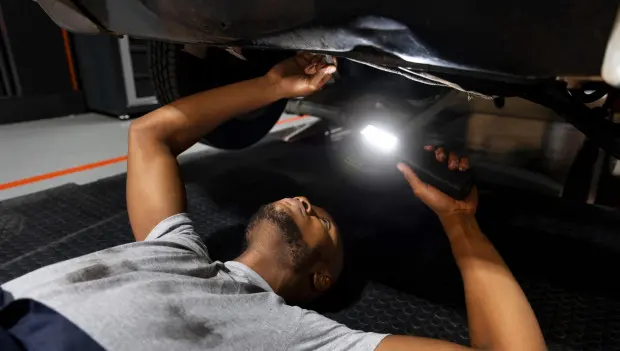
A UV flashlight is becoming an indispensable tool for car owners. It helps distinguish genuine parts from counterfeits and uncover hidden problems. This article explains the main ways to use it and offers practical advice on choosing and applying the device.
Many people still think of a UV flashlight as a gadget for labs or party tricks, but this compact tool has long earned its place in the toolkit of experienced drivers. Its potential goes far beyond regular lighting — it can quickly confirm the authenticity of car parts and reveal hidden flaws when inspecting used vehicles.
A 365-nanometer wavelength beam reveals what’s normally invisible to the naked eye. The light penetrates surface coatings, making fluorescent markings and structural differences visible. This approach can help save money and prevent unpleasant surprises when buying a car.
Checking the authenticity of auto parts becomes easier: many manufacturers apply special markings that are visible only under UV light. Just shine the beam on the packaging or the part itself — genuine products will glow in a specific way. If there’s no reaction, that’s a red flag for a possible counterfeit. UV light can also help verify documents, since certificates and warranty papers often contain hidden UV-sensitive elements.
Body inspection is another valuable use. Even if a car looks flawless, a UV flashlight can reveal traces of repairs — differences in texture, paint boundaries, or filler areas. The beam penetrates the clear coat, exposing even minor inconsistencies. This is especially helpful when buying a used car, as sellers don’t always disclose the full repair history.
For best results, follow a few simple rules. Inspections work best in dim light or at night, since bright light reduces the UV effect. Check not only packaging but also the insides of boxes, body panels, headlights, glass, and even interior parts. Original components often have fluorescent marks that are absent on aftermarket replacements.
When choosing a flashlight, look for a 365 nm wavelength — that’s the optimal range. The housing should be sturdy, preferably aluminum, and water-resistant. LED power also matters: a weak beam won’t reveal all the details. Avoid using the flashlight in direct sunlight — the glow will be harder to see.
A UV flashlight doesn’t replace professional diagnostics, but it provides quick extra insight into the condition of a vehicle and its parts. It’s inexpensive, compact, and easy to use — you can keep it in your glove box or trunk for convenience.
Originally used in banking to verify documents, this technology has been part of the auto industry since the 1990s. Today, UV flashlights are affordable and widely available, helping make car and parts purchases safer and more informed.
You may also be interested in the news:
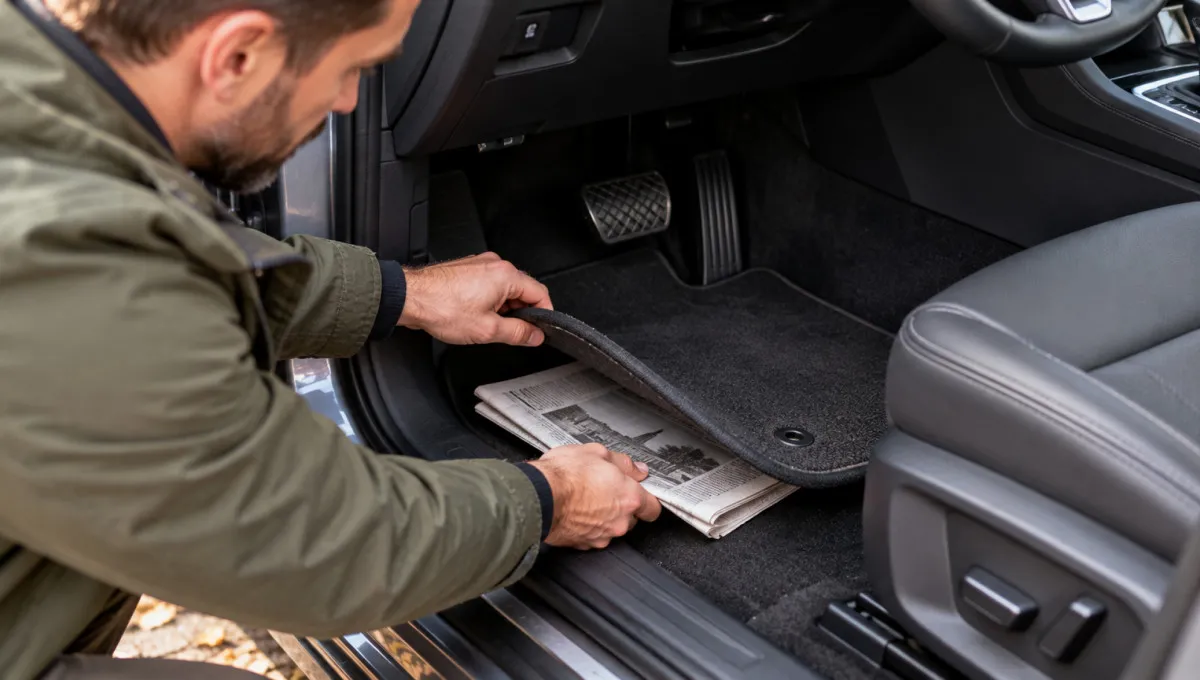
When the First Freeze Hits, Put Newspaper Under Your Floor Mat: An Old Winter Driving Trick
Newspaper under a floor mat can help protect a car's floor from winter moisture, but it requires regular attention.
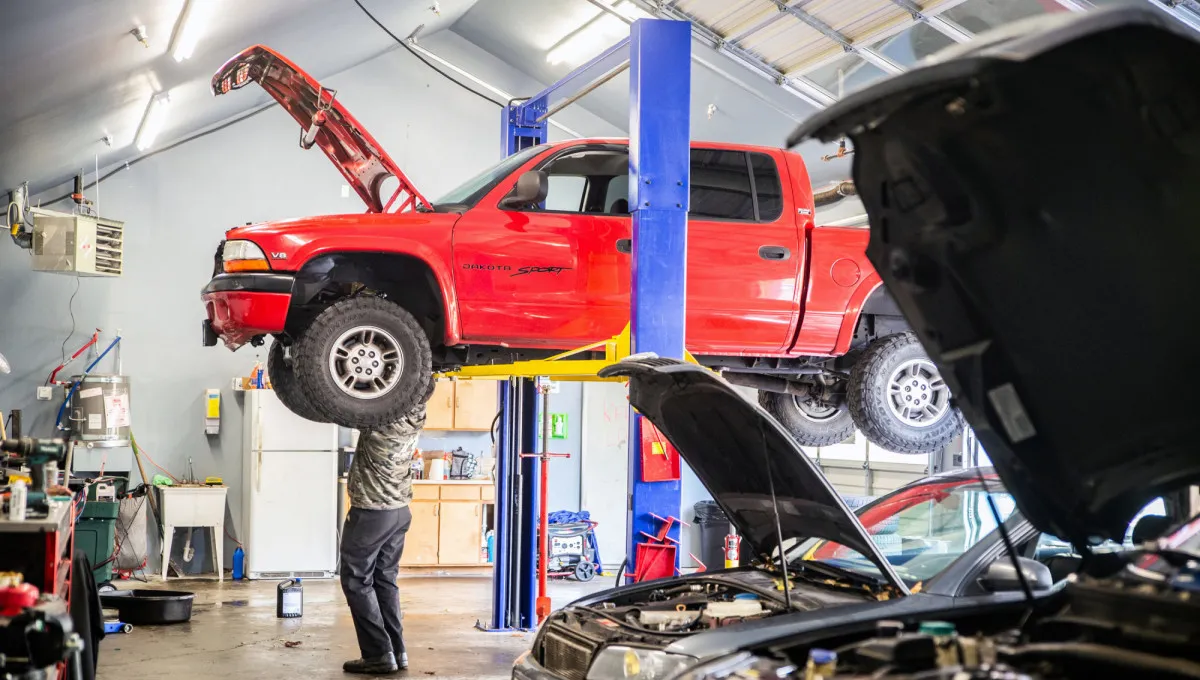
How a Repair Shop Can Overcharge You: What Every Driver Should Know
An experienced mechanic knows how to increase a repair bill, and drivers should know what to watch for before approving work.
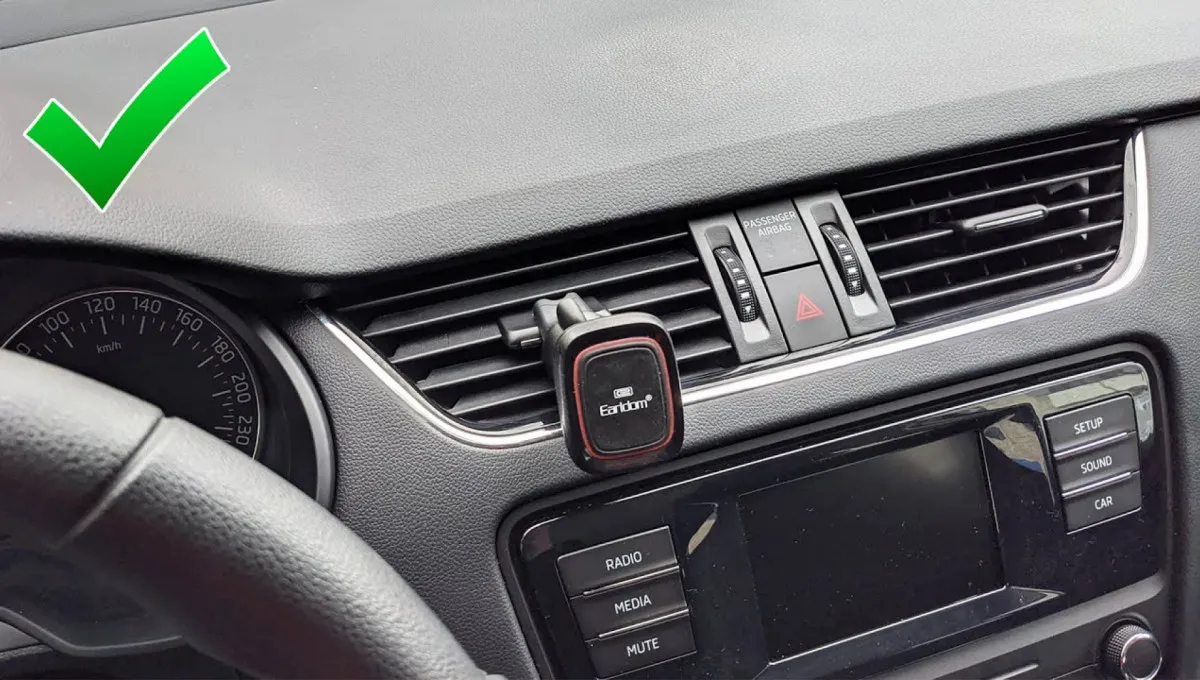
How to Find the Source of a Car Interior Rattle in 15 Minutes
A simple trick can help drivers pinpoint an annoying interior rattle without taking apart half the cabin or visiting a repair shop.
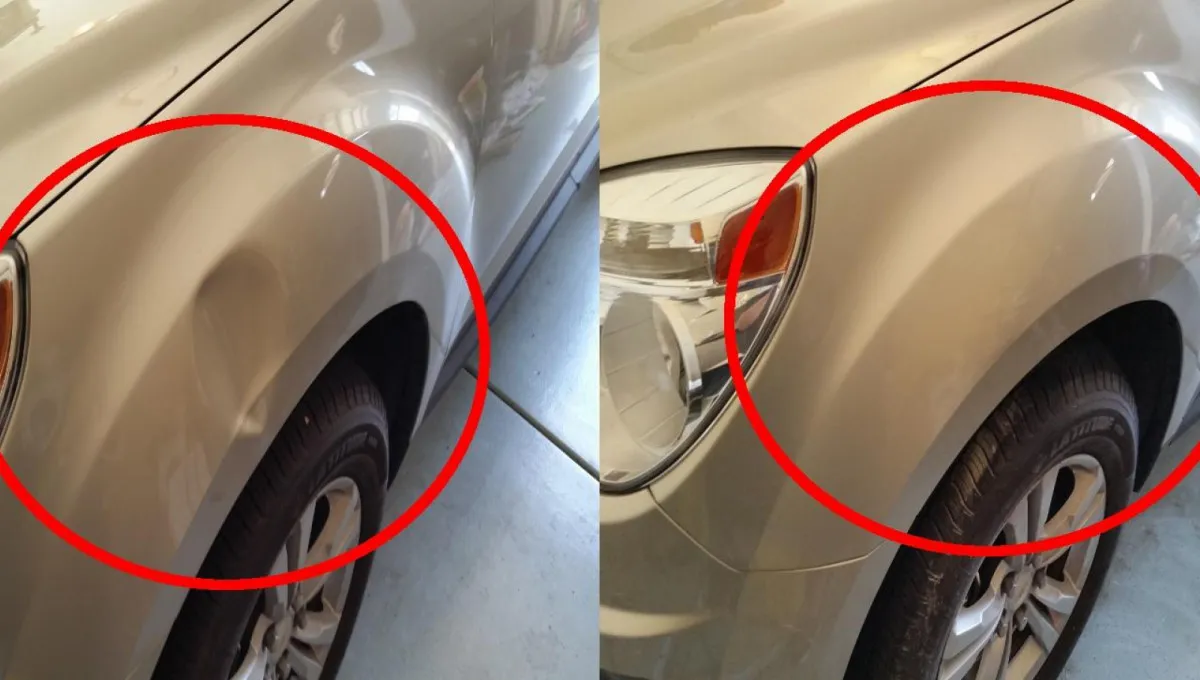
The Dent Can Disappear Without a Trace: How to Repair Car Body Damage Without Paint
Paintless dent repair can restore a damaged panel to its original shape, but only when certain conditions are met.
Not Ford, BMW or Audi: Mechanic Names the Car Brand That Almost Never Breaks Down
Auto repair professionals reveal which models rarely suffer major failures and which ones repeatedly end up on the lift.