
BMW Owners in Europe Prepare Lawsuit Against the Automaker Over Diesel Emissions Fraud: Details of the Case Revealed
The BMW emissions scandal is gaining momentum — here’s why diesel owners are taking the German giant to court.
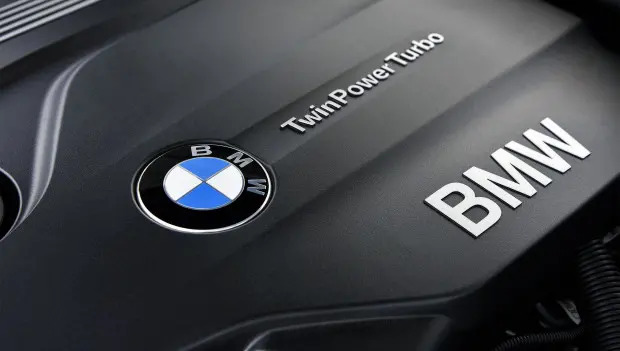
A new diesel scandal is unfolding in Europe, and German automaker BMW is at the center of it. Owners of diesel cars are preparing a mass lawsuit, accusing the company of serious misconduct. BMW allegedly concealed the true data on its vehicles’ emissions — and details of the case are already coming to light.
Across Europe’s automotive industry, another major controversy is brewing, one that could seriously damage the reputation of one of Germany’s most respected brands. Diesel BMW owners in the Netherlands have joined forces to file a class-action lawsuit against the Bavarian automaker. The case centers on suspicions that BMW used special software designed to artificially lower harmful emission levels during official testing.
The lawsuit is being led by the Car Claim Foundation, supported by the influential Consumentenbond consumer association. According to them, BMW misled its customers by marketing its diesel vehicles as environmentally friendly and fully compliant with strict European regulations. However, independent research commissioned by the foundation paints a different picture. Tests revealed that under real driving conditions, the levels of nitrogen oxide (NOx) emissions were far higher than those officially reported. This was made possible by a deceptive software system that could recognize when the vehicle was undergoing emissions testing and activate its exhaust-cleaning systems at maximum capacity. During regular city or highway driving, the system’s effectiveness was drastically reduced — resulting in excessive emissions.
The case inevitably recalls the infamous “Dieselgate” scandal that engulfed Volkswagen nearly a decade ago. That revelation of large-scale fraud cost the company billions of euros in fines, recalls, and compensation payouts worldwide. It also shattered public trust in diesel technology and accelerated the shift toward electric and hybrid vehicles. Now, it appears BMW may be facing its own reckoning. Although the Bavarian manufacturer has previously denied using any illegal devices, Dutch activists are confident in their claims and ready to prove them in court.
For BMW, the stakes are high. If found guilty, the company could face not only multimillion-euro fines but also compensation claims from thousands of car owners who relied on its emissions claims when purchasing their vehicles. Beyond financial penalties, the lawsuit poses a significant threat to BMW’s image — a brand long associated with quality, reliability, and cutting-edge engineering. The plaintiffs are seeking full restitution, including compensation for the drop in resale value of their cars and for the emotional distress caused by being misled. Similar lawsuits could soon follow in other European countries where BMW diesel models were sold.
You may also be interested in the news:
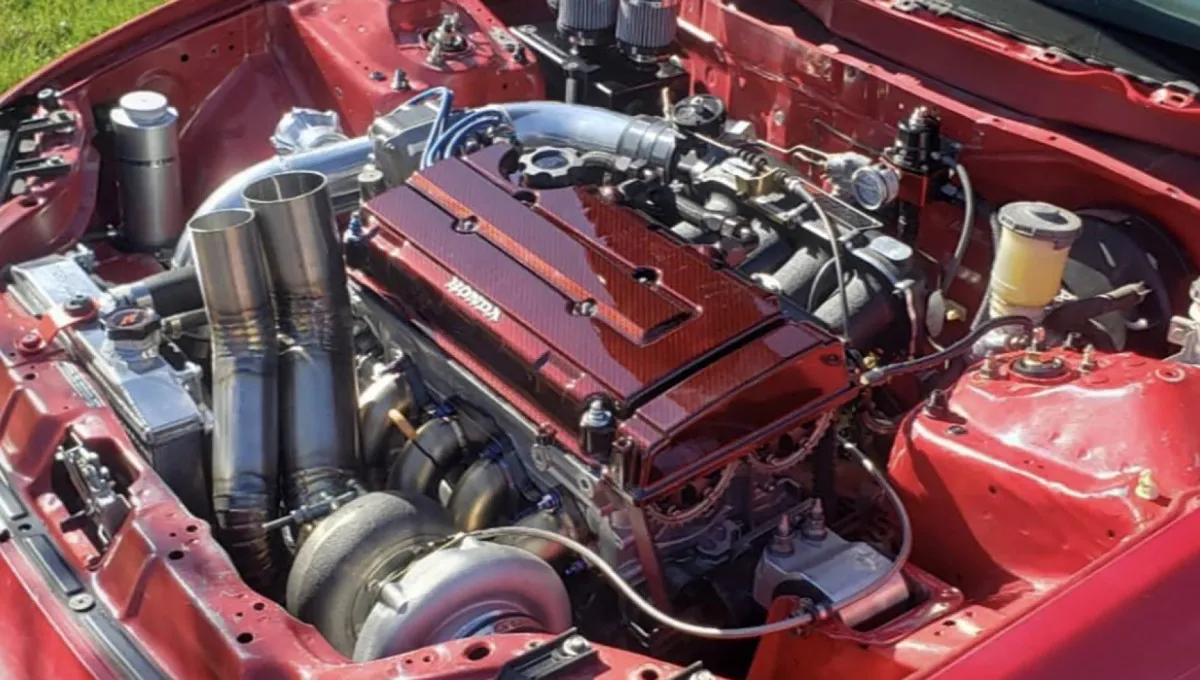
Honda K-Series Engines Can Go Past 300,000 Miles — Here's Why They're So Reliable
How long can a Honda K-series engine last, and what makes this family of Japanese engines so durable?
Your Engine Could Be Warning You: 6 Problems That Can Make a Car Run Rough
Engine problems rarely happen without a reason, and six common issues can cause a car to run poorly.
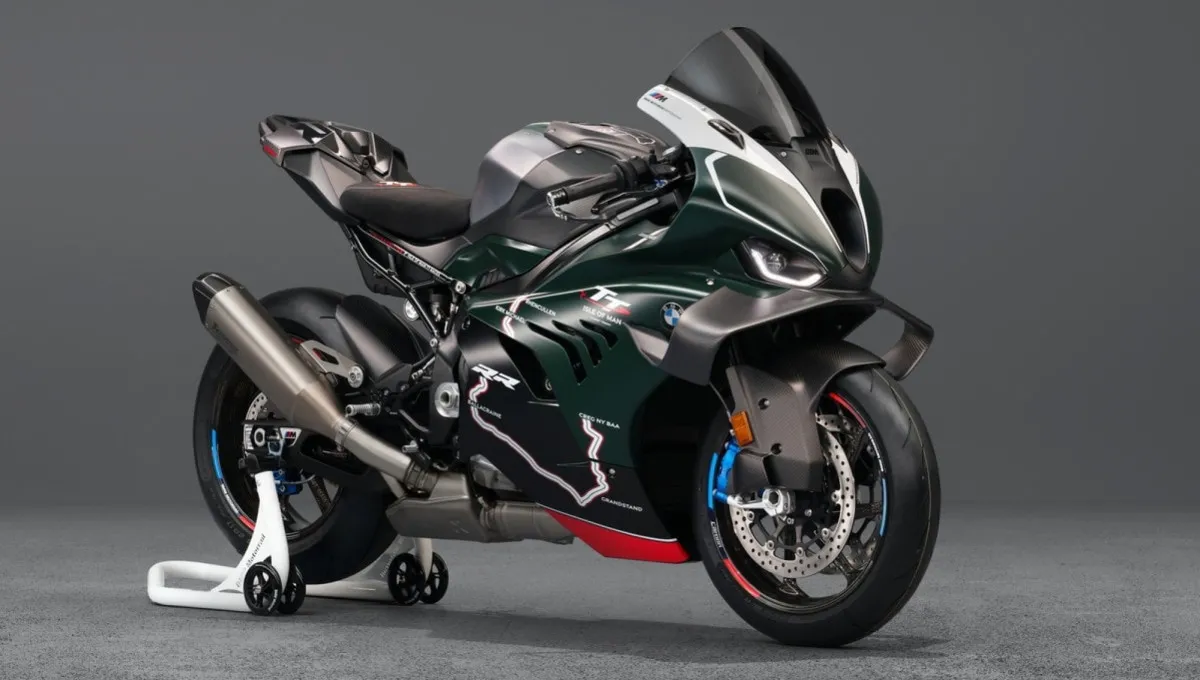
BMW’s $50,000 M 1000 RR Isle of Man TT Edition Is Coming to the U.S. With Just 115 Bikes Built
BMW is bringing a limited-edition M 1000 RR to America, with just 115 motorcycles available worldwide.
This Is the New BMW 3 Series. Here’s Everything You Need to Know
About six months after the electric i3 debuted, BMW unveiled its new gasoline-powered 3 Series.
Diesel Prices Just Hit a Record in the U.S.—And the Supply Crunch Could Get Worse
U.S. diesel prices have hit record highs as tightening global supplies raise concerns about further increases.