
Technology for Sports Cars: Porsche Developing a Lighter, More Powerful Hybrid with a New Type of Electric Motor
Porsche is engineering a new hybrid powertrain that promises to make its sports cars lighter, faster, and more efficient.

According to a recent patent filing with the World Intellectual Property Organization (WIPO), Porsche is working on a hybrid system that pairs a compact axial electric motor from British manufacturer Yasa with a gasoline engine. The document specifies that the technology is intended specifically for use in high-performance sports cars.
Axial flux motors represent a new generation of electric propulsion. They’re smaller, lighter, and deliver more power than traditional radial designs — qualities that have already attracted Ferrari and Lamborghini, both of which are using similar systems in their latest models.
Porsche reportedly plans to mount the electric motor between the engine and the transmission, integrated within the clutch assembly. This layout allows the brand to retain its signature rear-engine configuration, keeping the car’s classic balance and design intact while improving performance and efficiency.
At just about three inches thick, the new axial motor adds virtually no extra length to the powertrain. The setup works with Porsche’s PDK dual-clutch transmission and includes an advanced cooling system described in the patent, which helps regulate both the engine and the electric motor during high-load driving.
While exact figures haven’t been confirmed, Yasa’s motors are capable of producing up to 470 horsepower and 800 Nm (590 lb-ft) of torque. For comparison, Ferrari’s SF90 hybrid uses three similar motors for a combined 217 horsepower, while the Lamborghini Revuelto’s pair generates around 296 horsepower.
The current Porsche 911 Carrera GTS hybrid uses a much smaller electric motor rated at just 54 horsepower, for a total system output of 532 horsepower. With this next-generation unit, Porsche could be looking at a combined output in the range of 800 to 900 horsepower — a level on par with the GT2, GT3, or even a full-blown hypercar.
Although Porsche has not confirmed which model will debut the new hybrid system, industry analysts believe the technology has enormous potential and could set a new benchmark for performance-oriented hybrids.
You may also be interested in the news:
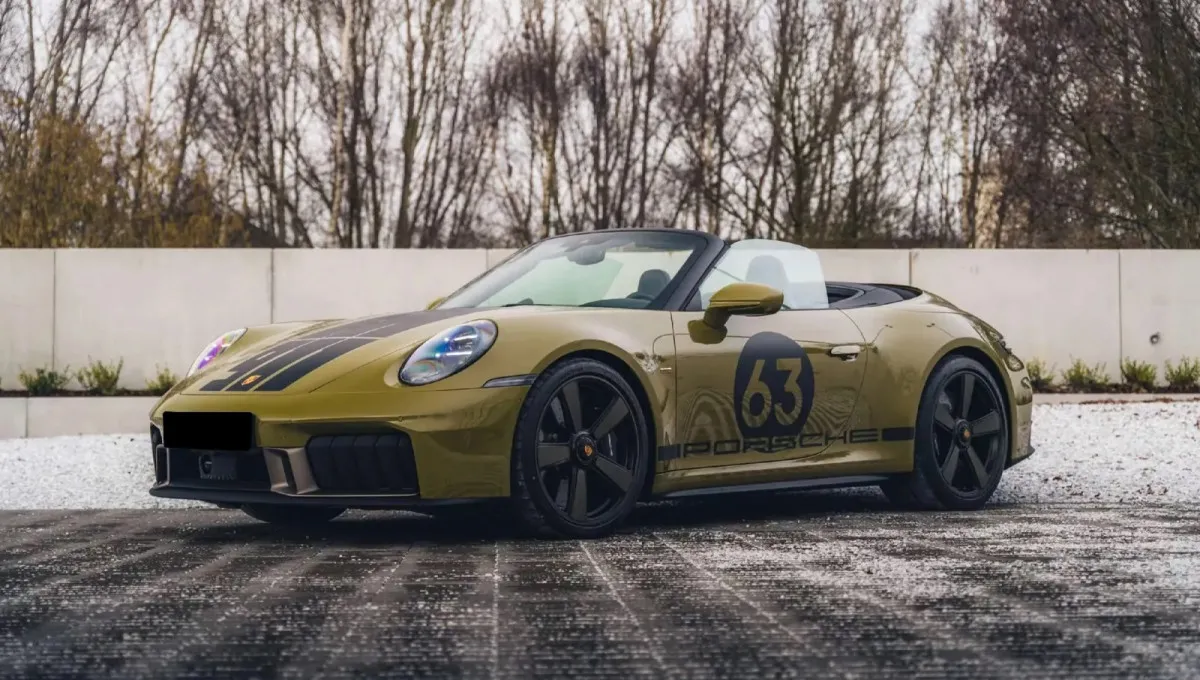
Porsche Could Cut More Than 4,000 Jobs as Cost Pressures Mount
Porsche could eliminate more than 4,000 additional jobs as falling demand, higher costs, and heavy investments put pressure on the automaker.
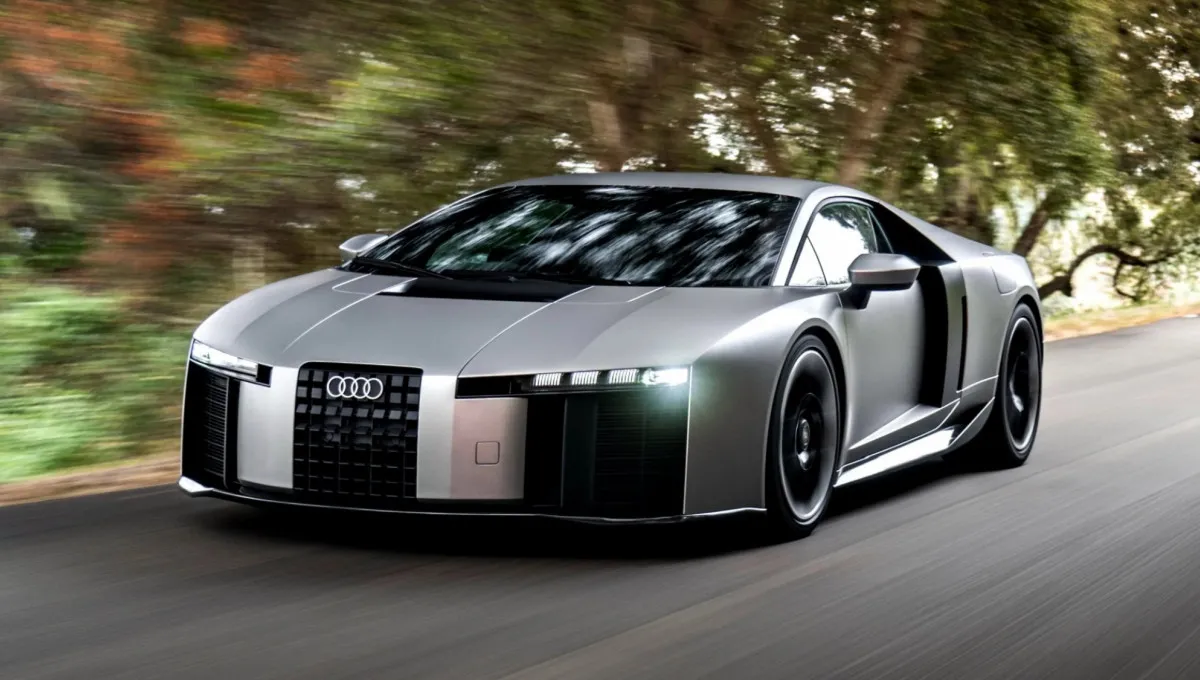
Porsche Could Build Supercar Based on Audi Nuvolari
Porsche’s next flagship could use Audi architecture, creating a new supercar positioned well above the 911 in the lineup.
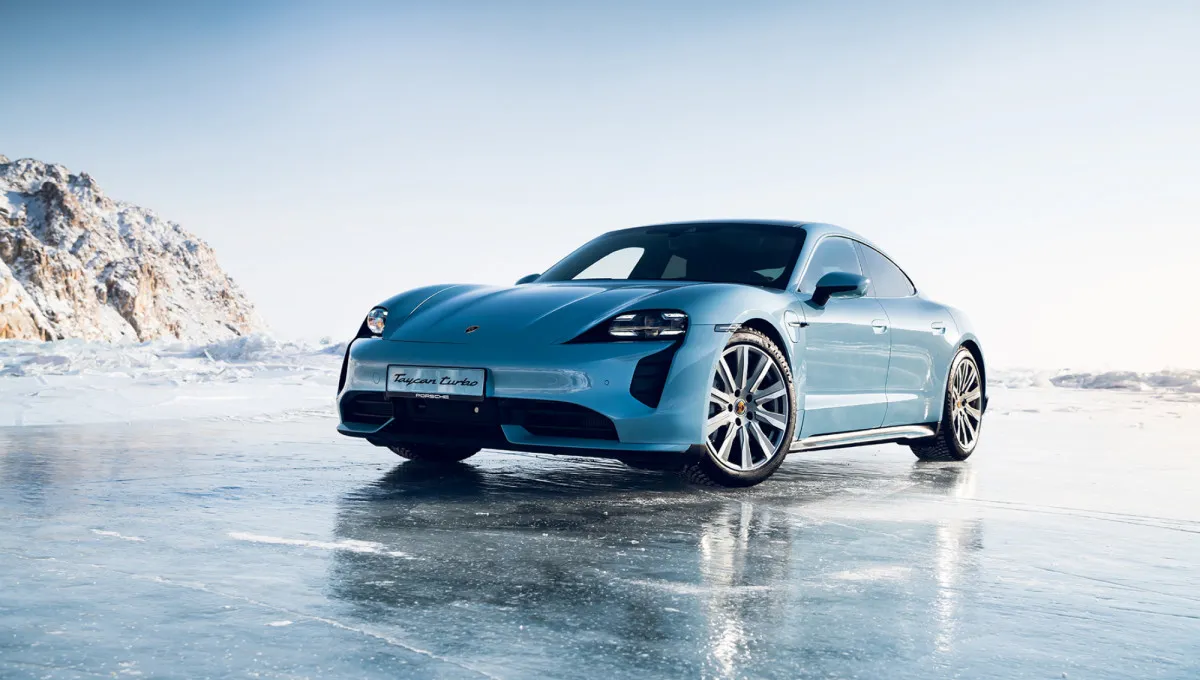
Porsche Taycan Was Supposed to Be Dead. Here’s What’s Actually Happening
Porsche has no plans to discontinue the Taycan for now, but the electric sports car’s long-term future remains uncertain.

Porsche Creates One-Off 911 Turbo S Inspired by Australia
Porsche has built a one-of-a-kind 911 Turbo S celebrating Australia with color-shifting paint and details inspired by the country.
Porsche Cuts Costs, Eliminating 5,000 More Jobs
Porsche is extending its cost-cutting strategy with another 5,000 job reductions, while committing to keep its German manufacturing sites open.