
Not All Americans Know the Purpose of the ECT PWR Button on Their Toyota: The Hidden Secret
Many modern cars with automatic transmissions, like the Toyota Camry or Lexus RX, come equipped with this unusual button.
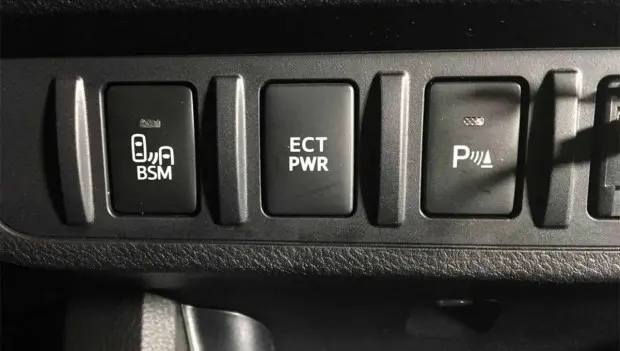
Many modern automatic cars, including the Toyota Camry and Lexus RX, feature an “ECT PWR” button. Simply put, it’s designed to give the engine a sudden power boost.
When activated, the function keeps the engine revving higher and holds gears longer for sharper acceleration. It’s invaluable in short-term situations: confident overtakes, climbing hills, or towing heavy loads. But this instant surge of power comes at a cost.
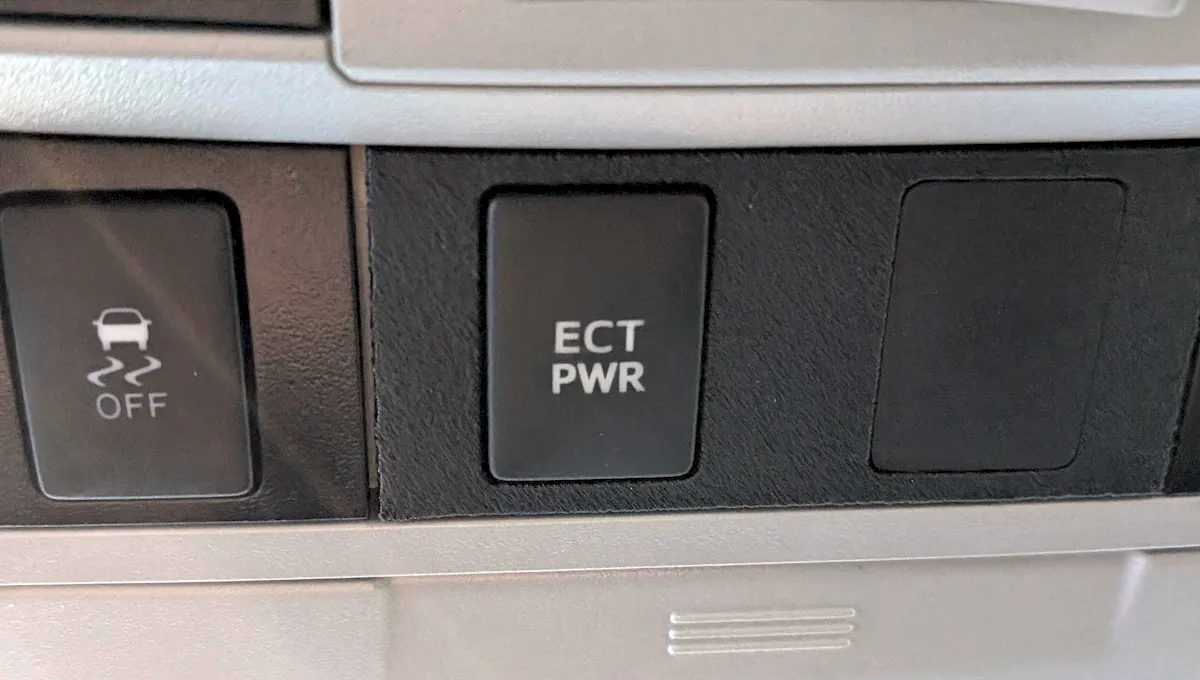
Experts, including American mechanic Scotty Kilmer, warn that constant use of ECT PWR is like chronic stress for the powertrain. It not only increases fuel consumption but also accelerates wear on the transmission and fuel system, especially in 2.0–2.5 liter engines.
Over time, misuse can lead to persistent transmission noise and a significant reduction in engine lifespan.
For this reason, specialists strongly recommend using the ECT PWR button only occasionally, strictly for maneuvers, turning it from a hidden threat into a helpful assistant.
Toyota first introduced the ECT PWR (Electronic Controlled Transmission Power) mode in automatic transmissions in 1981. It was the world’s first microcomputer-controlled automatic gearbox, allowing drivers to switch between “economy” and “power” modes. This technology paved the way for modern adaptive transmissions with Sport and Eco modes and gradually spread to vehicles from other manufacturers due to its effectiveness.
You may also be interested in the news:
Not Ford, BMW or Audi: Mechanic Names the Car Brand That Almost Never Breaks Down
Auto repair professionals reveal which models rarely suffer major failures and which ones repeatedly end up on the lift.

What Does a Flashing Red Traffic Light Mean? Can You Keep Driving?
Drivers must come to a complete stop at the stop line before deciding whether it is safe to proceed.
Why You Should Check a Tire’s Manufacturing Date Before Buying
Tire buyers should check more than size, tread, and brand because rubber changes with age, even without visible wear.
Your Car Sat for a Few Days and Won’t Start: What Could Be Draining the Battery
Your car can sit for days and still drain its battery, even when everything appears switched off.
Four Car Features Modern Drivers Are Starting to Miss
New cars keep adding technology, but some simple features that drivers once relied on are disappearing.