
Why the Popular Lubricant Is Called WD-40—and Not WD-50 or WD-100
Seasoned drivers know this little miracle spray can bail you out of an unbelievable number of car troubles.
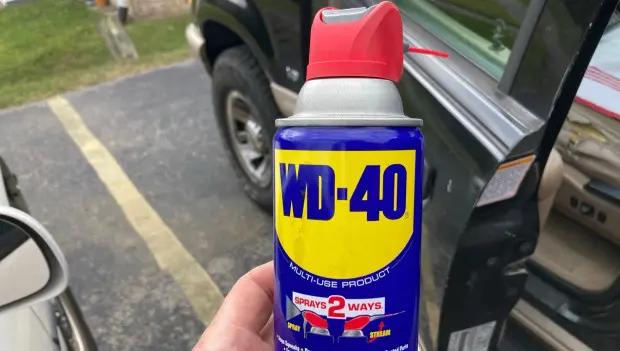
Anyone who owns a car has probably come across a can of WD-40. For veteran motorists, it’s practically a universal fix—it frees rusted nuts and bolts, chases moisture out of electrical components, and generally solves problems you didn’t even know you had. But why does this iconic lubricant carry the name WD-40?
Why “WD-40,” and not “WD-60,” “WD-100,” or something even higher? Technical products rarely get numbers at random, and this one is no exception. To start, the “WD” part stands for “Water Displacement”—with “displacement” meaning pushing out or moving aside moisture.
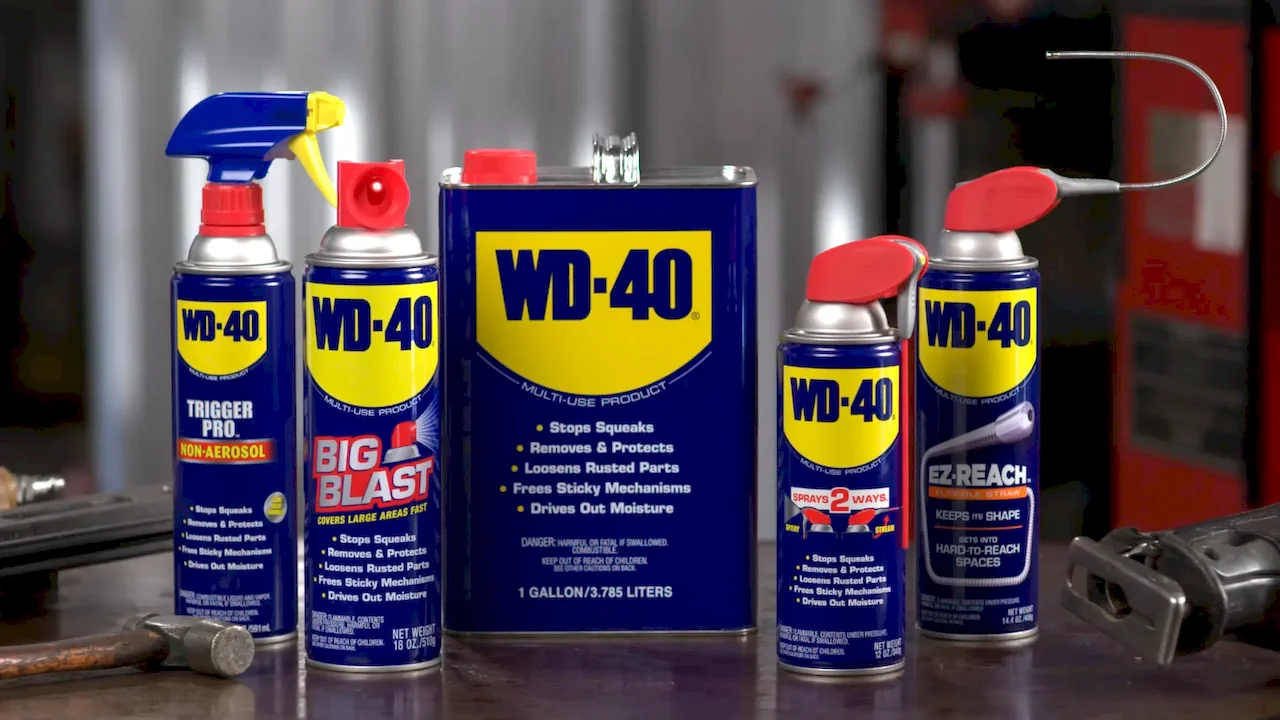
What many people don’t realize is that WD-40 was originally developed in the United States not for everyday use, but strictly for military applications. It was created to protect Atlas missiles from corrosion. It didn’t take long, however, for engineers to notice that the formula’s impressive qualities could be useful well beyond defense. A few years after it was first developed, WD-40 made its way into auto parts stores.
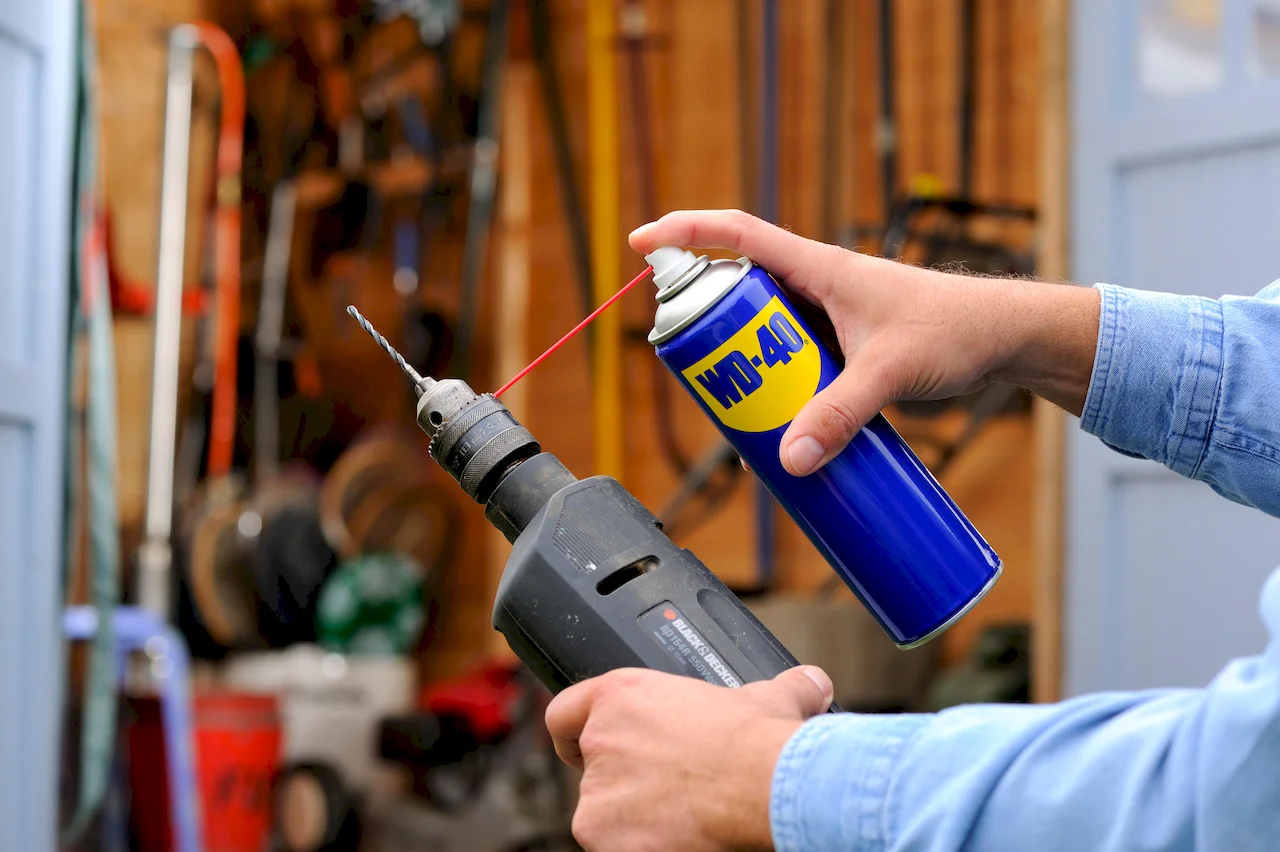
As for the “40,” the explanation is surprisingly simple. According to the manufacturer’s official account, that number represents the fortieth attempt it took for their chemists to perfect the formula. The product dates back to 1953 and was created by a California company called Rocket Chemical Company.
One more curious detail: the exact formula of WD-40 is patented and kept strictly confidential to this day. A popular myth claims the spray is made mostly from fish oil, but the company firmly denies that story.
You may also be interested in the news:
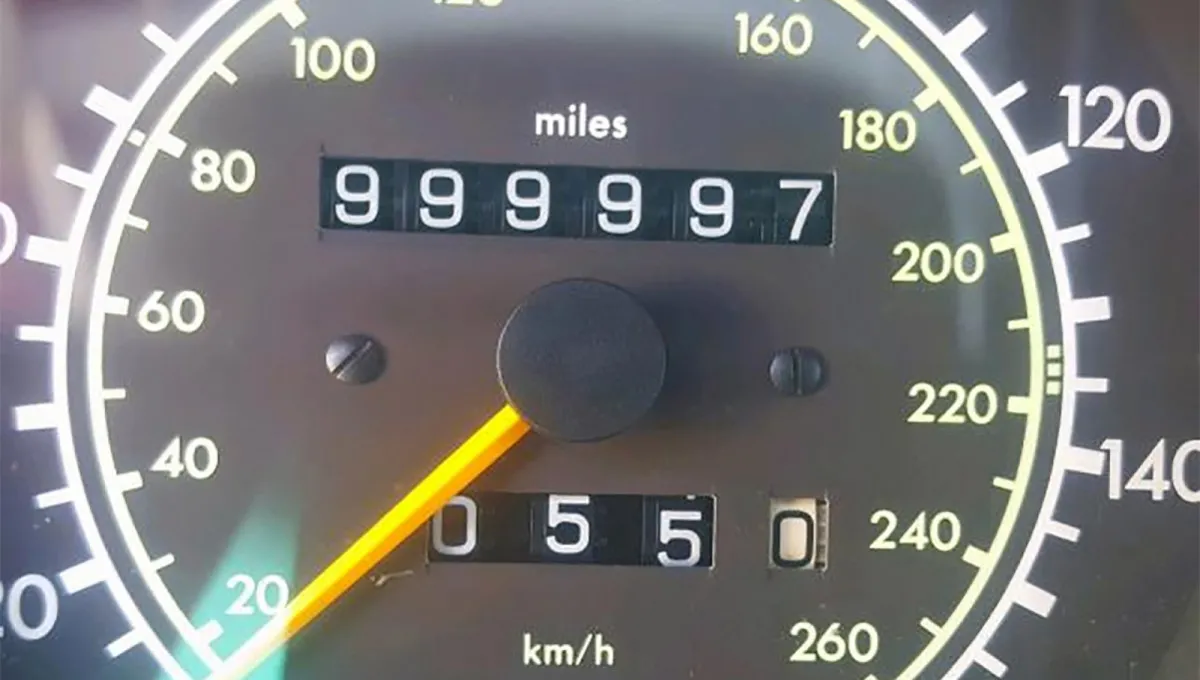
These 8 Cars Went Over 1 Million Miles — They Just Don’t Build Them Like They Used To
Some cars outlast generations of owners, proving that careful maintenance and durable engineering can deliver extraordinary mileage.
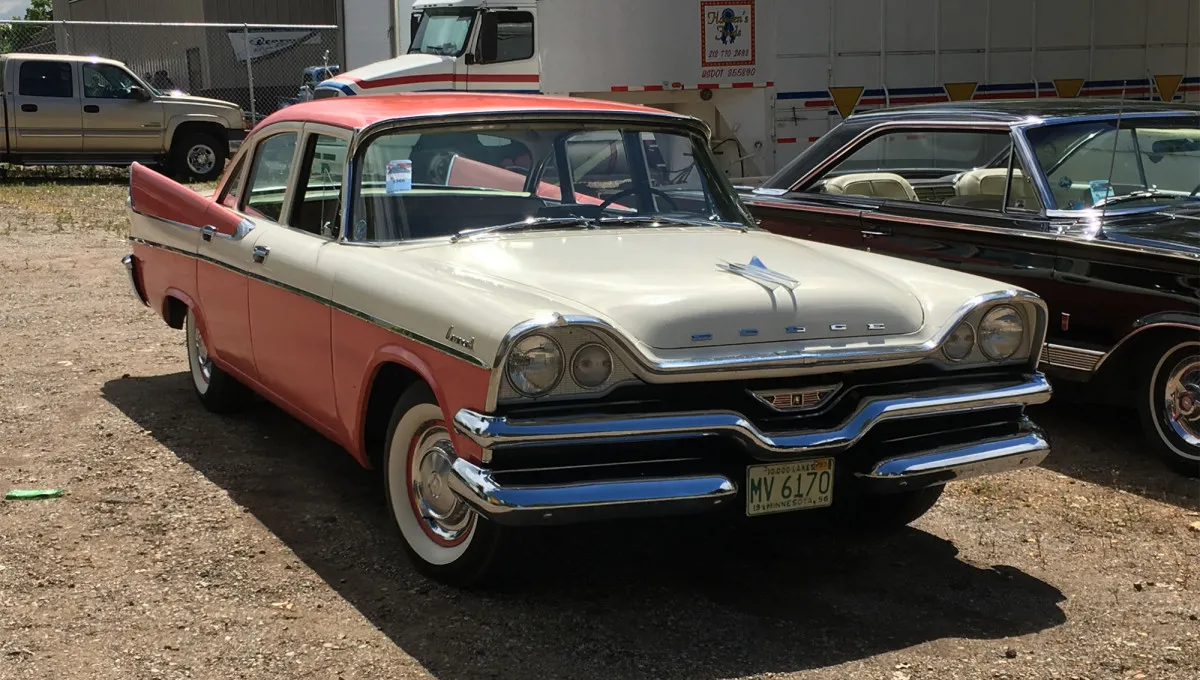
The 1957 Dodge: How “Autodynamics” Shaped One of Detroit’s Boldest Designs
The 1957 Dodge Looked Like a Dream Car, but Its Biggest Flaw Was Hiding Beneath the Surface.
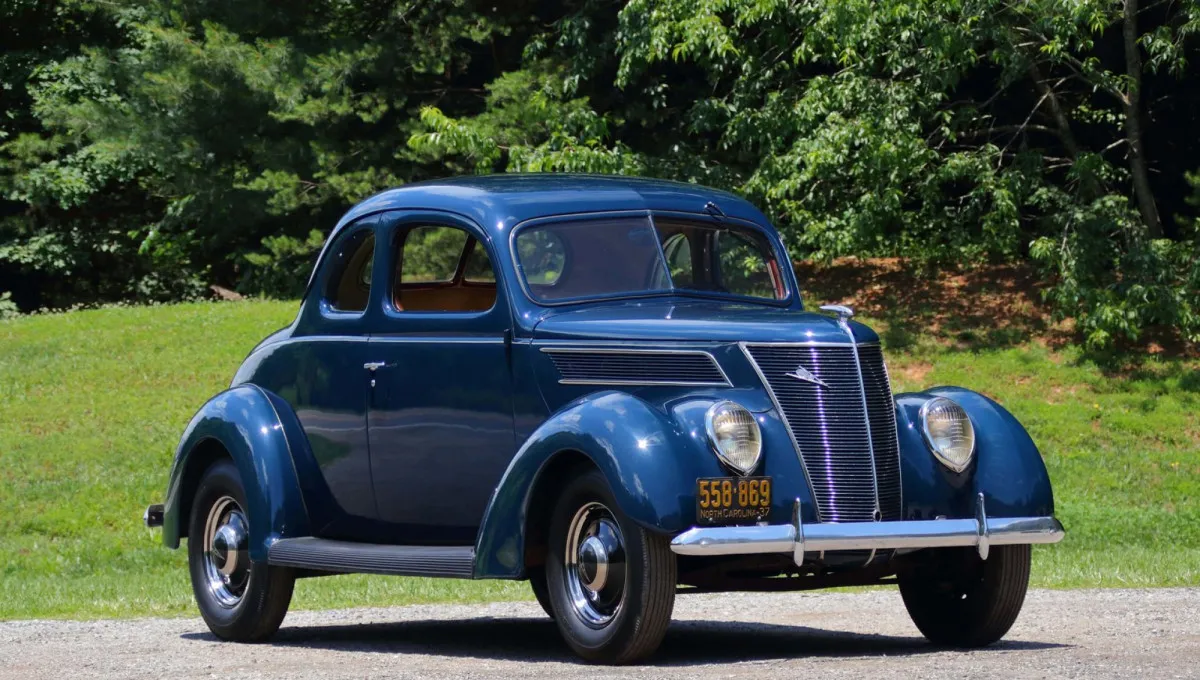
The 1937 Ford Was a Quality Car at an Affordable Price — Here’s What Made It Stand Out
The 1937 Ford featured several major changes and improvements. Let’s take a closer look.

Two Ferrari F40s Spotted on Google Maps Turn Out to Be Pontiac Fiero Replicas
Two Ferrari F40 lookalikes spotted on Google Maps in Spain turned out to be replicas built on an American sports car.
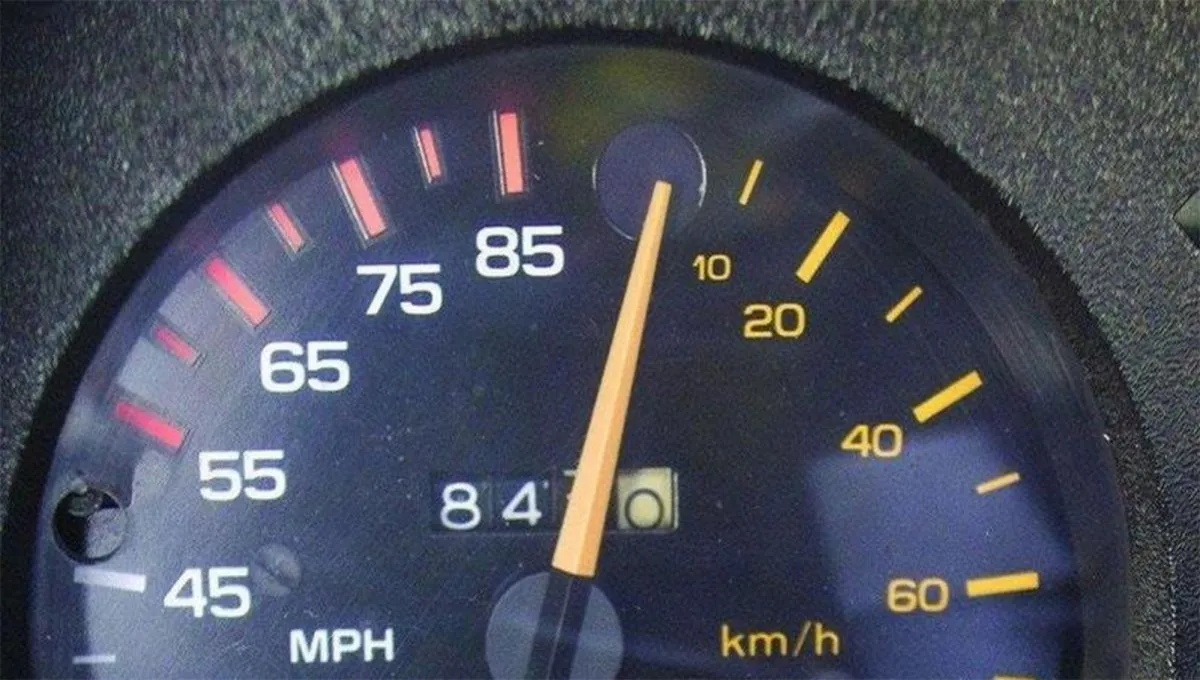
Your Speedometer Says 65 MPH, but Your GPS Says 62 — Here’s Why Your Car Does That
Your speedometer reads 65 mph, but your GPS says 62 mph. Here’s why the numbers rarely match.