
Steering Basics: Why You Shouldn’t Turn the Wheel All the Way to the Stop
Seasoned drivers know better than to crank a hydraulic power-steering system to the point of squeaks and groans.

Experienced motorists understand that turning the steering wheel all the way until it hits the stop isn’t a good idea on cars equipped with hydraulic power steering. And there are solid technical reasons for that. Alongside this nuance, many drivers also wonder whether they should always leave the front wheels pointed straight when parking.
The heart of a hydraulic power-steering setup is the power cylinder. It’s connected to a reservoir filled with hydraulic fluid and to a pump that moves that fluid through the system. The pump is driven by a belt from the engine’s crankshaft, and all of these components are tied together with high- and low-pressure hoses.

Here’s what happens when you turn the wheel. First, the pump builds pressure in the system. Next, as soon as the driver starts steering, fluid is redirected into the appropriate side of the power cylinder. That hydraulic pressure then pushes the steering linkage, turning the front wheels. Mechanically, it isn’t far off from how hydraulic brakes operate.
Hydraulic steering is generally quite durable and, if necessary, can be repaired to extend its service life. But it does have a weak point: the fluid lines.
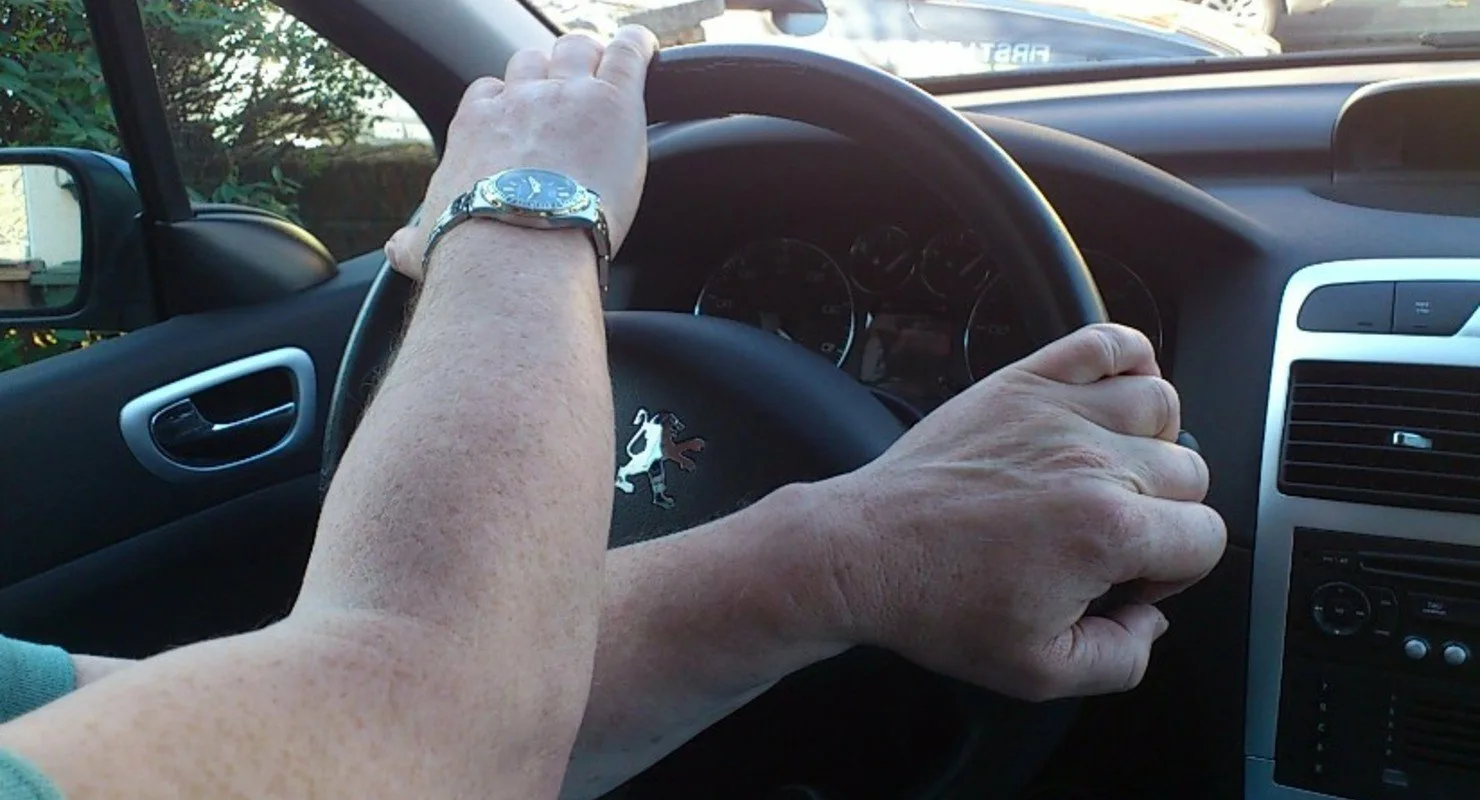
As you make a sharp turn, the internal pressure spikes. If you hold the wheel against the stop, the relief valve stays open too long and keeps dumping excess fluid. That fluid often ends up forcing its way into the rubber sections of the hoses. Over time, they can fail — and once that happens, the system will start leaking.
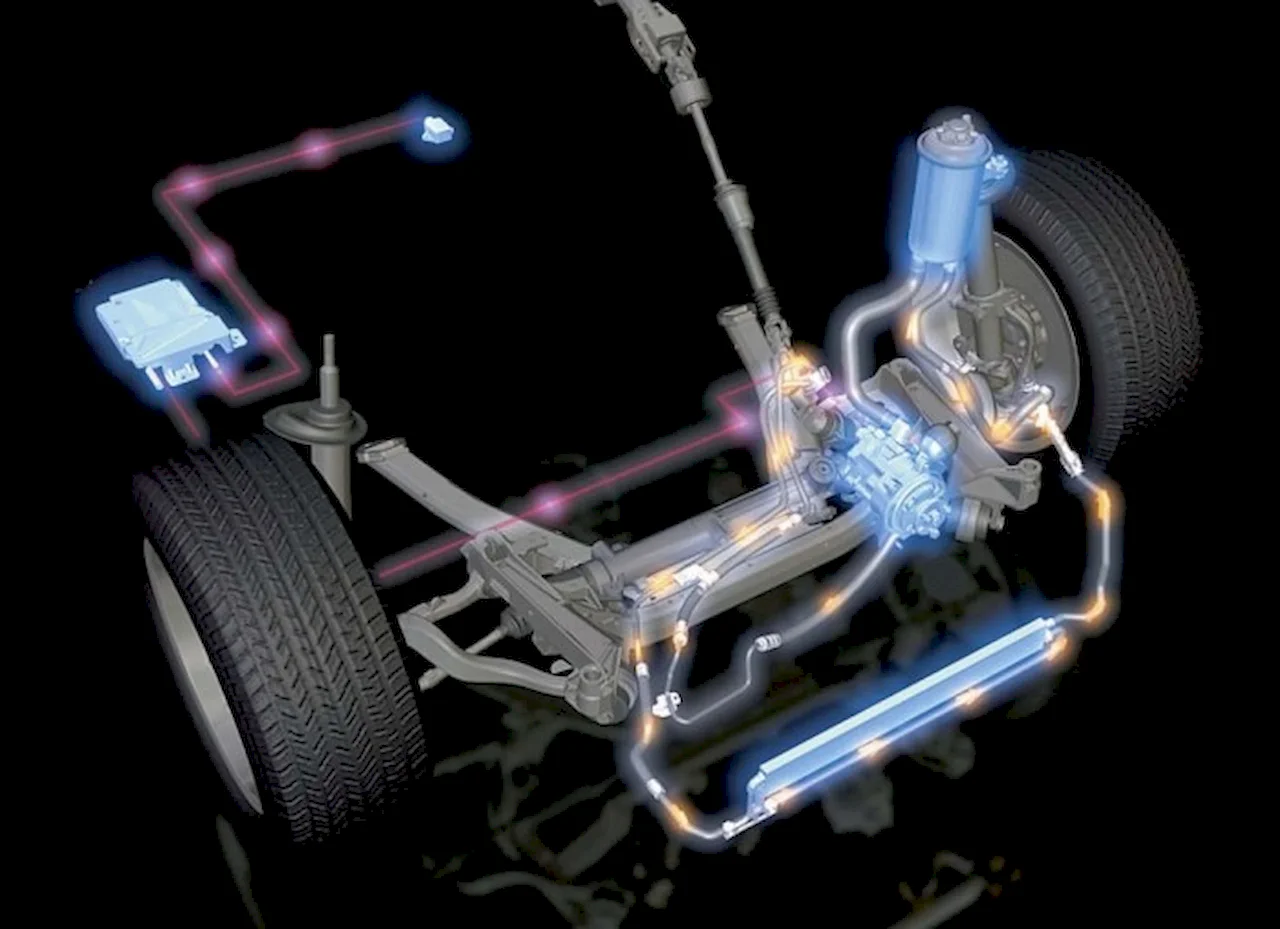
To avoid this, the simple rule is to ease off the wheel slightly right after hitting a tight steering angle. You’ll maintain nearly the same turning radius, but you won’t keep the relief valve open long enough to waste fluid or stress the hoses.
Do you need to straighten the wheels when parking?
In short, no — there’s no strict requirement to park with the wheels perfectly straight. With the power steering functioning normally, you can start the engine even if the wheels are turned; you won’t create any hydraulic shock.

In this position, the relief valve stays closed, because the steering still has a few degrees of free play before it reaches the actual stop. The valve only opens when the wheel is forced firmly against the limit.
So, the key takeaway: avoid holding the wheel at full lock, and you’ll keep your hydraulic power steering healthy for a long time.
You may also be interested in the news:
“Are You Sure It’s Chinese?” Who Really Builds China’s Car Engines
Who Really Develops China’s Car Engines?
Why Experienced Drivers Still Warn Against Buying a Used Car With a CVT
CVTs offer smooth acceleration and good fuel economy, but expensive repairs and durability concerns make used models risky.

Hidden Key Fob Trick: Open All Your Car Windows With One Button
An auto mechanic explains how drivers can remotely open and close car windows using a key fob, provided the vehicle has the right hardware.

8 Car Maintenance Mistakes That Could Cost You Thousands if You Wait Too Long
Depending on driving conditions, some maintenance tasks may need to be performed sooner and more often than the automaker recommends.

How Long Will Your Car Last? A Guide to Making It Age Gracefully
Automotive experts explain how routine maintenance and timely replacement of aging components can help your car last longer.