
Mickey Mouse’s Cars: How a Cartoon Vehicle Became an Automotive Icon
Mickey Mouse’s cartoon roadster has evolved for nearly a century, becoming an unlikely but enduring icon of automotive pop culture.
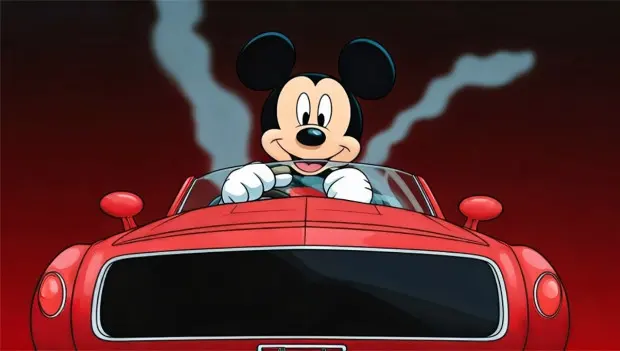
Mickey Mouse is one of the most recognizable characters in animation history, but his car is just as iconic. Although Mickey never drove a real production vehicle, his cartoon automobile has remained a visual staple for nearly 100 years and continues to inspire designers, fans, and car enthusiasts alike.
Mickey’s First Car: The Spirit of the 1920s
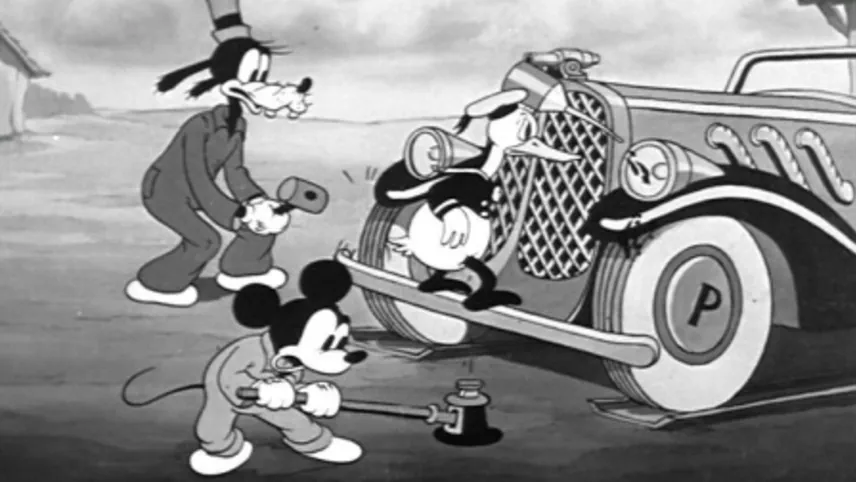
Mickey Mouse first appeared behind the wheel in the late 1920s, around the same time as Disney’s earliest animated shorts. His car was depicted as a small open-top roadster with simple shapes, thin wheels, and oversized fenders.
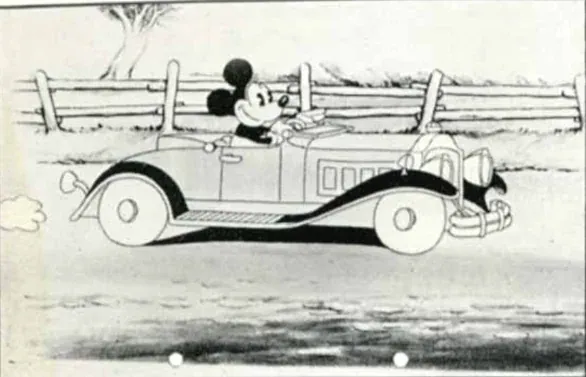
The design clearly echoed popular vehicles of the era, such as the Ford Model T and Ford Model A, without directly copying any real model. Purposefully exaggerated, the car bent, broke, and even “came alive,” following the elastic logic of early cartoon physics.
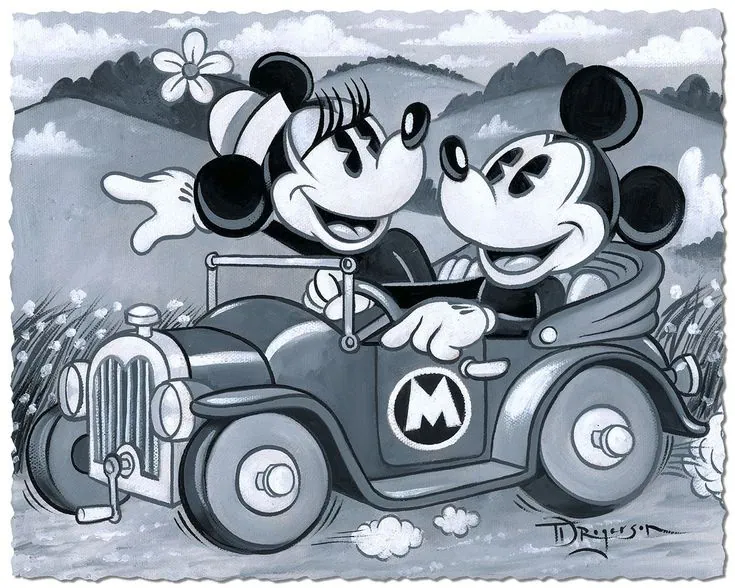
A Signature Look Takes Shape
By the 1940s and 1950s, Mickey’s car had settled into a more consistent and recognizable form. This period established its defining features:
-
a red body,
-
yellow wheels,
-
compact proportions,
-
and an open roof.
The vehicle evolved from a purely comedic prop into a regular means of transportation, reinforcing Mickey’s cheerful, optimistic personality.
Television Era and New Interpretations
With the rise of television in the 1980s and 1990s, Mickey’s car went through multiple redesigns. Artists simplified its shapes for TV animation, and some productions introduced alternative versions, ranging from modernized convertibles to generic city cars.
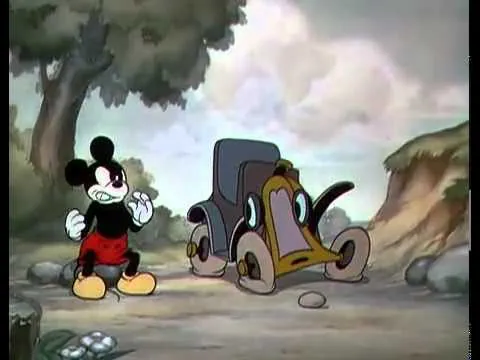
Throughout these changes, Disney followed one consistent rule: Mickey’s car should never be tied to a specific real-world automaker, keeping the design timeless and universally appealing.
“Roadster Racers” and the Car as a Character
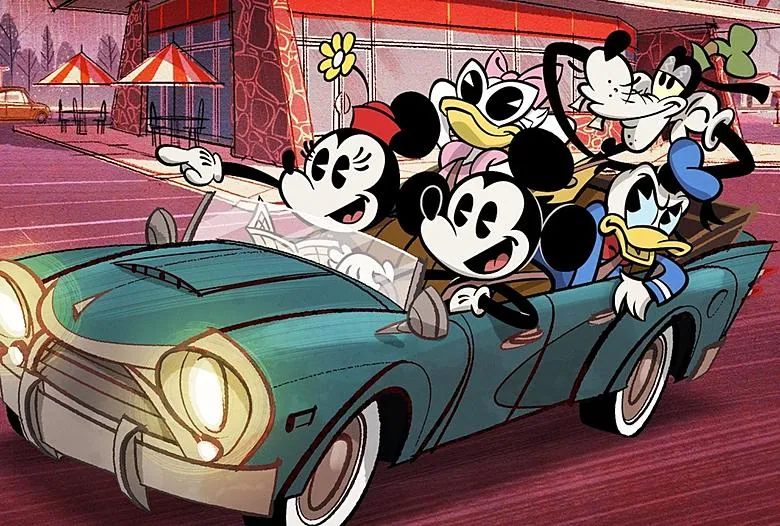
In the 2010s, the concept evolved further in series such as Mickey Mouse Roadster Racers. Here, the car became almost a character itself, featuring bold colors, racing elements, and even transformation abilities.
This modern interpretation demonstrated how a classic design could adapt to contemporary trends—motorsports, technology, and fast-paced visuals—without losing its identity.
Real-World Versions
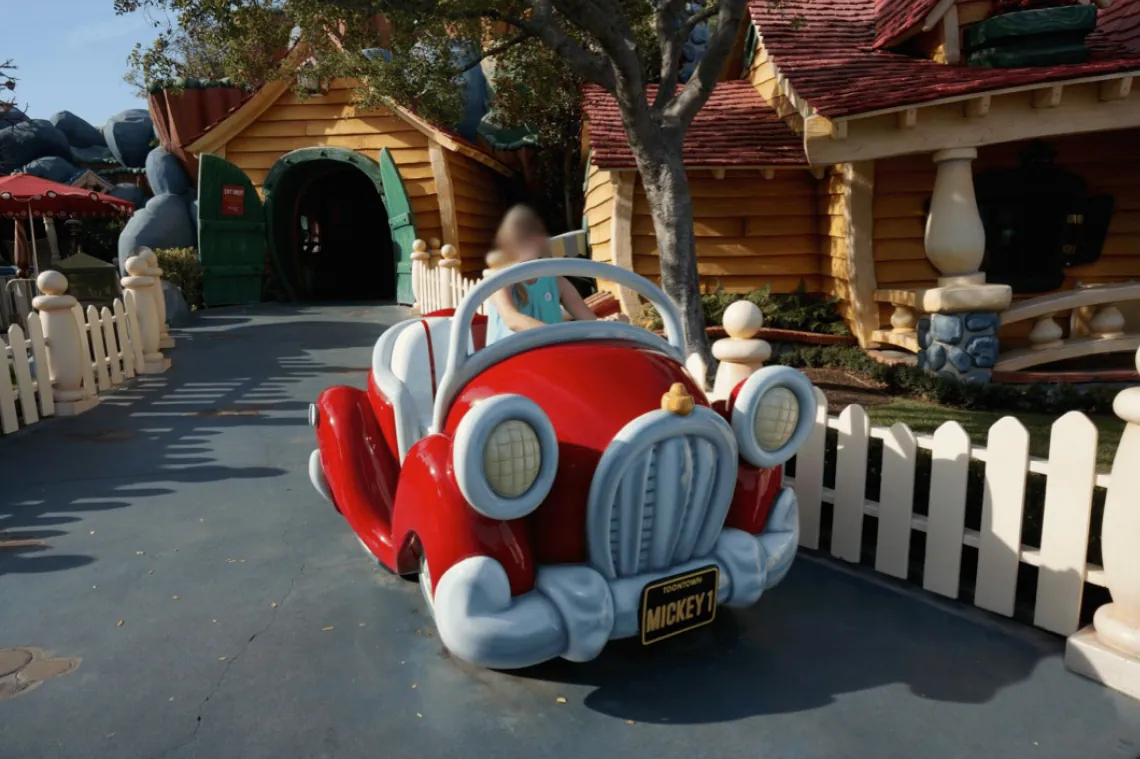
While no official production version of Mickey’s car exists, full-scale replicas have been built for Disney theme parks worldwide. These vehicles appear in parades, shows, and themed attractions, and custom builders have occasionally recreated Mickey-inspired cars using classic roadsters or dune buggy platforms.
Why Mickey’s Car Matters to Automotive Culture
Mickey Mouse’s car is a rare example of a fictional vehicle becoming part of popular automotive imagery. It combines:
-
nostalgia for early automotive history,
-
creative freedom in design,
-
and emotional connection across generations.
Nearly a century later, this cartoon roadster remains instantly recognizable, proving that a car can be more than transportation—it can be a symbol of character, storytelling, and cultural history.
You may also be interested in the news:
Not Ford, BMW or Audi: Mechanic Names the Car Brand That Almost Never Breaks Down
Auto repair professionals reveal which models rarely suffer major failures and which ones repeatedly end up on the lift.
What Does a Flashing Red Traffic Light Mean? Can You Keep Driving?
Drivers must come to a complete stop at the stop line before deciding whether it is safe to proceed.
Why You Should Check a Tire’s Manufacturing Date Before Buying
Tire buyers should check more than size, tread, and brand because rubber changes with age, even without visible wear.
Four Car Features Modern Drivers Are Starting to Miss
New cars keep adding technology, but some simple features that drivers once relied on are disappearing.
The Sheriff Knew She Was Speeding—Then This Blonde Driver Turned the Ticket Against Him
A sheriff pulls over a Ferrari for speeding, but the driver's bizarre logic quickly turns the traffic stop against him.