
How to Spot Engine Problems Yourself—and Avoid Costly Repairs
Checking your engine without a shop visit: simple steps any driver can take
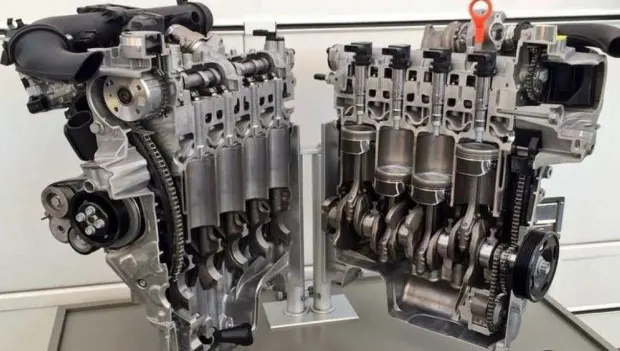
Engine issues are something many drivers eventually face, but a trip to the repair shop isn’t always necessary right away. Some problems can be identified—and sometimes fixed—on your own. Experts say a few basic checks can save both time and money, and help you better understand what’s going on under the hood.
Specialists recommend not rushing to a mechanic at the first sign of trouble. If the engine starts running rough, especially at idle, there are a few key areas worth checking first. One of the most common culprits is a dirty air filter. Replacing it takes just a few minutes, yet it can noticeably improve engine performance and even reduce fuel consumption. Air filters are inexpensive, widely available at auto parts stores, and usually don’t require any special tools to install.
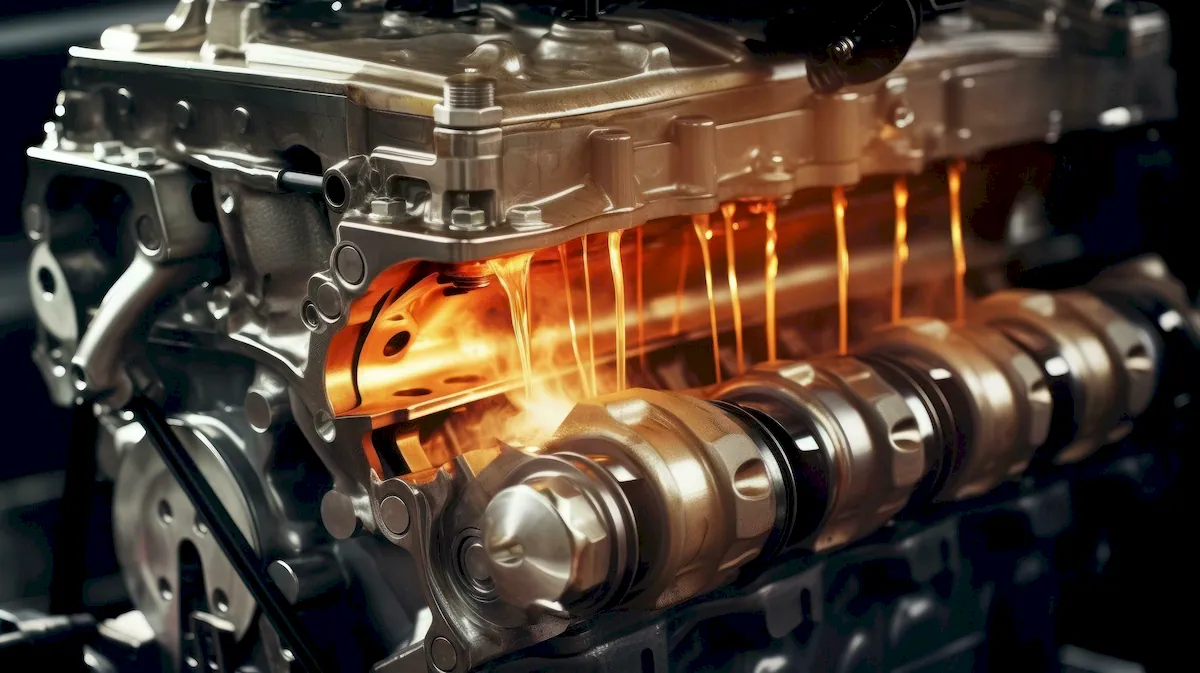
Another important step is inspecting the ignition system. If a new air filter doesn’t solve the issue, remove the spark plugs and take a close look at them. Heavy carbon buildup, cracks, or traces of oil can all signal that the plugs need to be replaced. In some cases, the problem may lie with an ignition coil or worn plug boots. With basic tools and a bit of confidence, these components can often be swapped out at home.
Owners of older vehicles should keep in mind that many engine problems develop gradually. Catching early warning signs—such as new vibrations, reduced power, or rising fuel consumption—can help prevent major failures and expensive repairs down the road. Doing your own basic diagnostics not only saves money but also gives you a clearer picture of how your vehicle works.
That said, it’s important to know your limits. If you’ve checked the basics and the engine is still running poorly, or if the cause isn’t clear, it’s safer to turn to a professional. Pushing a DIY repair too far can end up costing more in the long run. Still, having a few fundamental diagnostic skills is valuable for any driver—it helps you recognize problems early and make informed decisions about what to do next.
You may also be interested in the news:
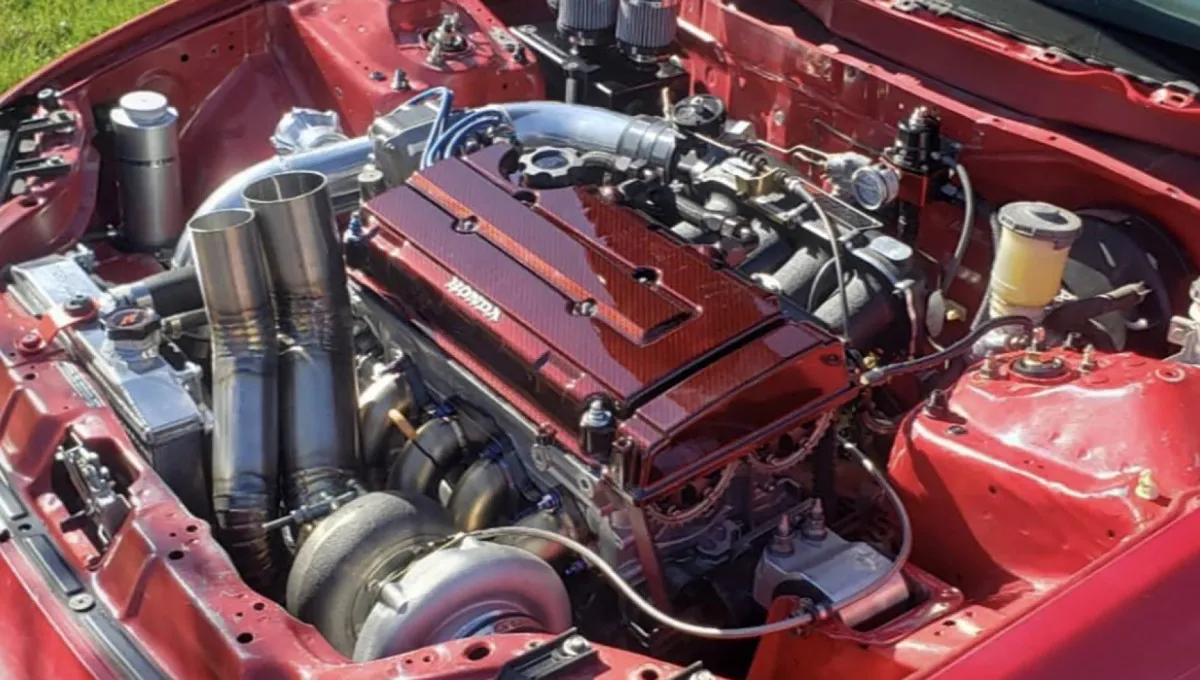
Honda K-Series Engines Can Go Past 300,000 Miles — Here's Why They're So Reliable
How long can a Honda K-series engine last, and what makes this family of Japanese engines so durable?
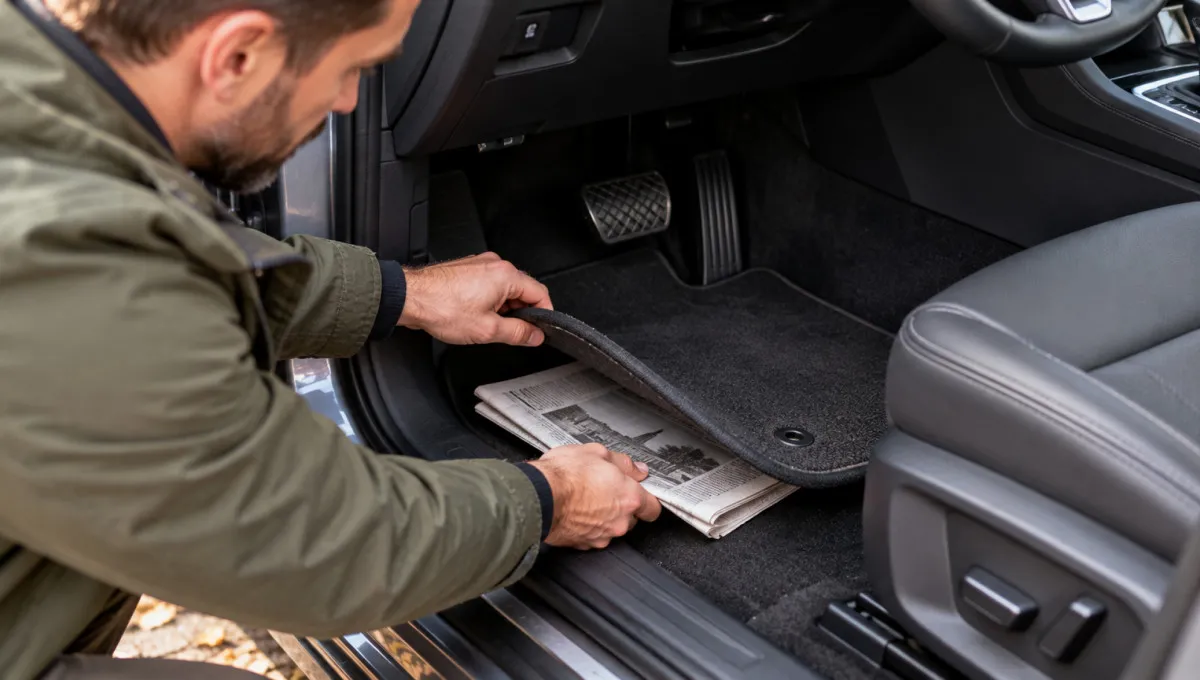
When the First Freeze Hits, Put Newspaper Under Your Floor Mat: An Old Winter Driving Trick
Newspaper under a floor mat can help protect a car's floor from winter moisture, but it requires regular attention.
How a Repair Shop Can Overcharge You: What Every Driver Should Know
An experienced mechanic knows how to increase a repair bill, and drivers should know what to watch for before approving work.
How to Find the Source of a Car Interior Rattle in 15 Minutes
A simple trick can help drivers pinpoint an annoying interior rattle without taking apart half the cabin or visiting a repair shop.
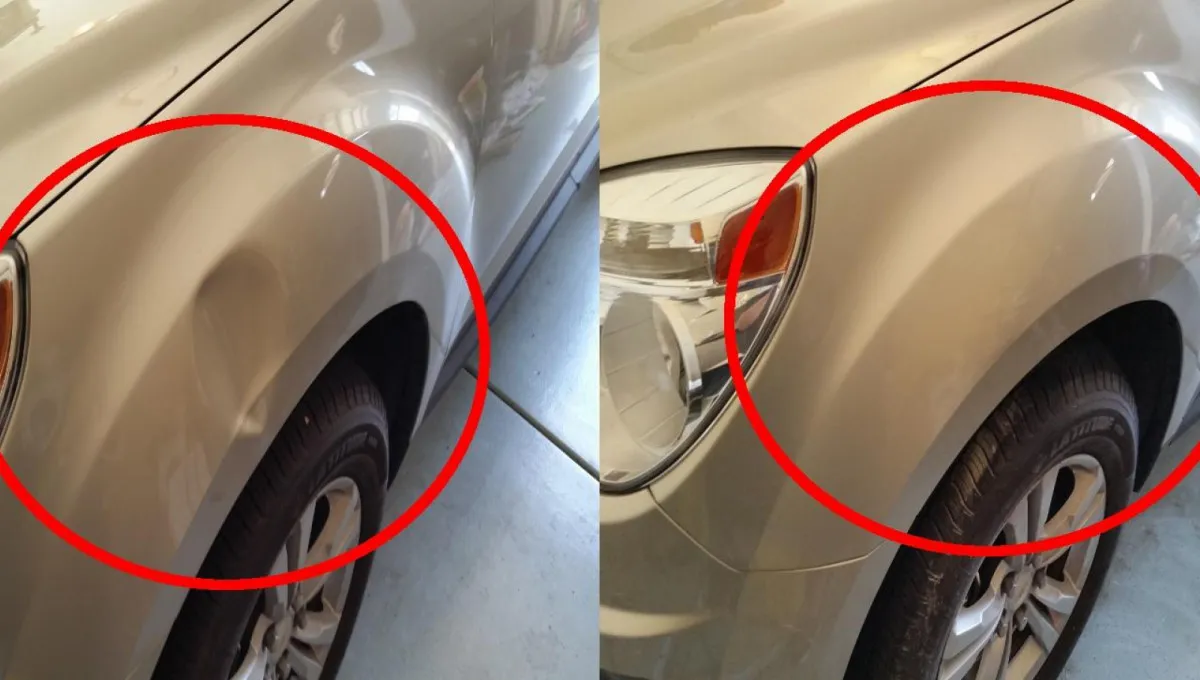
The Dent Can Disappear Without a Trace: How to Repair Car Body Damage Without Paint
Paintless dent repair can restore a damaged panel to its original shape, but only when certain conditions are met.