
10 Facts About Diesel Engines You Probably Didn’t Know
A collection of lesser-known facts about diesel engines that might surprise you.
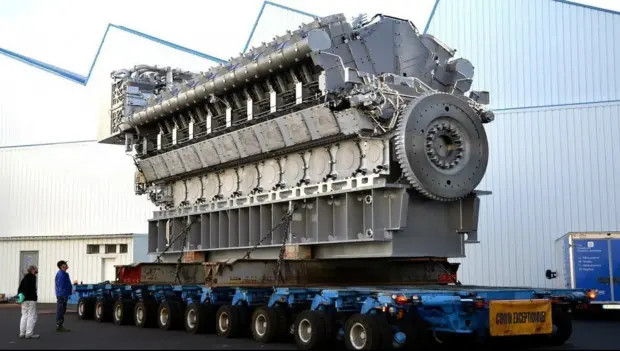
Diesel engines have long gone beyond the limits of purely utilitarian machinery and agricultural equipment. Over more than a century of history, they have made their mark in motorsport, engineering records, mass-produced vehicles, and even in the most unexpected experiments by enthusiasts. Some achievements and curious facts about diesel power can surprise even experienced car lovers.
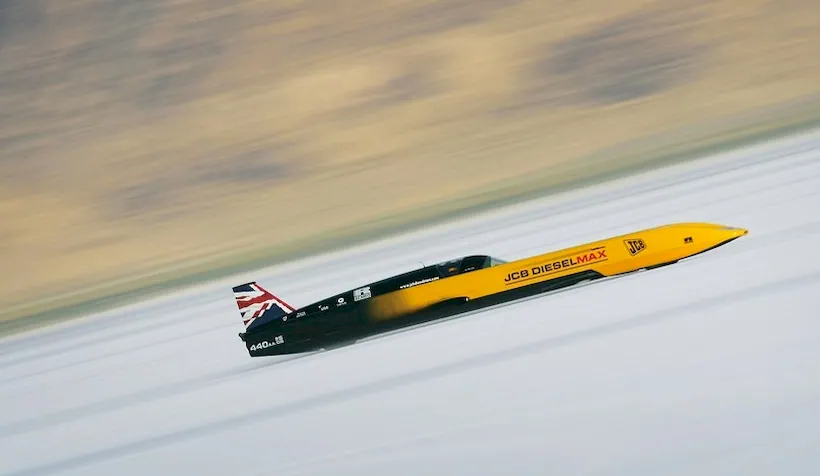
1. The fastest diesel-powered car in the world is the JCB Dieselmax, which in 2006 reached 350 mph on the Bonneville Salt Flats in the United States.
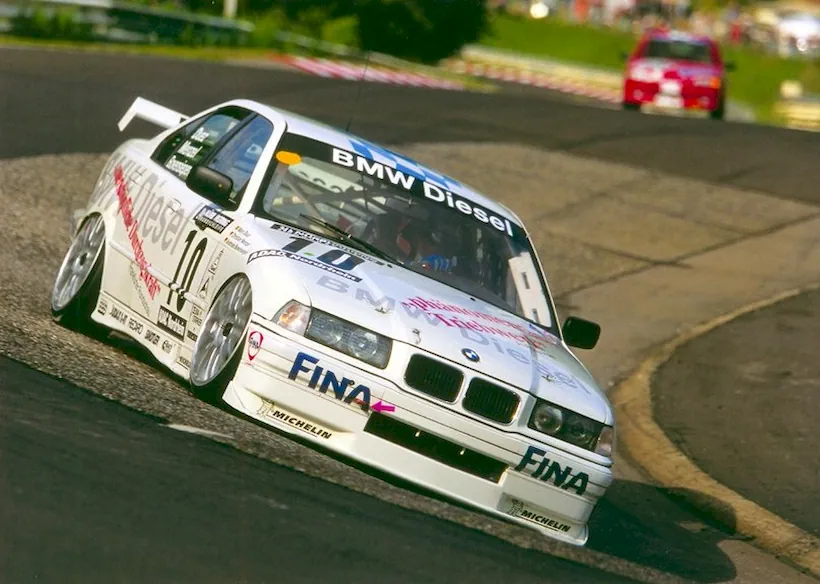
2. A BMW 320d won the 24 Hours of Nürburgring in 1998, powered by a diesel engine producing about 200 horsepower.
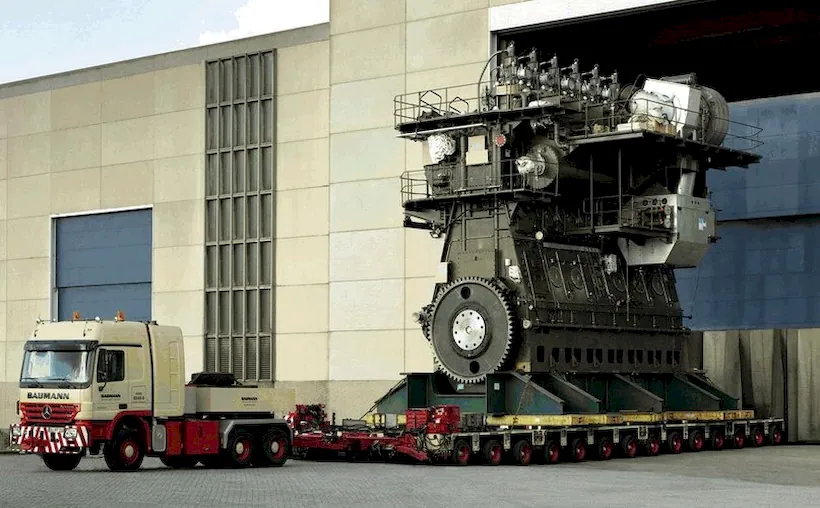
3. Wärtsilä-Sulzer builds the largest diesel engines in the world. Its 14-cylinder engine for cargo ships weighs roughly 2,500 U.S. tons, produces 108,920 horsepower, and delivers around 560,000 lb-ft of torque at just 102 rpm.

4. While the invention of the diesel engine is usually credited to Rudolf Diesel, the first diesel-type engine was actually built by English engineer Herbert Akroyd Stuart in 1891.
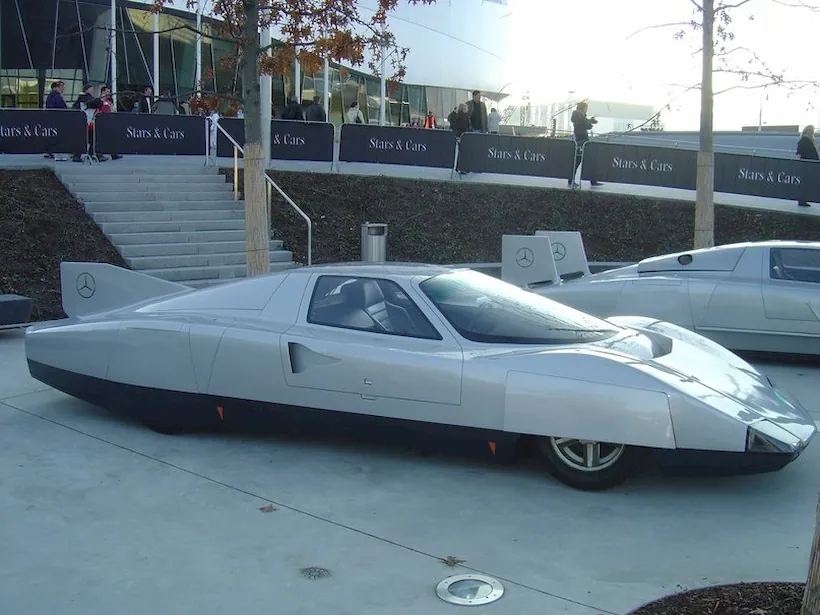
5. The record-setting Mercedes-Benz C111 III had an extremely low drag coefficient of Cd 0.133, allowing it to reach about 202 mph with a diesel engine producing 230 horsepower.

6. The Ford Sierra 2.3 diesel was widely considered a disaster. It produced just 67 horsepower, and acceleration from 0 to 62 mph took a painfully slow 17.8 seconds.
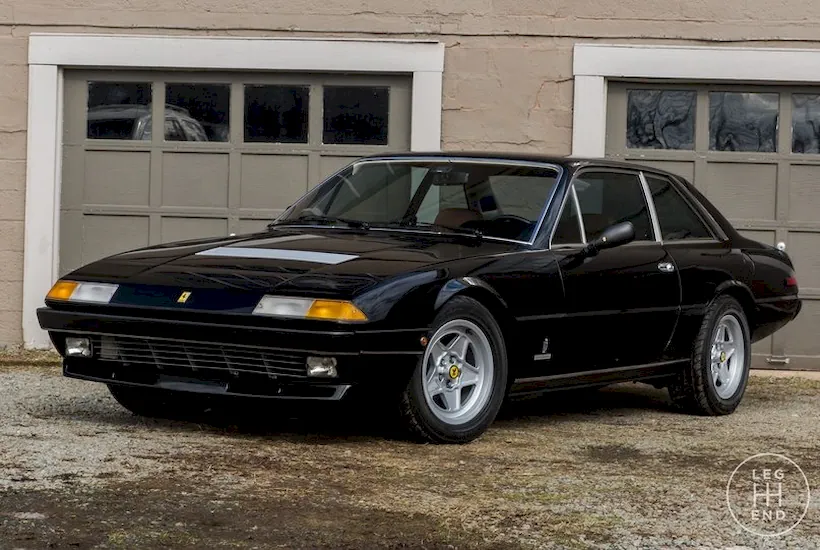
7. One particularly adventurous young man in France replaced the V12 engine in his Ferrari 400i with a six-cylinder marine diesel engine.
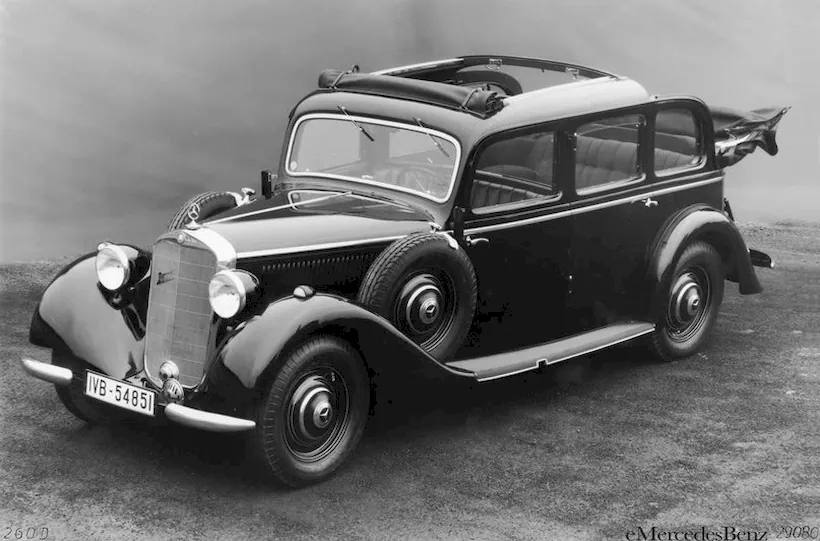
8. The first mass-produced diesel passenger car was the 1936 Mercedes-Benz 260D.
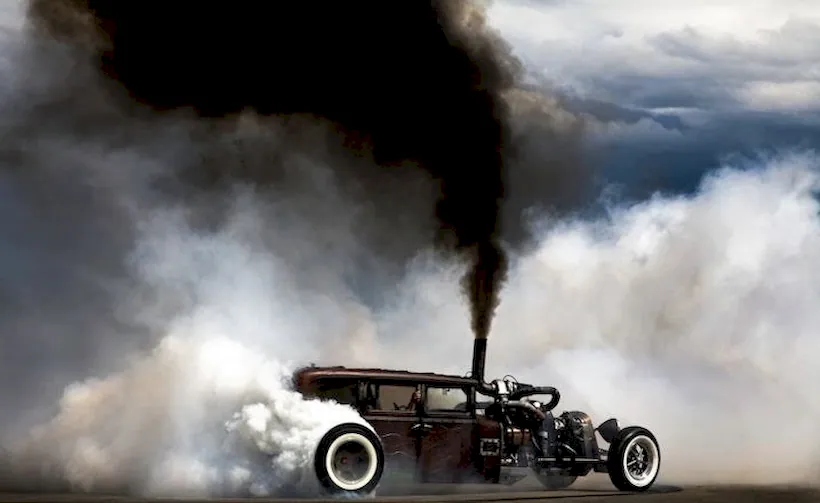
9. Large, smoky turbocharged diesel engines are extremely popular in the construction of the most eccentric and outrageous rat rods.
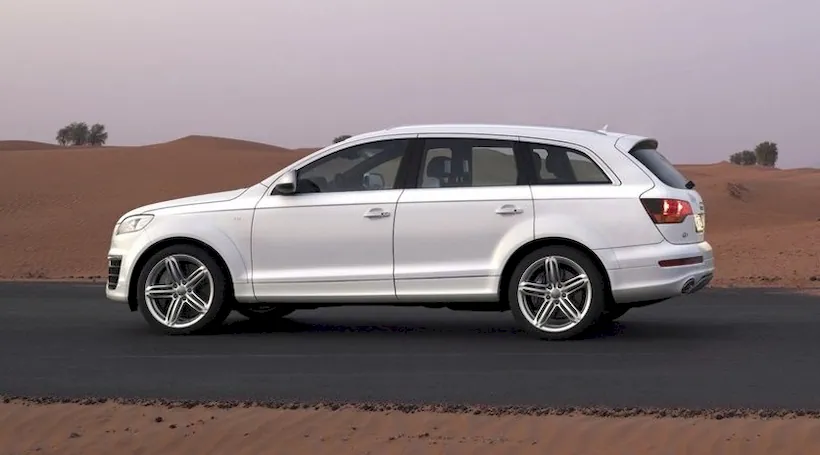
10. The 6.0-liter Audi Q7 V12 TDI is often considered the largest mass-produced diesel passenger vehicle in the world, delivering 500 horsepower and nearly a “ton” of torque by automotive standards.
You may also be interested in the news:
Not Ford, BMW or Audi: Mechanic Names the Car Brand That Almost Never Breaks Down
Auto repair professionals reveal which models rarely suffer major failures and which ones repeatedly end up on the lift.

What Does a Flashing Red Traffic Light Mean? Can You Keep Driving?
Drivers must come to a complete stop at the stop line before deciding whether it is safe to proceed.
Why You Should Check a Tire’s Manufacturing Date Before Buying
Tire buyers should check more than size, tread, and brand because rubber changes with age, even without visible wear.
Four Car Features Modern Drivers Are Starting to Miss
New cars keep adding technology, but some simple features that drivers once relied on are disappearing.
The Sheriff Knew She Was Speeding—Then This Blonde Driver Turned the Ticket Against Him
A sheriff pulls over a Ferrari for speeding, but the driver's bizarre logic quickly turns the traffic stop against him.