
The Cadillac BLS Was Built in Sweden, Assembled in Russia, and Never Even Sold in America
Cadillac once launched a European luxury sedan so unusual that American buyers never even had the chance to purchase it.
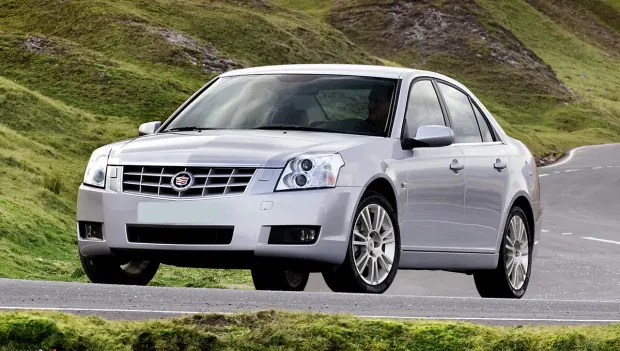
In 2009, production of one of the strangest vehicles ever to wear a Cadillac badge began at an assembly plant in Kaliningrad, Russia. The Cadillac BLS was designed to compete with compact luxury sedans like the BMW 3 Series, Audi A4, and Mercedes-Benz C-Class.
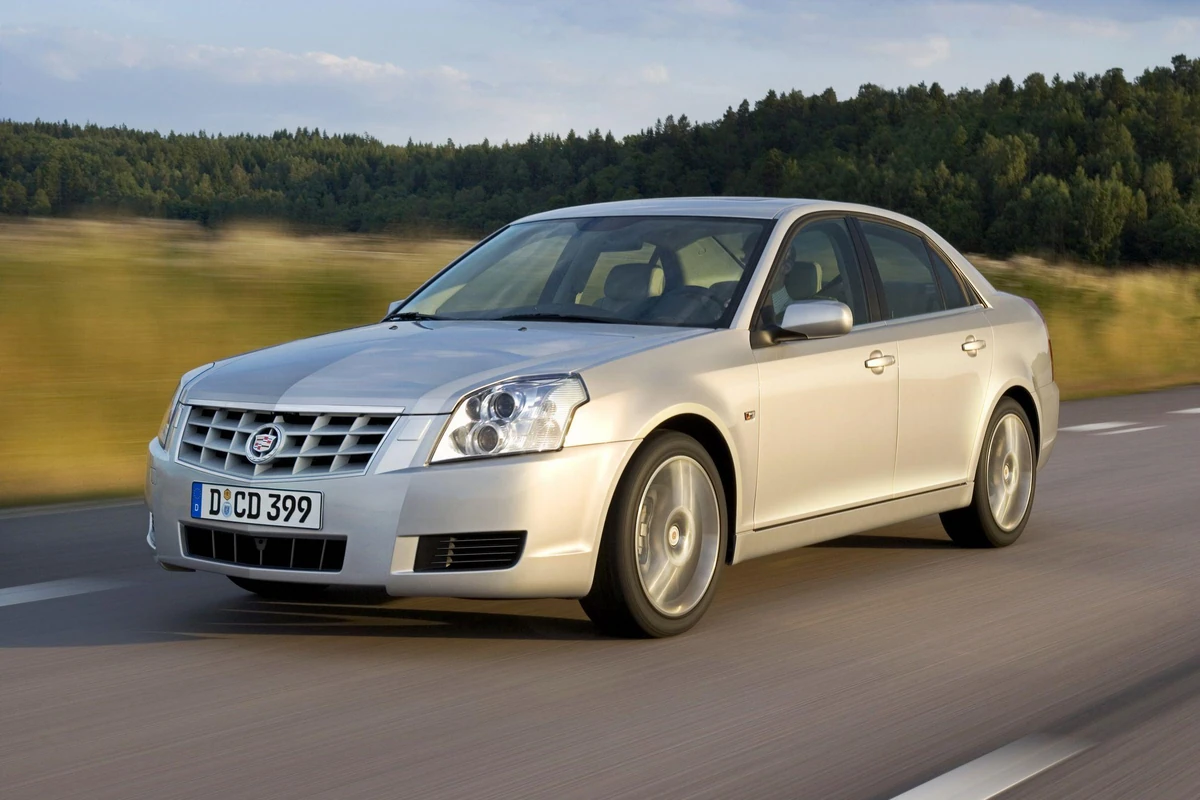
But despite its American branding, the car itself had surprisingly little to do with the United States. In fact, it was developed in Sweden. The unusual origins of the BLS eventually earned it a reputation as “the strangest Cadillac ever made.”
A European Cadillac Experiment
In the early 2000s, General Motors developed its Epsilon platform, which became the foundation for more than a dozen midsize sedans. Among the best-known models built on the architecture were the Opel Vectra and the Saab 9-3.
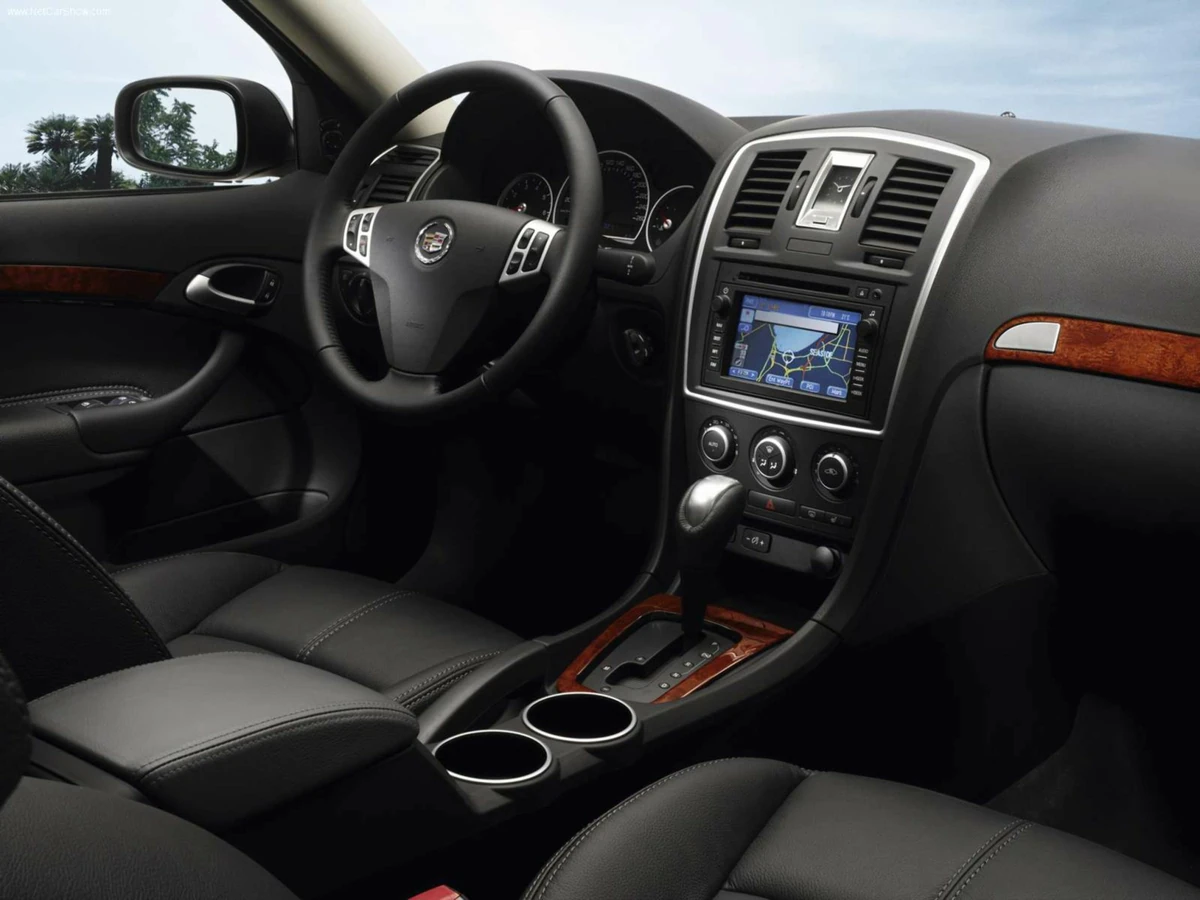
Saab had a loyal following in Sweden but remained a niche brand across much of Europe, while Opel occupied a more mainstream market position. GM executives decided to try something unconventional: replace the Saab badge with Cadillac branding in hopes of creating a more prestigious European luxury sedan capable of challenging Germany’s premium brands.
That strategy ultimately gave birth to the Cadillac BLS.
Built in Sweden, Sold in Europe
The first BLS models were produced in Sweden at the same factory that assembled Saab vehicles. Later, in 2009, production expanded to Kaliningrad for certain export markets.
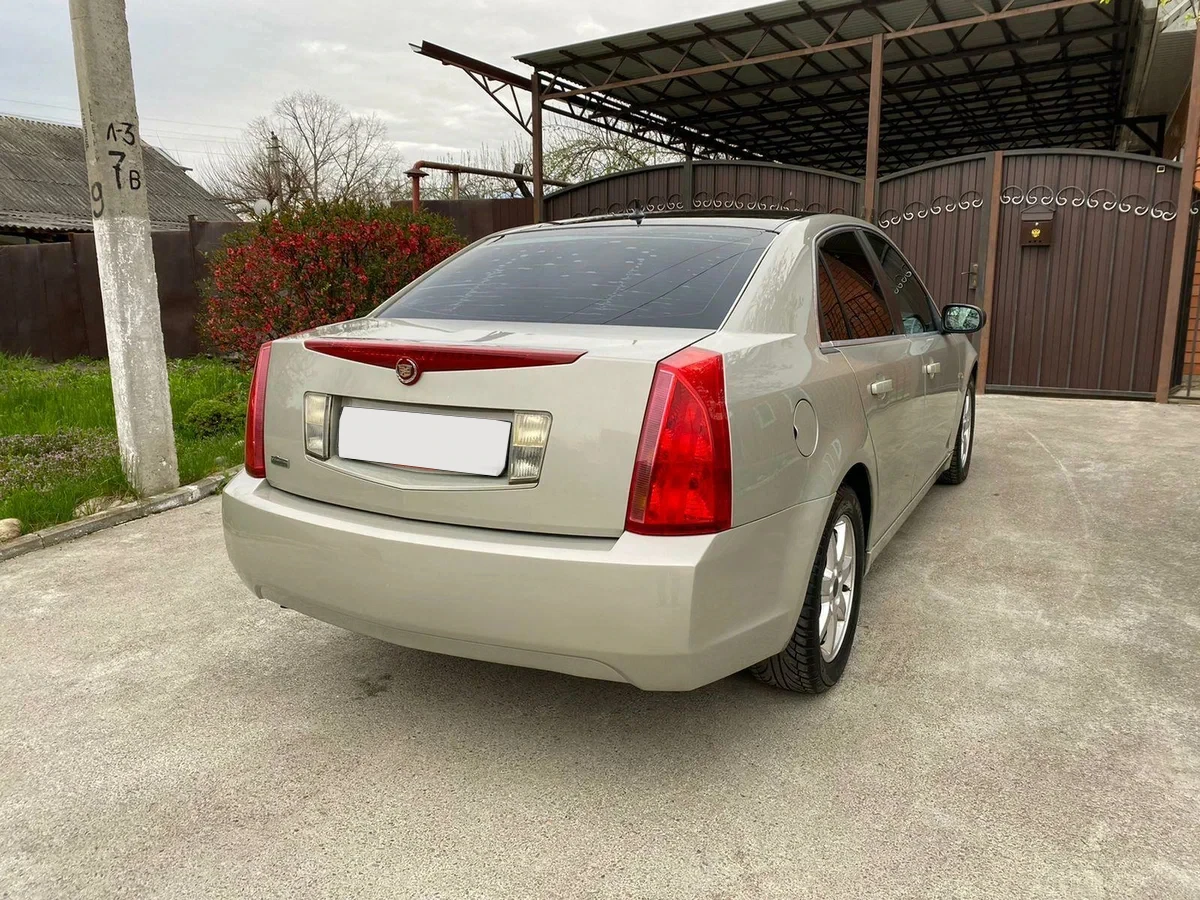
Automotive journalists at the time described the BLS as a refined evolution of the already solid Saab 9-3 platform, combined with bold styling that made the car stand out on the road. Still, many critics struggled to understand exactly what the car was supposed to be.
The BLS quickly gained a reputation as perhaps the least traditional Cadillac ever built. It was about 6 inches shorter than the smallest Cadillac sold in the U.S. at the time, and, perhaps most surprisingly, it was never officially offered in the American market at all.
The BLS also marked another first for the brand: it became the first Cadillac in history to receive a wagon body style.
Why the BLS Failed
Production of the Cadillac BLS continued until 2010, but the model never found commercial success. Total global sales reached just 7,356 units.
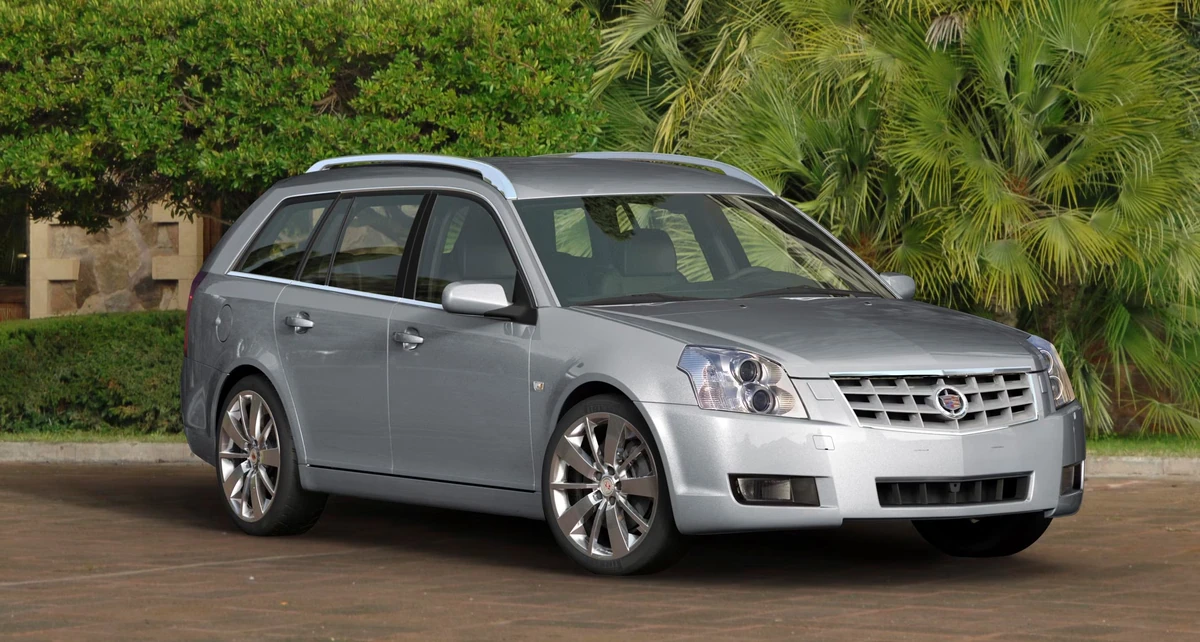
Several factors contributed to the car’s disappointing performance. First, competing against established German luxury automakers was already an uphill battle. A Cadillac based heavily on an Opel platform and powered in some versions by a 1.9-liter Fiat turbo-diesel engine struggled to match the prestige buyers expected in the premium segment.
Second, Cadillac’s brand image simply did not resonate with European luxury buyers the way GM had hoped. While the name carried weight in North America, European customers often viewed Cadillac as too foreign and disconnected from local luxury traditions.
In the end, the BLS became one of the automotive industry’s strangest globalization experiments — an American luxury car engineered in Sweden, assembled in Russia, built on German architecture, and powered by Italian diesel technology.
And somehow, despite wearing a Cadillac badge, it never made it to American dealerships.
You may also be interested in the news:
The Sheriff Knew She Was Speeding—Then This Blonde Driver Turned the Ticket Against Him
A sheriff pulls over a Ferrari for speeding, but the driver's bizarre logic quickly turns the traffic stop against him.
Watch Your Fingers: Cadillac Recalls Nearly 30,000 New Optiq EVs Over Power Window Problem
General Motors is recalling 29,347 new Cadillac Optiq electric crossovers because of a potentially dangerous power-window malfunction.
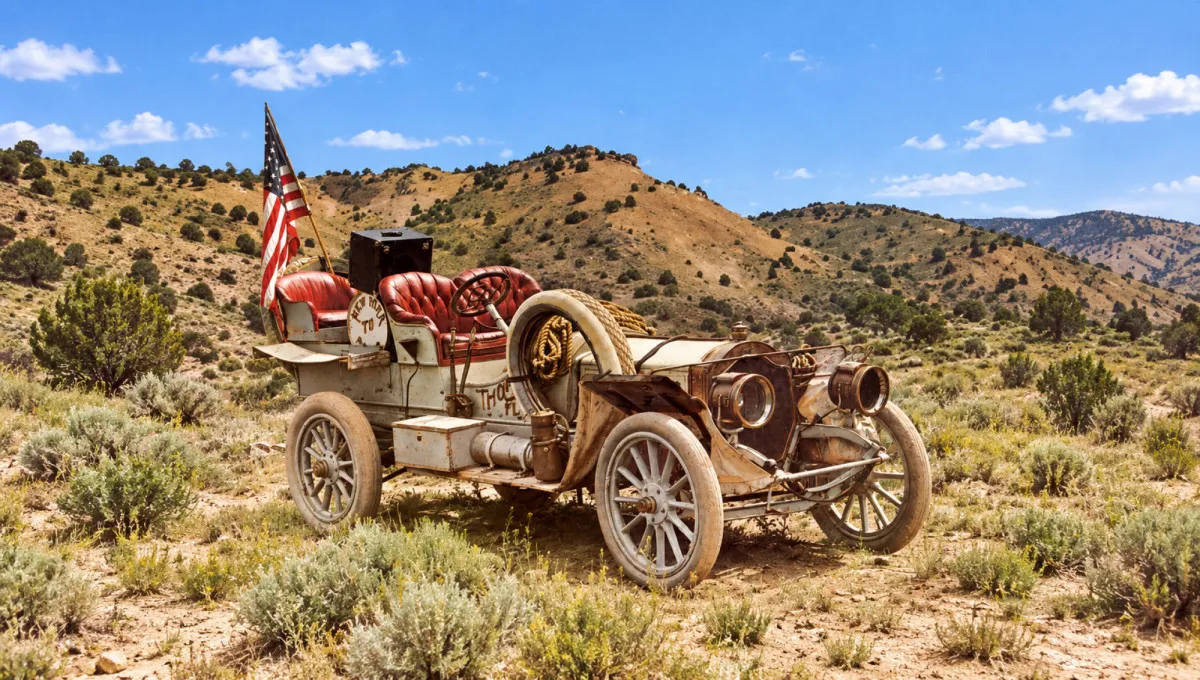
No Roads, No Map, No Car: The $50 Bet That Sent a Doctor Across America
In 1903, one doctor bet $50 he could drive from San Francisco to New York.
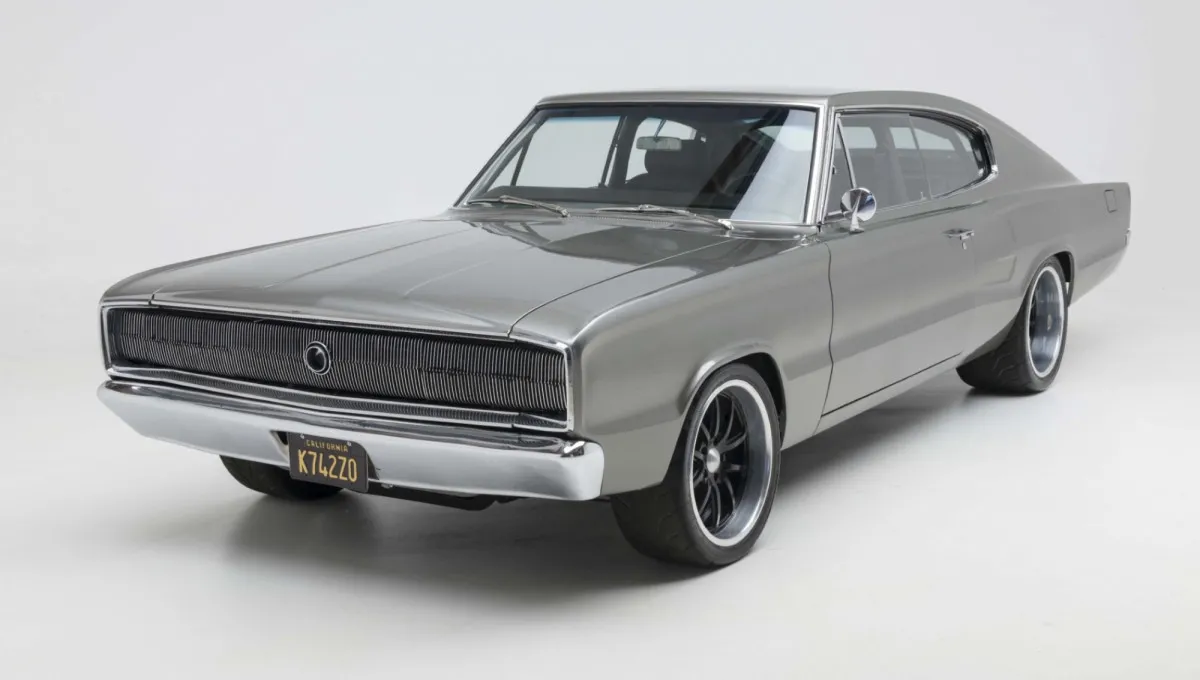
The “Leader of the Dodge Rebellion”: The 1966 Dodge Charger
The Dodge Charger has endured for 60 years, but its story began with an unlikely 1966 debut.