
10 Cars With Wheels That Turn in Opposite Directions: Better Maneuvering and Stability
Some vehicles can steer with all four wheels. Which models feature wheels that can turn in different directions—and why does it matter?
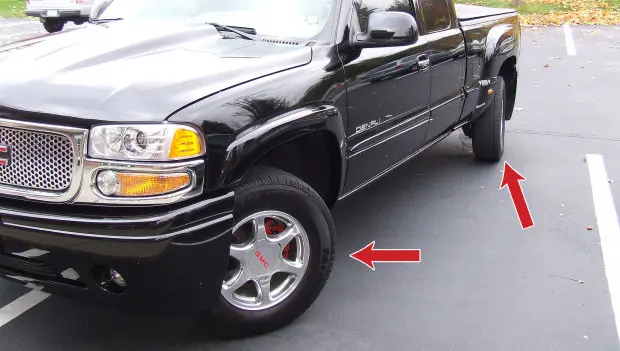
Some vehicles are equipped with four-wheel steering systems that allow the front and rear wheels to turn in opposite directions. What’s the benefit? At low speeds, it reduces the turning radius and makes parking easier. At higher speeds, it improves stability during lane changes and cornering. Here are 10 vehicles that have used four-wheel steering technology.
1. Honda Prelude

In 1987, the third-generation Honda Prelude became one of the first production cars to feature a mechanical four-wheel steering system known as 4WS. The setup allowed both the front and rear wheels to turn—up to 1.5 degrees in the same direction, or up to 5.33 degrees in the opposite direction. The result was a tight turning circle of about 33 feet (10 meters), making parking and maneuvering much easier.
At low speeds, the rear wheels turned opposite the front wheels to shrink the turning radius. At higher speeds, they turned in the same direction for added stability. The rear steering angle was always smaller than the front.
The 4WS option was available on the Honda Prelude from 1987 to 2001, as well as on the Honda Ascot from 1989 to 1996.
2. Mazda MX-6
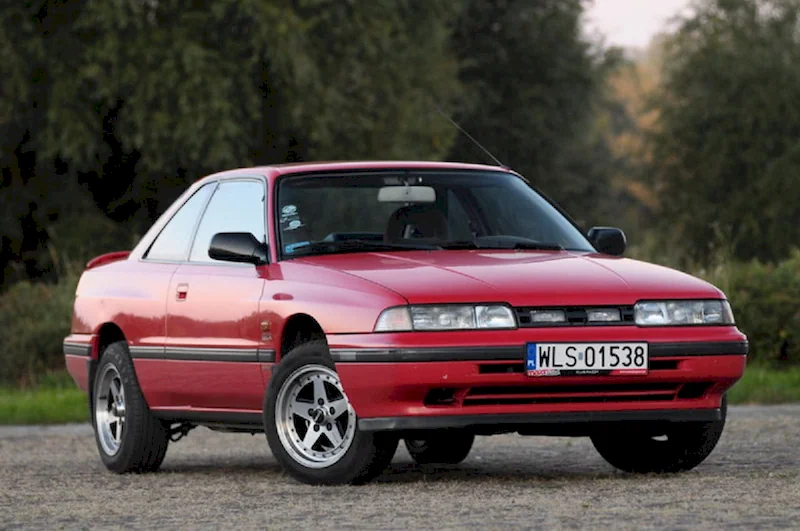
Mazda followed the trend in 1988, introducing 4WS on the MX-6 and the Mazda 626. The system made city driving easier and improved handling on winding roads. However, the technology proved expensive and was not widely embraced by insurers due to high repair costs, which limited its long-term adoption.
3. Peugeot 405 Turbo 16
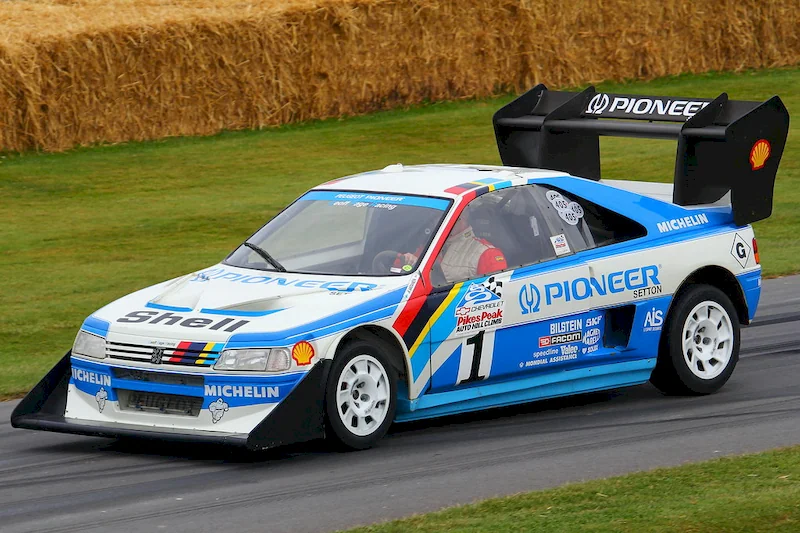
Four-wheel steering also found success in motorsports. The Peugeot 405 Turbo 16 used rear-wheel steering to enhance agility in competition. It famously debuted at the Pikes Peak International Hill Climb in 1988, where driver Ari Vatanen set a record time of 10 minutes and 47.77 seconds.
4. Chevrolet Silverado
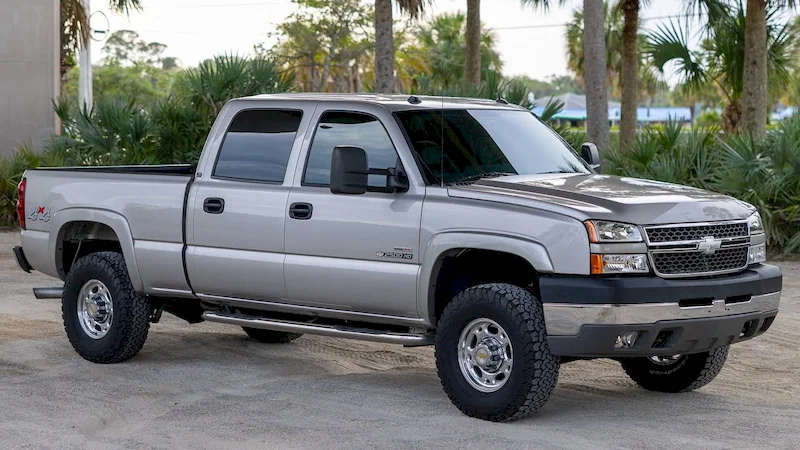
General Motors introduced the Quadrasteer system—developed by Delphi Automotive—on certain full-size trucks. It was offered as an option on models such as the Chevrolet Silverado and the Suburban 2500 for the 2002–2005 model years.
At low speeds, the system could turn the rear wheels up to 15 degrees in the opposite direction of the front wheels, reducing the turning radius by about 21%. Initially priced around $7,000, the option later dropped to roughly $1,000, but high cost limited widespread adoption.
5. BMW 7 Series

In the early 2000s, BMW introduced Integral Active Steering on the fourth-generation 7 Series (E65/E66). The system allowed the rear wheels to turn up to 3 degrees.
At speeds above about 30 mph (50 km/h), the rear wheels turned in the same direction as the front wheels, improving comfort and stability—especially during lane changes and braking.
6. Porsche 911 Turbo

By the 2010s, four-wheel steering became more common in premium vehicles. In 2013, Porsche made rear-axle steering standard on the 911 Turbo. The system improved both high-speed stability and low-speed maneuverability, making tight turns significantly easier.
7. Audi Q7
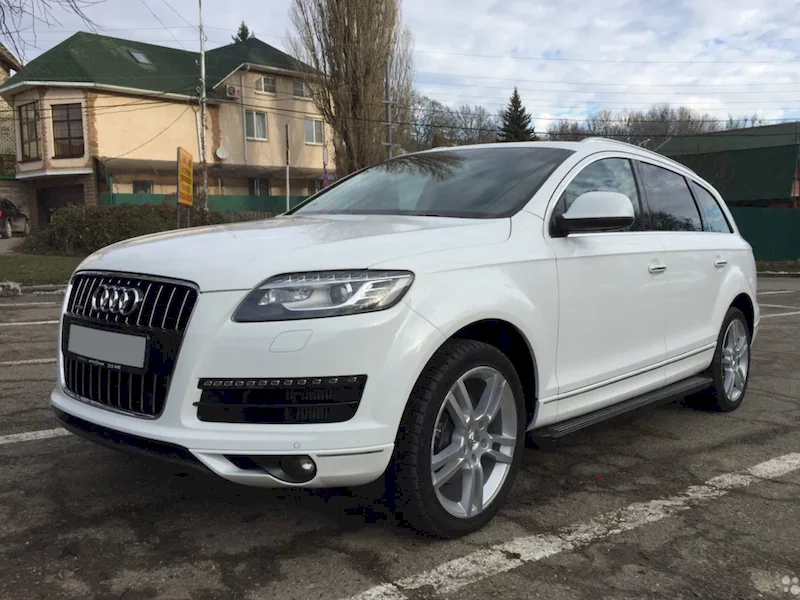
Audi offered optional four-wheel steering on the 2014 Q7. The rear wheels could turn up to 5 degrees, enhancing agility for a large SUV while maintaining stability at highway speeds.
8. Infiniti QX70
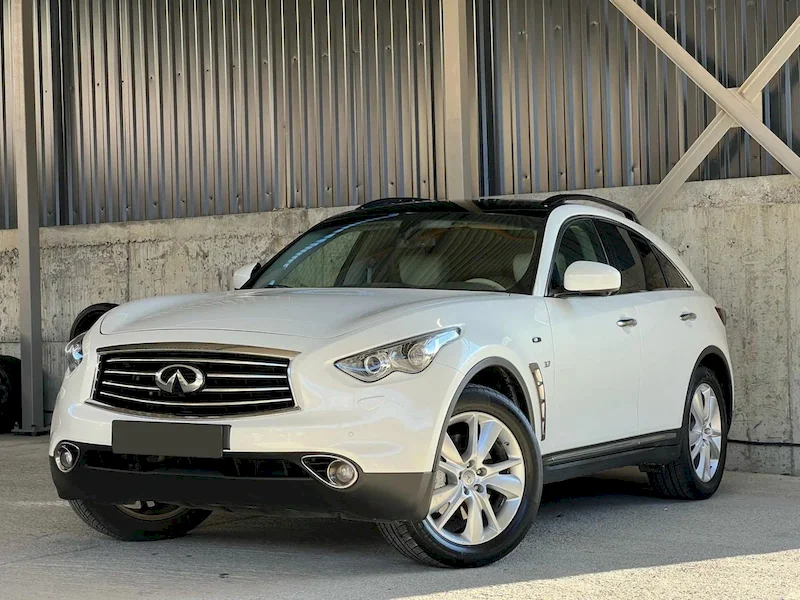
Japanese luxury brands also embraced advanced steering systems. The Infiniti QX70 and the Lexus GS (2014 model year) featured Variable Gear Ratio Steering (VGRS), delivering smooth and responsive handling.
9. GMC Hummer EV
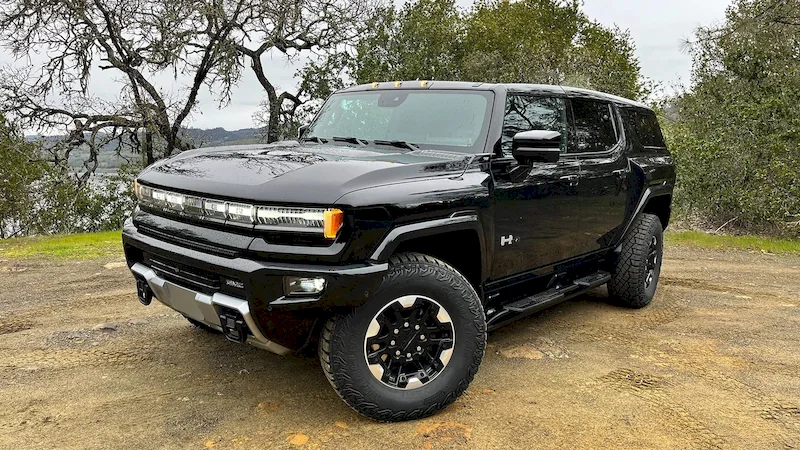
Off-road vehicles have also adopted four-wheel steering. The all-electric GMC Hummer EV, introduced in 2022, features rear-wheel steering for improved maneuverability. It also offers a unique “CrabWalk” mode, allowing all four wheels to turn in the same direction so the vehicle can move diagonally at low speeds.
10. Hyundai Mobion
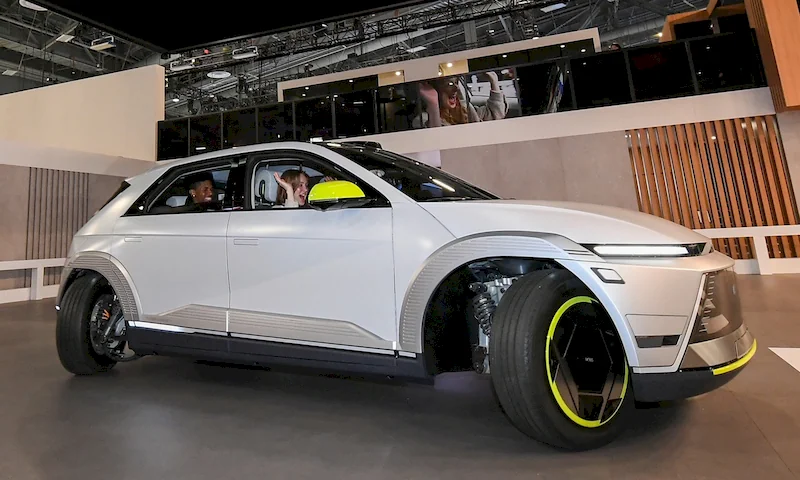
One of the most radical concepts comes from Hyundai Mobis. In 2024, the company unveiled the Mobion prototype featuring e-Corner technology. Unlike traditional systems, each wheel operates independently with steering angles up to 180 degrees.
This allows the vehicle not only to drive diagonally—like the Hummer EV’s CrabWalk—but also to move sideways and even rotate in place, similar to a tank.
You may also be interested in the news:
He Sold His House to Buy 20 Teslas—Then Sold 213 of Them in One Year
A car dealer admitted he briefly questioned his decision after betting his property money on a fleet of Teslas.

Dad's '57 Chevy Two-Door Wagon Gets First Wash in 30 Years, the Sight Makes Owner Burst Into Tears
A 1957 Chevrolet One-Fifty Handyman sat in a garage for 30 years before its owner’s children arranged a birthday rescue, bringing the classic wagon back to life.

Test Yourself: Toyota’s Famous “Oh, What a …” Slogan — Can You Finish It?
Can You Finish Toyota’s Most Famous Slogan? Millions of Americans Heard This One Growing Up
10 Rare Cars From Famous Brands You Probably Never Knew Existed
Some automakers built rare models that vanished into history, leaving collectors chasing them decades later.

He Bought Seven 2007 Chryslers in the Exact Same Color — Then People Started Asking Why
Every model is different, yet together they represent Chrysler’s entire 2007 lineup in one unusual collection.