
Tesla Cybercab Gets the Green Light as U.S. Regulators Approve Unique Charging System for Robotaxi
Tesla’s autonomous taxi project has just cleared a critical bureaucratic hurdle on the road to mass production.
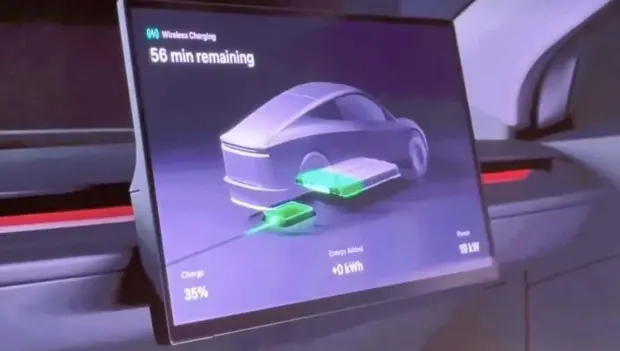
Elon Musk’s ambitious plan to launch a fully autonomous taxi has just overcome a major regulatory obstacle on its path to large-scale production.
On February 18, 2026, the Federal Communications Commission (FCC) officially granted Tesla, Inc. special approval to use Ultra-Wideband (UWB) technology to operate street-level wireless charging systems. The decision is crucial for the operation of the Cybercab — a futuristic robotaxi designed without a steering wheel, pedals, or even a traditional charging port.
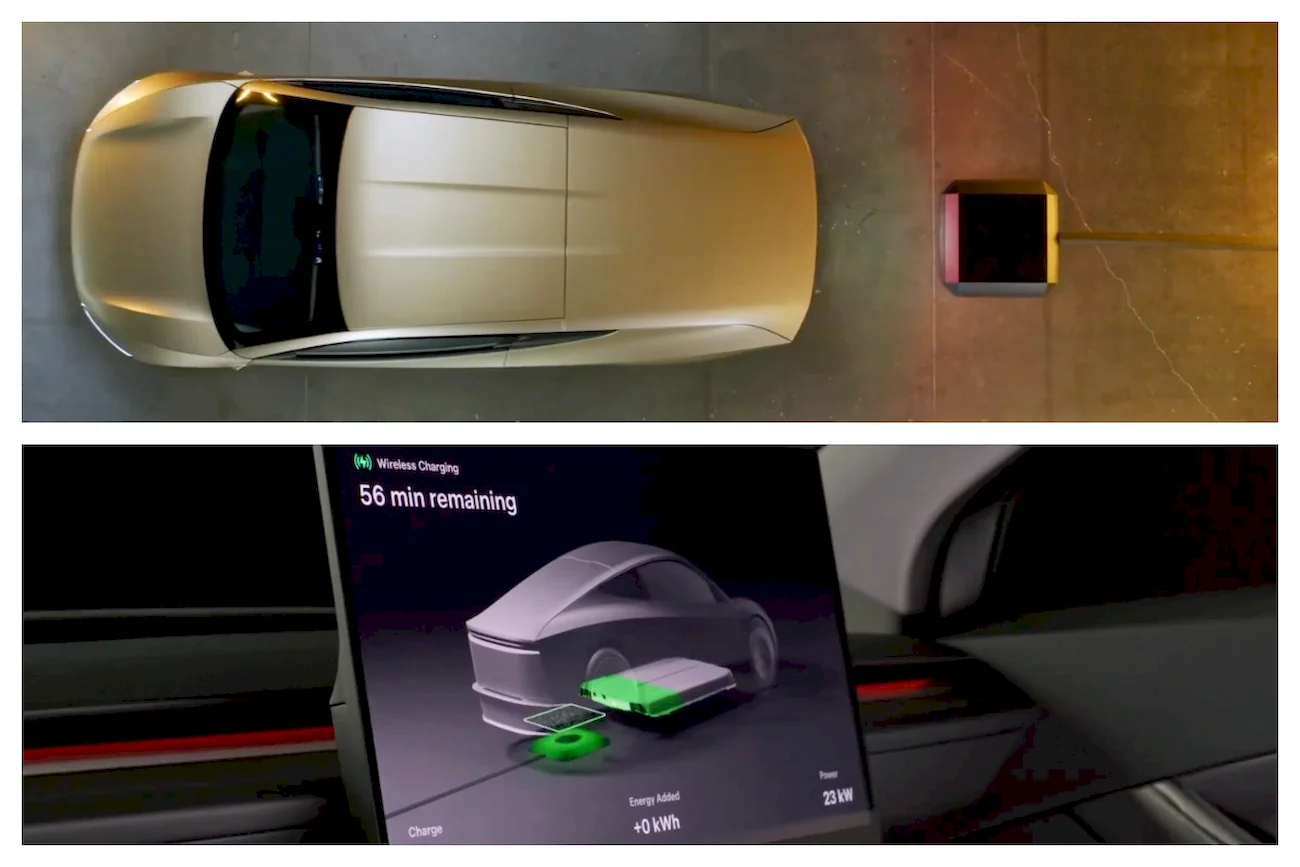
Previously, Tesla faced a legal barrier because existing FCC rules required devices using such radio chips to be portable, such as smartphones. Installing antennas on fixed outdoor structures was prohibited. For Musk’s autonomous fleet concept, however, that rule posed a major challenge: the ground-based charging pad must be permanently installed in a parking space to effectively “communicate” with the vehicle as it approaches. The commission ultimately accepted the engineers’ arguments, confirming that the system’s short-range signals would not interfere with other networks or astronomical observations.
The Cybercab’s positioning technology is designed to operate with extreme precision. As the vehicle approaches a charging station, it first establishes a low-energy Bluetooth connection. Only after that link is confirmed does a radar module activate, helping the car align perfectly over the induction platform. The entire scanning and alignment process takes less than 150 milliseconds, allowing energy transfer to begin almost instantly — without any human intervention.
Regulatory approval effectively lays the groundwork for a new Tesla ecosystem. The first two-seat Cybercab units have already begun rolling off the production line at Tesla’s Gigafactory in Texas.
You may also be interested in the news:
No Roads, No Map, No Car: The $50 Bet That Sent a Doctor Across America
In 1903, one doctor bet $50 he could drive from San Francisco to New York.
Stellantis Just Revealed Nine New Cars Under $40,000 — And Two Could Cost Less Than $30K
Stellantis plans nine cheaper vehicles as high prices leave American shoppers with fewer affordable new-car choices.
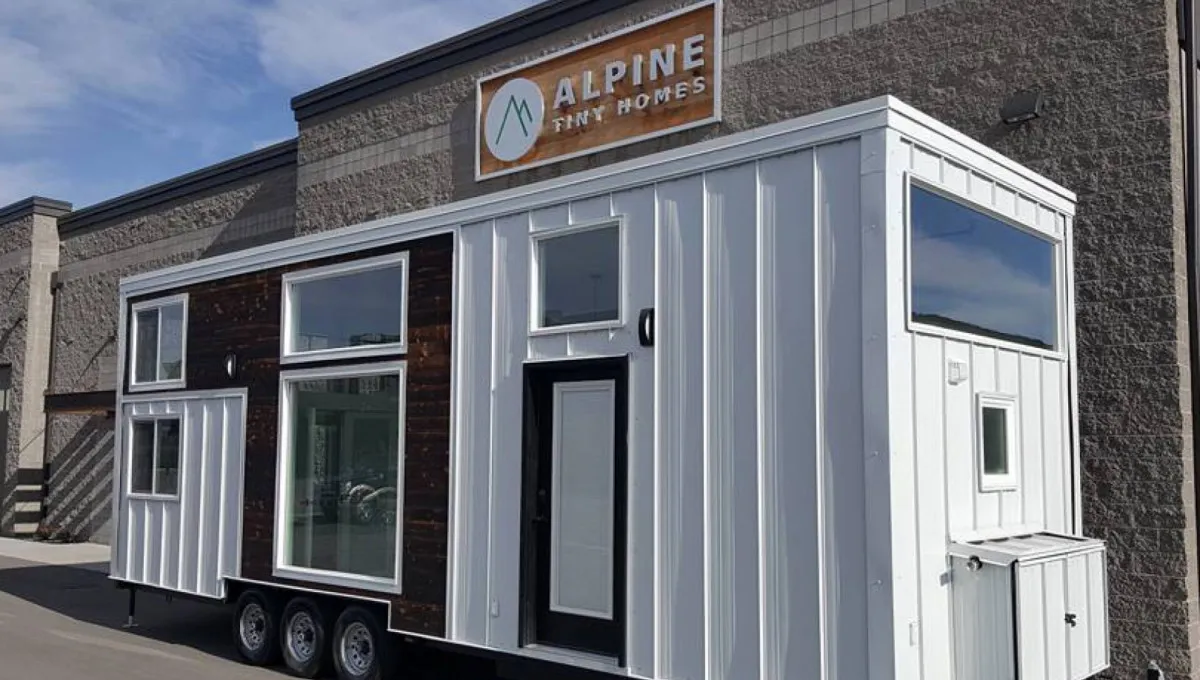
This Tiny Home on Wheels Sleeps 5 — And It's Far More Spacious Inside Than It Looks
A tiny home on wheels turns limited space into a surprisingly comfortable setup for family road trips.
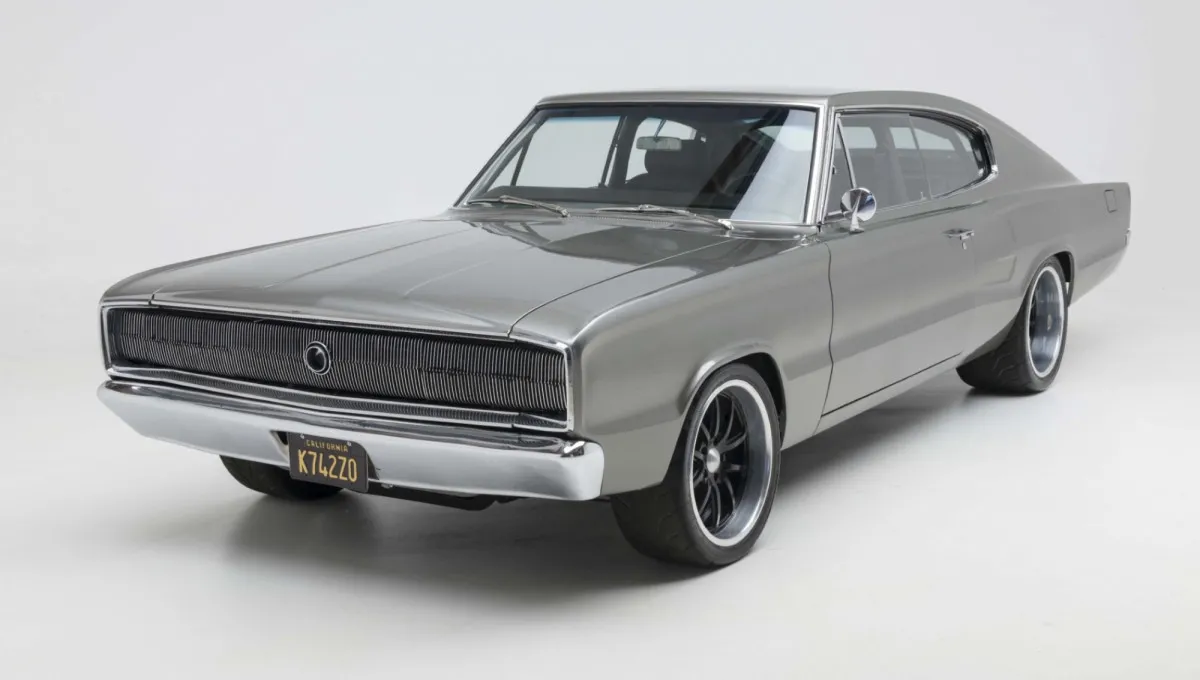
The “Leader of the Dodge Rebellion”: The 1966 Dodge Charger
The Dodge Charger has endured for 60 years, but its story began with an unlikely 1966 debut.
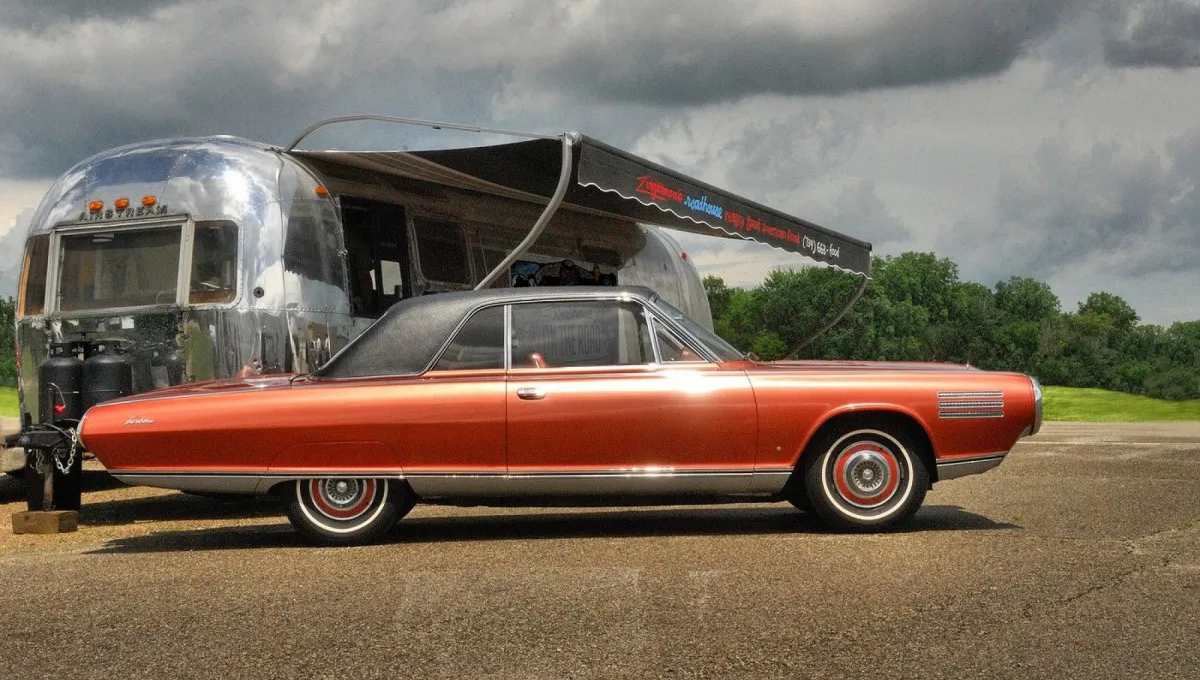
The Gas Turbine Chrysler Drove a Million Miles Across the U.S., Ran on Perfume, but Never Went Into Production
In late 1963, a strange new car hit American roads, turning heads with the unmistakable sound of a jet engine.