
“Please Be Patient, Student Driver”: Why These Stickers Are Starting to Annoy American Drivers
“Student Driver” stickers have become a widespread trend in America, but many experienced drivers now find them increasingly frustrating.
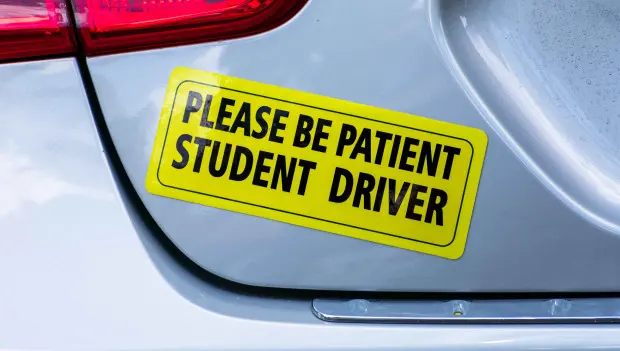
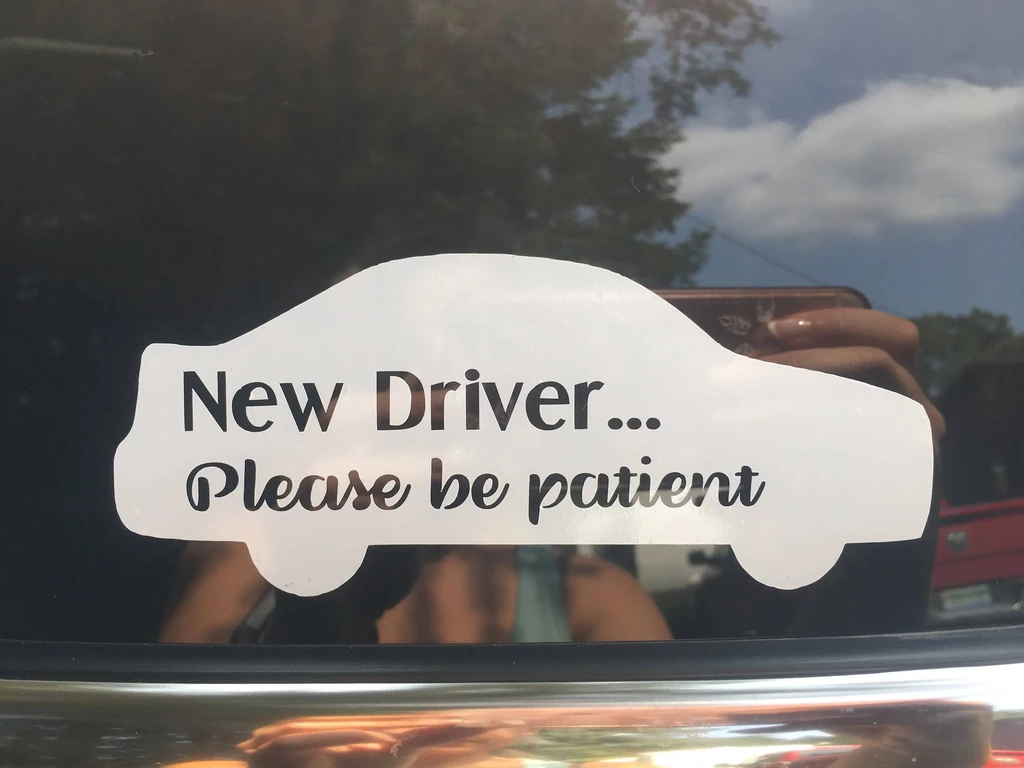
A decade ago, “Student Driver” stickers were mostly limited to driving school cars. Today, they’re everywhere across American roads — on Teslas, SUVs, pickup trucks, family sedans, and even luxury vehicles. Messages like “Please Be Patient, Student Driver” or “New Driver, Please Be Kind” have become so common that many drivers barely notice them anymore.
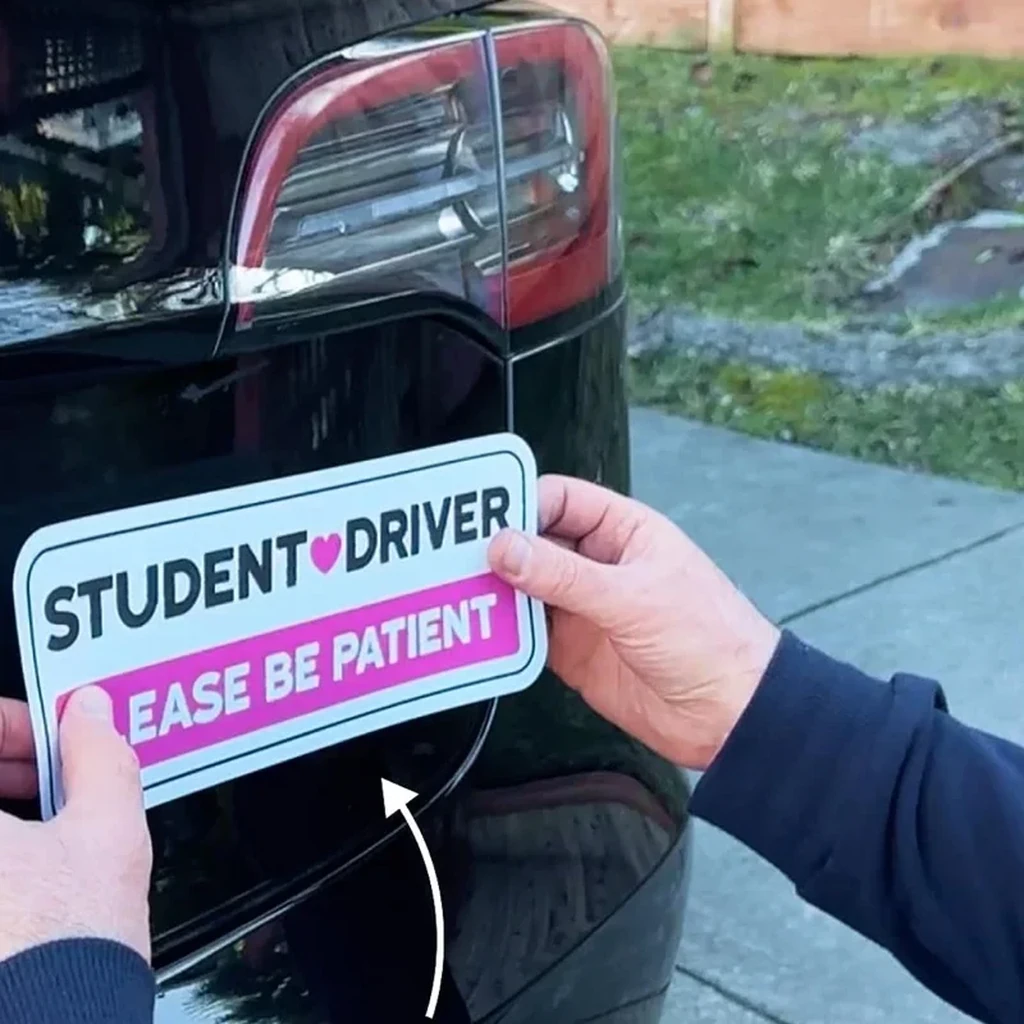
But increasingly, they’re also becoming a source of frustration.
As someone who has spent more than twenty years behind the wheel, I’ve watched plenty of automotive trends come and go. “Baby on Board,” “Don’t Tailgate Me,” “Protected by Smith & Wesson.” Most people either ignored them or found them mildly amusing. The explosion of “Student Driver” stickers, however, has sparked a different reaction entirely.
Across American forums, drivers regularly debate whether these stickers are helpful warnings or simply excuses for bad driving. On Reddit, automotive blogs, and regional driving communities, many motorists complain that the stickers often appear on vehicles driven by fully grown adults who don’t seem to be learning at all. Some drivers believe the message has evolved from a genuine warning into a request for unlimited patience regardless of how poorly someone drives.
That frustration usually starts in traffic.
Most experienced drivers can tolerate mistakes. Everyone was new once. What irritates people is unpredictability. A driver braking suddenly on an open road, hesitating through green lights, drifting between lanes, or merging at dangerously low speeds creates tension for everyone nearby. When a “Please Be Patient” sticker is attached to the back of that vehicle, some motorists feel like they’re being asked to excuse behavior that makes traffic less safe.
And in America’s increasingly aggressive driving culture, patience is already in short supply.
Traffic congestion has worsened in many cities, commute times are longer, and drivers are quicker to honk, tailgate, or cut each other off. In that environment, even small delays can trigger disproportionate anger. Some drivers admit online that seeing a “Student Driver” sticker immediately makes them anxious because they expect erratic behavior from the car ahead.
Ironically, the sticker often changes how people drive around the vehicle — but not always in a positive way.
Some motorists back off and give extra room, which is exactly what the sticker intends to encourage. Others, however, try to get away from the car as quickly as possible. They speed around it, avoid driving beside it, or become more impatient the moment they spot the magnet on a bumper.
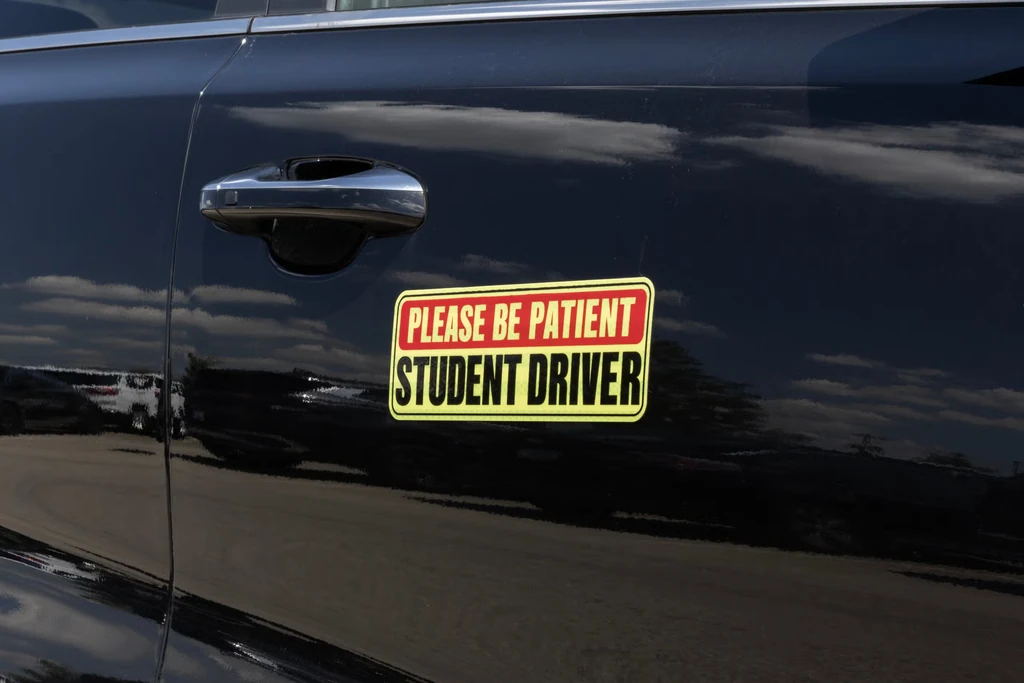
Part of the skepticism comes from how widely these stickers are sold online now. On marketplaces like Amazon and Etsy, “Student Driver” magnets are marketed not just to teenagers but to anxious adults, immigrant families, rideshare drivers, and anyone nervous about heavy traffic. Many buyers openly admit they hope the sticker will reduce road rage directed at them.
And to be fair, it probably does.
Most drivers are less likely to honk aggressively at a car they believe is being driven by a nervous teenager or a beginner practicing basic skills. The problem is that the message loses credibility when people leave the sticker on permanently. When drivers repeatedly encounter vehicles displaying “Student Driver” signs while driving confidently — or poorly — for years, many begin to view the sticker as manipulative rather than informative.
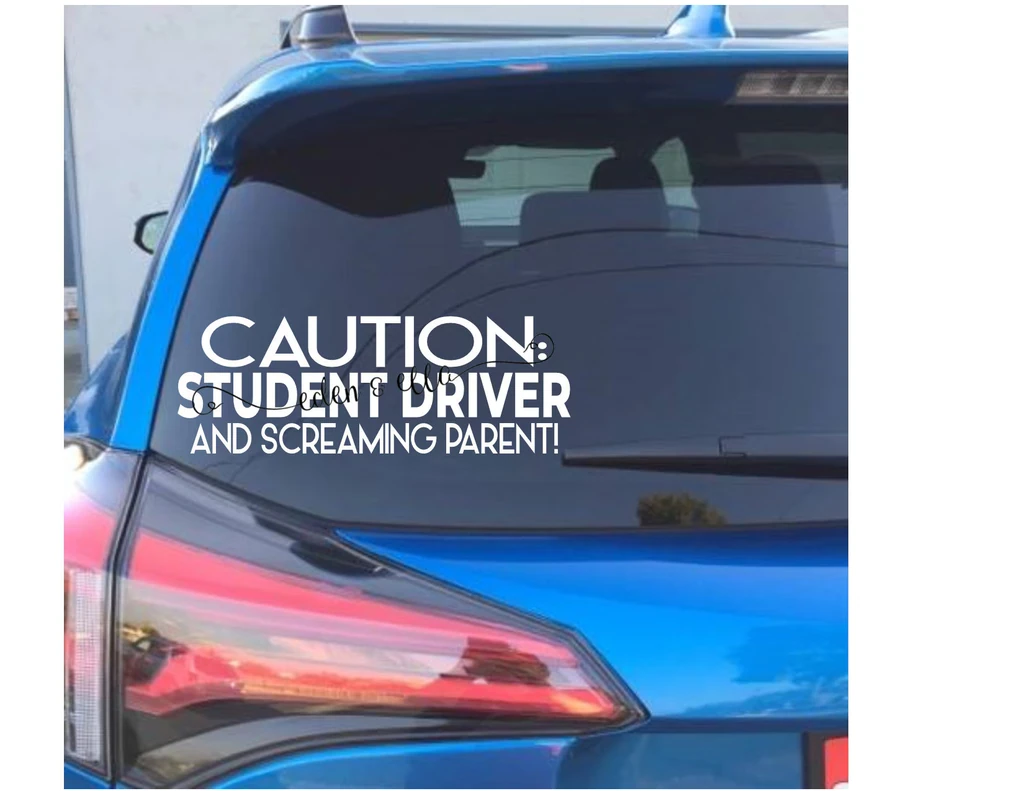
There’s also a cultural difference at play.
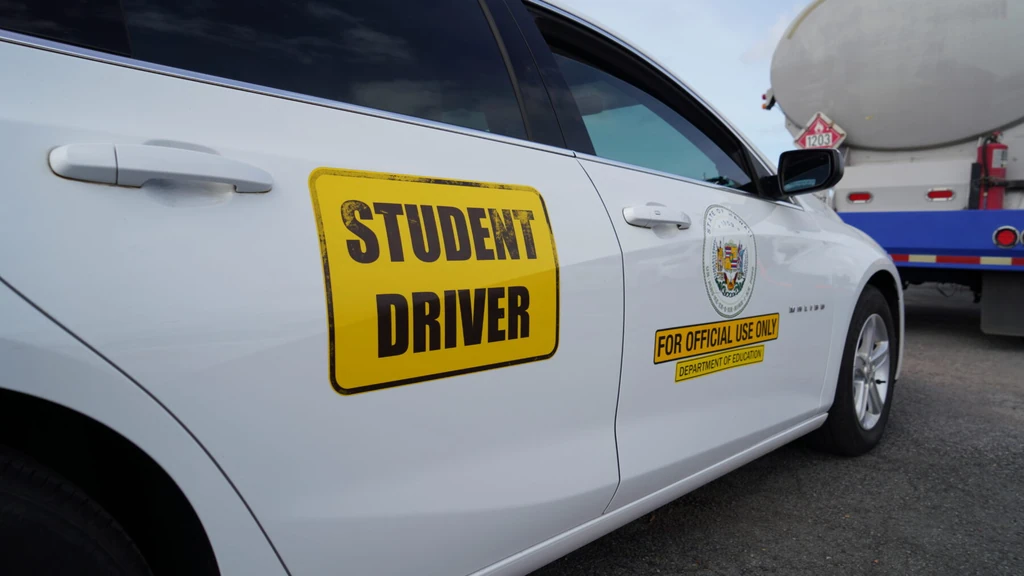
In some countries, learner-driver markings are standardized and legally recognized. Other motorists understand exactly what the symbol means and how they should react. In the United States, however, these stickers are largely unofficial. Anyone can buy one, stick it on a car, and remove it whenever they want. That lack of consistency makes some drivers question whether the warning is genuine at all.
Still, not everyone sees the trend negatively.
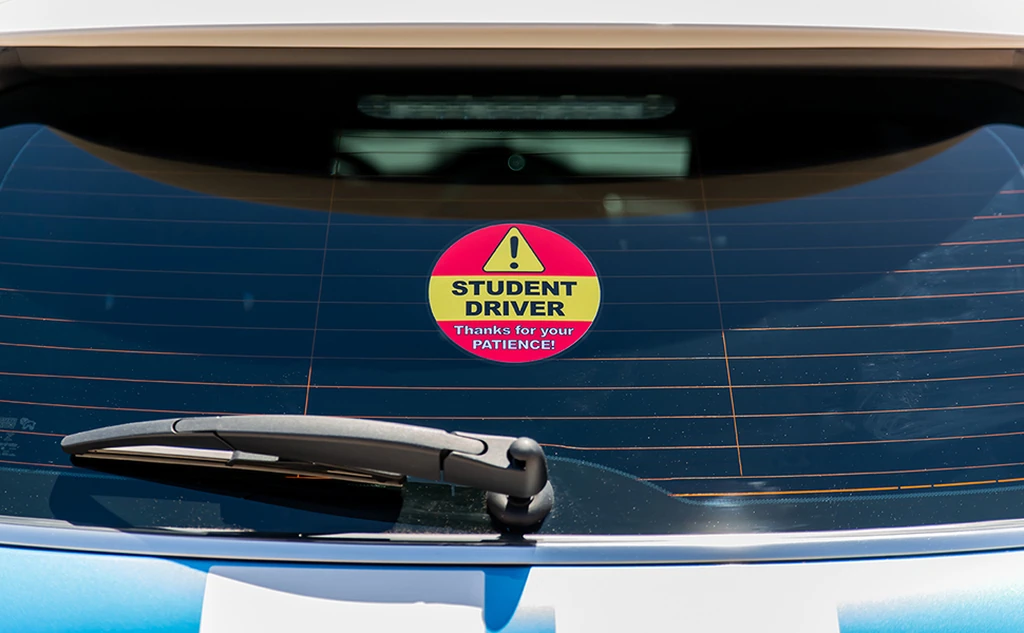
Defensive driving instructors often argue that the stickers serve an important psychological purpose. New drivers are already overwhelmed by modern traffic conditions, distracted drivers, giant SUVs, and high-speed interstates. If a simple magnet encourages surrounding drivers to give a beginner more space, that could reduce stress and even prevent accidents.
Personally, I understand both sides.
New drivers deserve patience. Nobody enters traffic with perfect instincts or confidence. But respect on the road doesn’t come from a bumper sticker alone. It comes from predictable driving, proper lane discipline, and awareness of the people around you.
Because in the end, most experienced drivers don’t mind helping beginners learn.
They just don’t want every bad driver on the highway claiming to be one forever.
You may also be interested in the news:
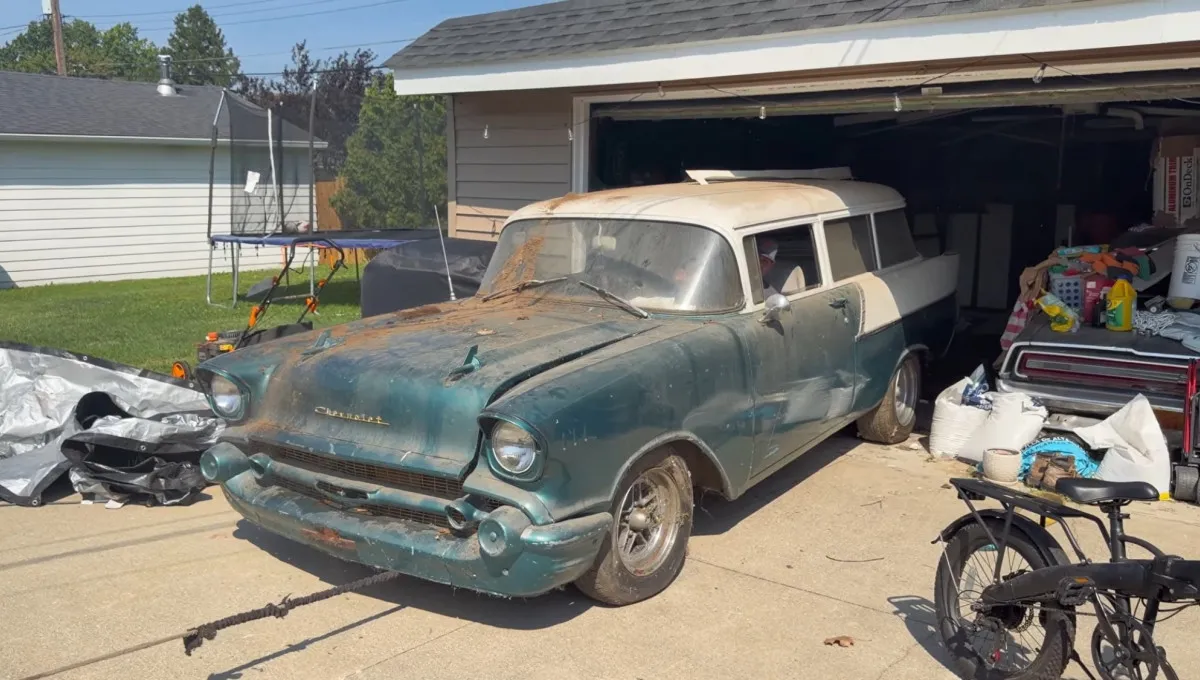
Dad's '57 Chevy Two-Door Wagon Gets First Wash in 30 Years, the Sight Makes Owner Burst Into Tears
A 1957 Chevrolet One-Fifty Handyman sat in a garage for 30 years before its owner’s children arranged a birthday rescue, bringing the classic wagon back to life.

This $403,740 Defender Looks Like a Painting — But the Biggest Surprise Is What’s Under the Hood
An Arkansas-based custom shop recently unveiled a re-engineered classic Land Rover Defender 110 called Vermeer.
Test Yourself: Toyota’s Famous “Oh, What a …” Slogan — Can You Finish It?
Can You Finish Toyota’s Most Famous Slogan? Millions of Americans Heard This One Growing Up
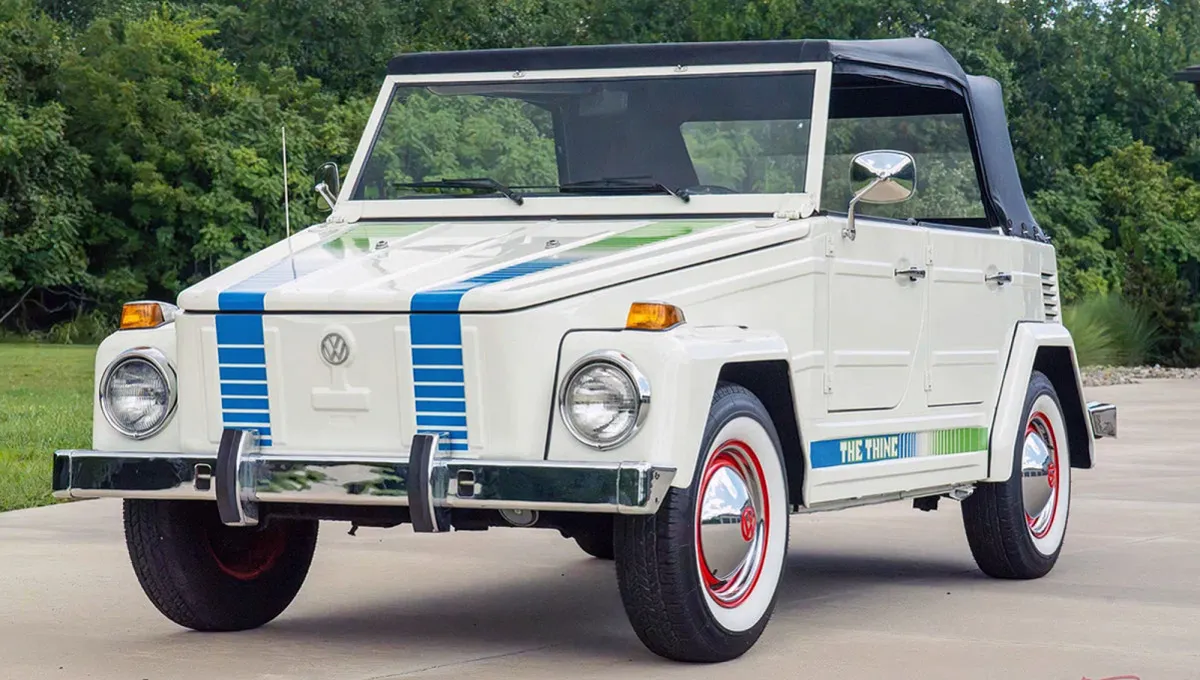
This Weird 1973 Volkswagen Has No Reserve—and It Could Sell for Thousands
A rare 1973 Volkswagen Thing will cross the auction block in the U.S. later this month with no reserve.
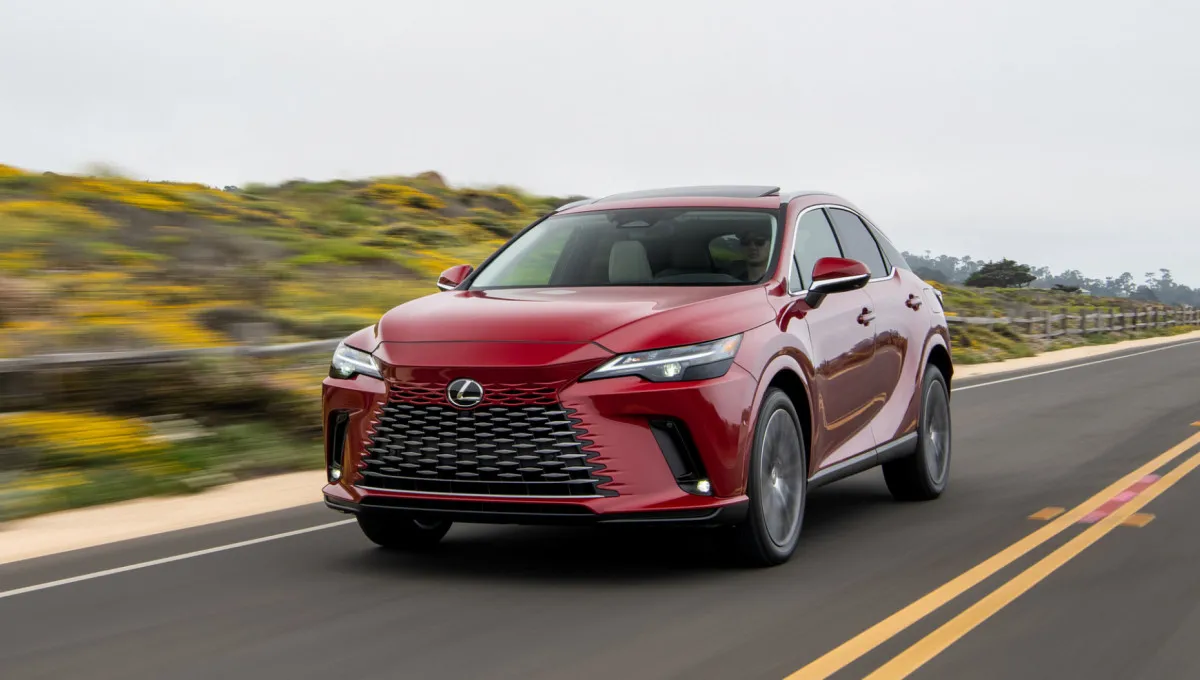
The 2027 Lexus RX Just Got Nearly $2,700 More Expensive—Here’s What Actually Changed
Lexus reshapes the 2027 RX lineup, dropping base trims and raising the crossover’s entry price.