
Helpful for Many Drivers: Mechanic Explains What Really Causes Sway Bar Links to Fail
Sway bar links are among the most common suspension components to wear out — but not everyone understands why they fail or how long they’re supposed to last.
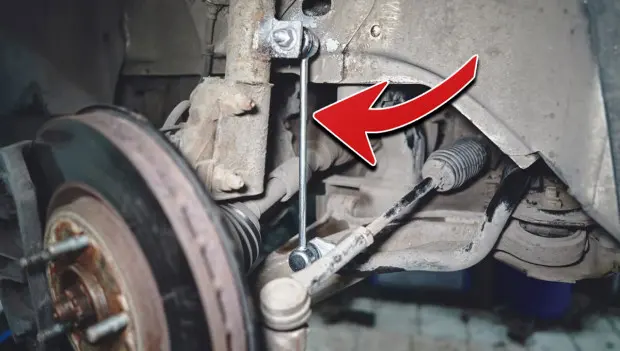
It’s no secret that a modern vehicle’s suspension system is a complex assembly made up of many interconnected components. When one of those parts fails, it typically makes itself known with a distinctive noise while driving. One of the most commonly replaced suspension parts is the sway bar link — yet many drivers don’t fully understand what causes these parts to wear out or what their true service life looks like.
Sway bar links are an integral part of the front — and sometimes rear — independent suspension. They play a critical role in vehicle stability, particularly during sharp lane changes and cornering. The links help reduce body roll and prevent excessive vehicle sway when driving over uneven pavement. When functioning properly, they operate smoothly and quietly. But once the ball joints inside the links begin to wear out, drivers often hear a sharp metallic clunk.
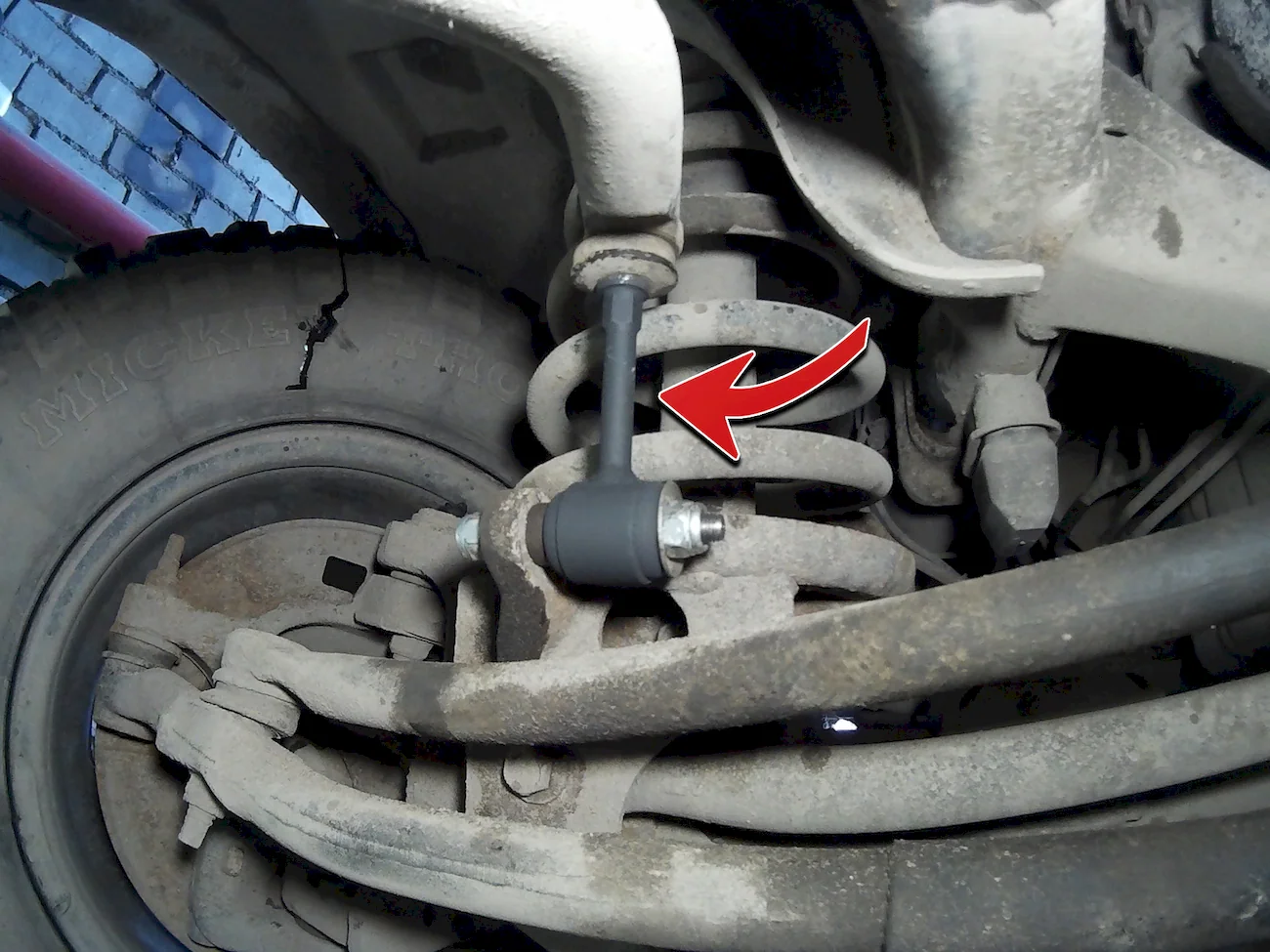
That noise usually becomes noticeable when driving over bumps or potholes. In most cases, sway bar links are damaged when a vehicle hits potholes at speed, without reducing the load on the suspension. These components are among the first to absorb the impact, and repeated stress gradually destroys the joints. Ideally, drivers should have their suspension inspected at every routine service appointment to catch early signs of wear.
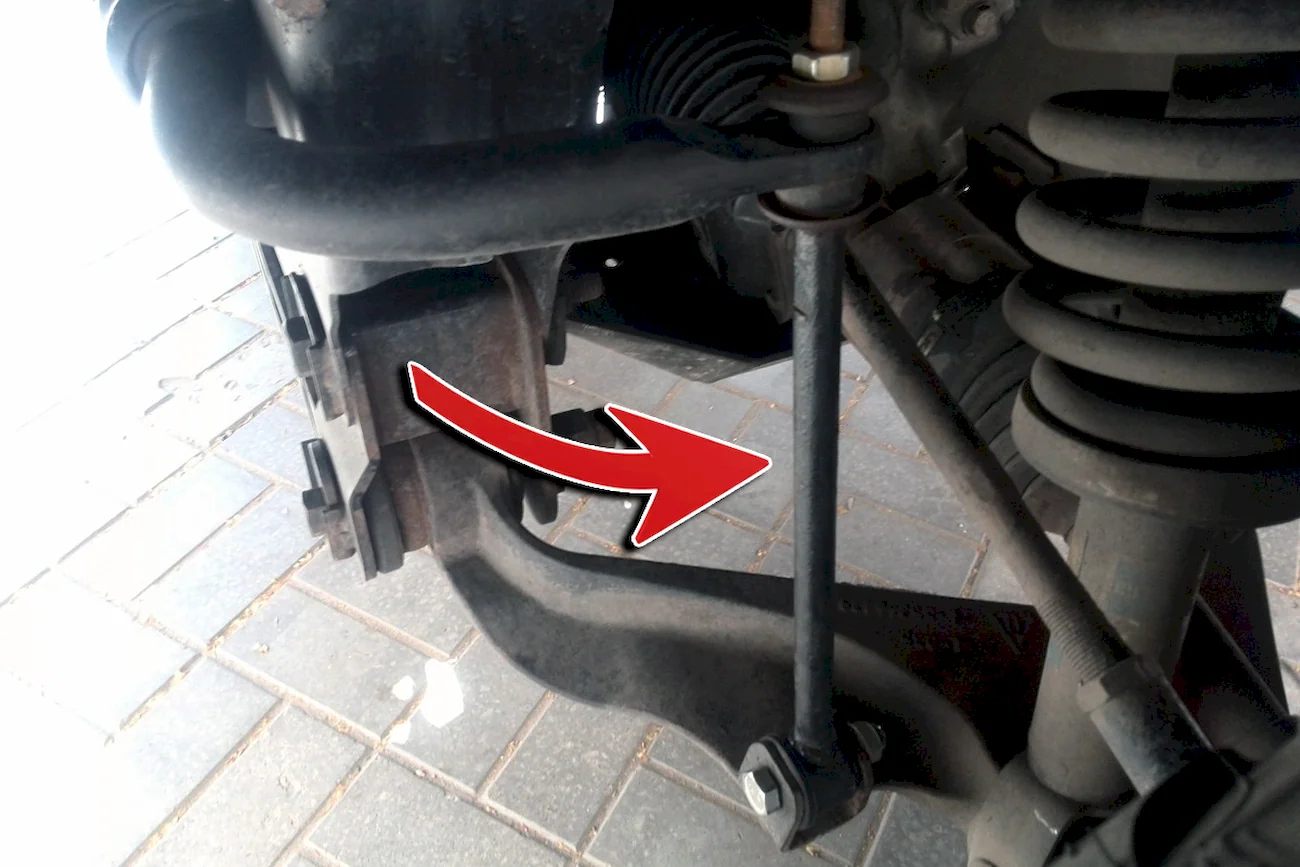
Failing sway bar links don’t just affect ride comfort — they also increase stress on other suspension components, accelerating overall wear. As noted, the clearest sign of failure is a metallic knocking sound when driving over uneven surfaces.
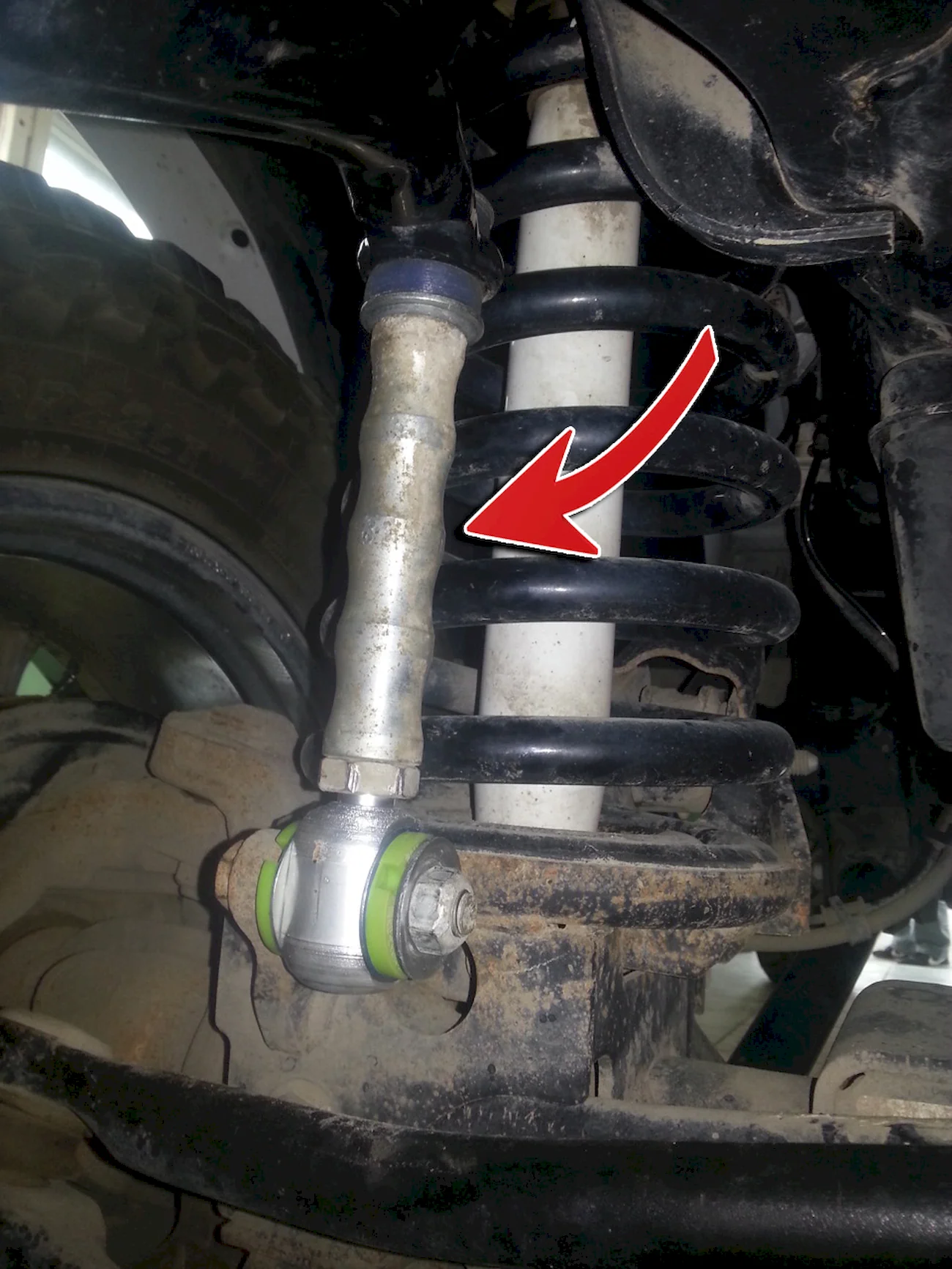
As for lifespan, it largely depends on driving style and road conditions. On average, sway bar links last between 12,000 and 37,000 miles. In some cases, they can last significantly longer; in others, they may need replacement after as little as 6,000 to 9,000 miles. It’s highly individual and closely tied to how and where the vehicle is driven.
The good news is that sway bar links are not among the most expensive suspension components. In many cases, mechanically inclined owners can replace them on their own by turning the steering wheel to one side and lifting the vehicle with a jack. Often, the wheel doesn’t even need to be removed. The job typically requires just two box-end wrenches or a ratchet and socket set.
You may also be interested in the news:
Your Engine Could Be Warning You: 6 Problems That Can Make a Car Run Rough
Engine problems rarely happen without a reason, and six common issues can cause a car to run poorly.
Changing Your Car’s Filters: How to Do Basic Maintenance Yourself Without Damaging the Engine
Changing the oil, engine air filter and cabin air filter yourself can save money, but small mistakes can cause expensive problems.
That Stuff in Your Trunk Is Costing You More Than You Think—Here’s What to Take Out
Carrying unnecessary cargo can quietly increase fuel use, accelerate wear and create an avoidable safety hazard for drivers and passengers.
Your Headlights Are Fogging Up for a Reason: 4 Causes and 5 Steps to Fix Them
Foggy headlights are not always a sign of damage, but persistent condensation can point to a problem that needs attention.
Why Is Your Car’s Suspension Making a Knocking Noise? 5 Symptoms Every Driver Should Know
Five common suspension noises can point to specific problems, helping drivers narrow the cause before inspection.