
Japanese Engines That Can Easily Run 300,000 Miles Without Major Repairs
Modern engines are incredibly complex, but several Japanese designs have built a reputation for durability that allows them to run hundreds of thousands of miles.
Modern engines are technically very complex. Electrification, turbocharging, and other technologies designed to reduce fuel consumption and improve emissions often make them more sensitive to failures, sometimes even at relatively low mileage. That’s not always the case with several engines developed in Japan—both older designs and some newer ones—that have earned a reputation for exceptional durability.
Automotive website Auto30.com, citing research from well-known global automotive analysts, compiled a list of five Japanese engines capable of reaching the 300,000-mile mark—or even going beyond it—without needing a major rebuild.
One of the most famous examples is the Toyota 2UZ‑FE engine.
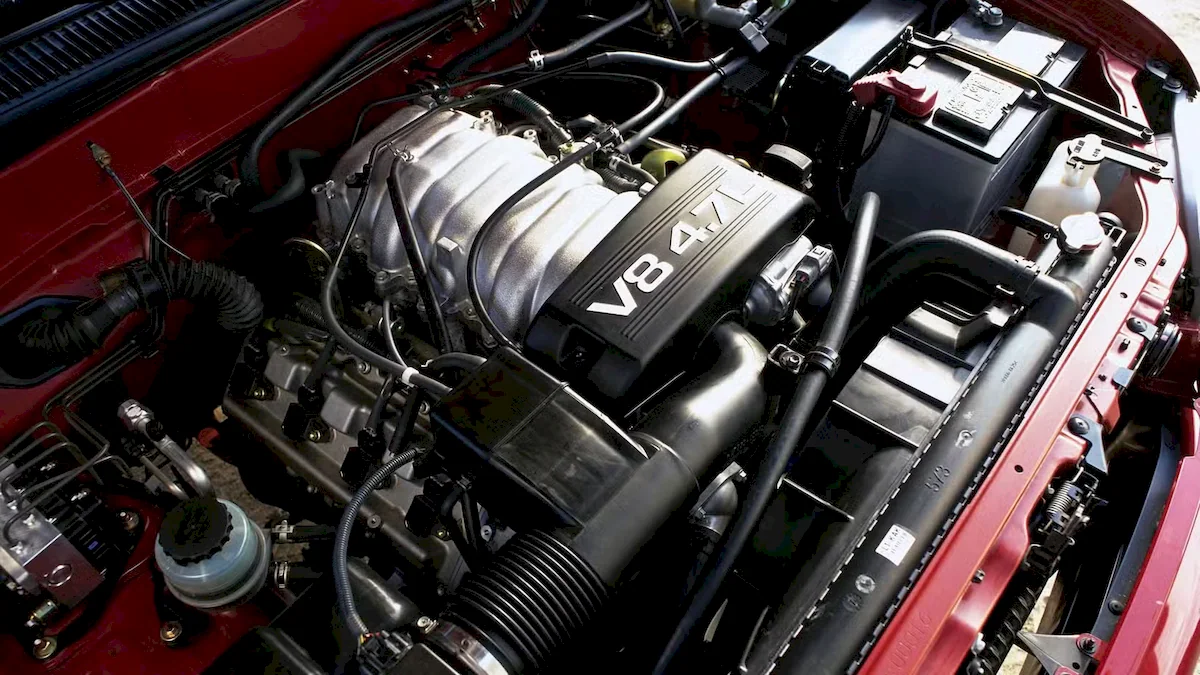
This extremely durable V8 became something of a legend and was used in popular models like the Toyota Land Cruiser, Toyota Sequoia, Toyota Tundra, and the Lexus GX.
Thanks to its cast-iron cylinder block, the engine was fairly heavy but incredibly strong. It also produced relatively modest power for its displacement, which meant internal components were rarely pushed to their limits. That combination allowed many of these engines to rack up massive mileage with minimal risk of serious failure.
Another standout is the Honda K‑Series engine family, including the well-known K20 and K24 units.
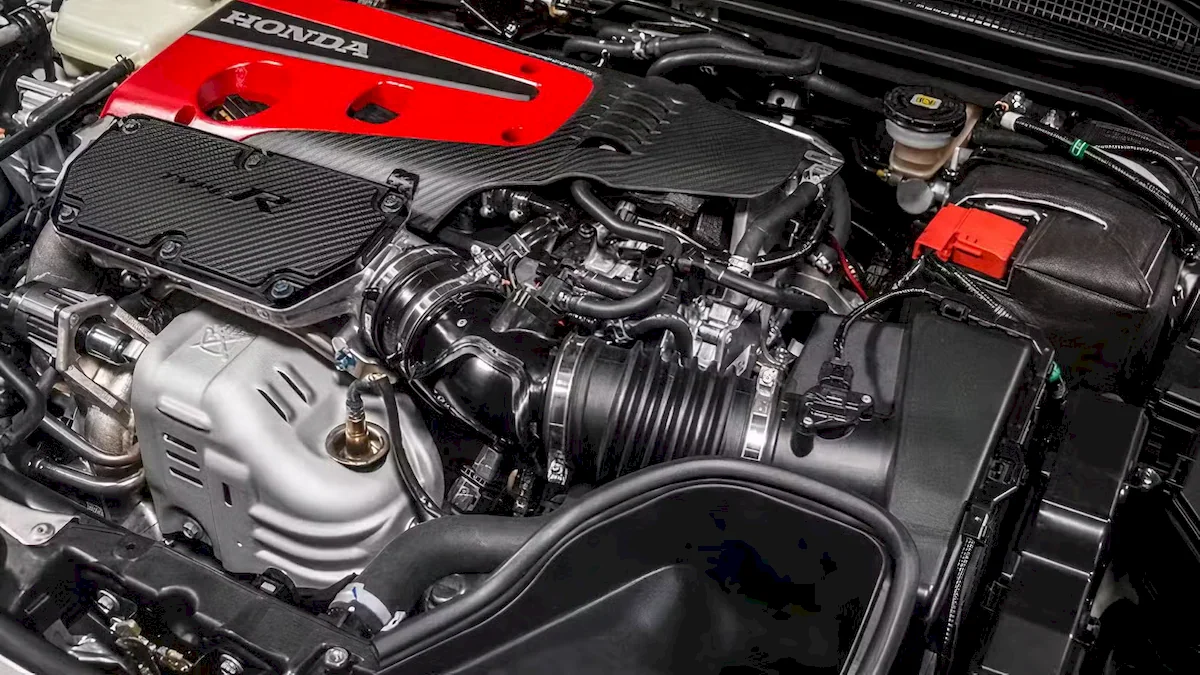
These engines are often praised for striking an ideal balance between simplicity, efficiency, and long-term durability. They use a timing chain instead of a belt and feature well-designed oil channels, both of which help extend service life.
Because of that engineering approach, many of these engines have been known to run reliably for decades. Owners frequently report extremely high mileage without ever needing a full engine rebuild.
Next on the list is the Toyota 1GR‑FE engine, a V6 built around conservative and proven engineering solutions.
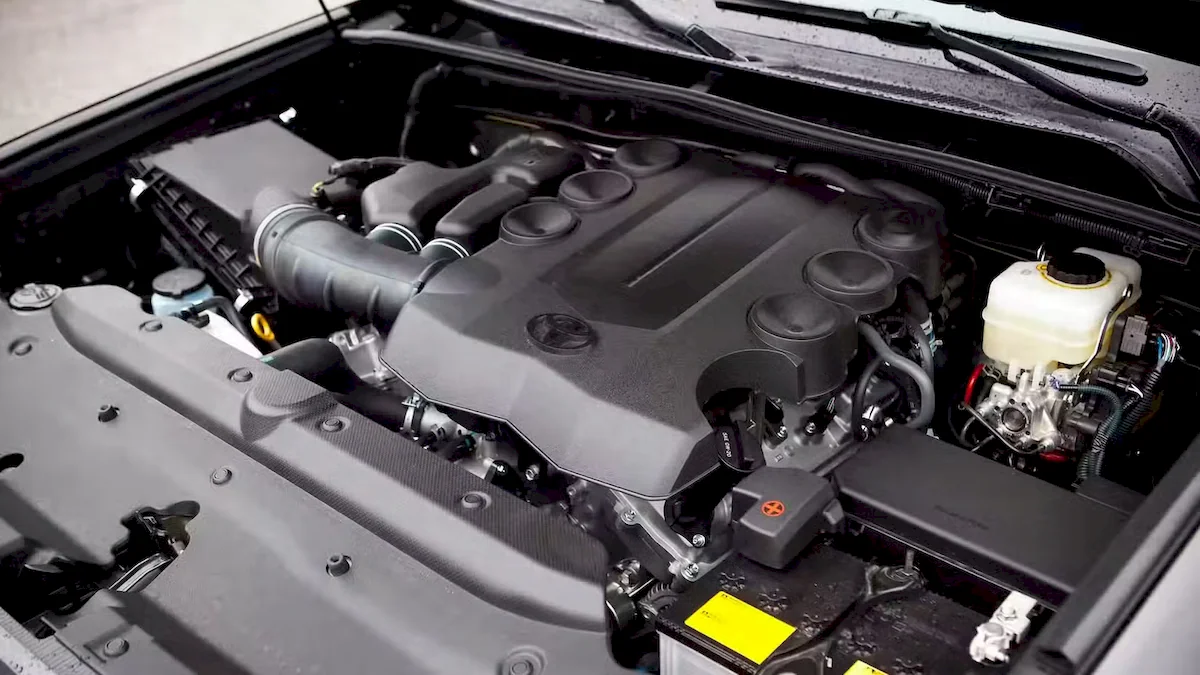
Its long life largely comes down to durable internal components and a cooling system designed to handle heavy workloads over long periods of time. With proper maintenance, engines in this family have been known to keep running for hundreds of thousands of miles.
Another famous Japanese powerplant is the Nissan VQ engine family.
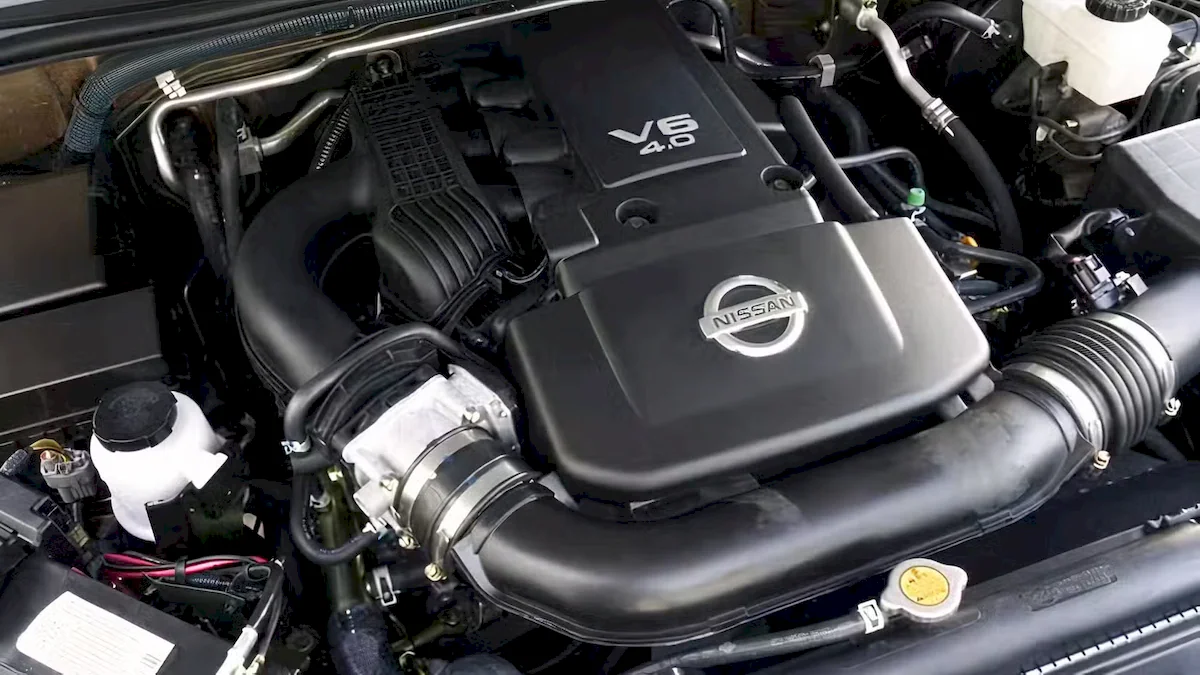
This engine series became one of the most recognizable designs from Nissan and stood out as a rare example of a motor that successfully combined strong performance with impressive reliability.
For years, the automotive publication WardsAuto included VQ engines on its annual “10 Best Engines” lists, citing both their power output and their long-term durability. Some vehicles from Nissan and Infiniti equipped with VQ engines have reportedly surpassed 250,000 miles without major mechanical problems—something many similarly powerful competitors struggle to achieve.
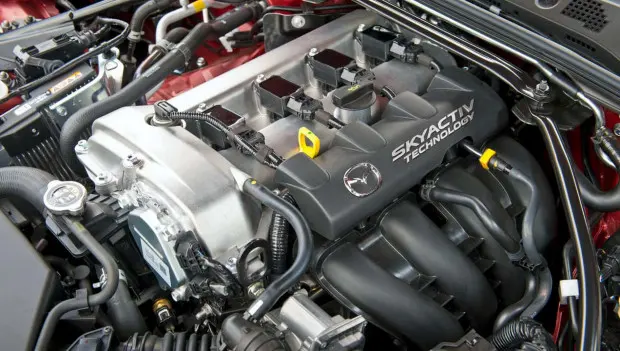
Finally, there’s the Mazda Skyactiv‑G engine family.
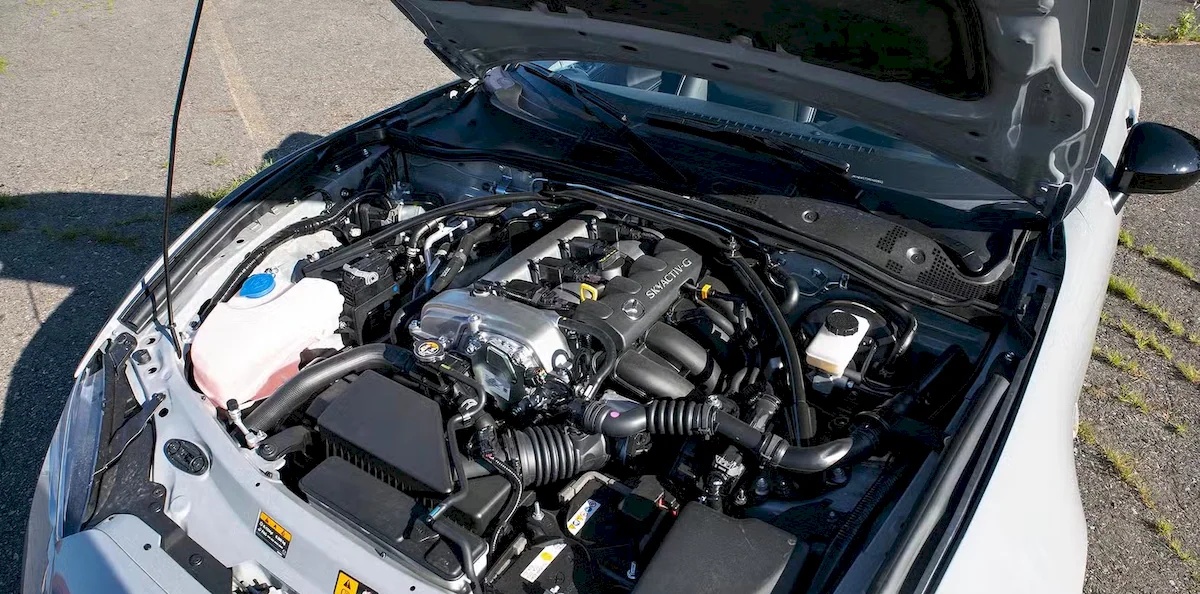
When these engines first debuted, some critics believed their advanced design might make them overly complex and potentially unreliable. However, more than a decade of real-world use has largely dispelled those concerns.
Many vehicles from Mazda—including the popular Mazda CX‑5—have logged extremely high mileage with Skyactiv-G engines. Reports of early engine failures are surprisingly rare, and plenty of owners have already pushed these engines well past the 200,000-mile mark.
You may also be interested in the news:
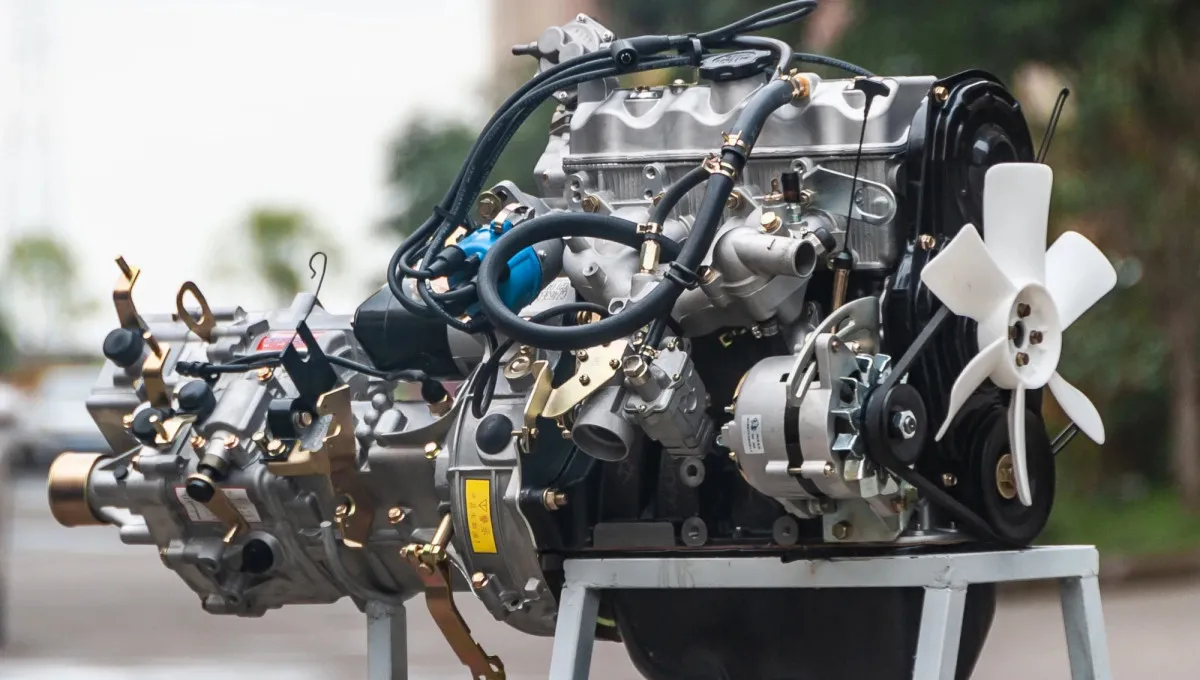
“Are You Sure It’s Chinese?” Who Really Builds China’s Car Engines
Who Really Develops China’s Car Engines?
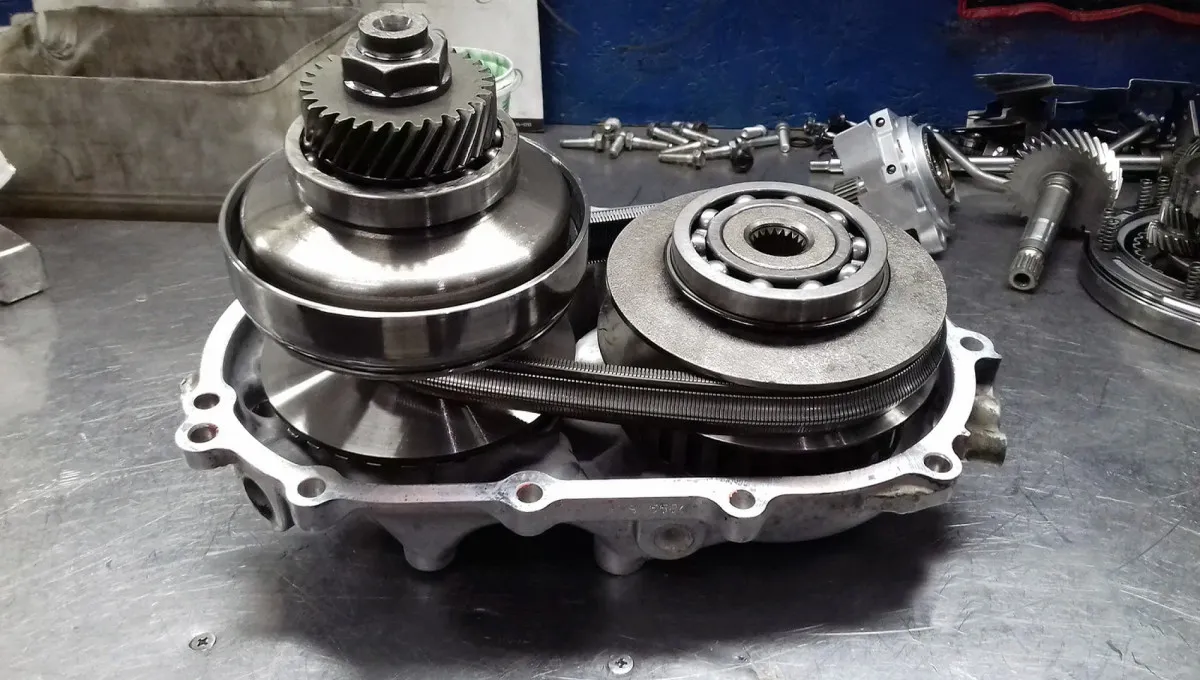
Why Experienced Drivers Still Warn Against Buying a Used Car With a CVT
CVTs offer smooth acceleration and good fuel economy, but expensive repairs and durability concerns make used models risky.

8 Car Maintenance Mistakes That Could Cost You Thousands if You Wait Too Long
Depending on driving conditions, some maintenance tasks may need to be performed sooner and more often than the automaker recommends.
Chrysler's Aluminum Slant 6 Engine: The Lightweight Experiment of 1961–1963
Chrysler built more than 50,000 cars with an aluminum-block Slant 6 before production challenges brought the project to an end.
Chrysler’s Hemi Was Too Expensive to Build. Its 1958 Plan B Became a V8 Legend
After its famous Hemi V8s, Chrysler took a new direction in 1958 with a simpler, more affordable engine.