
Legendary Gasoline Engines That Earned Their Reputation for Reliability
Today’s engines deliver impressive technology and efficiency, but few can match the long-term durability of the powerplants built decades ago.
Automakers today love to highlight cutting-edge engine technology, fuel efficiency, and lower emissions. What rarely gets the same attention is durability. While modern engines are more advanced than ever, many enthusiasts argue they simply don't last as long as some of the legendary powerplants produced in the 1980s, 1990s, and early 2000s. Here are five gasoline engines that built a reputation for reliability and longevity.
Toyota 3S-FE
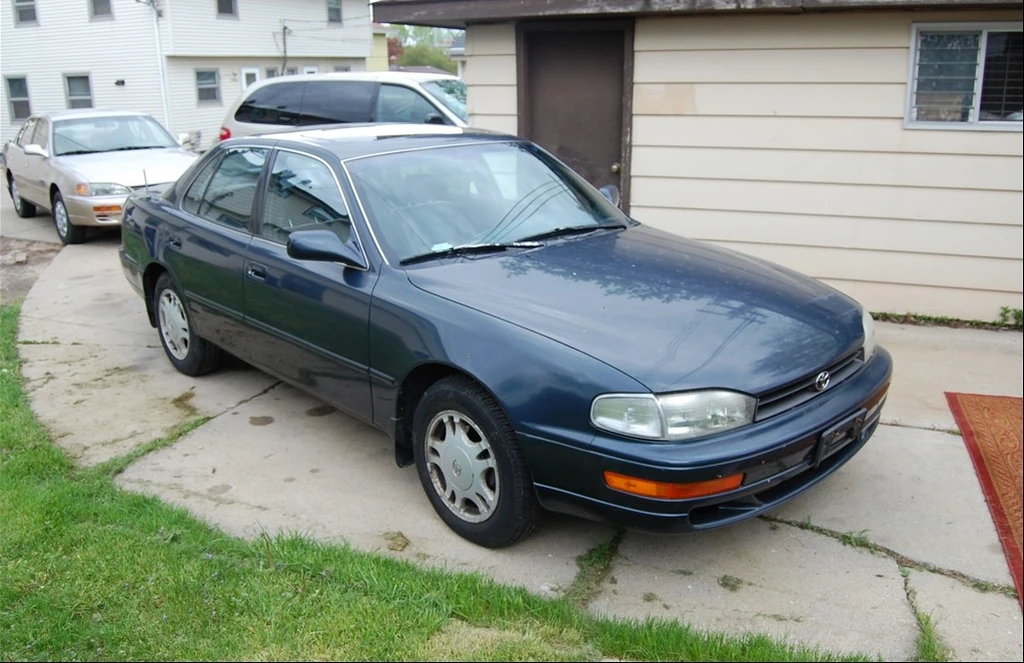
Kicking off the list is one of Toyota’s most respected engines. The 3S-FE was the workhorse of the company's S-series engine family, produced from 1986 through 2000 and installed in a wide range of Toyota models worldwide.
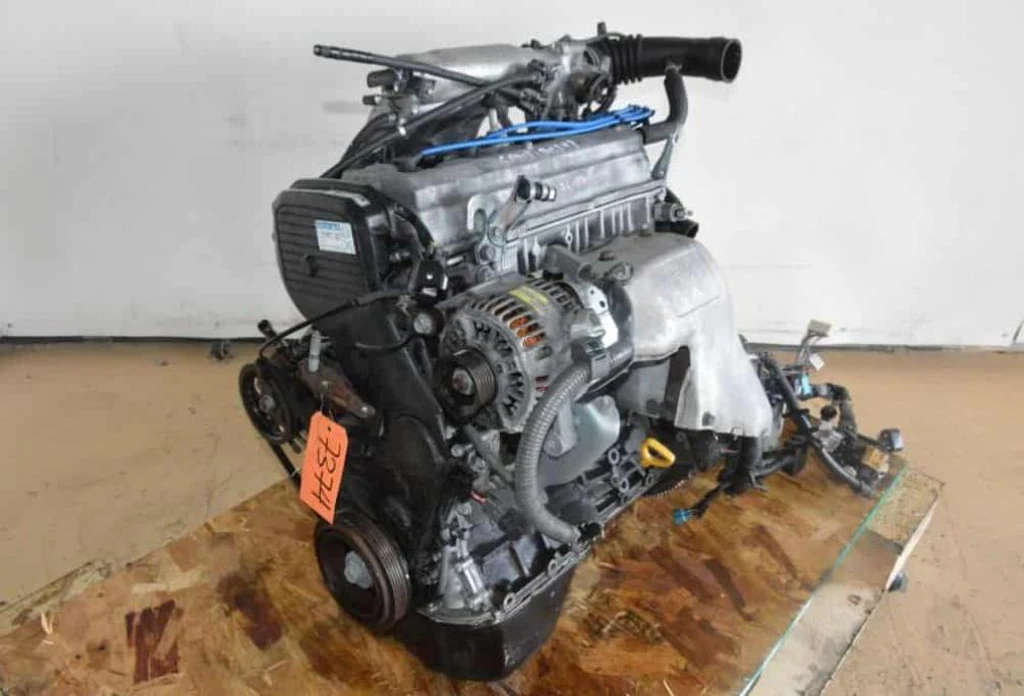
This naturally aspirated 2.0-liter inline-four produced between 115 and 130 horsepower. Known for its simple design and robust construction, the 3S-FE can often exceed 310,000 miles without requiring a major rebuild. Routine oil changes and timing belt replacement roughly every 60,000 miles are usually all it needs to keep running for the long haul.
Opel C20NE / X20SE
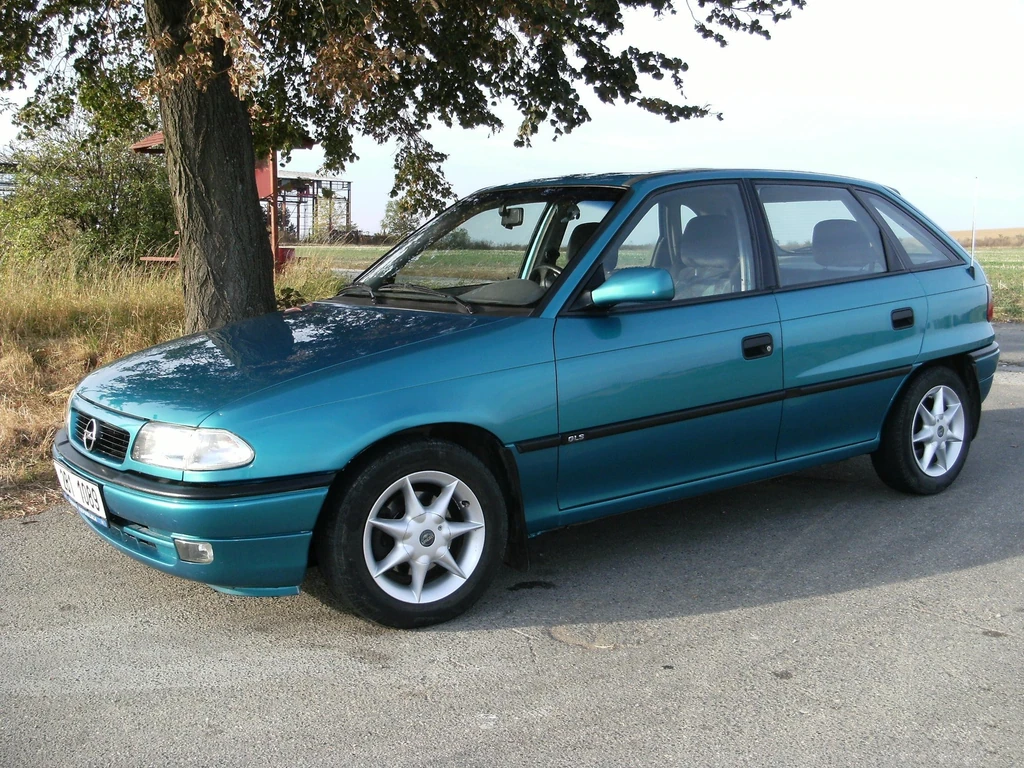
The C20NE and X20SE engines are prime examples of straightforward engineering done right. Built between 1987 and 1999, these 2.0-liter engines powered numerous Opel models, including the Astra F, Calibra, Frontera, and Kadett.
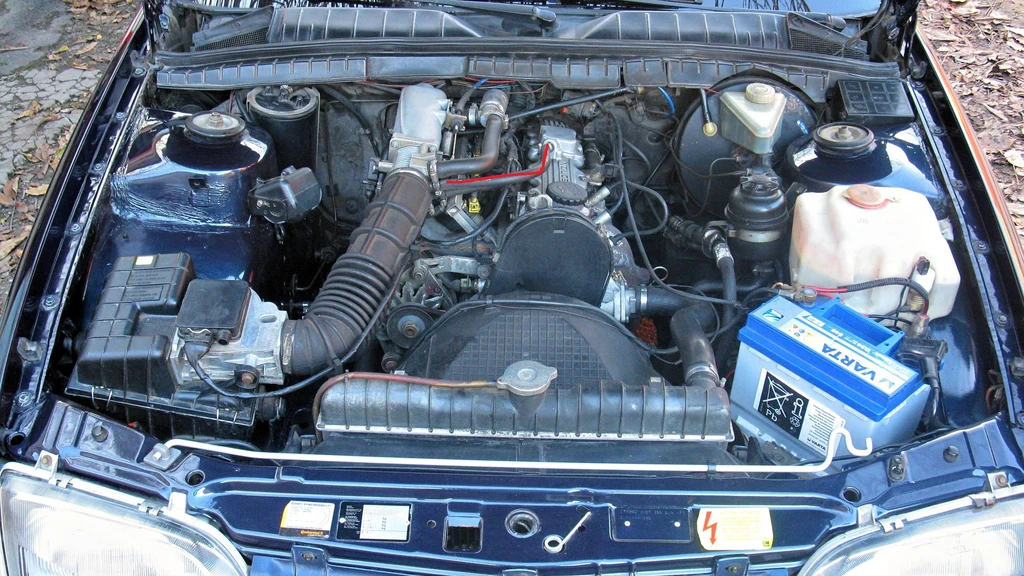
Available in both 8-valve and 16-valve configurations with multi-point fuel injection, output ranged from 114 to 130 horsepower. Owners frequently reported these engines reaching more than 310,000 miles before requiring major internal work.
Honda D-Series
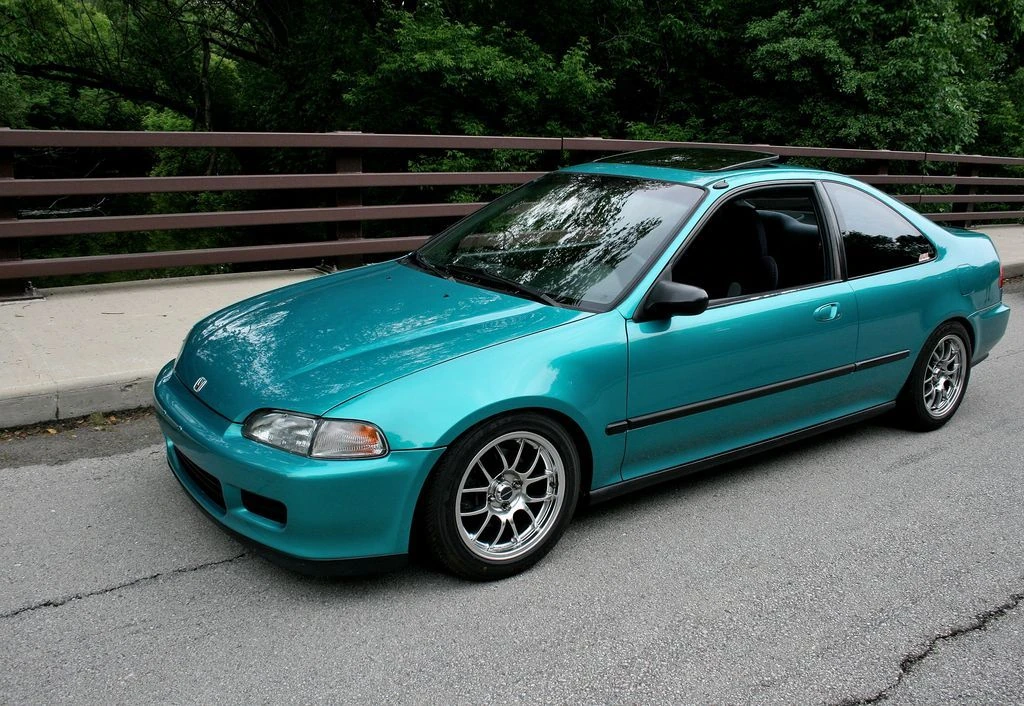
Honda's D-series family includes more than a dozen variants ranging from 1.2 to 1.7 liters. Produced from 1984 through 2005, these engines found their way into popular models such as the Civic, HR-V, Accord, and others.
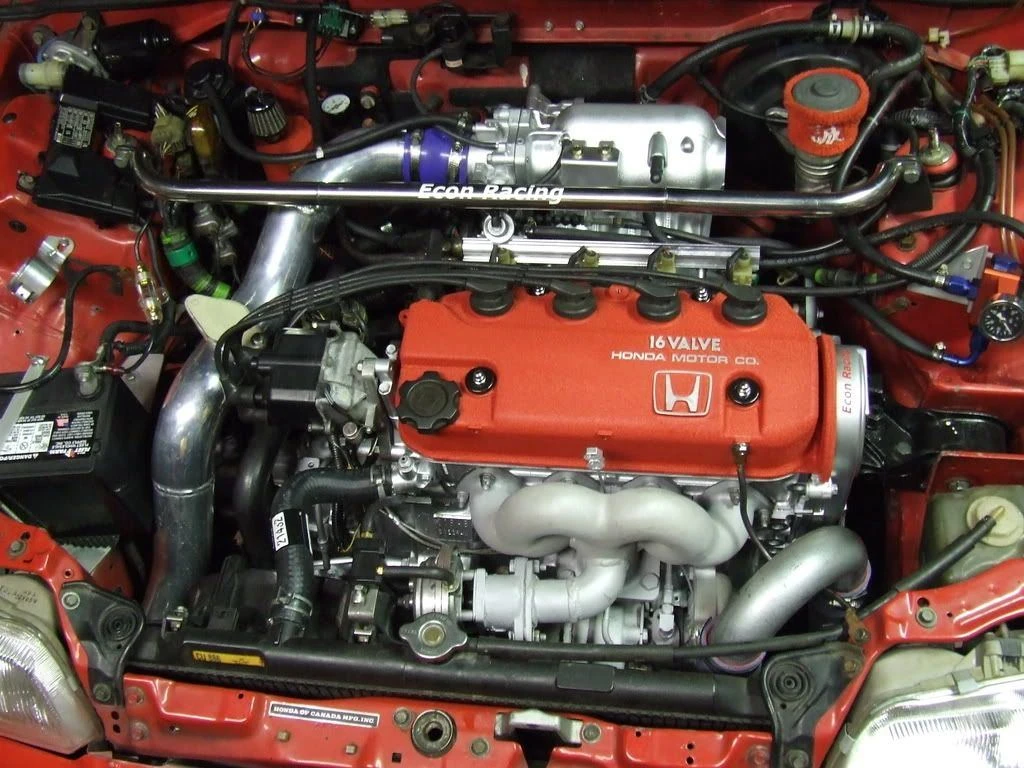
Despite their modest displacement, D-series engines are known for their willingness to rev, with some versions comfortably spinning to 7,000 rpm. At the same time, many examples are capable of covering between 217,000 and 250,000 miles without a major overhaul, making them favorites among Honda enthusiasts.
Mitsubishi 4G63
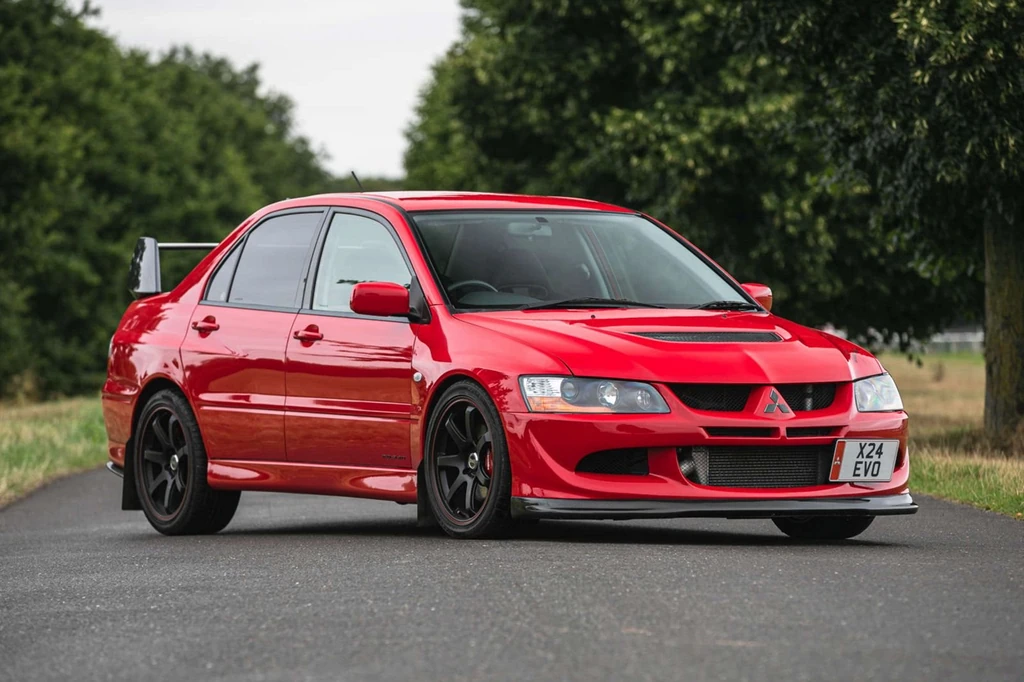
Few engines have achieved the legendary status of Mitsubishi's 4G63. This 2.0-liter inline-four was produced from 1982 to 2006 and evolved through numerous configurations during its long production run.
Early versions featured a single overhead camshaft and three valves per cylinder, while later variants adopted a 16-valve design. Advanced versions added variable valve timing and turbocharging.
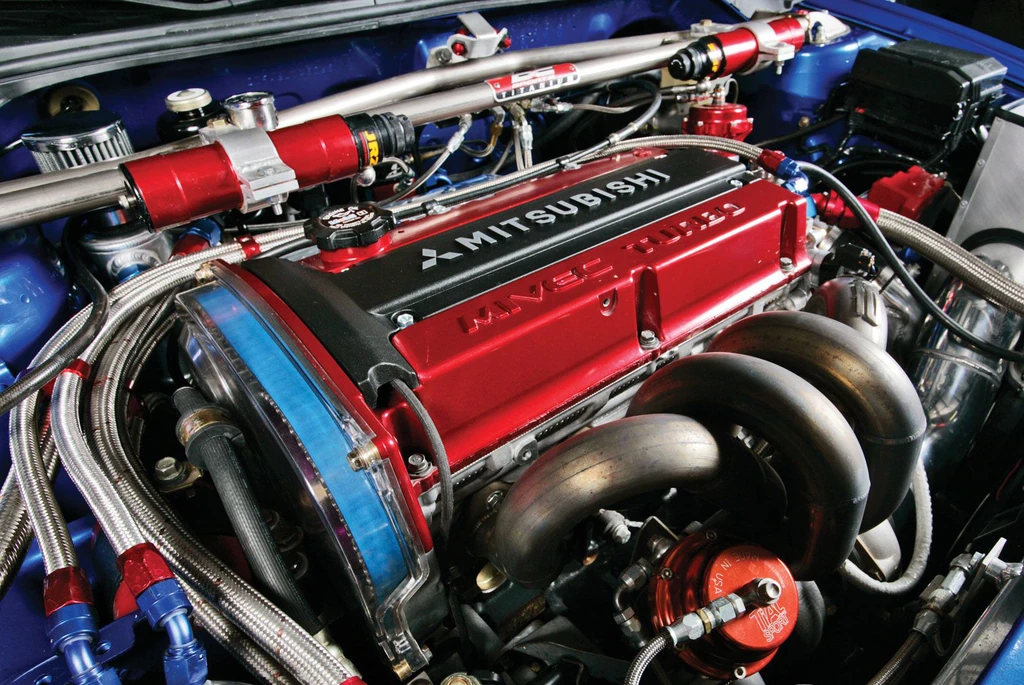
A heavily developed version of the 4G63 powered the iconic Mitsubishi Lancer Evolution IX, where it became famous for handling extreme performance modifications.
In naturally aspirated form, however, the engine was equally respected for durability, with many examples surpassing 310,000 miles when properly maintained.
Toyota 2JZ-GE
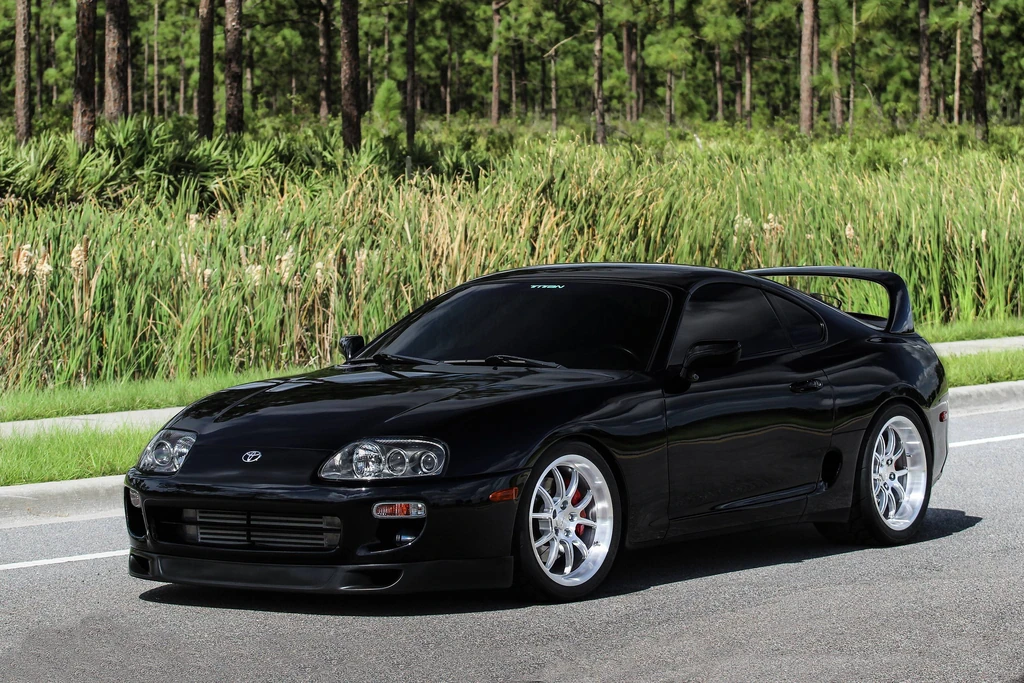
No list of durable engines would be complete without the Toyota 2JZ-GE. The naturally aspirated member of the legendary 2JZ family combined performance potential with exceptional longevity.
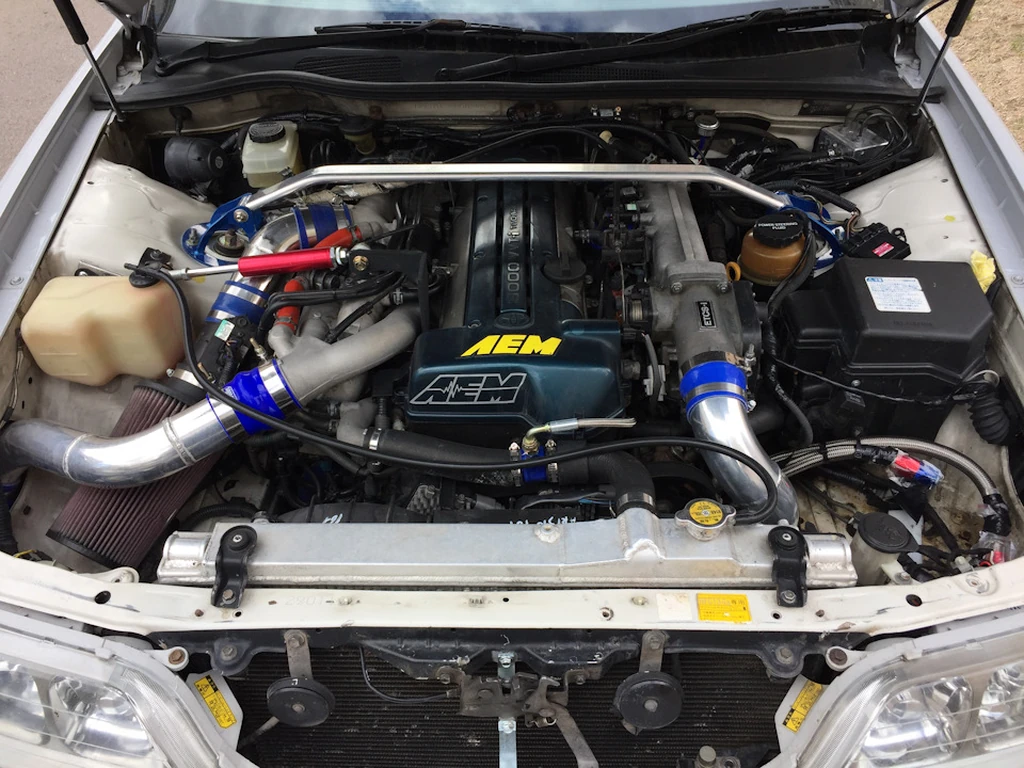
This 3.0-liter inline-six produced between 200 and 220 horsepower and was built from 1991 to 2007. Although the 2JZ name is often associated with high-horsepower tuning projects, the non-turbocharged 2JZ-GE proved to be one of the most durable gasoline engines ever produced.
Many owners have reported mileage well beyond 310,000 miles, and some engines have approached or even exceeded 620,000 miles with proper maintenance. Few powerplants have earned the title of "legend" more convincingly than Toyota’s 2JZ.
You may also be interested in the news:
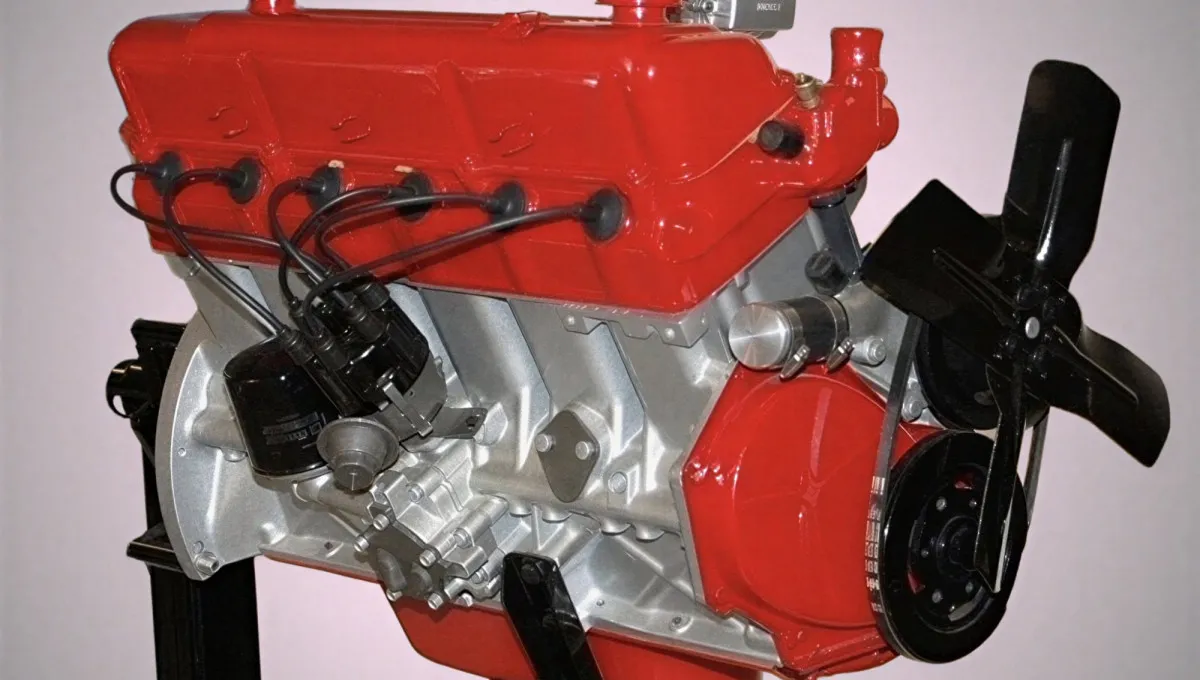
Chrysler's Aluminum Slant 6 Engine: The Lightweight Experiment of 1961–1963
Chrysler built more than 50,000 cars with an aluminum-block Slant 6 before production challenges brought the project to an end.
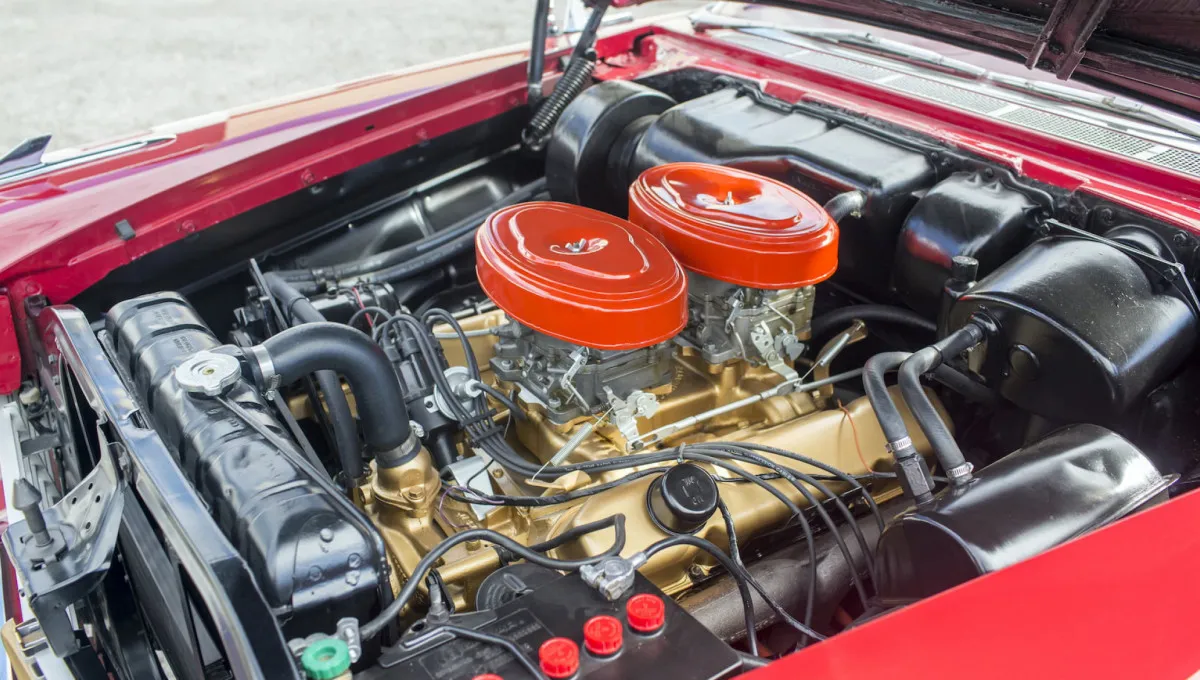
Chrysler’s Hemi Was Too Expensive to Build. Its 1958 Plan B Became a V8 Legend
After its famous Hemi V8s, Chrysler took a new direction in 1958 with a simpler, more affordable engine.
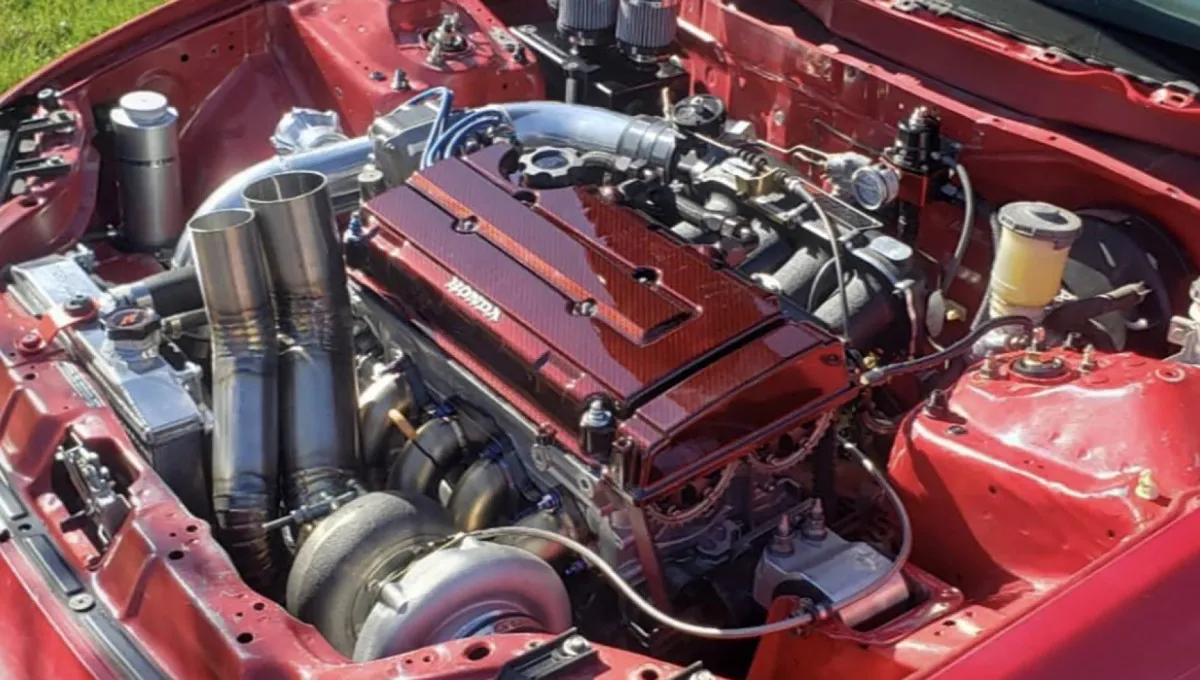
Honda K-Series Engines Can Go Past 300,000 Miles — Here's Why They're So Reliable
How long can a Honda K-series engine last, and what makes this family of Japanese engines so durable?
Your Engine Could Be Warning You: 6 Problems That Can Make a Car Run Rough
Engine problems rarely happen without a reason, and six common issues can cause a car to run poorly.
GM Just Unleashed an 8.3-Liter Diesel V8 to Take on Ford’s 1,200-Lb-Ft Power Stroke
General Motors has confirmed an all-new 8.3-liter Duramax V8 diesel called Mongoose for the 2027 Silverado HD and Sierra HD.