
Eve Energy Unveils New Solid-State Batteries for Electronics and Electric Vehicles
Battery supplier Eve Energy, which works with Tesla, BMW, and Mercedes-Benz, introduced new solid-state batteries.
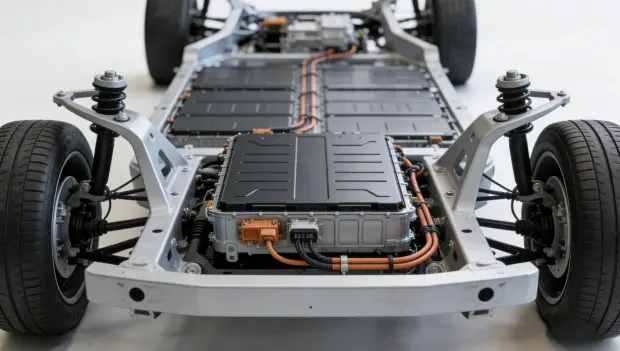
Eve Energy, a battery supplier to major automakers including Tesla, BMW, and Mercedes-Benz, has announced that two new solid-state battery models—Longquan No.3 and Longquan No.4—have rolled off a production line.
The batteries are being manufactured at the company’s facility in Chengdu, a step that the company describes as part of its preparation for the eventual commercial rollout of this technology.
Two Batteries for Different Uses
The two batteries are designed for different applications.
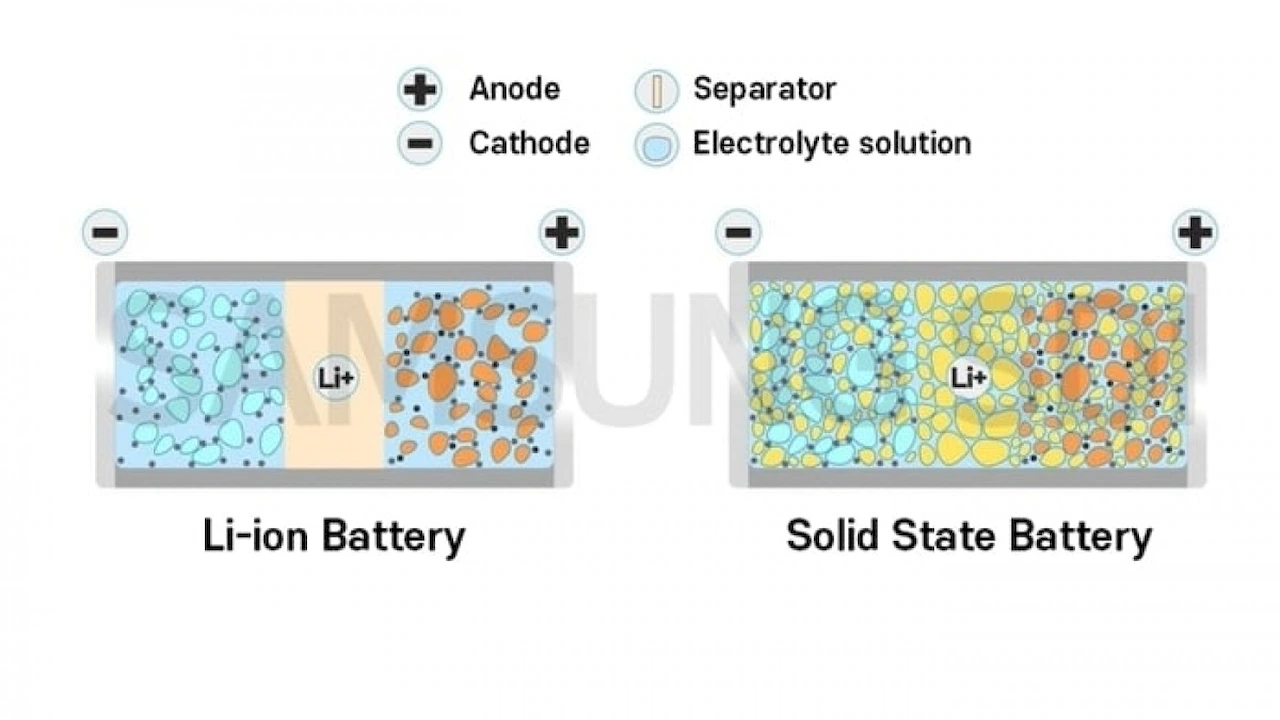
The Longquan No.3 model is intended for consumer electronics. It operates under internal pressure of less than about 290 psi (2 MPa), which helps maintain contact between the solid materials inside the battery. Eve Energy says the design delivers high volumetric energy density, although the company has not disclosed exact figures.
The Longquan No.4 battery targets the electric vehicle market. It features a capacity of 60 amp-hours and operates at pressures below about 725 psi (5 MPa), bringing its specifications closer to the requirements of automotive battery systems.
However, the company has not released additional technical details, including the battery’s chemical composition, energy density, or charging speed.
Part of a Larger Development Strategy
The new batteries expand a product line that began with Longquan No.2, an earlier solid-state prototype. That version was developed for applications such as robotics, low-altitude aviation platforms, and equipment used in artificial intelligence systems.
According to Eve Energy, the sequential rollout of these prototypes reflects a broader strategy aimed at supporting several emerging sectors of electrification technology.
In the fall of 2025, the company opened a pilot production site for solid-state batteries in Chengdu, where Longquan No.2 was first presented. At the time, Eve Energy also outlined its development roadmap and began early testing of manufacturing processes.
One of the Key Challenges in Solid-State Technology
Across the industry, engineers continue working to reduce the internal pressure required for solid-state batteries while maintaining stable contact between solid components. This remains one of the main challenges for bringing the technology into mass production.
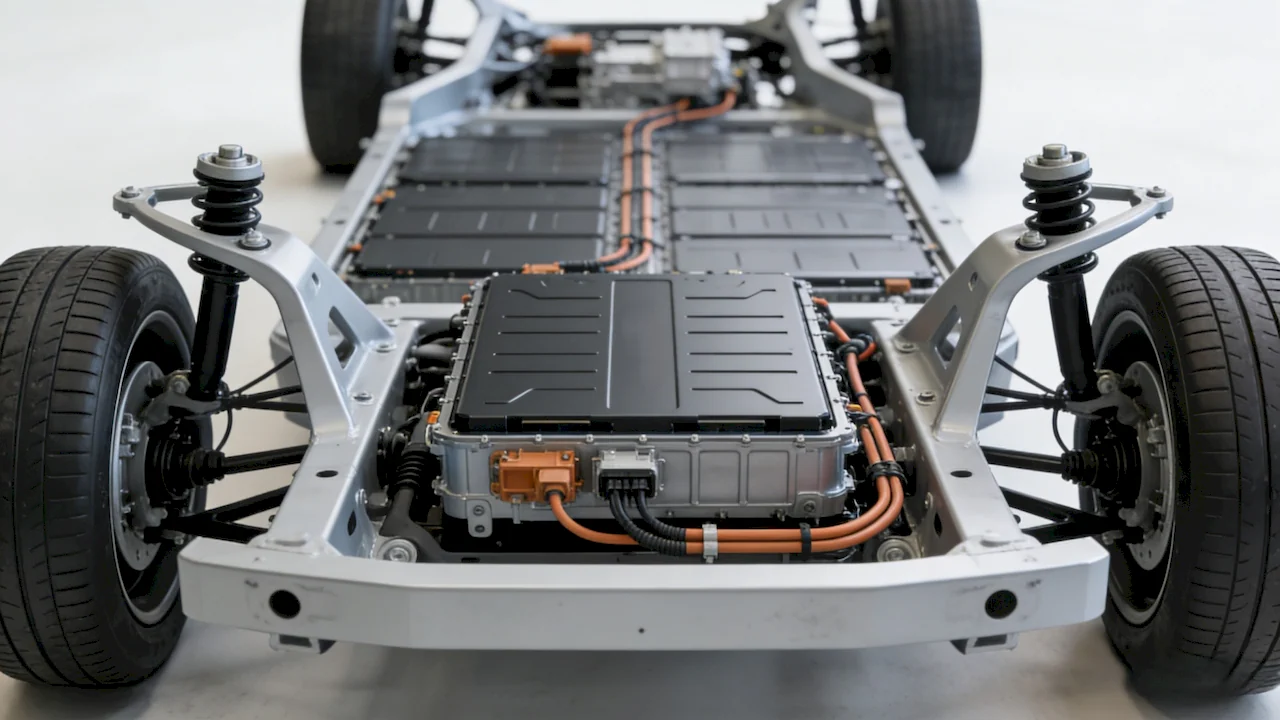
Lower pressure requirements could simplify manufacturing and make it easier to integrate solid-state battery packs into vehicle platforms.
Partnerships Across the Electric Vehicle Industry
Eve Energy already collaborates with several automakers and is involved in a joint venture producing batteries for commercial vehicles alongside Daimler Truck, Cummins, and Paccar.
These partnerships allow the company to operate in multiple segments of the electric transportation market, from passenger cars to heavy-duty trucks.
Competition in the Solid-State Race
Other companies are also pushing forward with solid-state battery development. In 2025, Farasis Energy—supported by Mercedes-Benz—introduced a prototype battery with an energy density of 400 Wh/kg.
In 2026, Gotion, which has close ties to Volkswagen, completed construction of a 2 GWh production line designed to support future electric vehicle applications.
Commercial Timeline Still Unclear
Eve Energy has not yet disclosed when the Longquan No.3 and Longquan No.4 batteries might reach commercial production or which customers could adopt them. Pricing information also remains unavailable.
For now, the announcement focuses primarily on confirming that the technology is working at an early production stage. Key questions—including large-scale manufacturing, certification, and integration into future vehicles—still remain to be answered.
You may also be interested in the news:
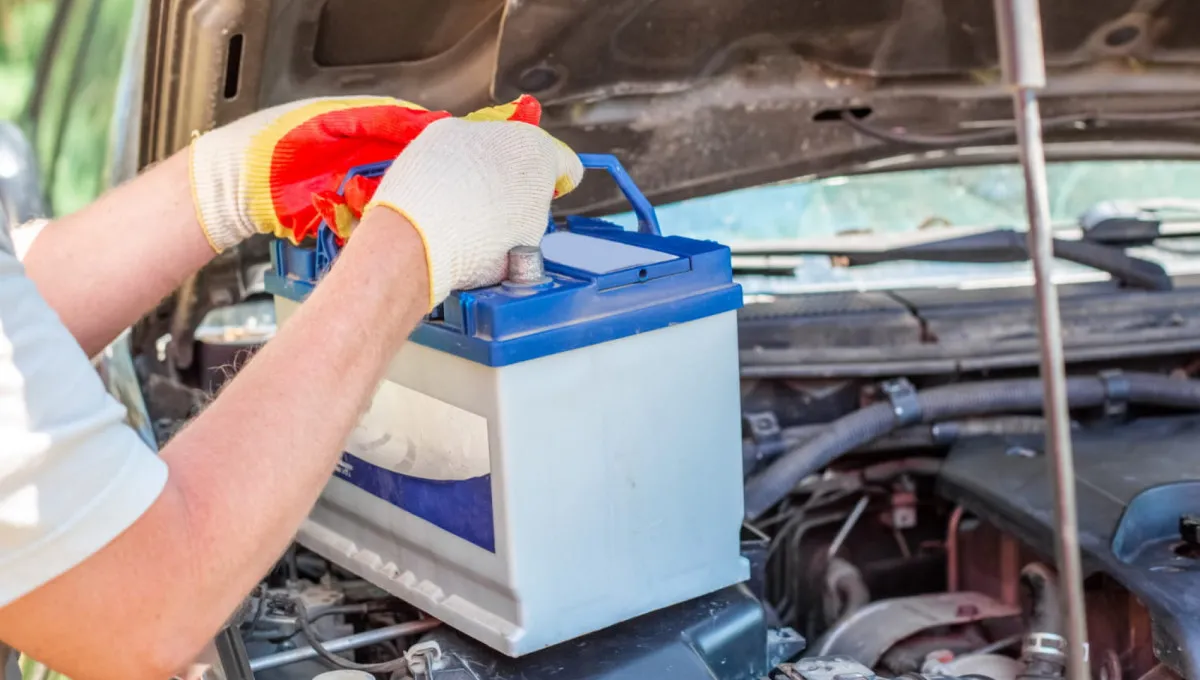
3 Signs Your Car Battery Is About to Die — And the Warning Signs Drivers Often Miss
A failing car battery rarely dies without warning, and these three signs can give drivers time to act before getting stranded.
Tesla Patents Laser Windshield Wipers Again in 2026
Tesla is once again pursuing laser windshield cleaning, but the technology raises serious questions about cost, reliability and safety.
Forget the Key Fob: Apple Car Key Could Soon Expand to More Vehicles
Apple and automakers have yet to reveal the exact models or launch dates for the expanded digital-key feature.
Americans Are Finding Out How Much It Costs to Replace a Hybrid Battery in a Modern Toyota
A Toyota hybrid battery can cost as much as $4,500 to replace, depending on the model and battery type.
Most Drivers Ignore This When Buying a Car Battery—and It Can Cause Problems
Choosing a replacement car battery requires attention to detail, because even one incorrect specification can cause major installation problems.