
What to Do If Your Brakes Fail While Driving: A Step-by-Step Guide for Drivers
Brake failure while driving is rare but dangerous—here’s how drivers can react quickly and stay safe.
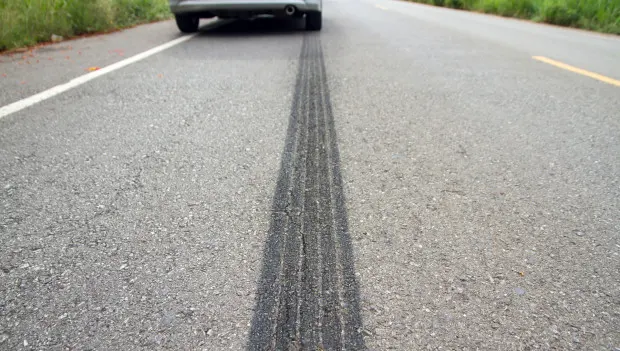
A sudden brake system failure can catch any driver off guard. Knowing how to respond can make a critical difference in keeping the situation under control.
When brakes stop working while the vehicle is moving, the most important thing is to stay calm and avoid panic. Quick, thoughtful actions can reduce the risk of a serious crash and help you bring the vehicle to a safe stop.
Start by reducing speed as quickly as possible. Use every available feature of the vehicle to slow it down. If you’re driving a car with a manual transmission—or one that allows manual gear selection—gradually shift down through the gears. This technique, known as engine braking, slows the car naturally without sudden jolts.
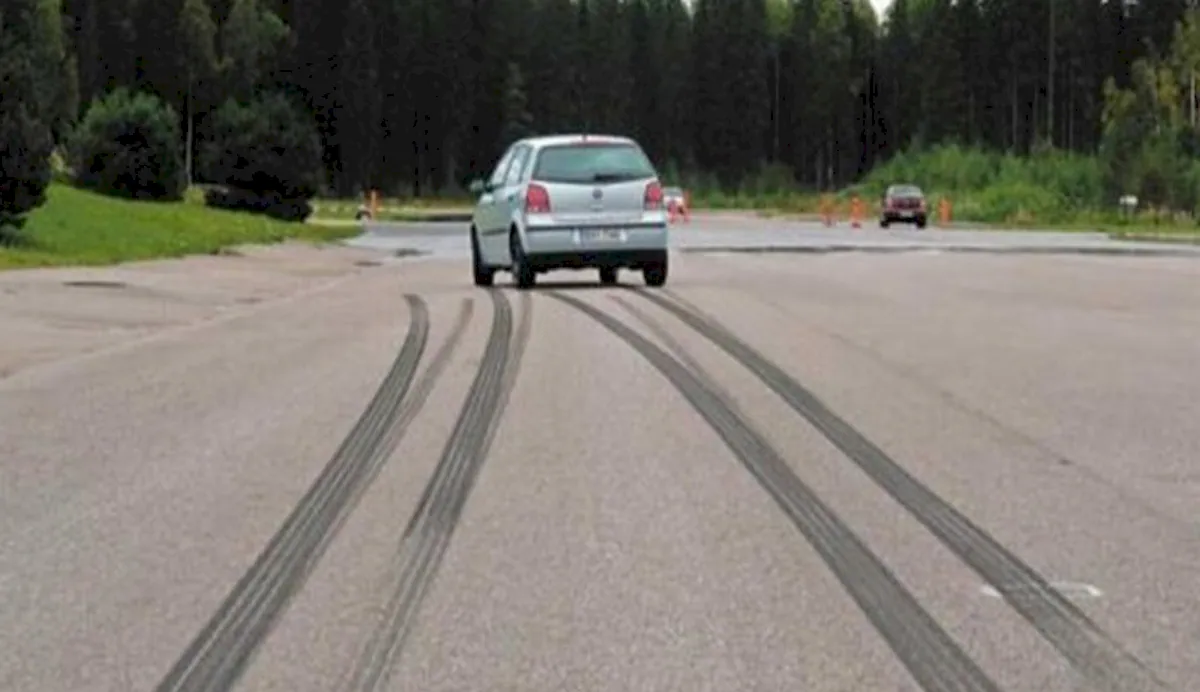
For vehicles with an automatic transmission, switch to the manual or low-gear mode if your car has one. This allows you to control how quickly the vehicle slows down. Immediately take your foot off the accelerator and avoid sudden steering maneuvers, which could cause a loss of control.
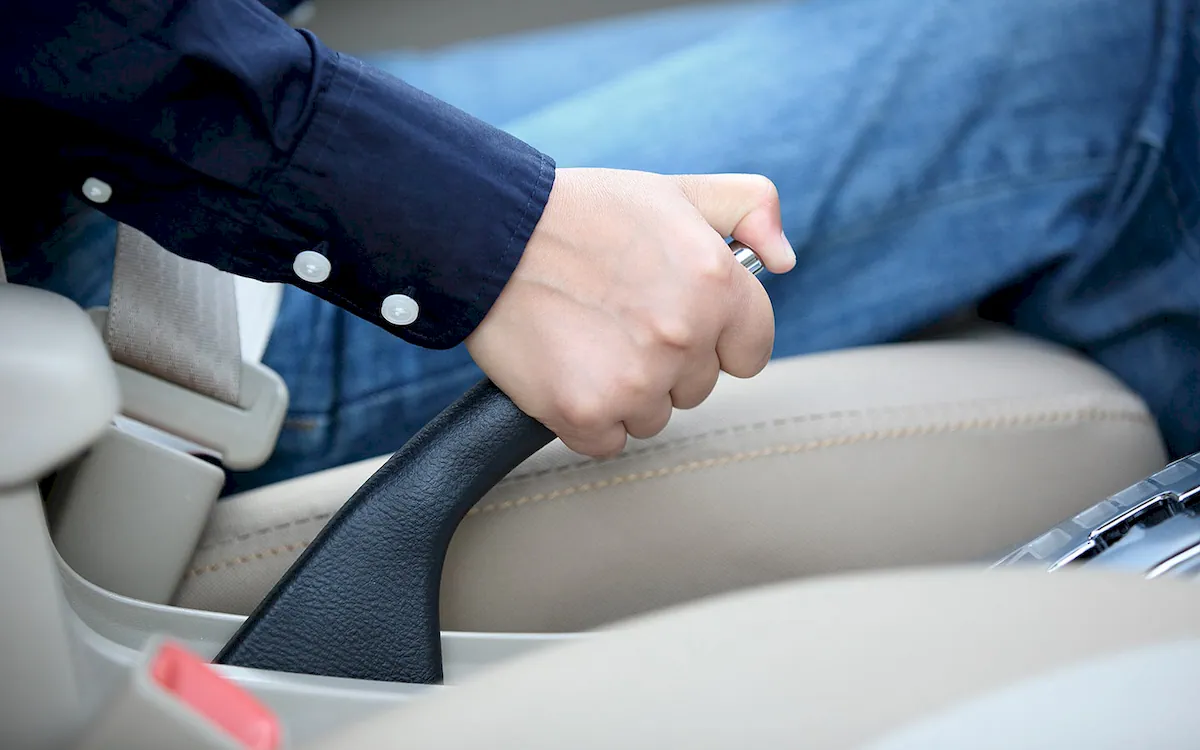
The parking brake can also help slow the vehicle, but it must be used carefully. This works best with traditional mechanical parking brakes because they allow better control over braking force. Pulling the brake too sharply may lock the rear wheels and cause the vehicle to skid—especially on wet or slippery roads.
If the situation becomes critical and the vehicle is still moving quickly, experts recommend steering toward the shoulder or another surface that creates more resistance, such as grass or gravel. These surfaces can naturally help slow the car.
Another option is to turn off the engine once the vehicle is stable and continue coasting. Without engine power, the car will gradually lose speed.
Staying calm is the key factor. Don’t try to stop instantly at any cost. Instead, focus on controlled actions and remain aware of the traffic and environment around you. Panic often makes the situation worse and increases the risk of a crash.
Fortunately, total brake failure is extremely rare in modern vehicles. Still, prevention is essential. Before long trips, drivers should check the condition of their brake system—look for worn brake pads or rotors, make sure the brake fluid level is correct, and confirm that all components are functioning properly.
Routine maintenance and paying attention to your vehicle’s condition are among the best ways to stay safe on the road. Taking a few minutes to check your brakes can prevent serious problems—and potentially save lives.
You may also be interested in the news:

What Does a Flashing Red Traffic Light Mean? Can You Keep Driving?
Drivers must come to a complete stop at the stop line before deciding whether it is safe to proceed.
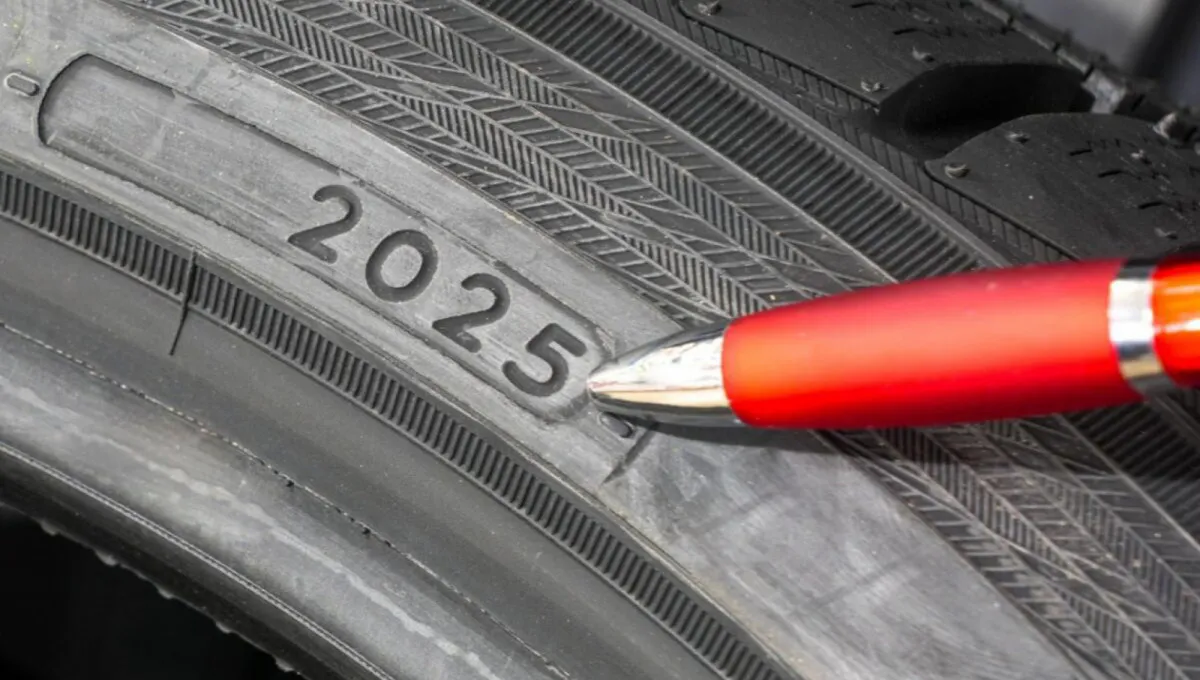
Why You Should Check a Tire’s Manufacturing Date Before Buying
Tire buyers should check more than size, tread, and brand because rubber changes with age, even without visible wear.
Your Car Sat for a Few Days and Won’t Start: What Could Be Draining the Battery
Your car can sit for days and still drain its battery, even when everything appears switched off.
Four Car Features Modern Drivers Are Starting to Miss
New cars keep adding technology, but some simple features that drivers once relied on are disappearing.
One Driving Habit Slowly Wears Out an Automatic Transmission: What Drivers Should Avoid
Seven-speed DSG gearboxes with dry clutches are among the most vulnerable and expensive to repair.