
What the “i-Stop OFF” Button Really Does—and Why Many Drivers Turn It Off
Many drivers overlook the i-Stop OFF button, which disables an engine shut-off feature in traffic.
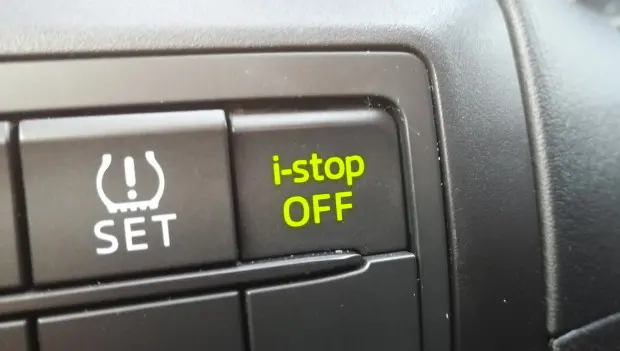
Modern dashboards are packed with buttons and icons that can confuse even experienced drivers. One of the most puzzling for many people is the “i-Stop OFF” button.
You’ve probably noticed it in action while sitting in traffic. The engine suddenly shuts off when the car stops, then fires back up the moment you release the brake. Some drivers see it as a clever fuel-saving technology. Others think it’s an unnecessary eco feature forced by emissions rules.
So what exactly does that button do—and why do many drivers press it right after starting the engine?
What is i-Stop?
Before talking about turning it off, it helps to understand the system itself. i-Stop—called Start-Stop by many automakers—is designed to automatically shut down the engine when the vehicle stops, such as at a traffic light.
Once the car comes to a complete stop and the driver presses the brake pedal, the vehicle’s electronics temporarily cut the engine. As soon as the driver releases the brake—or presses the clutch in a manual transmission—the engine starts again almost instantly.
Automakers claim the technology can save small amounts of fuel in city driving and reduce exhaust emissions, especially during long waits in traffic.
Why the “i-Stop OFF” button exists
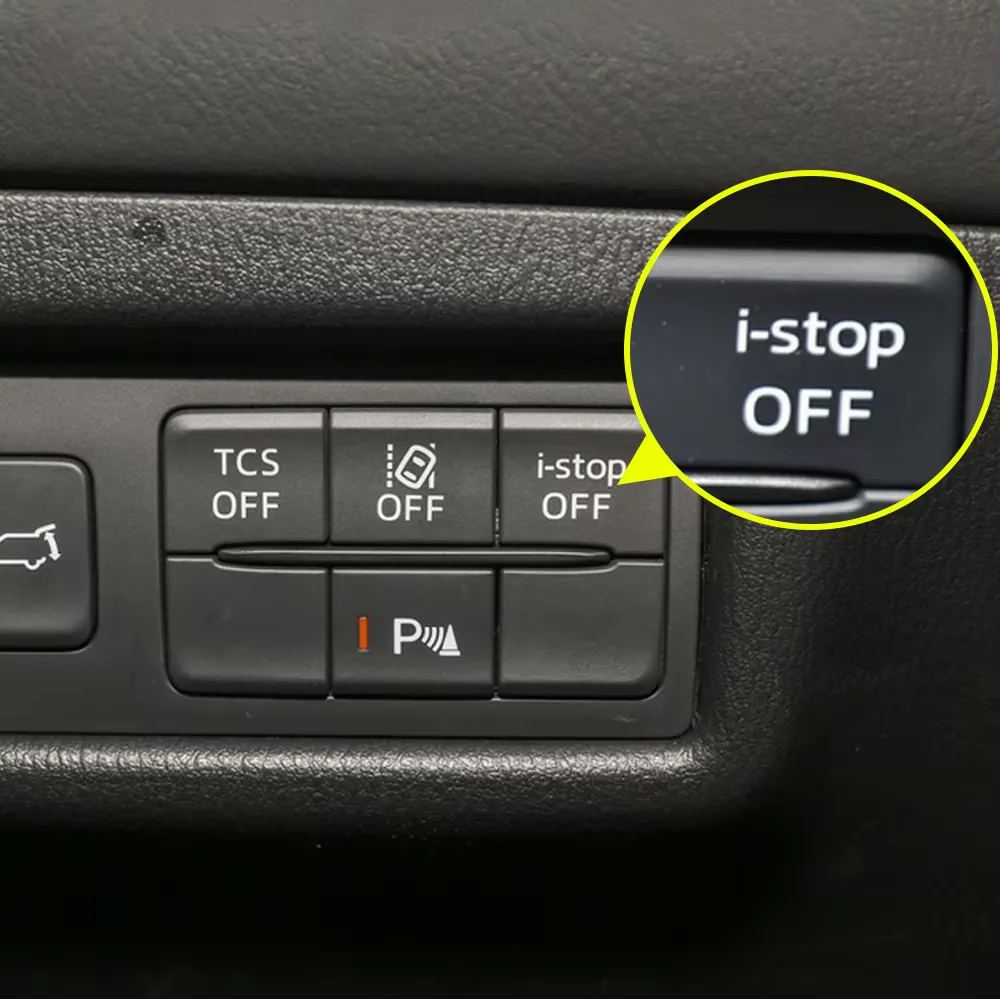
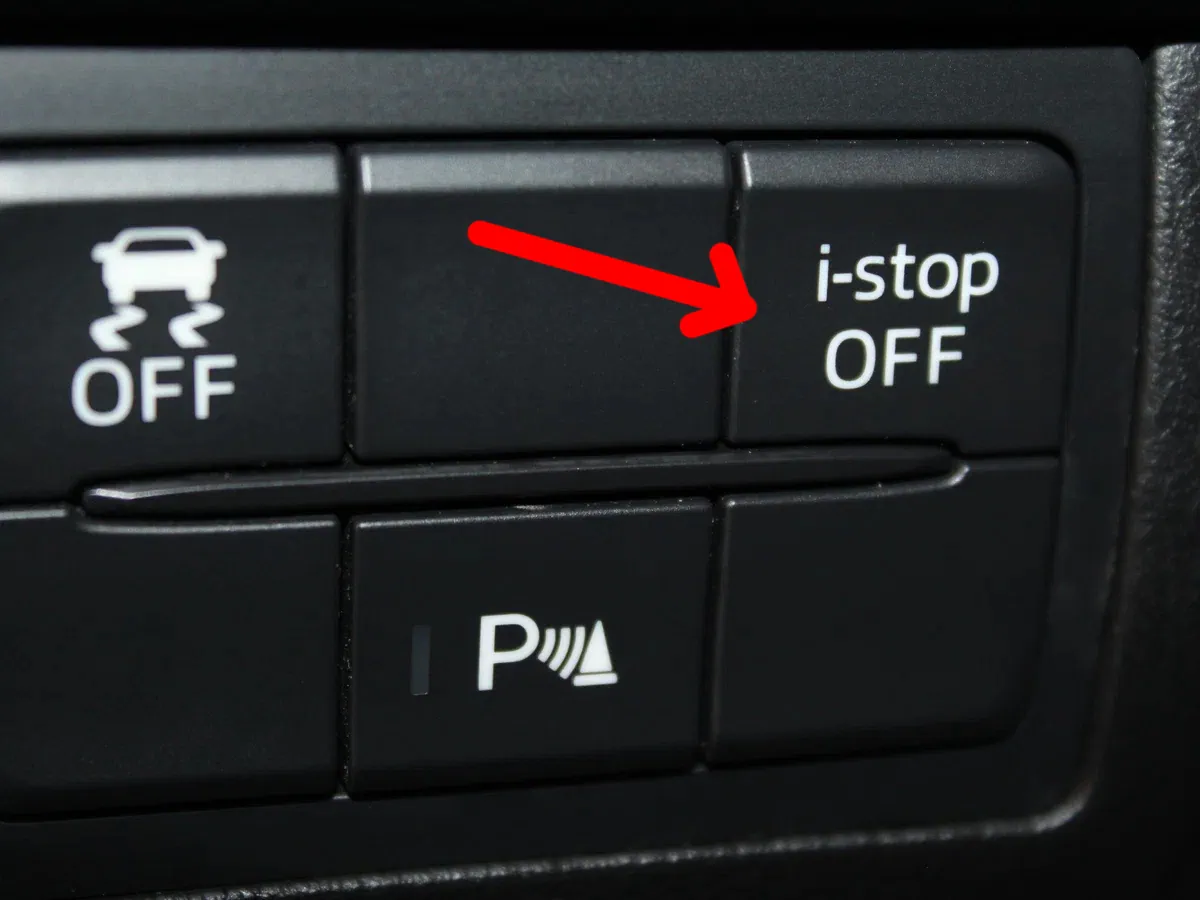
This is where the mysterious button comes in. The “i-Stop OFF” button simply disables the automatic start-stop system for the current drive.
According to owner manuals from brands such as Mazda Motor Corporation and Kia Corporation, if the i-Stop OFF indicator lights up, it means either the driver has turned the system off manually or the vehicle cannot activate it due to certain conditions.
However, many drivers complain about one particular quirk: the system usually doesn’t remember the setting. After you turn off the engine and restart the car, the start-stop system becomes active again—even if you disabled it earlier. That means the driver must press the button again before every trip.
Because of this, some owners search for workarounds, such as aftermarket modules that automatically disable the feature through the vehicle’s diagnostic port.
Why the system sometimes turns itself off
Many new drivers assume something is broken when the start-stop feature suddenly stops working. In reality, the system often disables itself automatically when conditions aren’t ideal.
Common reasons include:
- Weak or low battery. This is one of the most common triggers. If the battery charge is low, the vehicle may disable start-stop to ensure the engine can restart reliably.
- Heavy climate control use. When the heater or air conditioner is working hard, the engine may stay running to power the system.
- Seat belt not fastened. Some vehicles deactivate the feature for safety reasons.
Does start-stop harm the engine?
Opinions among drivers and mechanics vary widely. Critics argue that engines experience the most wear during startup. Frequent engine restarts could potentially shorten the life of components like the starter motor or battery.
Supporters say modern vehicles are designed specifically for this technology. They use stronger starter motors, upgraded batteries, and systems designed to minimize wear when the engine restarts.
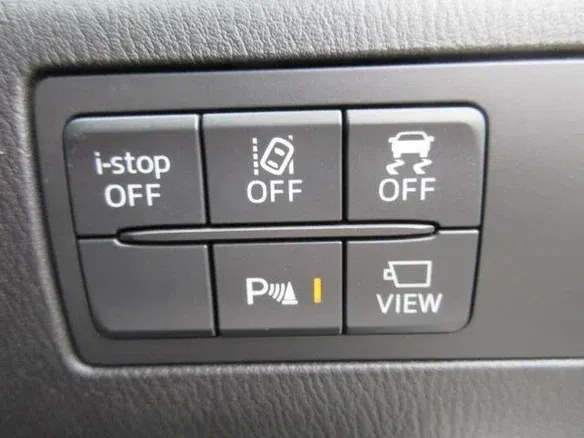
So what exactly is the “i-Stop OFF” button? In simple terms, it’s a choice.
In heavy traffic or long city commutes, the system can slightly reduce fuel consumption and emissions. But in stop-and-go driving—where the engine might shut off every few seconds—many drivers find the constant restarting annoying.
If you notice your engine shutting off and restarting at lights, don’t panic. That’s normal behavior. And if you prefer a smoother drive without it, just press “OFF.”
Just remember—you’ll probably have to press it again the next time you start the car.
You may also be interested in the news:

What Does a Flashing Red Traffic Light Mean? Can You Keep Driving?
Drivers must come to a complete stop at the stop line before deciding whether it is safe to proceed.
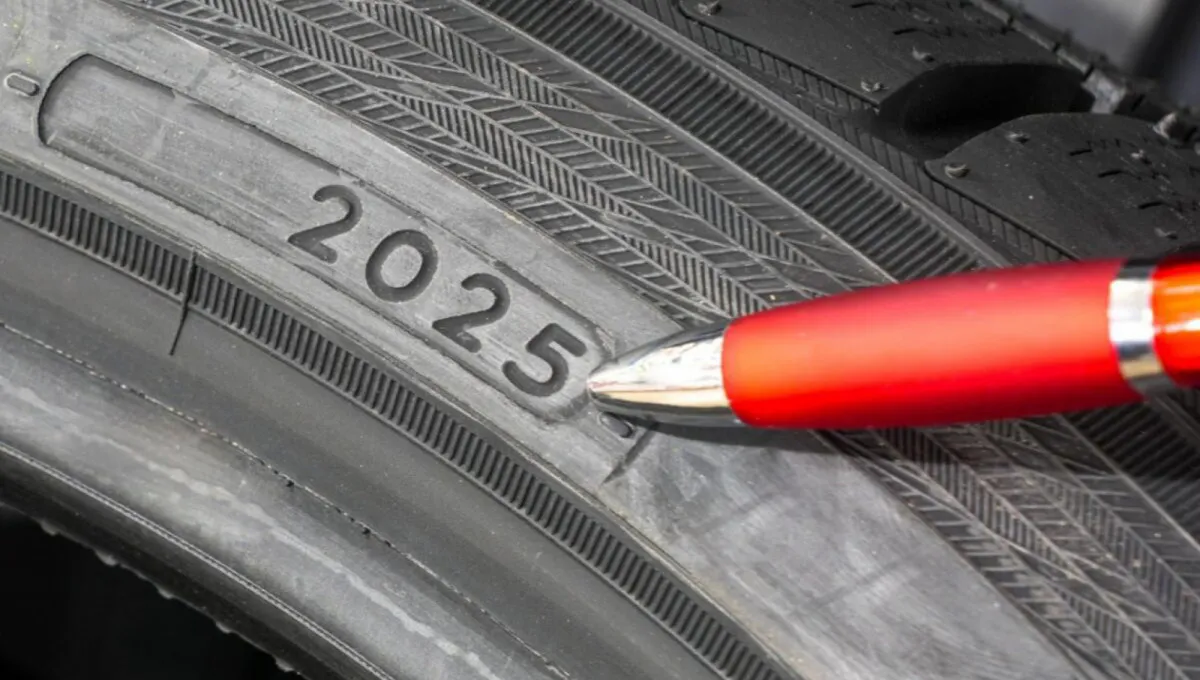
Why You Should Check a Tire’s Manufacturing Date Before Buying
Tire buyers should check more than size, tread, and brand because rubber changes with age, even without visible wear.
Your Car Sat for a Few Days and Won’t Start: What Could Be Draining the Battery
Your car can sit for days and still drain its battery, even when everything appears switched off.
Four Car Features Modern Drivers Are Starting to Miss
New cars keep adding technology, but some simple features that drivers once relied on are disappearing.
One Driving Habit Slowly Wears Out an Automatic Transmission: What Drivers Should Avoid
Seven-speed DSG gearboxes with dry clutches are among the most vulnerable and expensive to repair.