
Why a Dirty Throttle Body Can Lead to Serious Engine Trouble
Why throttle body condition plays a crucial role in engine longevity and performance for every driver
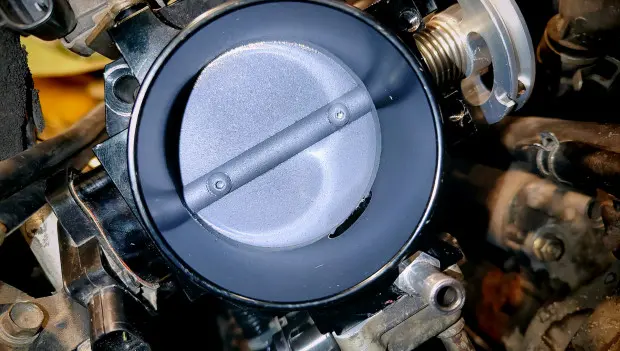
The throttle body isn’t just another under-the-hood component—it’s a critical part that directly affects how smoothly your engine runs. Neglecting its cleanliness can lead to expensive repairs down the road. Experts say that keeping it clean is more important than ever, especially in modern vehicles.
At its core, the throttle body acts as a gateway between clean incoming air and the volatile air-fuel mixture that powers the engine. This is where cool outside air meets hot oil vapors. Over time, that interaction creates a sticky buildup that can disrupt the crankcase ventilation system and shorten engine life.
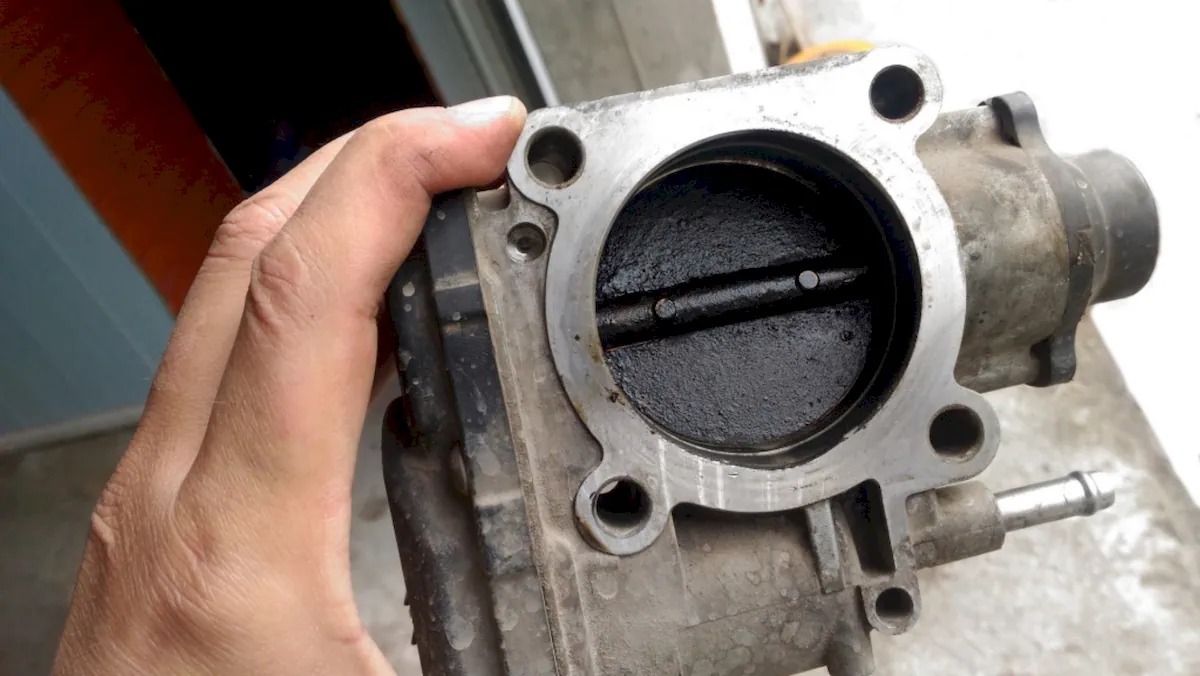
Many drivers assume that grime on the throttle plate is simply dust that slipped past the air filter. In reality, most of the buildup comes from oily residue. This is a natural byproduct of the Positive Crankcase Ventilation (PCV) system. Modern engines—especially those with direct injection—are highly sensitive to how well this system works. The PCV system recirculates oil vapors and unburned fuel back into the intake to meet emissions standards.
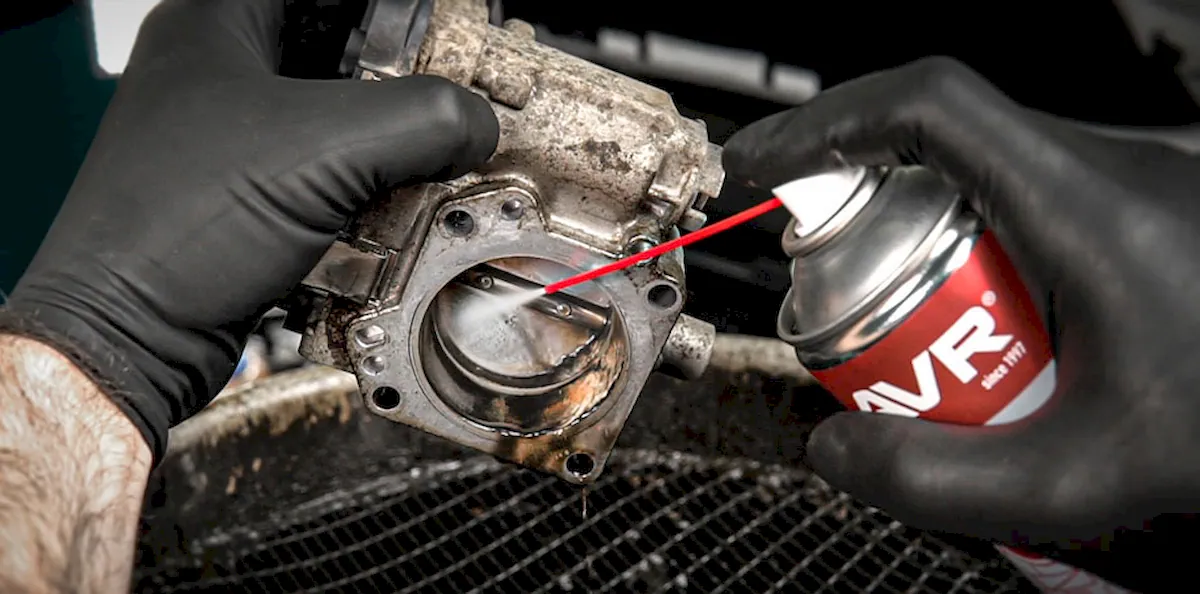
When hot vapors mix with cooler incoming air, condensation forms inside the throttle body. On top of that, tiny particles from the Exhaust Gas Recirculation (EGR) system can enter the mix, acting like fine abrasives. Over time, this combination turns into a dense, sticky deposit that interferes with proper ventilation.
As a result, pressure can build up inside the engine, forcing oil past seals and creating an oil mist that coats the intake manifold and eventually enters the cylinders. This can reduce compression and cause piston rings to stick—issues that often lead to costly engine repairs.

To avoid these problems, regular throttle body cleaning is essential. Don’t wait until you notice rough idling or a drop in power. Keeping the throttle plate clean isn’t optional—it’s a key part of maintaining long-term engine health. A clean intake system starts right at the throttle body.
Many service centers recommend professional cleaning, but it’s also something you can handle yourself with the right products. Specialized cleaners are widely available and can remove carbon deposits, oil residue, and sludge without disassembly—even in hard-to-reach areas. This not only keeps the throttle body clean but also helps maintain proper function of EGR components, which is especially important for modern engines.
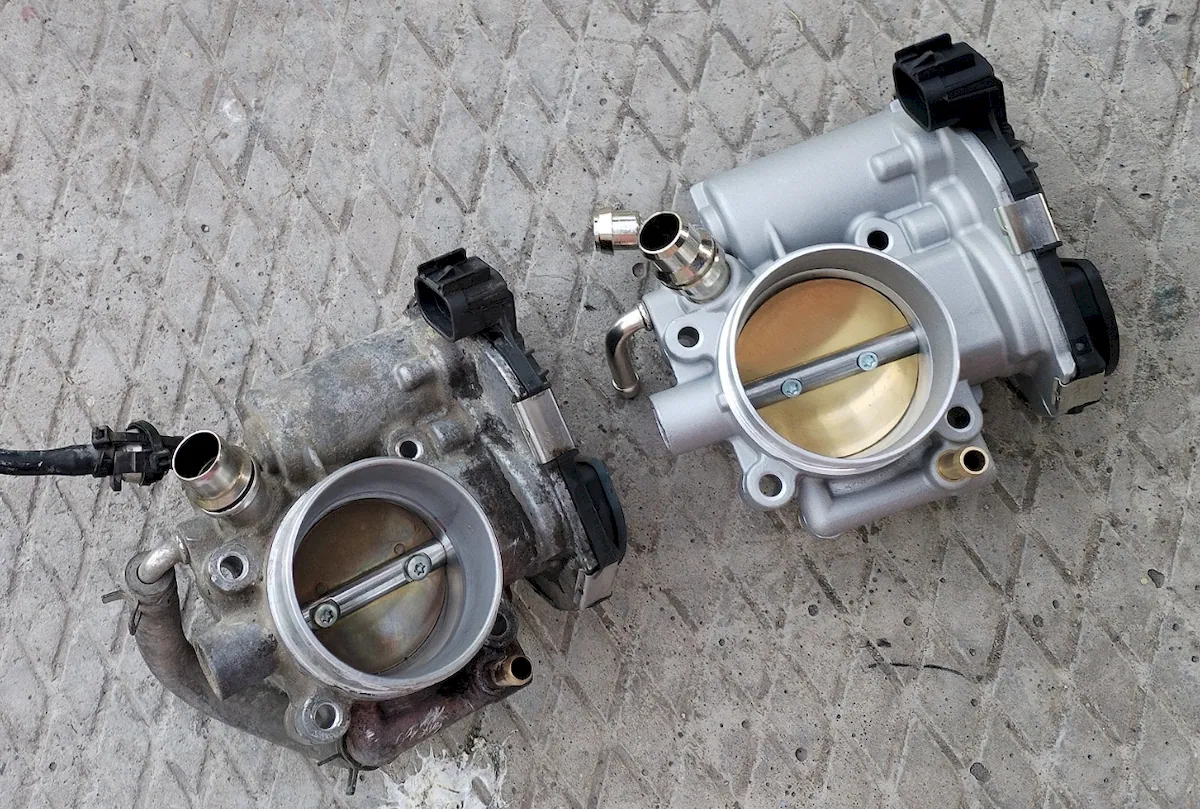
Routine maintenance and proper care of the throttle body go a long way toward ensuring consistent performance and reducing the risk of major mechanical failures. Given the wide range of driving conditions and climates across the U.S., this isn’t just good advice—it’s essential for keeping your vehicle running strong.
You may also be interested in the news:
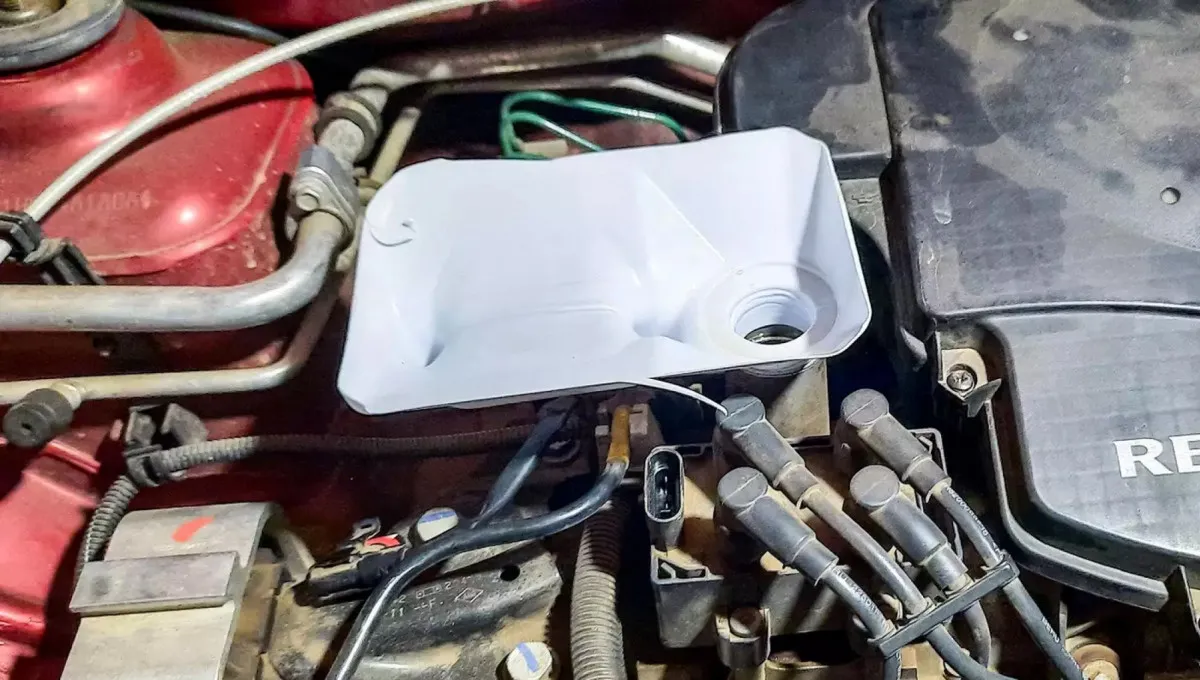
Useful for Many Drivers and Mechanics: This DIY Tool Makes Adding Engine Oil Much Easier
A simple homemade funnel helps drivers add engine oil cleanly, avoid spills, and reach hard-to-access filler openings.

Foggy Windows in Dry Weather: What Problem Could This Indicate?
Foggy car windows can signal anything from excess cabin moisture to a clogged air filter or a hidden coolant leak.
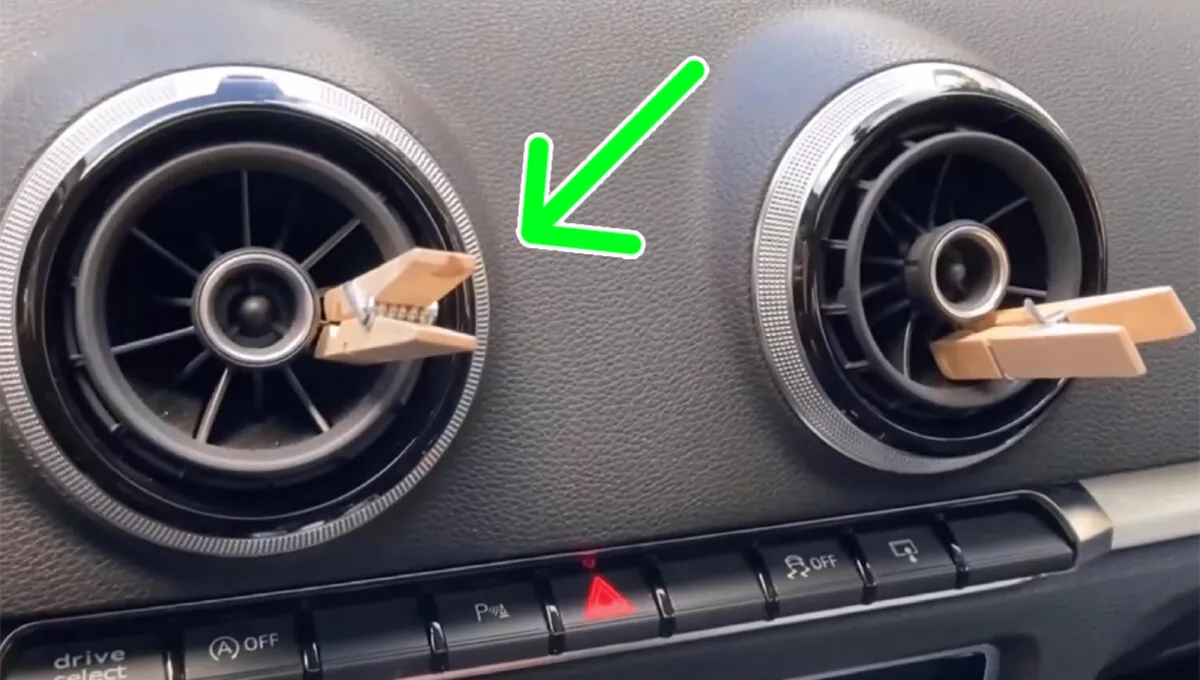
Why Experienced Drivers Keep a Simple Wooden Clothespin in Their Cars
A wooden clothespin clipped inside a car might look out of place, but some drivers use it for several surprisingly practical purposes.
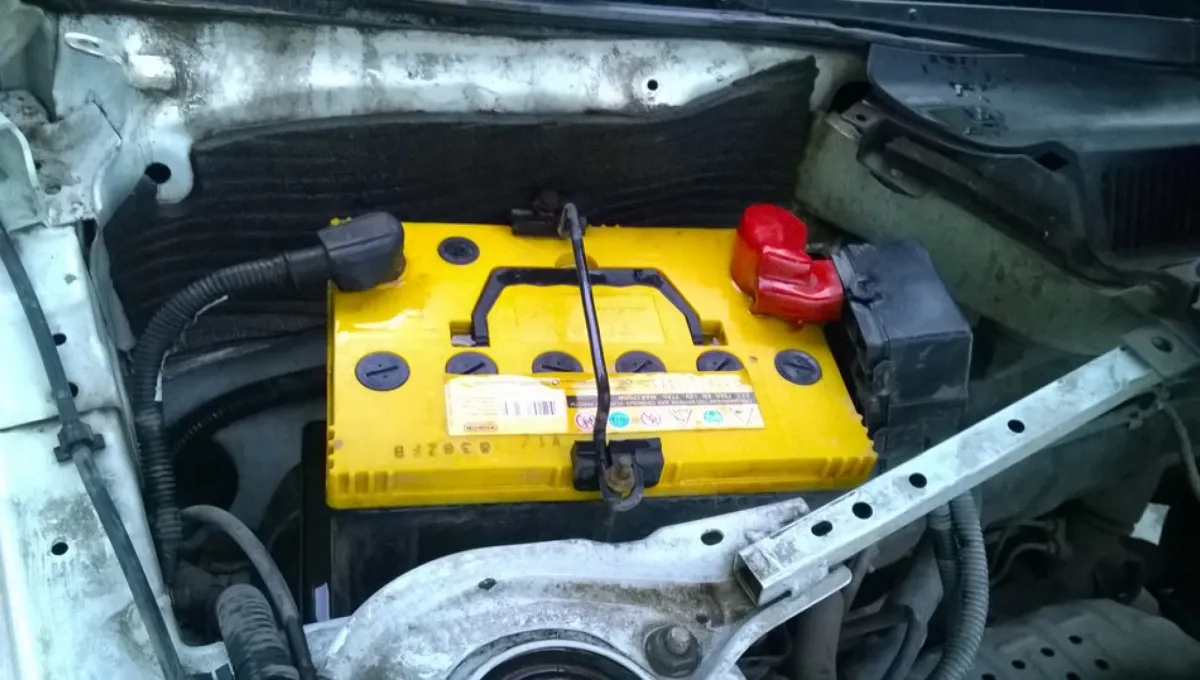
Car Won’t Start When Temperatures Drop? 4 Battery Checks Every Driver Should Make in October
A few simple battery checks in October can help prevent cold-weather starting problems when winter temperatures arrive.

Kia Recalls Nearly 48,000 Seltos SUVs Over a Potential Fire Risk
Kia is recalling 48,070 Seltos crossovers in Canada after discovering a defect that could cause an electrical short circuit and fire.