
Hybrid or Electric: Which Makes More Sense for U.S. Roads in 2026
A practical look at costs, range, and convenience when choosing between hybrids and EVs today.
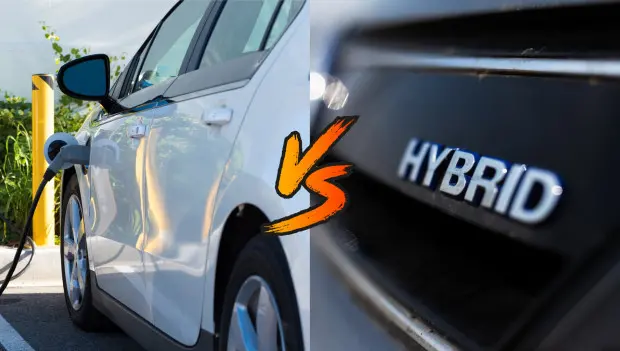
In 2026, American drivers are facing a tougher choice than ever: go hybrid or fully electric. Charging access, daily driving habits, and long-term ownership costs all play a role, turning what used to be a simple preference into a more calculated decision.
Right now, the U.S. auto market is at a crossroads. Picking between a hybrid and an EV isn’t just about technology anymore—it’s about how you live and drive.
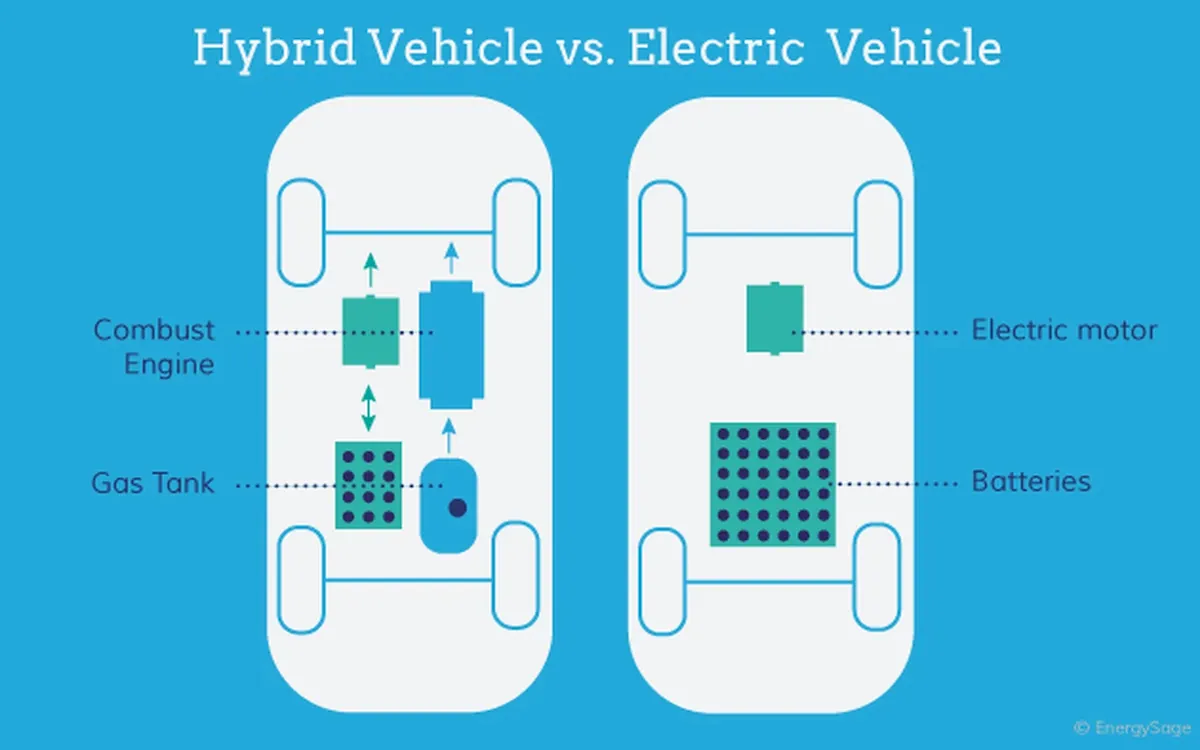
Hybrids remain a solid middle ground for those not ready to give up gas. Many offer a total driving range of roughly 500–620 miles on a full tank, and refueling takes just a few minutes. Fuel economy often lands around 35–40 mpg, making them efficient without requiring any lifestyle changes. They also tend to perform better in colder climates, since the gas engine helps warm up both the cabin and the battery, reducing strain during winter starts.
That flexibility comes at a cost. Hybrids are typically 20–30% more expensive than comparable gas-only models and are mechanically more complex. After 8–10 years, owners may face higher repair bills. Still, resale values remain strong, even as battery performance gradually declines.
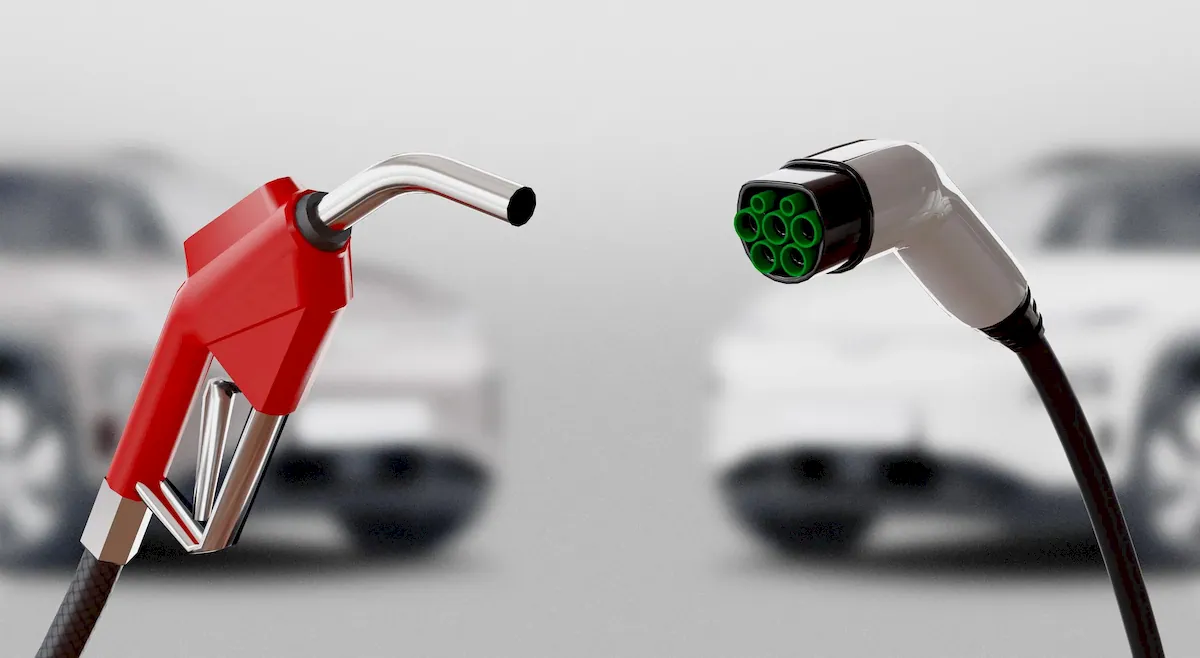
Electric vehicles, on the other hand, represent a different kind of ownership experience. Charging at home can cut driving costs dramatically—often making it three to four times cheaper per mile than running a hybrid on gasoline. Over time, those savings can offset a noticeable portion of the vehicle’s purchase price. EVs also have fewer moving parts—no oil changes, no spark plugs, no traditional transmissions—and brake components can last up to about 90,000 miles thanks to regenerative braking.
But EVs aren’t perfect. Charging infrastructure, while improving, is still inconsistent outside major cities and highway corridors. Cold weather can reduce range by as much as 30%, and even fast charging typically takes at least 30 minutes. For drivers who regularly take long road trips, that can be a real inconvenience.
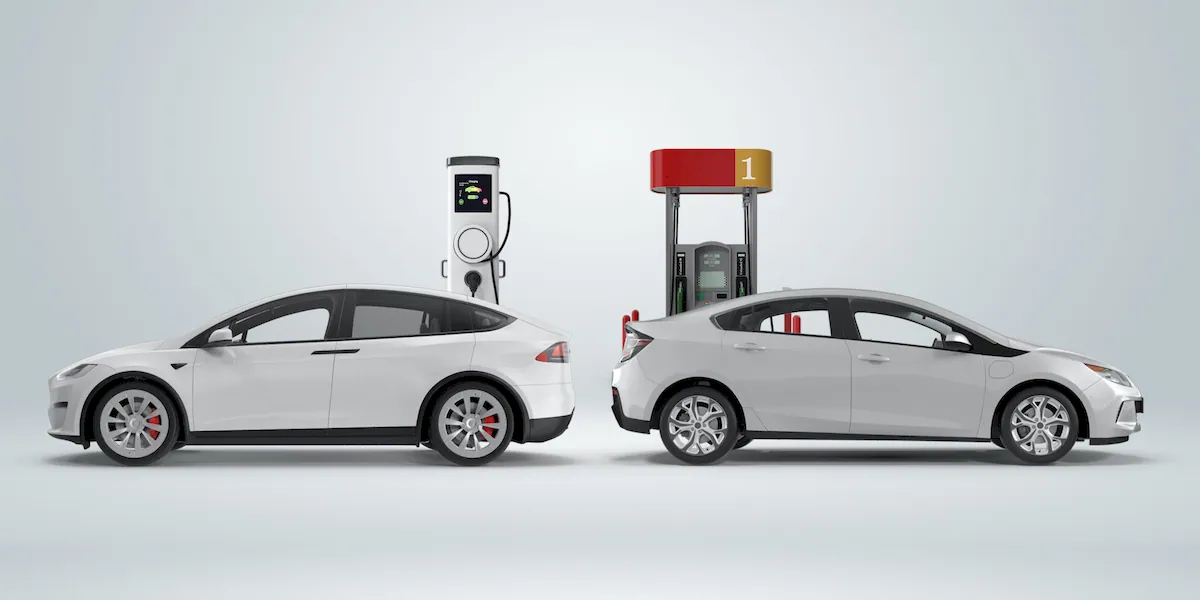
If you can charge at home and mostly drive in urban or suburban areas, an EV is often the most cost-effective choice. For frequent interstate travel or situations where reliable charging isn’t available, a hybrid remains the more practical option.
It’s also worth noting that many EVs are now priced competitively with high-end gas-powered vehicles, and modern battery packs are designed to last 8–10 years without significant degradation.
Before making a decision, it’s important to consider where you’ll charge, how far you drive, and what your daily routine looks like. Choosing between a hybrid and an EV isn’t about trends—it’s about finding the right fit for your lifestyle and budget.
You may also be interested in the news:
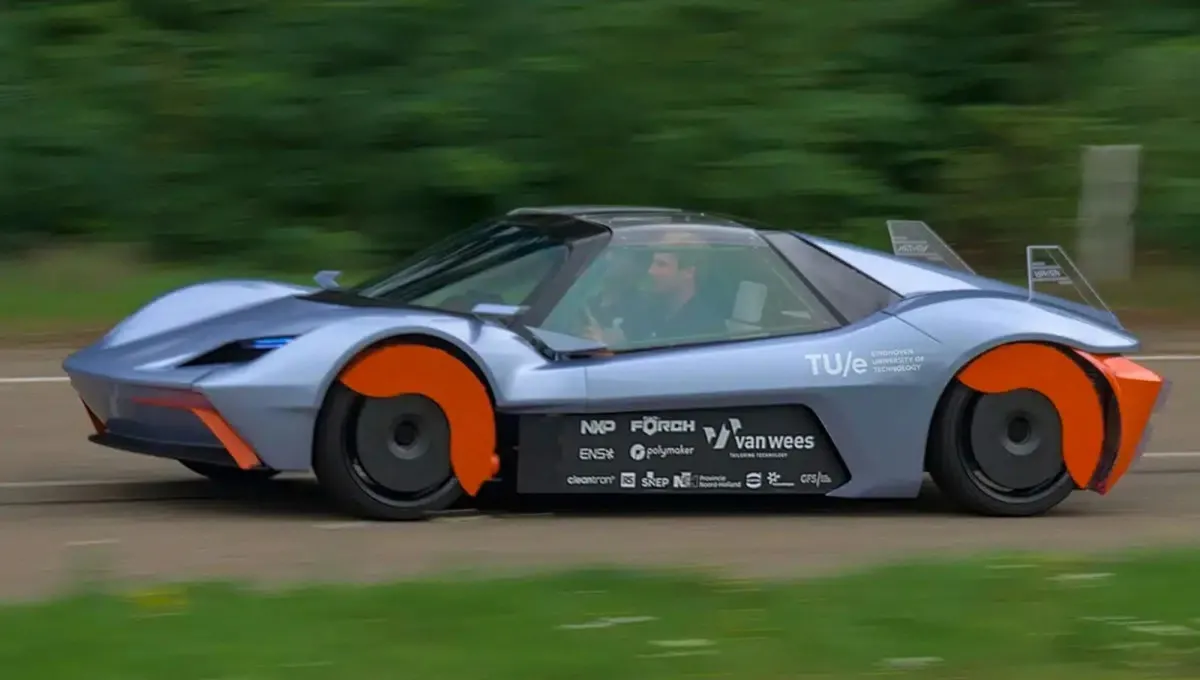
Students Develop an Electric Car That Captures Tire and Brake Dust
A student-built electric concept aims to reduce road pollution by collecting microscopic particles released by tires and brakes.
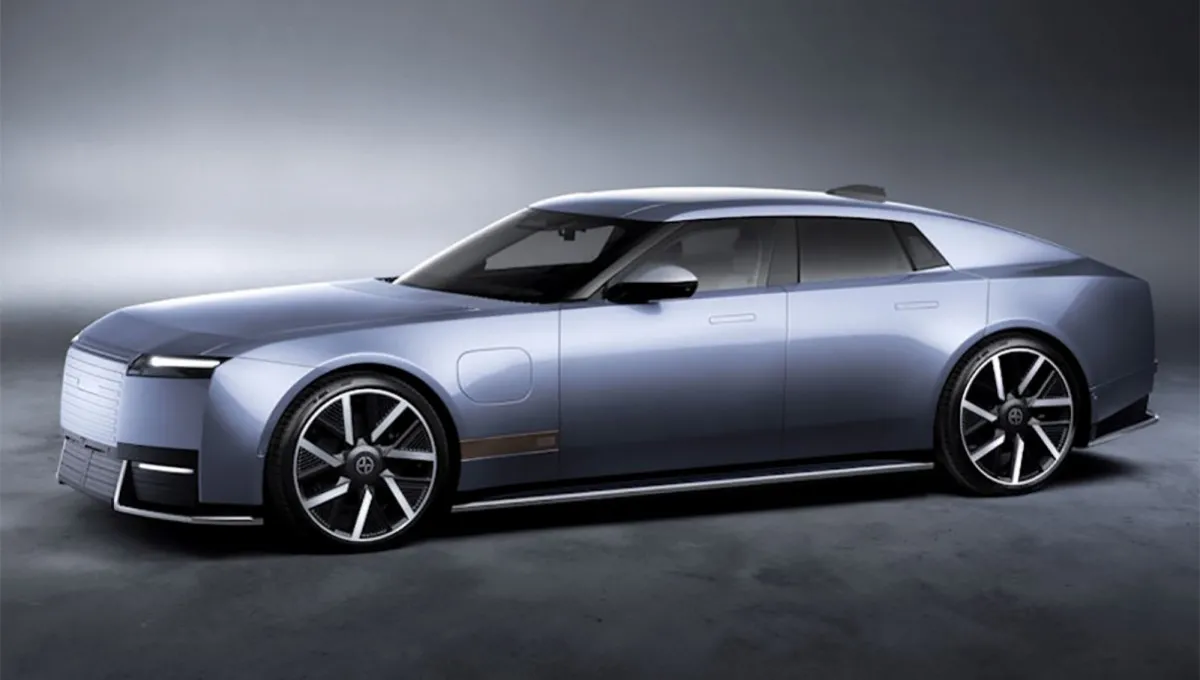
Jaguar Type 01 Revealed as Brand's First Production Model After Its Reinvention — Pricing Announced
Jaguar has unveiled the Type 01, a luxury electric grand tourer that marks a new chapter for the British automaker ahead of 2027 production.

Volkswagen's New Electric SUV Can Travel 372 Miles on a Charge — And It's Replacing the ID.4
Volkswagen has officially unveiled the all-electric ID. Tiguan, a new SUV designed to replace the ID.4 with updated styling and improved range.
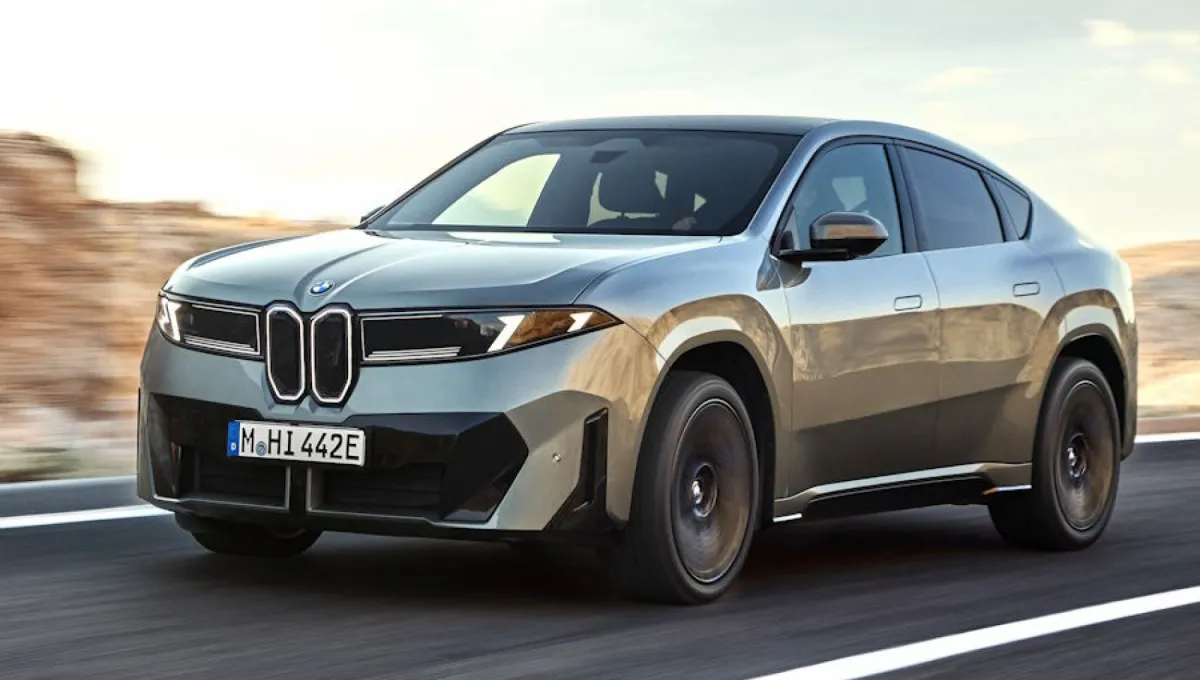
BMW Adds Another Electric SUV: Meet the New iX4
BMW has unveiled the all-electric iX4, a new SUV coupe arriving in 2027, with European pricing already announced.

BYD Patents a Battery That Is Cooled by Literally Submerging It in Liquid
A new BYD patent describes a battery architecture that uses dielectric fluid to cool battery modules while keeping electrical components dry.