
Geely Sets New Efficiency Record With 48.4% Thermal Efficiency Hybrid Engine, Nearly Matching F1 Levels
Geely pushes hybrid tech forward with a record-setting engine efficiency confirmed by Guinness World Records
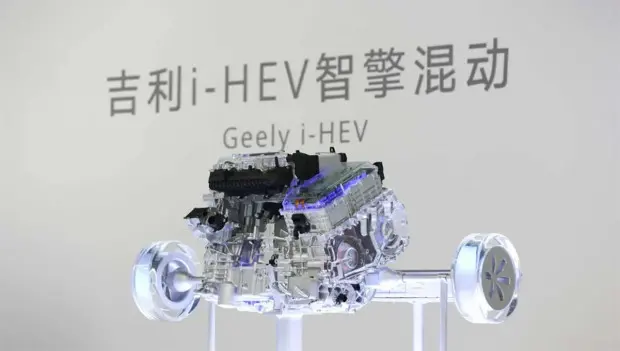
China’s Geely is making a bold move in internal combustion technology, unveiling a new hybrid system called i-HEV that reportedly reaches a record-breaking thermal efficiency of 48.4%. The achievement has already been verified by Guinness World Records.
In simple terms, nearly half of the energy from fuel is converted into usable power. For comparison, most modern gasoline engines typically operate in the 25% to 35% efficiency range. Even the best production hybrid systems until recently hovered around 42%.
The new i-HEV setup relies on artificial intelligence–based software to manage energy flow more precisely. The system continuously analyzes driving conditions and adjusts both the gasoline engine and electric motor to reduce wasted energy and improve overall performance.
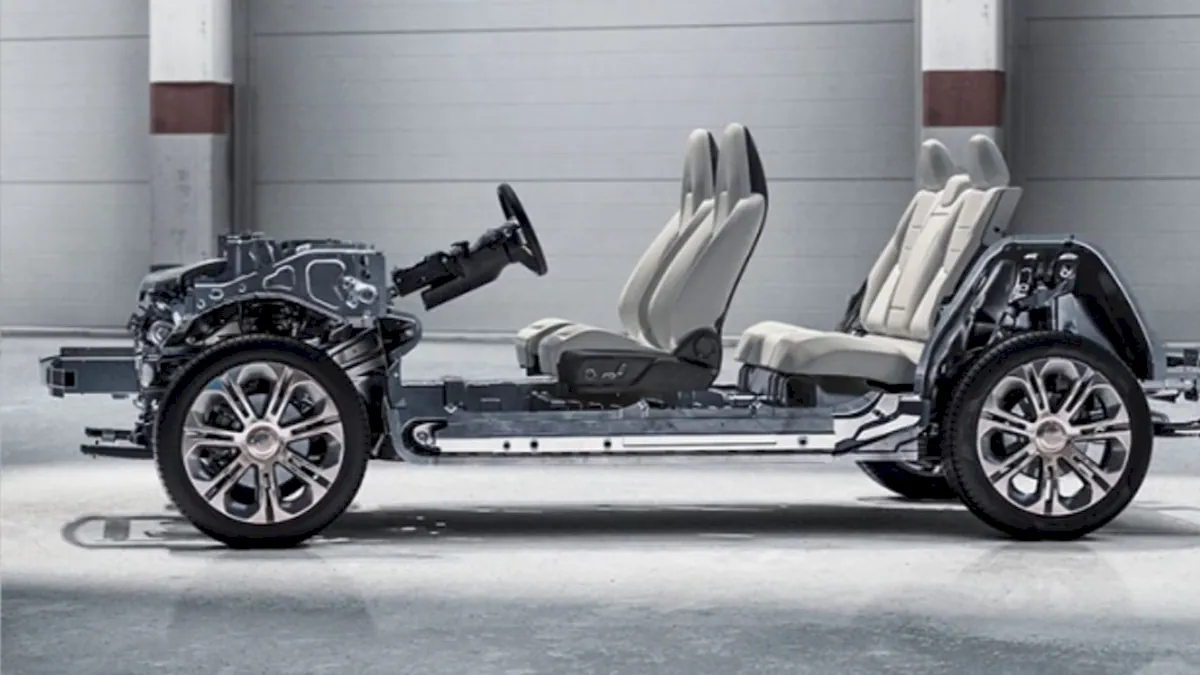
Along with its record efficiency, the system also delivers impressive fuel economy. Geely claims consumption of around 2.2 liters per 100 kilometers, which translates to roughly 105 mpg in U.S. measurements. The technology is also flexible enough to work with both 1.5-liter and 2.0-liter engines.
Until now, benchmark hybrid systems from brands like Toyota and Nissan, including Dynamic Force and e-Power, were considered leaders in the field, typically reaching around 41% to 42% efficiency. Geely’s new figure pushes noticeably closer to Formula 1 territory, where thermal efficiency can exceed 50%, though those systems are far more complex and expensive.
The key point is that efficiency gains affect everything—power output, fuel consumption, and emissions. That’s why engineers continue to chase even small percentage improvements, despite the industry’s broader shift toward electrification.
And while electric vehicles dominate future plans in the U.S. and global markets, developments like this show that the internal combustion engine isn’t done evolving just yet. In hybrid form, it’s still advancing—and doing so in a way that’s starting to challenge long-standing benchmarks.
You may also be interested in the news:
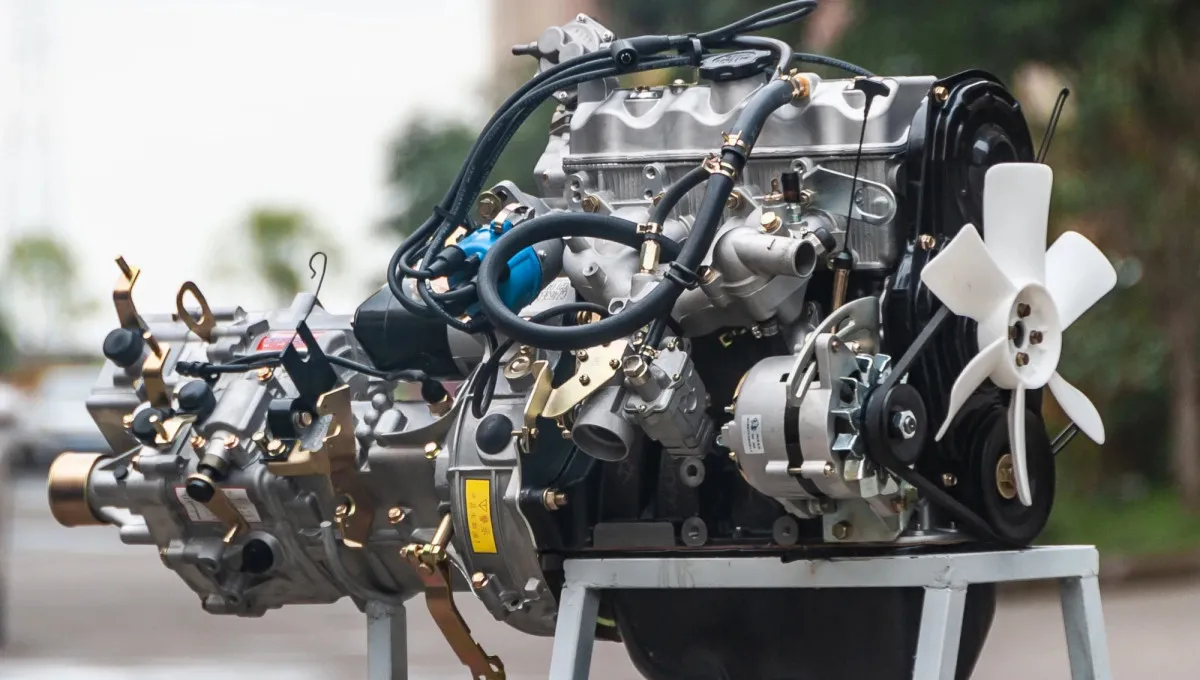
“Are You Sure It’s Chinese?” Who Really Builds China’s Car Engines
Who Really Develops China’s Car Engines?
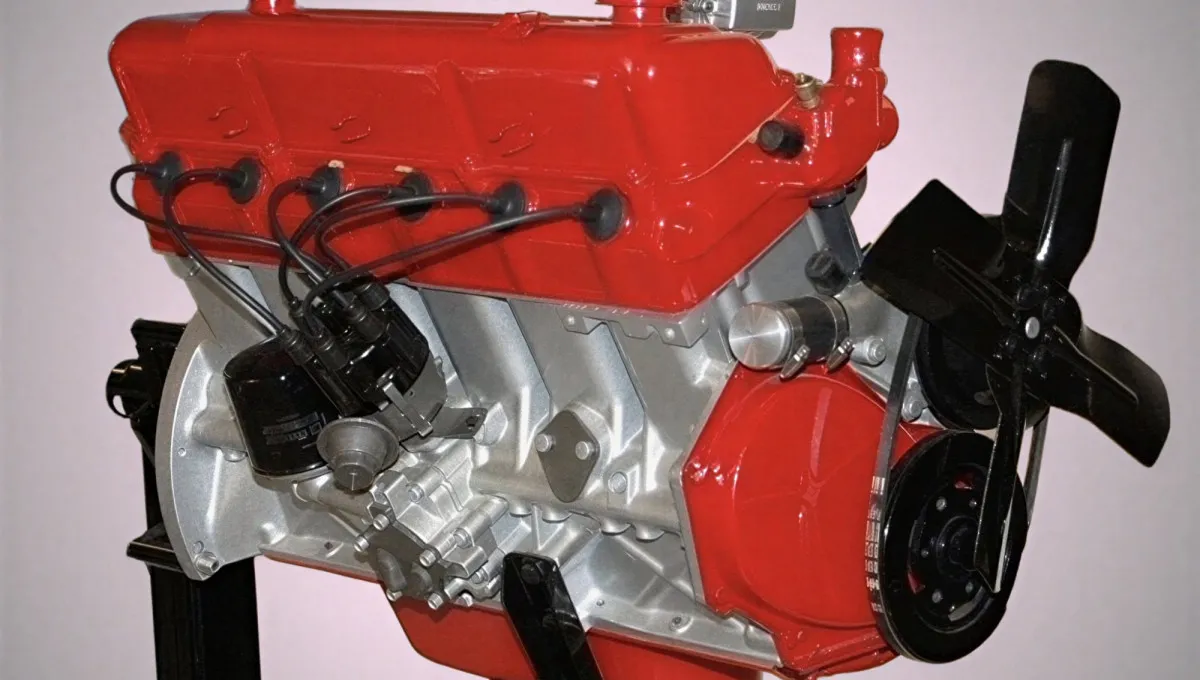
Chrysler's Aluminum Slant 6 Engine: The Lightweight Experiment of 1961–1963
Chrysler built more than 50,000 cars with an aluminum-block Slant 6 before production challenges brought the project to an end.
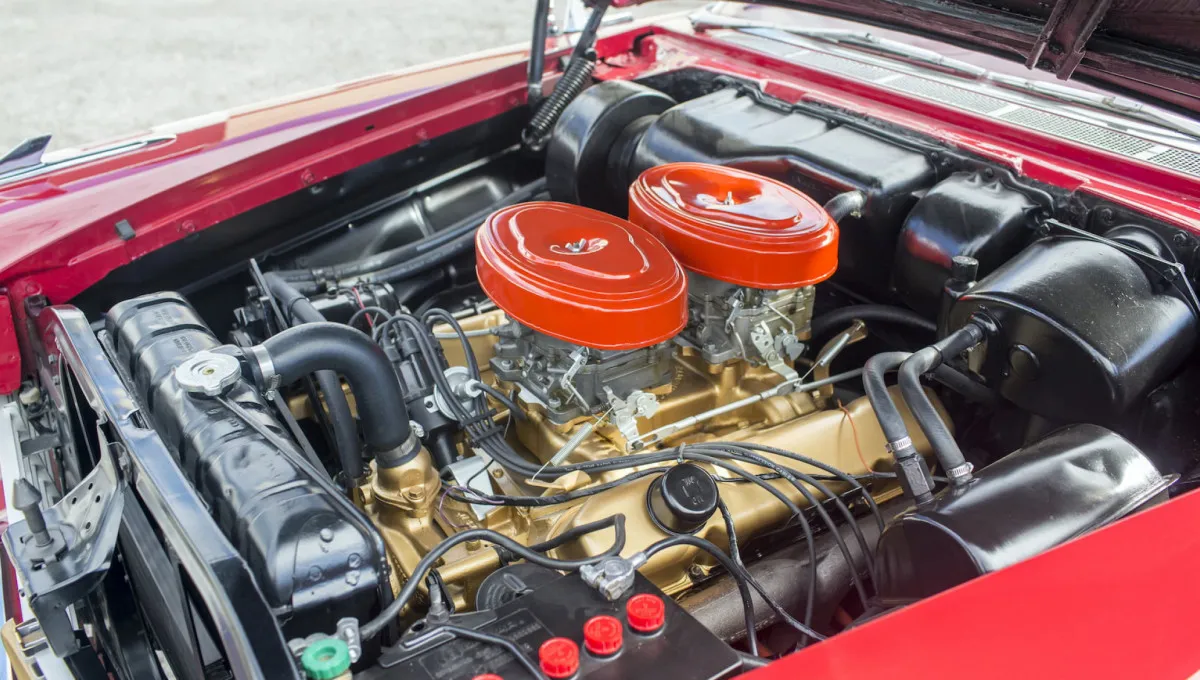
Chrysler’s Hemi Was Too Expensive to Build. Its 1958 Plan B Became a V8 Legend
After its famous Hemi V8s, Chrysler took a new direction in 1958 with a simpler, more affordable engine.
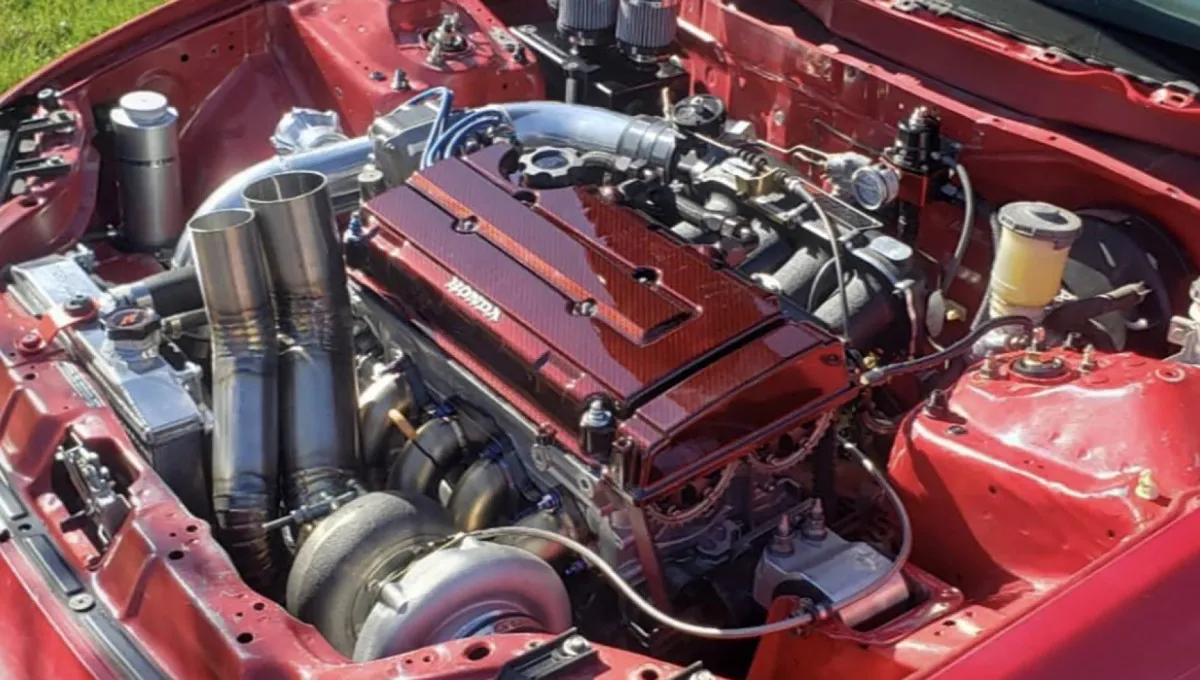
Honda K-Series Engines Can Go Past 300,000 Miles — Here's Why They're So Reliable
How long can a Honda K-series engine last, and what makes this family of Japanese engines so durable?
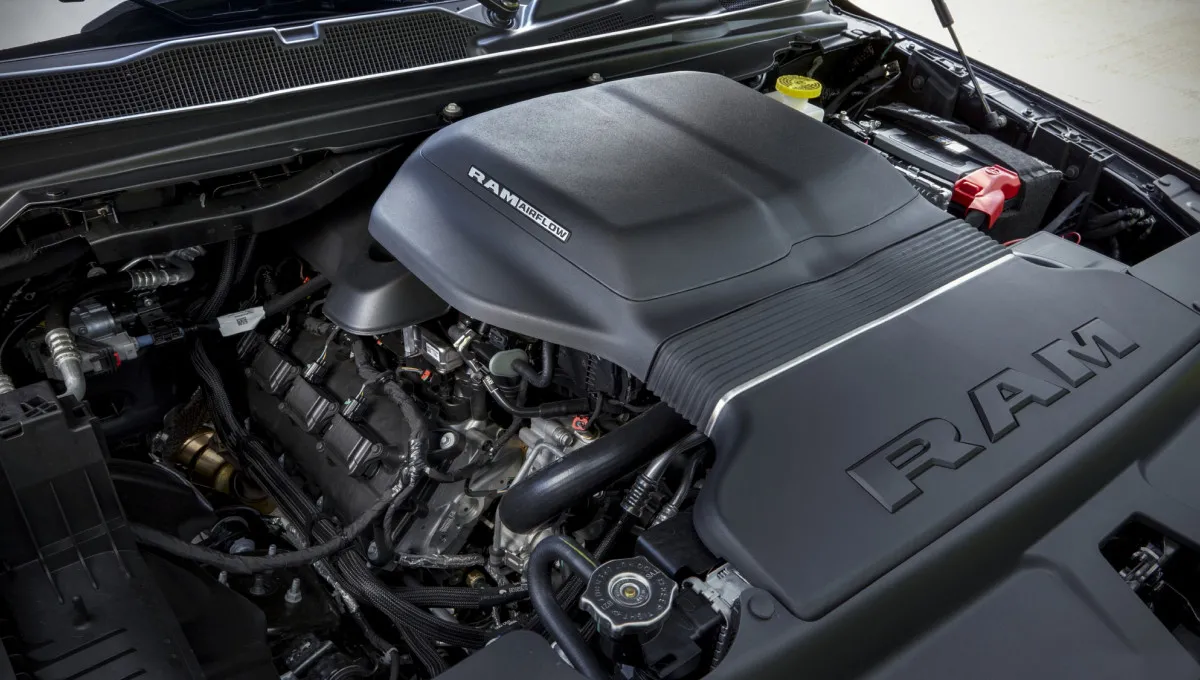
Your Engine Could Be Warning You: 6 Problems That Can Make a Car Run Rough
Engine problems rarely happen without a reason, and six common issues can cause a car to run poorly.